





Dangerous withdrawal symptoms during detox can become life-threatening within the first 72 hours. You’ll experience initial symptoms like anxiety and tremors within 6-12 hours, but severe complications including seizures, delirium tremens, and cardiovascular instability can develop rapidly. If you’re consuming ten or more drinks daily, you face a higher risk of critical complications. Medical supervision is essential, as untreated severe withdrawals carry up to a 35% mortality rate. Understanding the warning signs could mean the difference between life and death.
Understanding the Critical First 72 Hours of Detox

While detoxification can be intimidating, understanding what happens during the first 72 hours is crucial for successful withdrawal management. During this critical detox duration, you’ll experience a progression of increasingly severe symptoms that require medical supervision.
The symptom timeline begins within 6-12 hours, presenting with mild physical discomfort like headaches, anxiety, and tremors. By 24-72 hours, you’ll face peak intensity, including potential hallucinations, dangerous spikes in essential signs, and risk of seizures. The most severe complication, delirium tremens, may emerge during this period, characterized by confusion and fever. Approximately 3 to 5 percent of individuals experience severe complications during withdrawal. Light routines and activities are encouraged during this time to help establish stability and promote healing.
You’ll receive targeted medical interventions, including benzodiazepines to prevent seizures and medications to stabilize your symptoms. Continuous monitoring of your essential signs guarantees safety through this challenging but necessary process.
Life-Threatening Complications to Watch For
When withdrawing from substances, you’ll need to watch carefully for three potentially fatal complications that require immediate emergency care. The most urgent warning signs include seizures that may progress to status epilepticus, the onset of delirium tremens marked by severe confusion and hallucinations, and dangerous cardiovascular instability with racing heart rate or extreme blood pressure fluctuations. These life-threatening complications typically emerge within the first 72 hours of withdrawal, making medical supervision essential during this critical period. Studies show that rapid detox methods increase emergency department visits by 49% compared to traditional approaches. Individuals attempting to quit substances should seek professional help since medically supervised detox provides continuous monitoring and immediate intervention for these dangerous symptoms.
Seizures and Status Epilepticus
Status epilepticus (SE) represents one of the most serious neurological emergencies you’ll encounter, characterized by seizures lasting longer than 5 minutes or recurrent seizures without recovery between episodes. During seizure management, you’ll need to monitor closely for both convulsive and non-convulsive presentations, with EEG surveillance being essential for at least 24 hours after apparent resolution. Common etiologies include acute symptomatic causes, which occur more frequently than remote symptomatic causes. Approximately 152,000 cases occur annually in the United States, resulting in significant healthcare burden and mortality.
Initial status assessment must account for risk factors including medication non-adherence, prior seizure history, and comorbidities. You’ll need to initiate IV benzodiazepines within 5 minutes, followed by anti-seizure medications if needed. For refractory cases, progression to general anesthesia may be necessary, though this will require mechanical ventilation. Remember, mortality rates can reach 40%, with poorer outcomes linked to advanced age, altered consciousness, and delayed treatment response.
Delirium Tremens Warning Signs
Identifying delirium tremens (DTs) early can mean the difference between life and death in alcohol withdrawal cases. When chronic heavy drinking suddenly stops, your brain’s chemical balance dramatically shifts, potentially triggering this life-threatening condition. Individuals consuming ten drinks daily are at particularly high risk for developing severe withdrawal symptoms.
| Warning Sign | Immediate Action |
|---|---|
| Severe confusion with hallucinations | Seek emergency care immediately |
| Fever above 101.5°F with profuse sweating | Call 911 – requires hospital monitoring |
| Uncontrollable tremors with vomiting | Need urgent medical stabilization |
The primary delirium tremens causes include abrupt alcohol cessation after prolonged use, especially in those with previous DT episodes or underlying health conditions. You’ll need immediate delirium tremens treatment if you experience severe confusion, visual hallucinations, or extreme agitation combined with autonomic hyperactivity. These symptoms typically emerge 48-72 hours after your last drink and require intensive medical intervention. Without proper medical treatment, mortality rates reach 35% in untreated delirium tremens cases.
Cardiovascular Crisis Indicators
Beyond the immediate dangers of delirium tremens, alcohol withdrawal can trigger severe cardiovascular complications that demand swift medical attention. You’ll need to monitor for signs of cardiac arrest and hypertensive crisis, as these life-threatening conditions can develop rapidly during withdrawal.
The condition affects over 1 billion people globally who have hypertension, making it a serious risk during withdrawal.
Watch for these critical cardiovascular indicators:
- Sudden collapse with loss of pulse and breathing, preceded by chest discomfort or irregular heartbeats
- Severe blood pressure elevation accompanied by tachycardia and intense headaches
- Marked differences in blood pressure between arms, along with neck vein distension and asymmetric peripheral pulses
Patients experiencing alcohol withdrawal often require intensive care admission to manage potentially severe blood pressure spikes and related complications.
If you observe any of these symptoms, immediate emergency care is essential. Your medical team will conduct ECG monitoring, measure cardiac biomarkers, and assess for potential complications through diagnostic imaging to prevent catastrophic outcomes. Since many cardiac emergencies stem from faulty electrical signals, prompt defibrillation may be necessary to restore normal heart rhythm.
Warning Signs That Require Emergency Care
Recognizing life-threatening withdrawal symptoms requires immediate medical intervention to prevent severe complications or death. During withdrawal management, you’ll need emergency care if you experience delirium tremens, seizures, or severe hallucinations. These neurological complications signal critical destabilization of your central nervous system. Symptoms typically begin within 8 hours after stopping alcohol consumption.
Watch for dangerous autonomic hyperactivity signs: a heart rate exceeding 100 bpm, blood pressure spikes above 180/120 mmHg, or fever reaching 104°F. Detox strategies must address respiratory distress, particularly if you develop shortness of breath or oxygen saturation drops below 90%. Seek immediate help for psychiatric emergencies, including suicidal thoughts or aggressive behavior. Critical systemic indicators include severe dehydration, electrolyte imbalances, or signs of organ failure, especially if you have pre-existing liver or kidney conditions.
The Role of Medical Supervision in Safe Detoxification
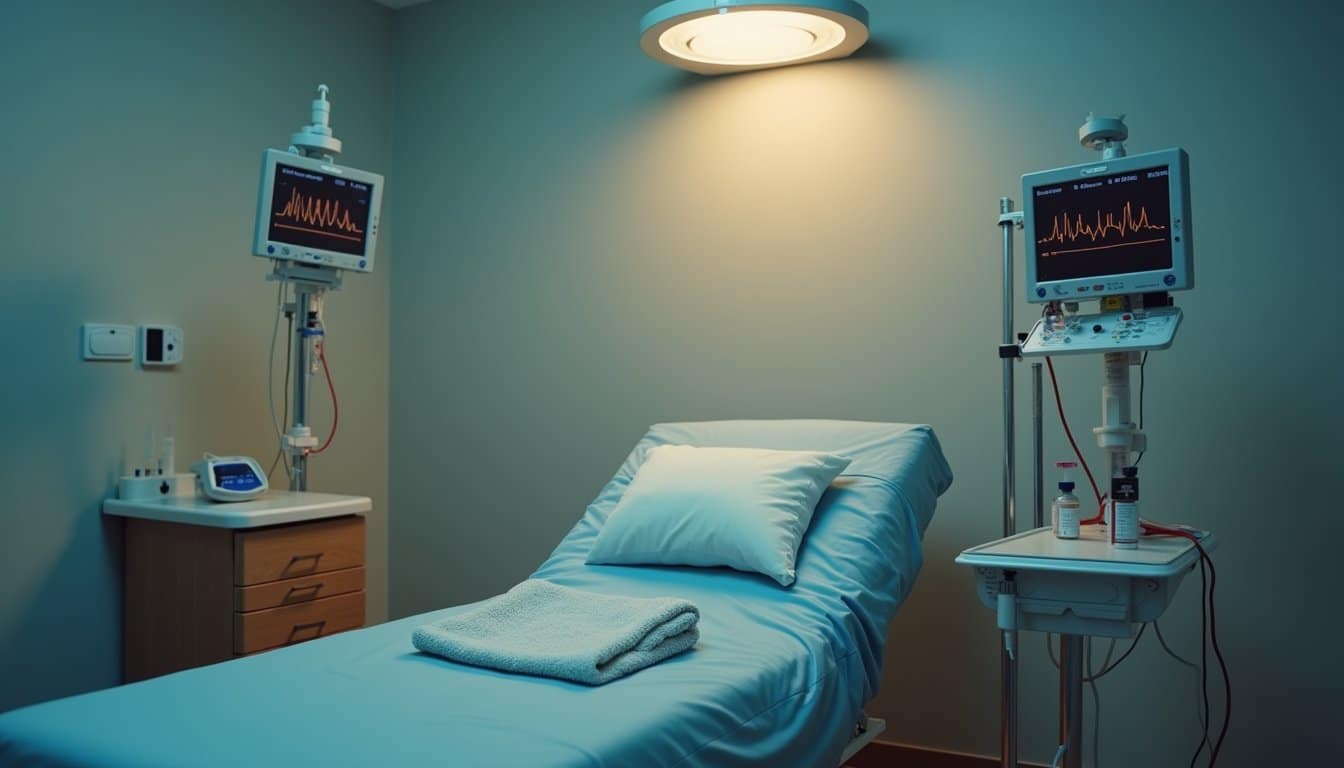
Medical supervision stands at the forefront of safe detoxification, offering extensive protection against the severe withdrawal risks previously discussed. With professional medical support, you’ll receive personalized treatment plans and 24/7 monitoring that greatly enhance your recovery success.
Key detox benefits under medical supervision include:
- Immediate intervention for life-threatening complications, with emergency medications and essential sign stabilization
- Customized medication protocols that effectively manage withdrawal symptoms while addressing co-occurring conditions
- Thorough aftercare planning that reduces relapse risks and supports long-term sobriety
This structured approach guarantees you’re receiving ideal care throughout the detoxification process. Medical professionals continuously assess your progress, adjust treatments as needed, and provide critical interventions that can mean the difference between a dangerous withdrawal and a successful recovery journey.
Physical and Psychological Danger Zones
During withdrawal, you’ll face critical risks including seizures and cardiovascular instability, which peak within the first 48-72 hours of detoxification. Your mental state may rapidly deteriorate into severe anxiety, hallucinations, or delirium tremens, requiring immediate medical intervention. Watch for signs of organ system distress, including severe dehydration, respiratory difficulties, and dangerous fluctuations in essential signs that could indicate life-threatening complications.
Seizures and Heart Risks
While alcohol withdrawal poses numerous health risks, seizures and cardiac complications represent two of the most severe and potentially fatal dangers. You’re facing a critical 48-hour window when seizures are most likely to occur, requiring immediate seizure management and cardiac monitoring. The mortality risk soars to 12.5% during withdrawal, far exceeding normal population rates.
Key statistics highlight the urgency of professional medical care:
- You have an 11% risk of delayed seizure relapse, especially if you’ve experienced head trauma
- Your yearly mortality risk jumps to 6.2% with previous withdrawal episodes
- You’re vulnerable to dangerous heart rhythms through “holiday heart syndrome” and protracted withdrawal effects
These risks demand professional medical supervision, as cardiac arrests often occur without warning seizures, and traditional anti-seizure medications may prove insufficient.
Mental Health Crisis Points
Mental health crises during withdrawal manifest through severe psychological and behavioral disturbances that can escalate rapidly into life-threatening situations. You’ll need immediate crisis communication if you experience psychotic episodes, severe paranoia, or suicidal thoughts. Your support networks must recognize these critical warning signs:
| Crisis Indicator | Danger Level | Required Action |
|---|---|---|
| Psychotic Episodes | Severe | Emergency Services |
| Suicidal Threats | Critical | 24/7 Supervision |
| Violent Behavior | High | Medical Intervention |
| Extreme Confusion | Serious | Clinical Assessment |
| Self-Harm Acts | Critical | Immediate Help |
Watch for sudden behavioral changes, including social withdrawal, hygiene deterioration, or substance-induced psychosis. These symptoms can intensify withdrawal complications, particularly when you’re experiencing delirium tremens or severe cognitive impairment. Don’t delay seeking professional help if you notice multiple crisis indicators emerging simultaneously.
Organ System Warning Signs
Five critical organ systems face severe risks during withdrawal, each presenting distinct warning signs that demand immediate medical attention. When undergoing detox, you’ll need immediate medical care if you experience liver inflammation, kidney overload, or acute cardiovascular strain. Your body’s detox risks multiply as multiple systems struggle simultaneously.
Key warning indicators include:
- Severe gastrointestinal distress with blood in stool or persistent vomiting
- Neurological symptoms like seizures or dangerous tremors
- Signs of acute injury including electrolyte imbalance or sudden blood pressure changes
Watch for right upper quadrant pain suggesting liver complications, reduced urine output indicating kidney stress, or irregular heartbeat patterns showing cardiovascular strain. These symptoms often progress rapidly, potentially leading to organ failure without proper medical intervention.
Risk Factors That Intensify Withdrawal Severity
Several critical factors can dramatically intensify the severity of withdrawal symptoms when attempting to cease substance use. Your genetic predisposition and early initiation of substance use greatly impact how your brain responds to detox. Co-occurring disorders and psychosocial stressors can worsen psychological symptoms, while nutritional deficiencies may compromise your body’s ability to heal. Environmental triggers and peer influences often affect your withdrawal timeline, particularly if you’re pressured to quit without medical support.
Your metabolic factors determine how quickly you’ll clear toxins, while substance interactions from polysubstance use create unpredictable complications. If you have pre-existing health conditions, especially cardiovascular issues or seizure history, you’ll face heightened risks. Heavy, long-term use of any substance, particularly alcohol or benzodiazepines, considerably increases the likelihood of severe withdrawal complications.
Essential Medical Interventions During Crisis
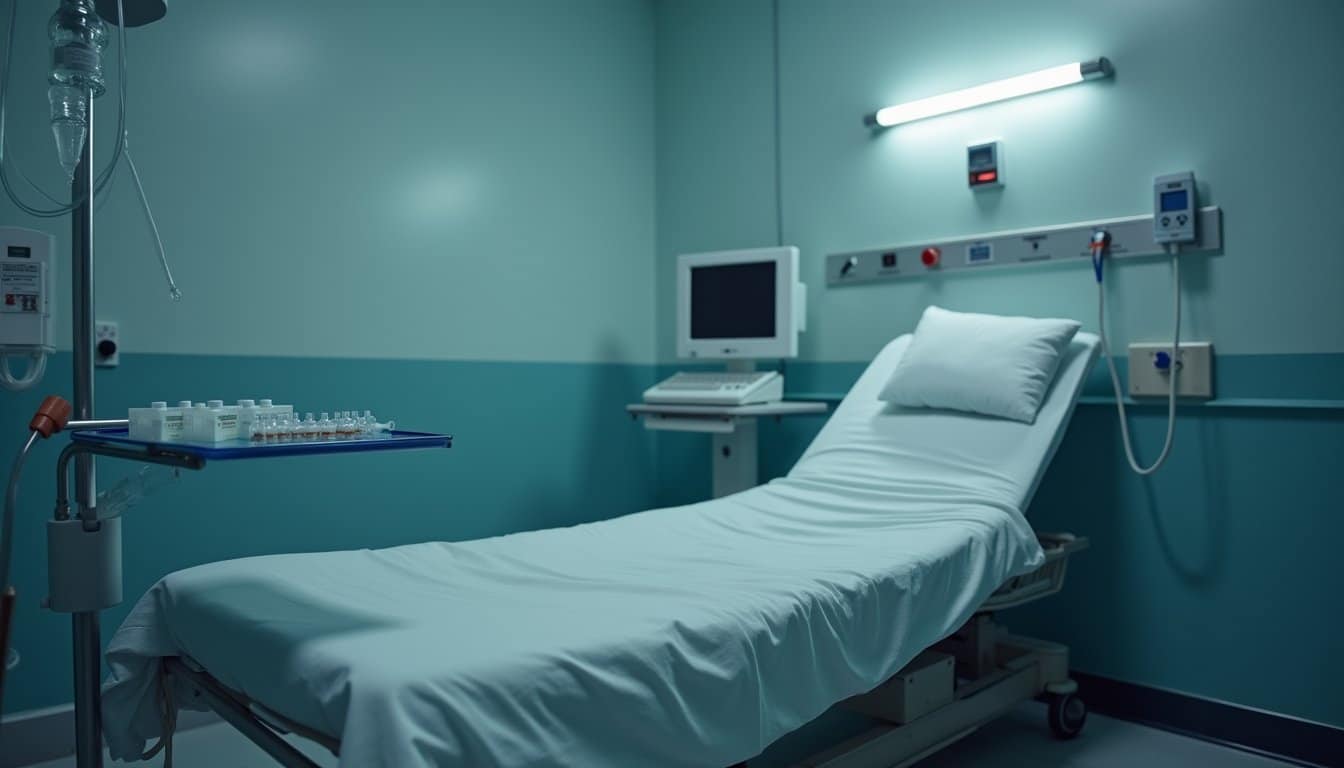
Medical intervention during withdrawal crises requires swift implementation of evidence-based protocols to prevent life-threatening complications. Established detox protocols emphasize immediate stabilization through targeted medication strategies and continuous monitoring of essential signs.
- Critical interventions include benzodiazepine administration for alcohol withdrawal, naltrexone for opioid dependence, and chlordiazepoxide dosing tailored to symptom severity.
- Emergency stabilization requires 24-hour medical supervision with IV fluid replacement, oxygen monitoring, and rapid response to cardiovascular complications.
- Medication strategies must balance immediate crisis management with long-term recovery goals, utilizing front-loading techniques when appropriate and adjusting dosages based on patient response.
You’ll need immediate medical attention if experiencing severe withdrawal symptoms, as proper intervention can prevent dangerous complications like seizures, delirium tremens, or respiratory distress.
Managing Severe Withdrawal Complications
When you encounter severe withdrawal symptoms, you’ll need to immediately implement critical interventions including IV benzodiazepines for seizure control and airway protection measures. You must continuously monitor crucial signs every 2-4 hours, paying particular attention to blood pressure fluctuations, heart rate variability, and temperature changes that could signal progression to delirium tremens. Your rapid assessment and response to these complications is essential, as untreated severe withdrawal carries mortality rates of 5-10% and requires immediate ICU admission for intensive monitoring and stabilization.
Immediate Life-Saving Interventions
Life-threatening withdrawal complications demand rapid, decisive interventions to prevent severe morbidity and mortality. When managing severe alcohol or benzodiazepine withdrawal, you’ll need to implement emergency medications and rapid assessment protocols immediately.
Critical interventions include:
- Administering IV benzodiazepines (diazepam or lorazepam) while conducting continuous neurological monitoring for seizure prevention
- Initiating aggressive fluid replacement with electrolyte monitoring, especially focusing on magnesium and potassium levels
- Escalating to ICU-level care for patients showing signs of delirium tremens, with 24/7 clinical supervision and essential sign monitoring
Don’t delay antipsychotic administration for severe agitation, but carefully monitor QT intervals. You’ll need to maintain close temperature control and implement rapid cooling measures if fever develops, as hyperthermia can worsen CNS dysfunction.
Vital Sign Monitoring Protocols
Proper essential sign monitoring serves as the cornerstone of managing severe withdrawal complications, requiring a systematic approach based on Emergency Severity Index (ESI) levels.
For ESI Level 1 patients, you’ll need to check essential signs every 5-15 minutes initially, then hourly for the first 4 hours if they’re stable. ESI Level 2 follows similar hourly protocols, while Level 3 patients with normal essential sign trends can be monitored every 2 hours, extending to 4-hour intervals after stability. Level 4 cases require checks at minimum every 4 hours.
You must document all essential sign trends in standardized flowsheets and adjust monitoring frequency based on clinical changes. Watch for warning signs like sustained tachycardia above 100 bpm or blood pressure exceeding 160/100 mmHg. Remember to obtain current essentials within 30 minutes of discharge.
Timeline of High-Risk Withdrawal Symptoms
Understanding the timeline of withdrawal symptoms proves critical for medical professionals and patients alike, as dangerous complications emerge in a predictable sequence during the detoxification process. The symptom progression follows a clear detox timeline, with severe complications clustering between 24-72 hours after the last drink. During this period, individuals may experience significant detox symptoms during the first 72 hours, which can include anxiety, tremors, and nausea. Recognizing these signs early allows for timely intervention and support, reducing the risk of severe health issues. It is essential for caregivers to monitor patients closely as these symptoms can indicate the body’s struggle to regain homeostasis.
Understanding the timeline of withdrawal symptoms proves critical for medical professionals and patients alike, as dangerous complications emerge in a predictable sequence during the detoxification process, particularly within the process of outpatient detoxification, where close monitoring is essential. The symptom progression follows a clear detox timeline, with severe complications clustering between 24, 72 hours after the last drink. During this period, individuals may experience significant detox symptoms during the first 72 hours, including anxiety, tremors, and nausea. Recognizing these signs early allows for timely intervention and support, reducing the risk of severe health issues. It is essential for caregivers to monitor patients closely, as these symptoms can indicate the body’s struggle to regain homeostasis.
Tracking withdrawal timeline patterns enables medical teams to anticipate and intervene before life-threatening complications arise during detox.
Key phases you’ll experience during withdrawal include:
- Hours 6-12: Initial symptoms emerge, including anxiety, headaches, and nausea
- Hours 24-48: Peak risk period for seizures and early hallucinations
- Hours 48-72: Highest risk window for delirium tremens (DTs), requiring immediate medical intervention
You’ll notice symptoms generally beginning to subside after 72 hours, though psychological effects may persist for weeks or months. This predictable progression helps medical teams anticipate and prevent life-threatening complications through targeted interventions.
Prevention Strategies for Life-Threatening Events
When medical professionals implement thorough prevention strategies, they can greatly reduce the risk of life-threatening events during withdrawal. You’ll find that extensive medical supervision protocols include continuous monitoring of essential signs and immediate intervention for complications like seizures or delirium tremens. Patient education about withdrawal timelines and potential risks helps prepare you for the detox process.
Medication-assisted therapies, such as methadone or buprenorphine for opioid withdrawal, can markedly reduce dangerous symptoms. It’s important to address co-occurring health issues through integrated care approaches. Your healthcare team will develop personalized relapse prevention plans and connect you with support resources. For high-risk cases, they’ll adjust treatment protocols and may recommend inpatient care, especially if you have a history of severe withdrawal symptoms or medical complications.
Addiction doesn’t wait for the perfect time to address it and neither should you. If you’re caught between needing treatment and maintaining your career, know this: you can pursue both. Outpatient Detox Miami specializes in connecting busy professionals with Miami based providers who understand that real recovery happens in real life. We’ll link you to flexible treatment options that respect your work commitments while prioritizing your wellbeing. Don’t let fear of career consequences keep you stuck, call us today at (786) 228-8884 and find out how accessible recovery truly is when it’s designed around your world.
Frequently Asked Questions
Can Pets Help Reduce Withdrawal Symptoms During Home Detox?
Yes, animal companionship can markedly help manage withdrawal symptoms during home detox. Your pet’s presence triggers the release of oxytocin and dopamine, which naturally reduce stress and anxiety. You’ll benefit from the emotional support they provide, helping combat feelings of isolation and depression. Their need for routine care also gives you structure and purpose, while their unconditional love offers comfort during challenging moments. However, pets shouldn’t be your only support during detox.
How Long Should Someone Wait After Detox Before Starting Exercise?
You should carefully time your exercise initiation after detox recovery. Begin with gentle movement once acute withdrawal symptoms subside, typically within the first week. Start with short 10-minute sessions of light activity like walking or stretching, then gradually progress. Research suggests starting structured exercise within the first 30 days of abstinence provides maximum benefits. Always get medical clearance first, especially if you have pre-existing health conditions.
What Natural Remedies Can Safely Support the Detox Process?
You can support your detox process with several natural remedies. Herbal supplements like ginger, passionflower, and ginseng can help manage withdrawal symptoms. For nutritional support, focus on vitamin B complex, magnesium, and zinc supplementation. You’ll also benefit from drinking plenty of water and consuming nutrient-dense foods. Consider incorporating Epsom salt baths and gentle aromatherapy, but always consult your healthcare provider before starting any supplement regimen.
Does Genetic Predisposition Affect Withdrawal Symptom Severity?
Yes, your genetic makeup greatly influences withdrawal intensity. Research shows that specific genetic factors can account for up to 69% of the variance in withdrawal severity, particularly for substances like alcohol and benzodiazepines. You’ll find that your family history and ethnic background may predict your withdrawal experience. For instance, if you’re of European American descent, certain gene variants like SorCS2 can make you more susceptible to severe withdrawal symptoms.
Are Withdrawal Symptoms Different Between Men and Women?
Yes, you’ll find significant gender differences in withdrawal symptoms. Women typically experience more intense physical and psychological effects during withdrawal, particularly with opioids and nicotine. Hormonal influences play an essential role, affecting how women metabolize substances and respond to treatment. While men may face harsher alcohol withdrawal symptoms, women generally show accelerated addiction progression and heightened withdrawal sensitivity across most substances. They’re also more likely to relapse due to emotional stressors.