




Modern outpatient detox centers equip themselves with advanced medical monitoring systems that you’ll encounter during treatment. You’ll find wireless biosensors tracking your essential signs, automated medication dispensers ensuring precise dosing, and rapid diagnostic testing equipment for ongoing assessment. Centers utilize FDA-cleared devices for toxicology screening, while remote monitoring platforms enable safe at-home recovery. These integrated technologies form a thorough system that supports every stage of your detoxification journey.
Essential Vital Sign Monitoring Systems in Outpatient Care
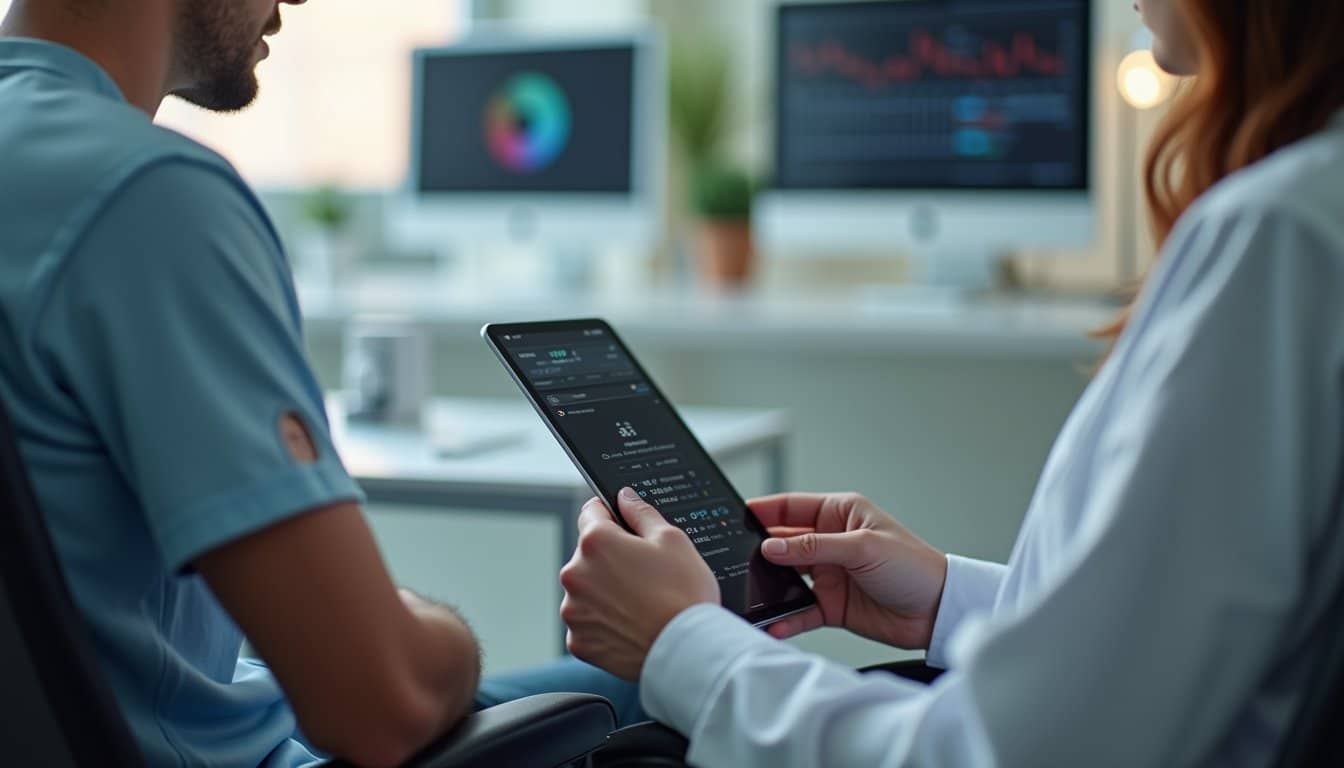
Modern crucial sign monitoring systems represent a cornerstone of effective outpatient detox care, combining wireless biosensors, continuous tracking platforms, and specialized detection algorithms to secure patient safety. The emergence of wearable remote technologies has made comprehensive monitoring possible in outpatient settings where it was previously limited.
You’ll find thorough key sign integration through devices like VitalPatch, which monitors eight key parameters simultaneously while maintaining patient mobility. These lightweight, waterproof sensors work alongside under-bed monitoring systems like EarlySense® to provide 24/7 tracking without restricting movement. The sensors automatically transmit real-time updates to nursing stations for immediate response to emergencies. The wearable technology transmits real-time data to centralized platforms, where clinicians can monitor multiple patients through customizable dashboards. The advanced analytics have demonstrated a remarkable 67% lower cost for acute care and follow-up monitoring during the first month after discharge.
These systems excel in early warning detection, automatically calculating risk scores and alerting staff to potential complications. With features like 10-hour local storage and motion artifact filtering, they provide reliable data collection even during network disruptions or patient activity.
Modern Medication Dispensing and Administration Tools
As outpatient detox centers evolve, sophisticated medication dispensing and administration tools have become essential for maintaining patient safety and treatment efficacy. You’ll find automated dispensing cabinets with restricted access controlling medication distribution, while e-prescription systems integrate seamlessly with state monitoring databases to prevent substance abuse. Professional staff provide 24/7 medical supervision during the initial withdrawal phases to ensure patient wellbeing. For emergency situations, staff are equipped with Naloxone kits to rapidly counteract potential opioid overdose effects. If access issues occur, patients can contact site administrators for immediate assistance with medication systems.
| Technology | Safety Feature | Patient Benefit |
|---|---|---|
| E-prescribing | Real-time PMP checks | Prevents overdose |
| Mobile apps | Adherence tracking | Improves compliance |
| Digital calendars | Push notifications | Reduces missed doses |
| Lockable cases | Tamper prevention | Guarantees security |
| Biometric systems | Identity verification | Prevents diversion |
Modern medication adherence tools now include GPS-enabled tracking and tamper-resistant packaging for high-risk prescriptions. You’ll also benefit from telehealth platforms that enable remote dose adjustments and digital monitoring through secure video consultations, guaranteeing continuous care while maintaining strict safety protocols.
Safety and Observation Equipment for Patient Protection

While patient safety remains paramount in outpatient detox settings, thorough observation equipment and protective devices form the cornerstone of risk management protocols. You’ll find extensive monitoring systems that include crucial signs tracking devices, 24/7 observation protocols, and automated documentation tools for tracking withdrawal symptoms and interventions. Trained staff members maintain vital signs monitoring throughout the detox process to quickly identify and address any medical complications. Treatment centers conduct strict bag inspections upon admission to ensure prohibited items do not compromise patient safety. For enhanced security, facilities implement access restrictions through specialized security services to prevent unauthorized entry.
Modern detox facilities utilize panic buttons, emergency call systems, and secure communication devices to guarantee rapid response during crisis situations. You’ll see strategically placed isolation suites for mental health emergencies, alongside de-escalation tools and soft restraints for agitation management. Key safety features include secure storage systems, sharps disposal units, and restricted-access laundry facilities. These measures work together with smoke detectors, clearly marked emergency exits, and fire suppression equipment to create a protected environment that prioritizes both staff and patient wellbeing.
On-Site Diagnostic Testing and Analysis Devices
Modern outpatient detox centers rely on rapid drug screening tools to deliver immediate results for patient assessment and treatment planning. You’ll find essential equipment like automated toxicology analyzers that process blood and urine samples within minutes, alongside lab-grade analysis devices that measure metabolite levels with high precision. These on-site diagnostic capabilities enable your healthcare team to make quick, evidence-based decisions about medication adjustments and withdrawal management protocols while maintaining stringent clinical standards. State-of-the-art ultrasound equipment provides additional diagnostic insights for comprehensive patient evaluations. Advanced centers also utilize information therapy systems to process and analyze patient data, treating the brain’s response to addiction like a computer system that needs reprogramming. With less than 12 percent of addicted individuals receiving specialized treatment, these diagnostic tools are crucial for expanding access to quality care.
Rapid Drug Screening Tools
Rapid drug screening tools represent essential equipment in outpatient detox centers, enabling immediate detection of substances through point-of-care testing (POCT) systems. You’ll find integrated test cups and dip card readers that provide quick, reliable results for multi-panel detection of common substances. FDA-cleared test devices are utilized for all initial screening procedures, ensuring standardized accuracy across testing platforms. For enhanced security, the testing systems employ security services to protect sensitive patient data. Test results are verified by licensed medical review officers who can assess prescription medication impacts on screening outcomes.
| Testing Component | Primary Function |
|---|---|
| Specimen Validity | Checks temperature, pH, dilution |
| Multi-Panel Strips | Detects 5-12 drug classes |
| Digital Integration | Links results to lab databases |
Modern screening tools incorporate tamper-evident collection cups with temperature sensors and adulteration-specific assays. You’ll see cloud-integrated platforms that sync POCT results with laboratory databases and MRO reviews. These systems utilize automated cutoff calibration to align with regulatory requirements while maintaining chain-of-custody compliance through barcode tracking and centralized dashboard analytics.
Lab-Grade Analysis Equipment
Lab-grade analysis equipment forms the diagnostic backbone of outpatient detox centers, enabling extensive patient monitoring through sophisticated point-of-care testing systems. You’ll find portable biochemical analyzers that deliver rapid results for critical markers like electrolytes, liver function, and drug levels with lab-grade accuracy.
These advanced systems include handheld urinalysis machines for immediate toxicology screening, capillary blood analyzers for hematological assessment, and multi-parameter devices that track essential health indicators. The analysis accuracy matches traditional laboratory standards while providing results within minutes. Home medical supplies enhance the center’s diagnostic capabilities by ensuring all necessary testing equipment is readily available. You can monitor therapeutic drug levels, assess infection markers through CRP testing, and screen for bloodborne pathogens using immunoassay systems. This thorough diagnostic capability guarantees your treatment team can make informed clinical decisions based on precise, real-time patient data.
Therapeutic Support Equipment for Recovery

Therapeutic support equipment plays a vital role in outpatient detox centers by facilitating assessment, treatment, and recovery monitoring. You’ll find cognitive tools like structured workbooks for behavioral therapy, therapeutic manuals for group sessions, and educational materials that support your recovery journey.
Essential therapeutic resources include physical examination equipment such as blood pressure cuffs and stethoscopes for medical assessments, along with secure medication storage systems for controlled substance management. You’ll also have access to monitoring tools that help track your withdrawal progression and response to treatment.
The centers maintain emergency response kits with first aid supplies and naloxone, ensuring your safety throughout the detox process. Patient education materials and secure documentation systems help coordinate your care and support ongoing recovery efforts. In addition, the centers are equipped to address various health issues that may arise, including situations where a patient can you develop having seizures. This comprehensive approach ensures that all aspects of a patient’s well-being are taken into account. By focusing not only on detox but also on potential seizure management, the facilities aim to create a safer environment for recovery.
Digital Health Records and Compliance Tracking Systems
While digital health record systems are becoming increasingly essential in healthcare settings, outpatient detox centers have been slower to adopt this technology, with only 9.6% using exclusively electronic records for core activities. You’ll find specialized electronic health records systems designed specifically for addiction treatment, featuring integrated compliance tracking and secure data sharing capabilities.
| System Component | Key Benefits |
|---|---|
| MAT Protocol Support | Real-time medication tracking and dosage monitoring |
| Patient Portals | Secure access to treatment plans and progress updates |
| Compliance Tools | Automated HIPAA and 42 CFR Part 2 documentation |
Despite implementation challenges like high upfront costs and workflow adjustments, these systems offer significant advantages in care coordination. They’ll help you reduce treatment gaps, streamline billing processes, and maintain audit-ready documentation trails that meet state and federal reporting requirements.
Remote Monitoring Technologies for At-Home Care
Modern remote monitoring technologies have revolutionized outpatient detox care, complementing digital health records with real-time patient oversight. Through wearable devices and remote sensors, healthcare providers can now maintain continuous supervision while patients recover at home.
- Health analytics platforms track essential signs, medication adherence, and sleep patterns through smartbands, providing early warning signs of potential relapse
- Telehealth solutions enable immediate intervention through video counseling and automated alerts when behavioral tracking indicates risk
- Patient engagement improves through gesture-detection technology that monitors substance use behaviors and rewards positive compliance
- Data security protocols protect sensitive information while allowing real-time compliance monitoring across the care team
These remote monitoring systems transform outpatient detox by creating a virtual safety net that supports recovery while maintaining patient independence and dignity.
Addiction doesn’t care about your work schedule but your recovery plan should. If you’re ready to get help but worried about jeopardizing your job, you’re not alone, and you’re not out of options. Outpatient Detox Miami links you with Miami providers who treat working professionals every day, offering flexible treatment programs that happen before work, after hours, or on weekends. We’ll help you find the right fit so healing doesn’t mean hardship. Your career and your wellness aren’t enemies, call us today at (786) 228-8884 and discover how they can finally work together.
Frequently Asked Questions
How Often Does Medical Equipment Need to Be Calibrated and Maintained?
Your medical equipment’s calibration frequency and maintenance schedules vary by device type. You’ll need to perform daily checks on oxygen therapy equipment and suction pumps, while ECG and ultrasound devices require monthly or biannual calibration. You must service automated lab systems quarterly, and infusion pumps need accuracy testing before each use. Don’t forget to maintain detailed equipment logs documenting all calibrations and maintenance actions per regulatory requirements.
What Backup Power Systems Are in Place for Critical Monitoring Devices?
You’ll find multiple layers of backup power systems protecting critical monitoring devices. Your facility should have backup generators that automatically engage during outages, providing immediate power reliability. You’ll also need UPS systems with battery backup for instantaneous power shift. These systems must comply with JCAHO standards and include surge protection measures. Regular testing and maintenance of these backup systems guarantees continuous operation of essential monitoring equipment during emergencies.
Can Patients Rent or Purchase Monitoring Equipment for Home Use?
While you can rent basic home monitoring equipment like pulse oximeters or glucometers, strict patient safety protocols limit access to advanced detox monitoring devices. You’ll need medical approval and supervision for most equipment rentals. Insurance typically won’t cover home monitoring tools, and legal restrictions prevent unsupervised detox. If you’re interested in home monitoring, you’ll need to work closely with your healthcare provider to determine what’s appropriate and safe for your situation.
What Insurance Coverage Typically Applies to Medical Equipment in Detox Centers?
Your insurance policies will typically cover facility-provided medical equipment during detox treatment, but coverage limits vary by plan. You’ll find that Medicare, Medicaid, and most private insurers include essential monitoring devices and treatment equipment in their coverage. However, you’ll need prior authorization for specialized equipment, and there are strict coverage limits on take-home devices. It’s best to verify specific equipment coverage with your insurance provider before starting treatment.
How Are Equipment Malfunctions Handled During Critical Patient Care Situations?
When equipment fails during critical care, you’ll need to follow a structured emergency protocol. First, guarantee patient safety by switching to backup systems or manual procedures. Immediately tag and isolate malfunctioning equipment while documenting the incident. Quick troubleshooting should focus only on basic checks like power cycling or connection verification. Report the malfunction through proper channels and don’t attempt repairs until authorized, especially if patient harm occurred.