


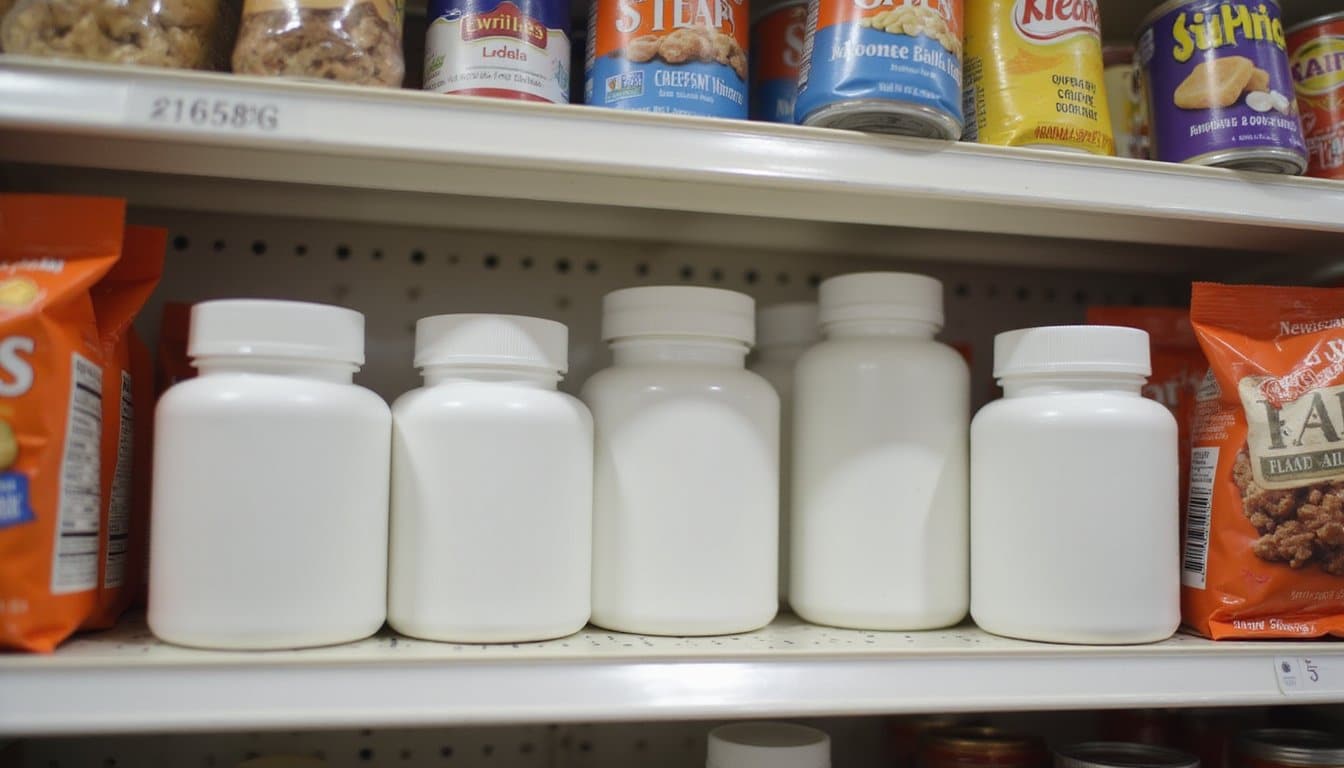

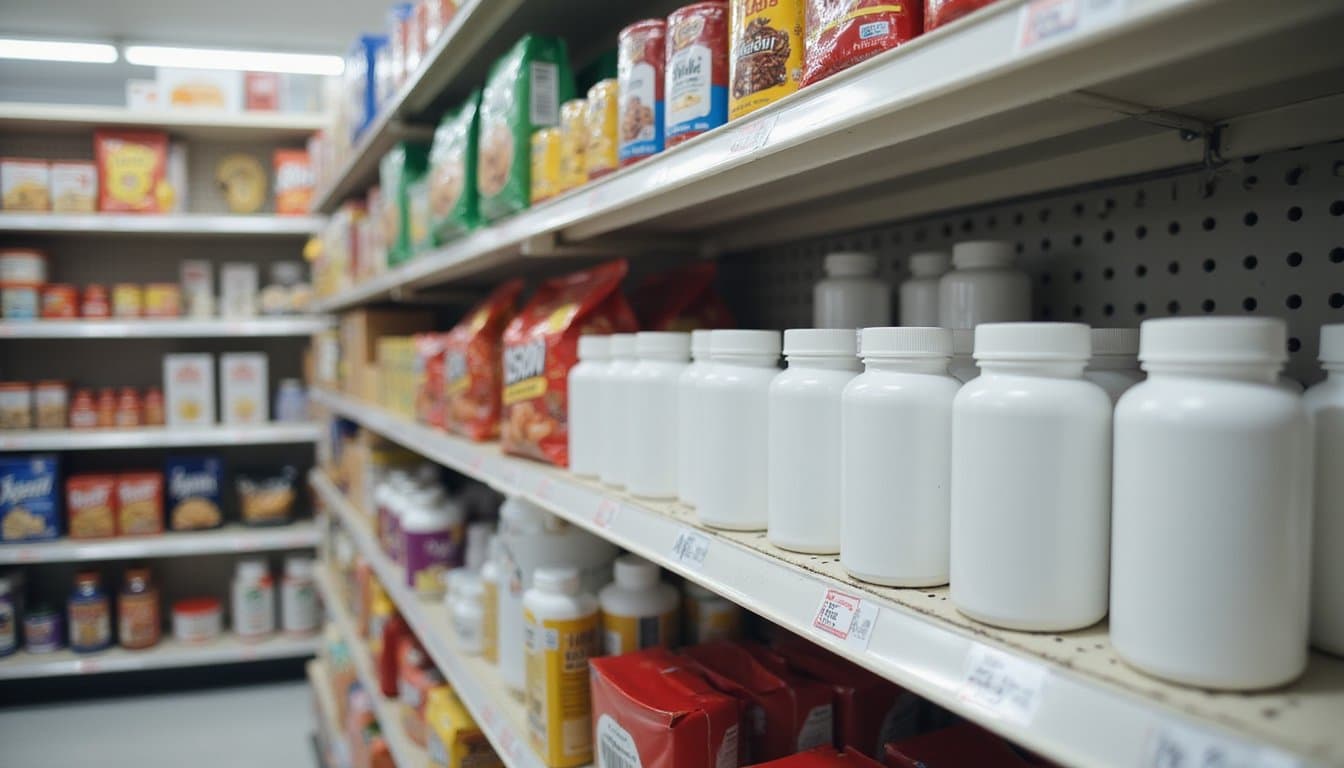
Gas station mood pills often contain undisclosed substances like tianeptine, kratom, and phenibut, compounds that activate opioid receptors, depress your central nervous system, and reshape your brain’s baseline chemistry. You won’t always find these ingredients on the label, and combining them can amplify neurological harm beyond what any single substance produces. Tianeptine alone has earned the nickname “gas station heroin” due to its clinically comparable dependence and withdrawal profile. Understanding mood enhancement pills sold in gas stations and what’s behind the bright packaging can help you protect yourself.
What’s Actually Inside Gas Station Mood Pills?

When you grab a mood pill from the counter of a gas station or smoke shop, you’re unlikely to find a straightforward list of well-studied ingredients on the label. Many mood enhancement pills gas stations carry contain substances like kratom, which triggers opioid-like responses, or phenibut, a central nervous system depressant linked to addiction and life-threatening hospitalizations. These products often contain undisclosed ingredients that consumers have no way of verifying before ingestion. Many consumers may not realize that supplements sold at gas stations are not subjected to the same rigorous testing as those from reputable health stores. As a result, individuals could be putting their health at risk by using these products without understanding their potential side effects. It’s crucial to prioritize transparency and safety when considering any mood enhancement options.
Convenience store mood pills often fall under the Dietary Supplement Health and Education Act of 1994, bypassing FDA approval. This means the actual contents aren’t guaranteed. Mood booster supplements retail packaging uses bright colors and misleading claims to suggest safety. Products like Phrenze combine kava extract with phenibut, producing opioid-like effects that carry overdose and dependency risks with repeated use. Some products also contain tianeptine, an unapproved antidepressant that earned the nickname “gas station heroin” because it binds to opioid receptors in the brain similarly to heroin and morphine. Before taking any of these products, consumers should consult a healthcare provider to understand the potential risks associated with the specific ingredients involved.
Why Tianeptine Is Called “Gas Station Heroin”
When you take tianeptine at high doses, it binds to the brain’s mu-opioid receptors in the same way heroin, morphine, and fentanyl do, producing euphoria, pain relief, and sedation rather than functioning as a traditional antidepressant. This opioid receptor activation is precisely why the substance has earned the nickname “gas station heroin”, it’s sold openly at convenience stores and smoke shops yet carries addiction and withdrawal risks comparable to prescription opioids. Because recreational doses can range from 50 mg to 10,000 mg daily, up to 250 times the recommended therapeutic dose, you’re exposing yourself to significant neurological and physiological harm with each use.
Opioid-Like Effects Explained
Tianeptine binds directly to mu opioid receptors in the brain, acting as an agonist at the same sites targeted by heroin and morphine, which is precisely why products containing it have earned the nickname “gas station heroin.” At high recreational doses, tianeptine also increases serotonin uptake to the brain, producing euphoric sensations that reinforce repeated use.
Because these products are marketed as dietary supplements, you may perceive them as safe. However, recreational daily doses can reach 3,000mg, up to 250 times the therapeutic dose used in foreign medical contexts. At these levels, you face acute risks including respiratory depression, seizures, rapid or irregular heart rate, confusion, and coma. Dependence develops quickly, and withdrawal mirrors opioid discontinuation, involving agitation, nausea, chills, muscle pain, and intense cravings.
Dangerous Heroin Nickname Origins
The nickname “gas station heroin” emerged because tianeptine products are sold openly in gas stations, convenience stores, and smoke shops, retail settings where you’d expect to find energy drinks or herbal supplements, not a synthetic opioid agonist.
The “heroin” component references tianeptine’s pharmacological action on mu-opioid receptors, the same brain pathways activated by heroin and morphine. At high doses, tianeptine produces opioid-like euphoria, dependence, and withdrawal symptoms clinically comparable to traditional opioids. The FDA acknowledges this nickname specifically because it captures two critical risk factors: unregulated retail accessibility and genuine opioid mimicry.
You won’t need a dealer or prescription to obtain these products. They’re sold under brand names like ZaZa Red, Tianaa, and Neptune’s Fix, often labeled as dietary supplements or nootropics, bypassing pharmaceutical oversight entirely.
What Tianeptine, Kratom, and Phenibut Do to Your Body

When you take tianeptine, kratom, or phenibut, each substance activates specific receptor systems in your brain, including opioid, adrenergic, and GABAergic pathways, that alter neurotransmission in ways your body wasn’t designed to sustain long-term. Repeated use can lead to physiological dependence, meaning your nervous system adapts to the substance’s presence and produces withdrawal symptoms that range from severe anxiety to seizures when you stop. Understanding how these compounds interact with your neurochemistry is essential for recognizing the health dangers they pose, even when they’re sold as harmless supplements.
How They Affect Receptors
Each of these substances, tianeptine, kratom, and phenibut, interacts with distinct receptor systems in the brain, producing effects that can feel calming, mood-lifting, or even euphoric depending on the dose. Understanding these mechanisms helps clarify why repeated use carries risk.
- Tianeptine enhances serotonin reuptake rather than blocking it, modulates AMPA and NMDA glutamate receptors, and increases BDNF expression, affecting neuroplasticity and stress response pathways.
- Kratom activates mu-, delta-, and kappa-opioid receptors, influences dopamine release, and inhibits cytochrome P450 enzymes, altering how your body metabolizes other substances.
- Phenibut binds GABAB receptors and blocks voltage-gated calcium channels, reducing glutamate release and producing anxiolytic effects.
Because these compounds target overlapping neurotransmitter systems, combining them, or using them frequently, may amplify neurochemical disruption beyond what you’d anticipate from any single substance.
Withdrawal and Health Dangers
Repeated activation of these receptor systems doesn’t just alter how you feel in the moment, it reshapes your brain’s baseline chemistry, and that’s where withdrawal and lasting health dangers begin.
Tianeptine builds rapid tolerance, often within days, and withdrawal mirrors opioid cessation, severe nausea, muscle pain, panic attacks, and suicidal ideation starting just hours after your last dose. It’s also linked to seizures, arrhythmias, and death.
Kratom withdrawal produces abdominal cramping, insomnia, aggression, and possible psychosis. Poison center data identifies seizures as its most frequent serious complication, alongside intrahepatic cholestasis.
Phenibut withdrawal is potentially life-threatening. You may experience tremors, hallucinations, and seizures within hours to days, with symptoms persisting up to 24 weeks. Medical detox is strongly recommended, as abrupt cessation carries seizure risk comparable to benzodiazepine or alcohol withdrawal.
How the Supplement Loophole Keeps Tianeptine Legal
Despite the FDA’s position that tianeptine isn’t approved for any medical use in the United States, the substance remains legally available in most states, largely because of a regulatory gap created by the Dietary Supplement Health and Education Act (DSHEA) of 1994.
Under DSHEA, supplements don’t require pre-market approval or product registration with the FDA. This means companies can market tianeptine as a dietary supplement despite its opioid-like effects. Key factors sustaining this loophole include:
- No mandatory supplement registry exists, preventing the FDA from tracking products entering the market.
- Tianeptine remains legal in 43 states, with only Alabama, Georgia, Michigan, Minnesota, Tennessee, and Ohio enacting bans.
- FDA enforcement tools, warning letters, seizures, import alerts, lack sufficient deterrence, as companies frequently disregard warnings without consistent follow-up action.
Signs of Addiction to Gas Station Mood Pills

Recognizing addiction to gas station mood pills can be difficult because these products don’t carry the same stigma as illicit drugs, yet the behavioral patterns often mirror those seen in opioid use disorders. addiction concerns with energy drinks have also been rising in recent years, as many individuals turn to these beverages for a quick boost in energy or focus. The excessive intake can lead to similar dependency issues, where users find it increasingly difficult to function without them. This growing trend raises questions about the long-term effects of such consumption on mental and physical health, warranting a closer look at regulation and public awareness.
| Behavioral Signs | Physical Withdrawal | Psychological Withdrawal |
|---|---|---|
| Compulsive use despite negative consequences | Severe anxiety and panic attacks | Intense depression and suicidal thoughts |
| Frequent trips to multiple stores | Nausea, vomiting, and diarrhea | Intense cravings blocking other thoughts |
| Excessive spending on the substance | Muscle aches and joint pain | Anhedonia and loss of pleasure |
You may also notice social withdrawal, secretive behavior, and neglected responsibilities. If you’re experiencing tolerance escalation, needing increasing amounts daily, this signals a clinically significant dependence requiring professional evaluation.
How to Spot Tianeptine on a Supplement Label
Because tianeptine doesn’t always appear by name on product packaging, identifying it requires careful inspection of labels, chemical identifiers, and marketing cues. After FDA warnings, some manufacturers removed the word “tianeptine” from labels while retaining the substance itself. You should scrutinize supplement facts panels for variants like tianeptine sodium or tianeptine sulfate and cross-reference brand names such as Tianaa Red, Za Za, or Pegasus.
Watch for these key warning signs:
- Claims to treat anxiety, depression, pain, or opioid use disorder, which indicate drug-level activity rather than legitimate supplement function.
- Phrases like “not for human consumption” or “for research purposes only”, which circumvent regulatory oversight.
- Vibrant packaging sold at gas stations alongside energy drinks, with brain-enhancement marketing language.
You can verify products against the FDA’s adulterated supplements list.
Safer Alternatives to Gas Station Mood Pills
Once you’ve learned to identify risky ingredients on supplement labels, the next step is knowing what evidence-based options exist for supporting mood without the dangers tied to unregulated gas station products.
Several nutrients show clinical promise for mood support. B vitamins, particularly B6, B12, and folate, aid neurotransmitter synthesis essential for serotonin and dopamine production. Omega-3 fatty acids from seafood serve as signaling molecules linked to reduced depression risk.
Amino acid precursors like 5-HTP and L-theanine influence serotonin and dopamine levels with fewer safety concerns than synthetic compounds. Adaptogens such as ashwagandha can lower cortisol and stress-related irritability.
You should consult a healthcare provider before starting any supplement, as interactions with medications, particularly with St. John’s Wort, remain a documented risk. Evidence-based choices don’t require a gas station purchase. Many people may be tempted to try unregulated supplements in gas stations due to their convenience and low prices. However, these products often lack quality control and can contain harmful ingredients or inaccurate dosing. Prioritizing safety and efficacy should always be the main goal when considering any supplement option.
Support Is Just One Call Away
Gas station drugs can be just as addictive and dangerous as illegal substances. At Miami Outpatient Detox, we connect individuals with licensed detox centers offering a full range of Detox Programs to help you take the first step toward recovery. Call (786) 228-8884 today and let us guide you toward the right care.
Frequently Asked Questions
Can Gas Station Mood Pills Show up on a Standard Drug Test?
Most gas station mood pills won’t show up on a standard 5-panel or 10-panel drug test. If you’re using products containing tianeptine, for example, you should know it falls outside the categories these tests screen for. However, specialized single-panel tests can detect tianeptine if specifically requested. You shouldn’t assume a negative result means you’re free of risk, detection gaps don’t eliminate potential health consequences from these products.
Are Gas Station Mood Pills Safe to Take With Prescription Medications?
You shouldn’t assume they’re safe to combine with prescriptions. Many gas station mood pills contain undisclosed ingredients like tianeptine, phenibut, or hidden sildenafil that interact dangerously with prescription medications. Phenibut can amplify anti-anxiety drugs, tianeptine poses risks with opioid-related medications, and hidden sildenafil can cause severe blood pressure drops alongside heart or blood pressure prescriptions. Since labels frequently misrepresent actual contents, you can’t reliably assess interaction risks. Always consult your prescriber first.
What Should You Do if Someone Overdoses on Gas Station Mood Pills?
Call 911 immediately if you suspect an overdose. While waiting, monitor the person’s breathing and pulse, and don’t leave them alone. If they’re vomiting, position them on their side to prevent choking. You’ll want to save any packaging, like ZaZa or Tianna brands, so responders can identify the substance. Some gas station mood pills contain tianeptine, which can cause respiratory depression, seizures, and loss of consciousness requiring emergency medical intervention.
Do Gas Station Mood Pills Affect Your Ability to Drive Safely?
Yes, gas station mood pills can seriously impair your driving ability. Products containing tianeptine act on opioid receptors, causing drowsiness, confusion, and slowed reaction times that mirror narcotic intoxication. You may also experience seizures, dizziness from blood pressure fluctuations, or respiratory depression, all of which compromise vehicle control. If you’re dependent, withdrawal symptoms like trembling, nausea, and impaired focus create additional hazards. You shouldn’t drive after consuming these products.
Can You Buy Gas Station Mood Pills if You Are Under Eighteen?
You can often purchase many gas station mood pills if you’re under eighteen because no federal age restrictions exist for most of these products, and enforcement of age limits varies widely among retailers. However, some substances carry a minimum purchase age of 21, though compliance isn’t consistent. You should know that adolescents face heightened risks of addiction and adverse effects from these products due to still-developing brain chemistry.