





Alcohol addiction is a family disease because its effects don’t stop with the person drinking they ripple outward to touch everyone you love. You might carry guilt, financial strain, or fractured trust, while children face higher rates of depression and anxiety. Over time, your family develops roles and rules around the drinking that can unintentionally sustain it. But recovery holds best when you heal together. Here’s how your family can start finding support.
Key Takeaways
- Addiction is a “family disease” because its effects ripple outward, touching every family member and reshaping roles, rules, and interactions.
- One person’s drinking can cause financial strain, frequent conflict, damaged relationships, and neglected children whose health and happiness suffer.
- Family members often carry guilt, though the “3 C’s” affirm addiction wasn’t caused, can’t be controlled, and can’t be cured.
- Well-meaning enabling behaviors covering for missed work, paying debts, smoothing conflicts shield loved ones from consequences and sustain the addiction cycle.
- Recovery works best when families heal together through therapy, self-help groups, and treatment programs that include family support.
What does it mean that addiction is a family disease
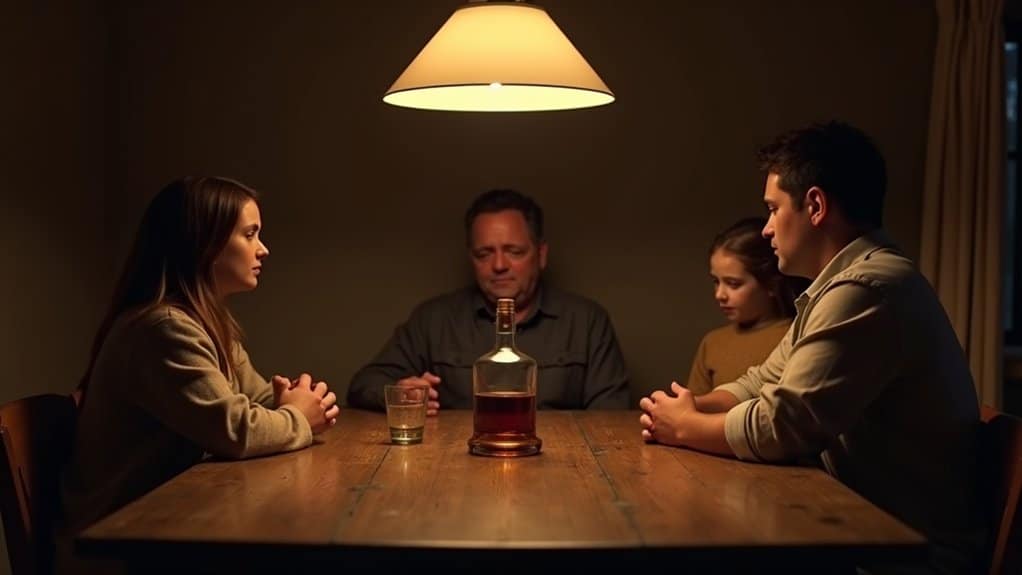
Addiction is a family disease because its effects don’t stop with the person who struggles with alcohol use disorder. They ripple outward to touch every person in the family. That’s why mental health professionals call it a “family disease.” Alcohol use disorder can affect the entire family, changing relationships, responsibilities, communication, and emotional wellbeing. Family dynamics may influence how everyone responds to the problem, but no single family member causes another person’s addiction.
As you cope, your family likely adopts specific roles, rules, and interactional patterns around the drinking. Over time, these become destructive to everyone’s individual development. The dysfunction mirrors the disease itself, often passing from one generation to the next.
Understanding this matters. You can’t fully grasp how addiction develops, persists, or responds to treatment without factoring in the family. Your whole system shapes the disease, and your system can support lasting recovery.
How does one person’s drinking affect the whole family
One person’s drinking affects the whole family by creating financial strain, frequent conflict, and damaged relationships. When someone you love misuses alcohol, the effects ripple through your entire family. You might watch the household budget disappear, straining everyone financially. Fights become frequent, wedges form between you, and relationships you once relied on start crumbling. If you’re a child in this home, you may feel ignored, and your health and happiness suffer as a result.
You’re also more likely to experience depression, anxiety, domestic abuse, and trauma. Even if you never develop an addiction yourself, you face higher risks for behavioral and developmental disorders.
Often, you’ll adapt in unhealthy ways, taking on codependent or enabling roles that unintentionally worsen the drinking. The disease doesn’t stay contained to one person. It reshapes everyone around it.
What emotional and relational toll it takes

Living with someone’s addiction takes a heavy emotional and relational toll that can settle into every corner of your life. You might carry guilt, convinced you caused the drinking or could somehow control it, but the “3 C’s” remind you that you didn’t cause it, can’t control it, and can’t cure it. If you’re a child in this system, you face higher rates of depression and anxiety than your peers. Relationships fracture as drinking drives wedges between you, sparking frequent fights and eroding trust. You may find yourself ignored, unseen, or exposed to trauma and abuse. Over time, you adapt in ways that feel necessary but quietly harm your own development. Recognizing this toll isn’t blame, it’s the first step toward healing alongside the person you love.
How family dynamics can unintentionally sustain addiction
Family dynamics can unintentionally sustain addiction when well-meaning actions shield a loved one from the consequences that might otherwise prompt change. Covering for missed work, paying off debts, or smoothing over conflicts feels like love, but these enabling behaviors quietly perpetuate the cycle.
Family systems often adopt rigid roles and unspoken rules around drinking. You might become the caretaker, the peacemaker, or the one who pretends everything’s fine. Each role stabilizes the family in the short term while reinforcing the addiction long-term.
Codependency develops when your identity centers on managing someone else’s disease. Recognizing these patterns isn’t about blame. It’s about understanding how the system works, so you can start changing your part in it.
Why recovery often works best when the family is involved

Family involvement can strengthen recovery when it is appropriate and healthy. Family counseling, education, and support groups can help improve communication, establish healthier boundaries, and support long-term recovery while also addressing the needs of affected family members. Recovery tends to hold when that same system heals alongside the individual. When you take part, you help motivate your loved one to seek treatment and stay accountable. Families who heal together, rather than in isolation, show substantial improvements in functioning once recovery begins.
| Family Contribution | Recovery Benefit |
|---|---|
| Encouraging treatment | Initiates lasting change |
| Attending therapy | Repairs damaged relationships |
| Joining self-help groups | Provides shared support |
| Replacing enabling roles | Breaks the addiction cycle |
| Maintaining accountability | Sustains long-term progress |
You don’t have to carry this alone. By treating recovery as a lifelong journey you all share, you rebuild trust, restore healthier patterns, and give everyone a real chance to thrive.
What resources and support exist for families
Families affected by addiction have access to therapy, self-help groups, and treatment programs that offer real relief for every family member, not just the person who drinks. You’ll find support groups designed specifically for spouses, children, and loved ones, where you can share experiences and learn healthier patterns. Treatment programs that include family support let you heal together rather than in isolation, addressing the systemic roots of dysfunction.
You don’t have to carry guilt about causing or controlling the addiction, remember the “3 C’s.” Professional counselors can help you understand your role in the family system and break codependent or enabling behaviors. These resources give you accountability, hope, and a path forward toward lasting recovery.
How Miami Outpatient Detox connects families to treatment and support
Miami Outpatient Detox connects families to treatment that addresses addiction as the family disease it is. You won’t navigate recovery in isolation. Because addiction flourishes within family systems, their approach factors your whole family into understanding how the disease develops, persists, and ultimately heals.
You’ll access therapy and support groups designed for everyone affected, not just the individual with AUD. This matters, since families show substantial improvements when recovery takes hold. You’ll learn to replace enabling and codependent patterns with accountability, breaking the cycle that transmits dysfunction across generations.
They’ll also help you motivate your loved one toward treatment, because your involvement genuinely influences their willingness to change. Together, you’ll heal, supporting one another throughout this lifelong journey.
Support Your Family Through Alcohol Recovery in Miami
Alcohol addiction can affect relationships, finances, communication, and emotional wellbeing across the entire family. Miami Outpatient Detox can help individuals and families explore alcohol detox, outpatient detox, family support, therapy, and ongoing addiction treatment based on their needs. Verify your insurance to review potential coverage, or call +1 (786) 228-8884 to discuss available treatment and recovery options in Miami.
Frequently Asked Questions
How Long Does Alcohol Addiction Recovery Typically Take?
You won’t find a fixed timeline, because recovery’s a lifelong journey rather than a quick fix. Alcohol addiction is chronic and progressive, so you’ll work through ongoing stages of healing, not a single endpoint. You can expect meaningful improvements as you and your family engage in therapy and support groups together. By staying accountable and supporting each other, you’ll strengthen recovery over time while maintaining hope, patience, and lasting connection.
Can Genetic Testing Predict My Risk for Alcohol Addiction?
Genetic testing can offer clues, but it can’t give you a definitive answer. Researchers have identified more than 400 genetic locations and at least 566 variants linked to alcohol misuse, and genetics account for roughly half your risk. The rest comes from your environment and life experiences. So while a family history might mean you’re predisposed, you’re never destined. Knowing your risk helps you make informed, protective choices moving forward.
What Are the Early Warning Signs of Alcohol Use Disorder?
You’ll notice warning signs like drinking more than intended, needing increasing amounts to feel effects, or struggling to cut back despite trying. Watch for neglected responsibilities, frequent fights over drinking, or blowing through the family budget. You might see someone ignoring loved ones, hiding their use, or drinking to cope with stress. Since this affects your whole family, trust what you’re observing and reach out for support early.
Is Medication Available to Help Treat Alcohol Addiction?
Yes, medication can help treat alcohol addiction, and it’s often most effective when combined with therapy and family support. Since addiction affects your whole family system, healing works best when everyone’s involved. Talk with a healthcare provider about your options they’ll help you find what fits your situation. Remember, recovery’s a lifelong journey, and you don’t have to walk it alone. Medication’s just one tool that can support lasting, meaningful change.
How Can I Set Healthy Boundaries Without Enabling My Loved One?
Start by remembering the “3 C’s” you didn’t cause it, can’t control it, and can’t cure it. Stop covering financial consequences or making excuses, since these enabling behaviors perpetuate the cycle. Instead, clearly state what you’ll accept and follow through consistently. You can offer support toward treatment while refusing to protect your loved one from natural consequences. Consider therapy or self-help groups to help you maintain accountability without sacrificing your own wellbeing.