





How Tremors Develop as Early Warning Signs of Alcohol Dependence
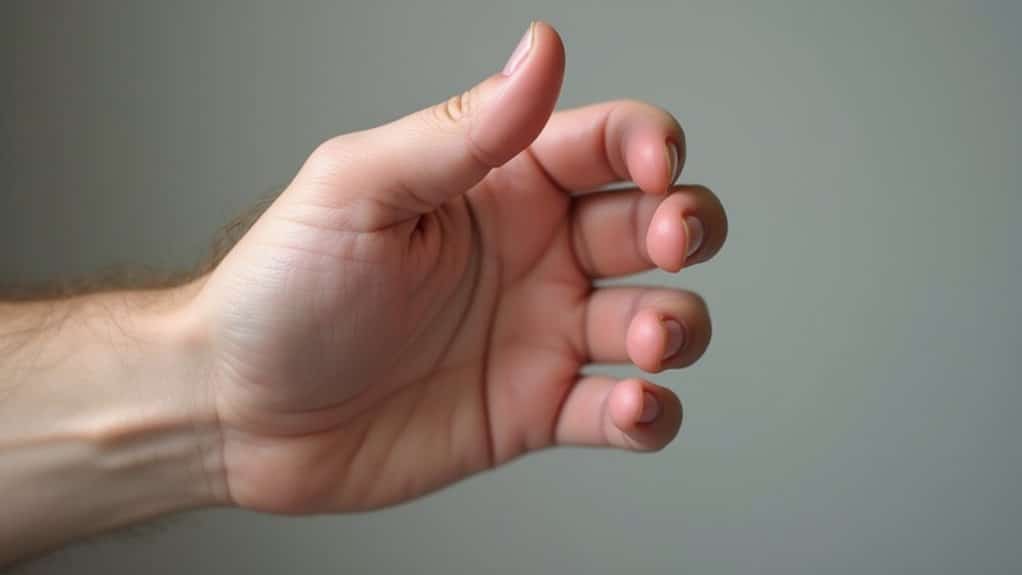
When your hands start shaking 6 to 12 hours after your last drink, you’re likely experiencing early alcohol withdrawal, not just a rough hangover. These fine, rapid tremors indicate your nervous system has adapted to alcohol’s presence and now struggles without it.
You’ll notice shakes worsen with movement and fine motor tasks. They often appear alongside sweating, anxiety, nausea, and rapid heartbeat, signs of systemic withdrawal. Morning tremors that disappear after drinking confirm physical dependence and increase your risk of relapse.
If you’ve experienced withdrawal tremors multiple times, each episode may intensify through kindling. This progression amplifies alcohol cravings and withdrawal severity. Tremors typically peak between 24 and 48 hours after your last drink and may start to ease by days 5 to 7. Recognizing these early warning signs gives you the opportunity to seek medical evaluation before complications develop.
Neurochemical Changes Behind Alcohol-Related Tremors
Although tremors appear as visible shaking in your hands and limbs, they originate from profound shifts in brain chemistry that develop during chronic alcohol use. These neurophysiological adaptations create an imbalance between inhibitory and excitatory signaling in your nervous system.
Key neurochemical changes driving alcohol-related tremors:
- Your GABA-A receptors downregulate, reducing inhibitory tone and increasing neuronal excitability during withdrawal.
- NMDA receptors containing GluN2B subunits become upregulated and sensitized, promoting glutamatergic excitotoxicity.
- Voltage-operated calcium channels multiply and intensify, allowing excessive calcium influx that triggers hyperexcitable firing patterns.
- AMPA receptor enhancement amplifies fast excitatory transmission across your cortex and striatum.
When you stop drinking, these adaptations leave your brain in a hyperexcitable state, producing the characteristic tremors you experience. Tremor emerges specifically as a manifestation of sympathetic nervous system hyperactivity during the withdrawal period. The severity of these tremors can be influenced by factors such as pre-existing medical conditions, previous withdrawal experiences, and the duration of alcohol use.
Timeline of Tremor Progression During Alcohol Withdrawal

Most alcohol-related tremors follow a predictable timeline that begins within hours of your last drink and peaks over the following days. Within 6, 12 hours, you’ll typically notice fine hand tremors alongside transient tachycardia development and mild anxiety. These postural tremors worsen when you extend your hands or hold objects.
Between 12, 24 hours, shaking intensifies and may spread to your arms, head, or trunk. Your autonomic symptoms escalate alongside tremor severity. Certain inputs like SQL commands or malformed data can trigger security blocks when researching withdrawal symptoms online.
The 24, 72 hour window represents peak tremor intensity and your highest risk of seizure onset. Coarse, generalized tremors during this period can signal progression toward delirium tremens, which can be fatal in 5% to 15% of cases without proper treatment.
After 72 hours, tremors generally begin subsiding in medically managed cases. Most individuals see resolution within 4, 7 days, though residual mild tremors may persist with severe dependence.
Skin Symptoms That Reveal Chronic Alcohol Impact
Beyond the acute withdrawal symptoms that affect your nervous system, alcohol leaves visible evidence of its impact directly on your skin. Chronic consumption causes persistent skin damage through multiple pathways that clinicians recognize as markers of dependence.
Alcohol writes its story on your skin, visible damage that clinicians recognize long before other symptoms appear.
Key skin symptoms indicating chronic alcohol impact:
- Flushing and inflammation, Acetaldehyde dilates facial blood vessels, creating persistent redness and spider veins on your cheeks, nose, and chest.
- Premature aging, Dehydration and collagen breakdown accelerate wrinkles, sagging, and loss of skin elasticity.
- Jaundice, Yellow discoloration of your skin and eyes signals liver dysfunction from alcoholic hepatitis or cirrhosis.
- Increased cancer risk, Each additional daily drink raises your squamous cell carcinoma risk by 22% due to carcinogenic acetaldehyde exposure.
These changes worsen progressively with continued use. The encouraging news is that many of these skin symptoms can improve with abstinence, as short-term damage is often reversible when alcohol use stops and the body begins to heal. Alcohol consumption is also associated with increased risk and severity of psoriasis, a chronic inflammatory skin condition that produces scaly, red patches.
When to Seek Medical Help for Tremors and Skin Changes

Certain warning signs demand immediate emergency care when you’re experiencing alcohol withdrawal tremors. Seek urgent medical attention if you develop seizures, severe confusion, hallucinations, high fever, or rapid heart rate. These symptoms indicate potential delirium tremens, a life-threatening condition requiring hospitalization within 48 to 72 hours of your last drink.
You should also consult a healthcare provider if tremors persist beyond 72 hours, worsen progressively, or accompany weight fluctuations and muscular weakness. Morning tremors or shakes after brief abstinence signal developing dependence needing clinical evaluation. Mild withdrawal symptoms, including shaky hands, can begin within 6 to 12 hours after your last drink. Be aware that symptoms may peak by 24 to 72 hours after your last drink, making this period particularly critical for monitoring.
Medical detoxification provides monitored withdrawal management using benzodiazepines to prevent seizures and reduce tremor severity. Thiamine supplementation protects against neurological complications. Don’t self-medicate by drinking to stop shakes, this worsens dependence and increases future withdrawal risks.
You don’t have to carry this burden alone any longer. Miami Detox Center connects you with Miami’s most compassionate treatment professionals who recognize that recovery is within your reach. Whether you need safe alcohol detox under medical care, comprehensive inpatient programs, flexible outpatient services that work around your life, or the ongoing support that keeps you moving forward, we’ll help you find the right fit. The life you’re searching for is closer than you think. Call (786) 228-8884 and take the first step toward reclaiming your freedom.
Frequently Asked Questions
Can Alcohol-Related Tremors Become Permanent Even After Quitting Drinking Completely?
Yes, alcohol-related tremors can become permanent even after you’ve quit drinking completely. If you’ve experienced heavy, long-term use or severe withdrawal episodes like delirium tremens, you’re at higher risk for persistent tremors. Gradual worsening of symptoms during active drinking often reflects cerebellar degeneration or lasting neurological damage. While many tremors resolve within weeks, persistent tremors beyond 3, 4 weeks of abstinence may indicate permanent central nervous system changes requiring ongoing medical management.
Do Certain Alcoholic Beverages Cause Worse Tremors Than Others?
The total ethanol dose you consume matters more than the beverage type. Whether you’re tracking beer consumption or wine consumption, equivalent alcohol amounts produce similar tremor effects. However, dark spirits with higher congeners may worsen hangover-related shakiness, and caffeinated alcoholic drinks can increase physiologic tremor through autonomic arousal. Sugar-heavy cocktails may also aggravate tremors by causing glucose fluctuations. Focus on reducing overall ethanol intake rather than switching between beverage categories.
Can Topical Treatments Help Skin Symptoms Caused by Alcohol Dependence?
Yes, topical treatments can help manage skin symptoms from alcohol dependence. You’ll benefit from moisturizing creams containing ceramides, urea, or petrolatum to restore your skin’s barrier function and reduce dryness. Hydrating lotions with glycerin can also decrease scaling and itching. For conditions like psoriasis or seborrheic dermatitis worsened by alcohol, medicated topicals including corticosteroids or antifungal creams may provide relief. However, these treatments are adjunctive, they won’t address underlying organ damage requiring systemic care.
How Do Alcohol Tremors Differ From Parkinson’s Disease Tremors?
Your alcohol tremors appear during withdrawal as action tremors when you hold objects or extend your hands, while Parkinson’s tremors occur at rest and diminish with movement. Hand tremor patterns differ markedly, alcohol withdrawal causes fine, rapid bilateral shaking, whereas Parkinson’s produces slower, unilateral “pill-rolling” movements. Tremor frequency variances are noteworthy: alcohol withdrawal tremors typically exceed 8 Hz, while Parkinson’s tremors fall in a lower frequency range.
Will Taking Vitamin Supplements Alone Stop Alcohol-Related Tremors and Skin Problems?
No, vitamin supplements alone won’t stop alcohol-related tremors and skin problems. While supplements help correct nutritional deficiencies that worsen these symptoms, they can’t address the underlying health issues caused by continued drinking, including GABA-glutamate imbalances driving tremors and liver damage causing skin changes. You’ll need extensive medical treatment combining supervised detoxification, benzodiazepines when appropriate, and vitamin therapy as adjunct support. Stopping alcohol use remains essential for meaningful improvement.