



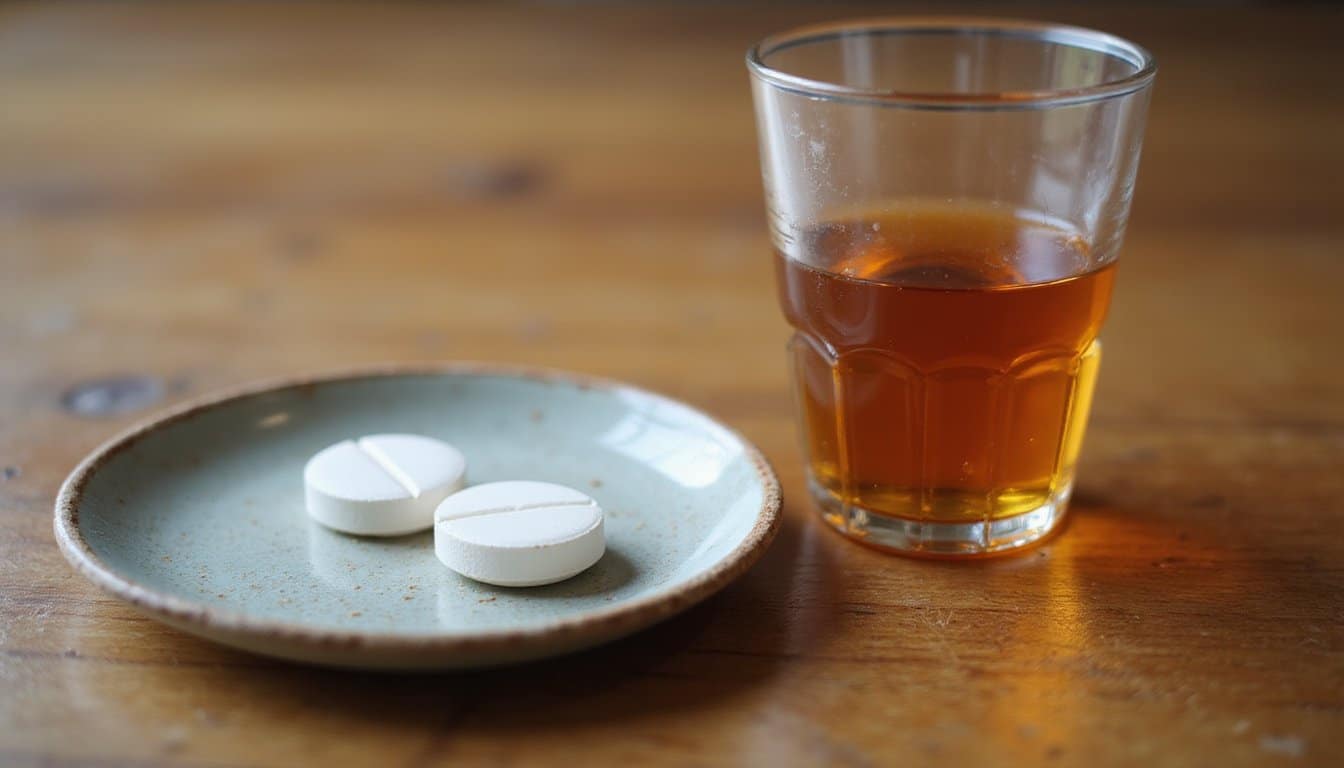
Antabuse (disulfiram) is an FDA-approved medication that deters drinking by blocking your body’s ability to metabolize alcohol. If you consume alcohol while taking it, you’ll experience uncomfortable symptoms like flushing, nausea, and rapid heartbeat within minutes. You’re an ideal candidate if you’ve completed detox, you’re motivated for total abstinence, and you can commit to daily dosing with supervision. Understanding how this medication affects your daily life will help you succeed. disulfiram effects on alcohol dependency can be profound, as many patients report significant changes in their cravings and behaviors. It’s essential to monitor these effects closely and communicate with your healthcare provider to ensure the best outcomes. Engaging in support groups can also enhance your journey towards recovery, providing a network of encouragement alongside the medication.
What Is Antabuse and How Does It Work?
Disulfiram works by disrupting your body’s natural alcohol metabolism process. Normally, your liver uses alcohol dehydrogenase to convert ethanol into acetaldehyde, a toxic intermediate. Then, aldehyde dehydrogenase transforms acetaldehyde into harmless acetic acid.
Disulfiram’s mechanism of action involves irreversibly inhibiting aldehyde dehydrogenase, blocking the second step of alcohol metabolism. When you consume alcohol while taking this FDA approved medication, acetaldehyde accumulates rapidly in your bloodstream, causing intensely unpleasant symptoms. The drug and its metabolites can continue inhibiting ALDH for up to two weeks after you stop taking it, which means you must avoid alcohol well beyond your last dose. It’s important to note that disulfiram does not speed up how quickly your body eliminates alcohol already in your system.
This aversive therapy approach makes disulfiram effective for treating alcohol use disorder. Rather than reducing cravings, it creates a powerful deterrent through physical discomfort. The accumulation of acetaldehyde triggers reactions including facial flushing, nausea, vomiting, and pounding headaches. The medication specifically targets ALDH2, the mitochondrial form of the enzyme, ensuring acetaldehyde can’t be cleared efficiently. This biochemical intervention supports your commitment to abstinence.
The Disulfiram-Alcohol Reaction: What Happens If You Drink
Understanding the biochemistry behind aldehyde dehydrogenase inhibition helps explain why drinking while taking this medication produces such severe consequences. When you consume alcohol, disulfiram blocks normal alcohol metabolism, causing rapid acetaldehyde accumulation in your bloodstream. This triggers toxic effects within 10-30 minutes of ingestion.
The disulfiram-alcohol reaction produces unpleasant symptoms including facial flushing, throbbing headache, nausea, vomiting, and sweating. Your sensitivity to alcohol remains heightened for up to 14 days after your last dose. Before starting treatment, you must ensure you have not consumed alcohol for at least 24 hours.
Severe symptoms can include chest pain, rapid heartbeat, hypotension, and troubled breathing. In extreme cases, the reaction becomes potentially life-threatening, causing convulsions, coma, or cardiac events. The onset and duration vary by individual, with common symptoms lasting 30-60 minutes, though effects may persist longer. You should also avoid alcohol-containing products that contact your skin, such as certain lotions and aftershaves, as these can also trigger a reaction.
Foods, Products, and Medications to Avoid on Antabuse
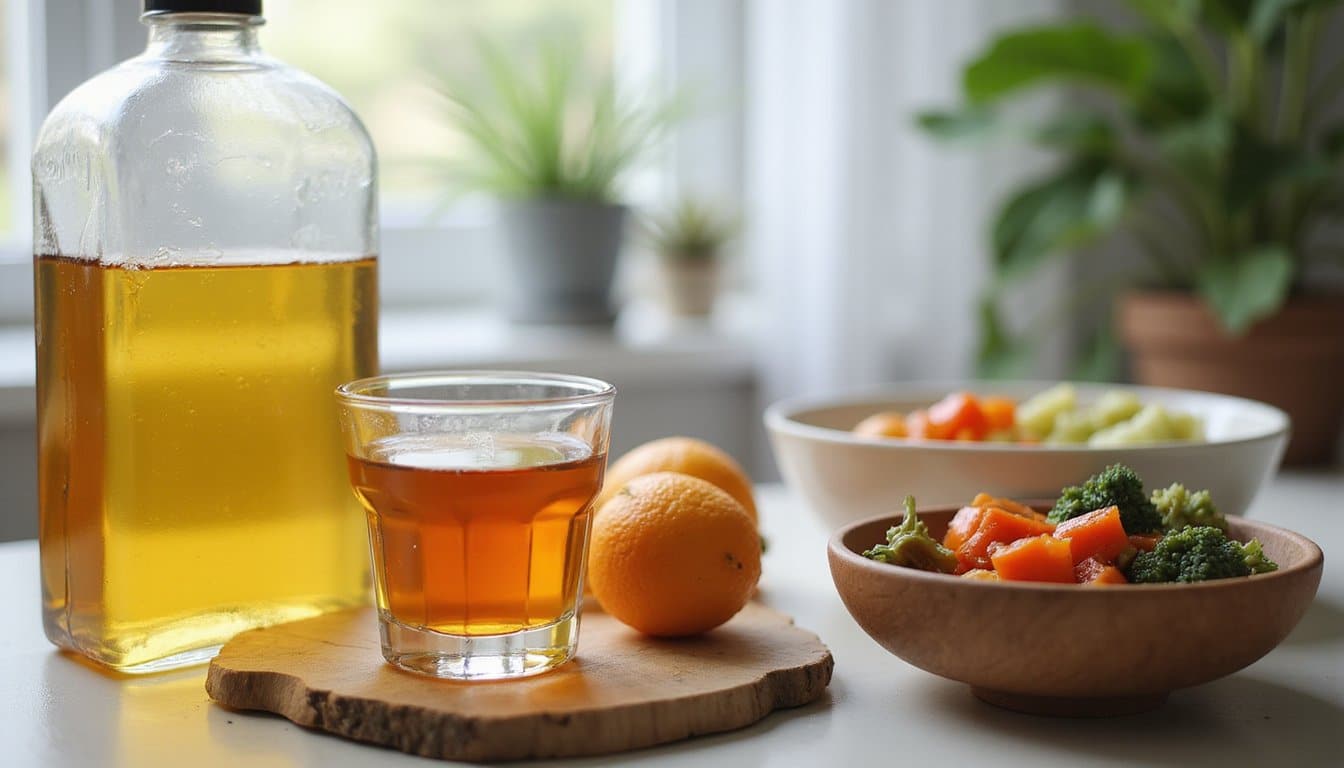
Taking disulfiram requires careful attention to hidden alcohol sources in everyday foods, beverages, and medications that can trigger severe reactions.
Hidden alcohol lurks in everyday products, from fermented foods to mouthwash, making vigilance essential for anyone taking disulfiram.
As an alcohol antagonist drug, Antabuse reacts with even trace amounts of alcohol found in fermented foods like sauerkraut, kimchi, and kombucha. You must avoid vinegar-based products, alcohol-containing sauces, and desserts made with rum or brandy. Overripe fruits can also contain enough alcohol to cause unpleasant side effects. It is particularly important to avoid certain types of vinegar, especially wine vinegar, which may contain alcohol.
Beyond food, patients treating alcohol use disorders should avoid mouthwashes, cough syrups, and topical products containing ethanol. Certain medications interact with disulfiram, including phenytoin and oral blood thinners. Consuming foods that interact with Antabuse can cause symptoms including flushing, nausea, and palpitations. When dining out, it’s essential to ask about ingredients since many restaurant dishes include alcohol-based marinades that may not be obvious on the menu.
For ideal effectiveness in managing AUD, you’ll need adequate supervision during self-administration. Research all products beforehand and maintain complete abstinence from alcohol 12 hours before starting treatment and 14 days after your last dose.
Is Antabuse Right for You? Ideal Candidates and Contraindications
Determining whether Antabuse is appropriate for you requires an honest assessment of your medical history, commitment level, and treatment goals. You’re likely a good candidate if you’ve completed detoxification, remain motivated for total abstinence, and can adhere to daily medication schedules with adequate supervision. Treatment typically begins with 500 mg daily for the first one to two weeks before transitioning to a lower maintenance dose. However, certain medical conditions, including advanced liver disease, severe heart problems, and pregnancy, may disqualify you from safely using this medication. It’s worth noting that physicians typically recommend naltrexone or acamprosate as first-line treatments before considering Antabuse due to the severe physiological reactions that occur when alcohol is consumed while taking it. Individuals who have attempted other treatments without achieving lasting sobriety may find Antabuse particularly beneficial as part of their recovery journey.
Ideal Candidate Characteristics
Before your healthcare provider prescribes disulfiram, they’ll evaluate several factors that predict treatment success. Your motivation for abstinence and commitment to abstinence are essential, as the medication works best when you’ve already stopped drinking or are in early recovery. Your current abstinence status matters, you’ll need at least 48 hours without alcohol before starting treatment.
Key characteristics of ideal candidates include:
- Strong comprehension and judgment to understand the disulfiram-alcohol reaction and its adverse effects
- Access to supervision and support through family, friends, or structured programs
- Medical suitability without liver disease, coronary artery disease, or seizure disorders
- Willingness to participate in ongoing monitoring for long-term abstinence
These factors combined substantially improve your chances of sustained recovery with disulfiram therapy. Research shows that supervised dosing can improve abstinence and long-term results, making accountability an important component of successful treatment. Individuals with severe heart disease, liver issues, or mental health problems may not be suitable candidates for this medication. Your doctor will typically start you on a 250 mg daily dose, which can be adjusted based on your individual response and tolerance.
Key Medical Contraindications
While motivation and support systems predict treatment success, certain medical conditions make disulfiram therapy unsafe or potentially life-threatening. You shouldn’t take this medication if you have liver disease, as toxic metabolites can cause fatal hepatotoxicity. Heart disease and cardiovascular disorders also contraindicate use due to collapse and myocardial infarction risks. Pulmonary disease and severe asthma increase respiratory complications during reactions. The safety of disulfiram use during pregnancy and lactation has not been established.
| Category | Contraindications |
|---|---|
| Hepatic | Liver disease, cirrhosis, hepatic failure |
| Cardiovascular | Heart disease, ischemic conditions, heart failure |
| Respiratory | Pulmonary disease, severe asthma |
| Psychiatric | Psychosis, suicidal risk, serious brain damage |
| Drug Interactions | Warfarin, phenytoin, isoniazid, metronidazole |
Critical drug interactions require attention. Warfarin, phenytoin, and isoniazid increase adverse effects when combined with disulfiram. The combination of systemic metronidazole and disulfiram is contraindicated because CNS toxic effects can occur, with symptoms potentially appearing within 10 to 14 days of combined use. Your prescriber must review all current medications before initiating treatment.
Required Patient Commitments
Successful disulfiram therapy demands specific commitments from you before treatment begins. You must maintain abstinence requirements of at least 12-24 hours alcohol-free, confirmed through breath or blood testing. Your provider will obtain informed consent after thorough education about the disulfiram-ethanol reaction and potential toxicity management needs.
- Motivation and commitment criteria: You must demonstrate genuine dedication to total abstinence from all alcohol-containing products
- Supervision arrangements: Agree to observed dosing by a pharmacist, provider, or family member
- Adherence strategies: Participate in behavioral training and accept social support systems
- Monitoring and follow-up: Commit to baseline testing and regular liver function monitoring throughout treatment
These commitments guarantee your safety and maximize therapeutic outcomes. Without verified adherence, your provider cannot accurately assess treatment effectiveness.
When Doctors Prescribe Antabuse Over Other Treatments
When patients with moderate to severe alcohol use disorder don’t respond adequately to first-line treatments like naltrexone or acamprosate, physicians often turn to disulfiram as an alternative pharmacotherapy. Unlike other FDA-approved medications that reduce cravings or manage alcohol withdrawal symptoms, Antabuse functions as alcohol deterrent therapy without altered brain chemistry effects.
The U.S. Food and Drug Administration has approved disulfiram specifically for patients committed to total abstinence. Your doctor may prescribe this medication when you’ve shown intolerance to first-line options or demonstrated inadequate results with standard approaches. VA/DoD guidelines support its use within structured treatment program settings with appropriate supervision.
You’re an ideal candidate if you understand the disulfiram-alcohol reaction risks and prefer deterrent-based abstinence support over craving-reduction medications. Long-term use remains viable for compliant patients.
How Long Antabuse Stays in Your System
Understanding how long Antabuse remains in your system is critical for avoiding dangerous reactions with alcohol. The medication’s half-life varies considerably, ranging from 7 to 120 hours depending on which metabolite is measured, but its effects persist far longer than the drug itself stays in your body. Several factors influence elimination time, including your liver function, age, dosage history, and body composition, all of which determine how quickly you can safely resume any alcohol exposure.
Duration After Last Dose
Two distinct timelines matter when you stop taking disulfiram: how long the drug itself remains in your body versus how long its therapeutic effects persist. The drug’s half-life ranges from 60-120 hours, meaning physical elimination occurs within days. However, enzyme inhibition continues far longer, up to 14 days after your last dose.
- Disulfiram clears your bloodstream within approximately 1.5-3 days
- The therapeutic effect persists because the drug irreversibly binds to aldehyde dehydrogenase
- Your body requires 1-2 weeks to synthesize enough new enzymes to metabolize alcohol safely
- A disulfiram-alcohol reaction can still occur, causing you to become ill if you drink during this window
You should abstain from drinking for the full 14 days following your last dose. Consuming alcohol body shortly after stopping still triggers the reaction, making you not want to drink.
Factors Affecting Elimination
How quickly your body eliminates disulfiram depends on several interconnected physiological factors that influence absorption, distribution, metabolism, and excretion.
Absorption factors play a critical role, as 80-95% of disulfiram absorbs through your gastrointestinal tract. Your bioavailability increases when you take the medication with food, while antacids containing divalent cations reduce absorption.
Distribution factors include disulfiram’s high lipid solubility, which causes accumulation in fat deposits throughout your body. Metabolism factors determine how rapidly your liver converts disulfiram into active metabolites, with maximum enzyme inhibition occurring after three daily doses.
Enzyme inhibition factors greatly extend elimination time because disulfiram causes irreversible inhibition of aldehyde dehydrogenase, requiring your body to synthesize new enzymes. Excretion factors include urinary elimination of metabolites, though up to 20% remains in your body for over one week.
Metabolite Detection Timeframes
Your body breaks down disulfiram through a complex metabolic pathway that affects how long the medication remains detectable and active in your system. The plasma half-life of disulfiram ranges from 60-120 hours, while its metabolite Me-DTC measures approximately 10 hours. Despite relatively quick elimination from your bloodstream, metabolite persistence extends detection in body systems for several days beyond two weeks.
- ALDH inhibition persists 7-14 days after your last dose
- Up to 20% of the dose remains in your body for one week or longer
- Clinical reaction timeframes extend up to three weeks in some cases
- Acetaldehyde accumulation can occur 10-14 days post-discontinuation
The enzyme inhibition duration explains why you must avoid alcohol well after stopping treatment, as elimination of active metabolites occurs gradually.
What Daily Life on Antabuse Looks Like
Living with disulfiram requires significant daily adjustments that extend far beyond simply taking a pill each morning. As a drinking deterrent, this medication demands complete alcohol avoidance since even trace amounts in foods, medications, or mouthwashes can trigger reactions.
When alcohol is consumed while on disulfiram, uncomfortable symptoms begin within 10 to 30 minutes and typically last 30 to 60 minutes. These effects can linger up to two weeks after your last dose because your body needs time to produce enough unbound enzymes to metabolize alcohol effectively.
Daily adherence supports treatment success, but you’ll also navigate side effects like fatigue, metallic taste, and headaches during initial weeks. You’ll need to check product labels consistently, inform others about your treatment, and plan social situations carefully around your sobriety commitment.
Side Effects and Liver Monitoring During Treatment
While disulfiram effectively deters alcohol consumption through its aversive reaction mechanism, you’ll need to understand both the expected side effects and the critical importance of liver monitoring throughout your treatment.
When you consume alcohol while taking disulfiram, you’ll experience reactions including sweating, flushing, headache, nausea and vomiting, and dizziness. Severe reactions may involve chest pain, difficulty breathing, and rapid heartbeat requiring immediate medical attention.
- Baseline liver function tests are obligatory before starting treatment
- Monthly blood tests detect hepatic toxicity early
- Elevated enzymes signal potential need for discontinuation
- Preexisting liver conditions increase your risk greatly
Your doctor will monitor for non-alcohol-related effects like fatigue, skin rash, and metallic taste. Regular follow-up appointments certify your liver remains healthy throughout therapy.
One Call Toward a Healthier and Happier Future
The path through addiction can be hard, but finding the right support does not have to be. Miami Outpatient Detox connects you with trusted treatment programs to ensure you get the care and attention you deserve. Call (786) 228-8884 today and allow us to be part of the very first step toward your new beginning.
Frequently Asked Questions
Can Antabuse Be Used Alongside Naltrexone or Acamprosate for Alcohol Treatment?
Yes, you can use Antabuse alongside naltrexone or acamprosate for alcohol treatment. Research shows that combining daily supervised disulfiram with acamprosate proves more effective than acamprosate alone, extending time to first drink and reducing heavy drinking days. While studies haven’t found significant advantages for the naltrexone-disulfiram combination over monotherapy, your doctor may recommend combination therapy if single-medication treatment hasn’t worked for you.
Will My Sensitivity to Alcohol Increase the Longer I Take Antabuse?
Yes, your sensitivity to alcohol will increase the longer you take Antabuse. Unlike many medications, prolonged use doesn’t produce tolerance, instead, you’ll become more sensitive to alcohol over time. This heightened sensitivity serves as a protective mechanism against relapse during long-term treatment. The disulfiram-alcohol reaction remains consistent throughout therapy, reinforcing your commitment to abstinence. You’ll need to maintain strict avoidance of all alcohol-containing products throughout your treatment duration.
Can Antabuse Tablets Be Crushed and Mixed With Beverages for Easier Consumption?
Yes, you can crush Antabuse tablets and mix them with beverages for easier consumption. Acceptable options include water, coffee, tea, milk, soft drinks, or fruit juice. Crushing doesn’t affect the medication’s efficacy or safety. However, you must never mix crushed tablets with alcohol-containing beverages under any circumstances. You should also avoid foods and drinks with hidden alcohol content, such as certain sauces or vinegars prepared with wine.
Does Antabuse Help With Alcohol Withdrawal Symptoms or Cravings?
No, Antabuse doesn’t help with alcohol withdrawal symptoms or reduce cravings. You’ll only start taking it after withdrawal symptoms have completely subsided and alcohol is fully cleared from your body. The medication works through a different mechanism, it blocks the enzyme that breaks down alcohol, causing unpleasant reactions if you drink. Its effectiveness relies on psychological deterrence rather than altering brain chemistry to address cravings or withdrawal.
How Was Antabuse Discovered and When Did It Receive FDA Approval?
Danish researchers Erik Jacobsen and Jens Hald discovered disulfiram’s alcohol-deterrent effects in 1945 while testing the compound as a potential parasite treatment. During self-experiments, they noticed they became ill after consuming alcohol. Their findings led to clinical trials with alcoholics, and publications documenting the medication’s mechanism began appearing in 1948. You should know that disulfiram received FDA approval in 1951, making it the first medication approved specifically for treating alcohol use disorder.