





If you vape while pregnant, specialists advise you to stop completely. There’s no safe level of nicotine or e-cigarette aerosol exposure for your developing baby. Nicotine crosses the placenta and can disrupt fetal brain development, restrict growth, and increase pregnancy complications. Health agencies can’t confirm vaping is safer than smoking during pregnancy due to limited safety data. Behavioral counseling is the most supported quitting strategy, and understanding the specific risks can help you protect your baby.
Why Health Agencies Recommend Against Vaping During Pregnancy

When major health organizations advise against vaping during pregnancy, they’re responding to a fundamental problem: we don’t fully know what’s in these products or how those substances affect developing babies.
E-cigarette aerosols contain nicotine, ultrafine particles, heavy metals, and volatile organic compounds. Ingredient lists vary widely between brands and batches, creating inconsistent product safety that prevents standardized risk assessment. Some products mislabel or fail to disclose nicotine content entirely.
E-cigarette contents vary wildly between products, making consistent safety assessment impossible during pregnancy.
The unknown long term effects on fetal development concern health agencies most. Flavoring chemicals linked to lung disease lack data on placental or fetal impact. Research from Duke Health found that even nicotine-free flavored vapors may increase risk of miscarriage. Studies indicate that ENDS have similar effects on lung development and offspring lung health when compared to cigarette smoking. Without pregnancy-specific safety research, agencies can’t confirm any vaping product is safe for you or your baby.
This uncertainty drives the clear recommendation: avoid vaping completely during pregnancy rather than risk exposure to uncharacterized substances.
How Nicotine and Vape Chemicals Affect Your Developing Baby
Nicotine crosses the placenta rapidly, accumulating in your baby’s blood and amniotic fluid at levels equal to or higher than your own. This exposure activates nicotinic receptors in your baby’s developing brain, disrupting normal signaling patterns. Research shows gestational nicotine reduces total brain cell numbers and affects critical regions including the frontal lobe, cerebellum, and nucleus accumbens, compromising fetal brain development.
Placental dysfunction from nicotine impairs oxygen and nutrient delivery, contributing to growth restriction. Your baby may show weaker movements and slower growth after each exposure. These effects on fetal development are also linked to increased risk of birth defects like cleft lip and cleft palate.
Beyond nicotine, vape aerosols contain solvents, flavorings, and ultrafine particles that cross the placenta. Animal studies found flavored e-cigarette vapors, even without nicotine, increased early pregnancy loss. These chemicals trigger oxidative stress and inflammation, processes that interfere with healthy organ formation.
Pregnancy Complications Linked to E-Cigarette Use

Although e-cigarettes are often marketed as a safer alternative to traditional smoking, research links vaping during pregnancy to serious complications that can affect both you and your baby.
Studies show preconception and pregnancy e-cigarette use carries an increased risk of gestational hypertension, which can progress to dangerous conditions like pre-eclampsia. Research also reveals an elevated risk of fetal death, particularly among those using mint or menthol-flavored products. Women who perceived e-cigarettes as less harmful than traditional cigarettes were less likely to quit vaping during pregnancy.
Key complications associated with vaping during pregnancy include:
- Preterm birth and low birth weight, indicating impaired fetal growth
- Placental problems such as placenta previa and placental abruption
- Small-for-gestational-age infants, suggesting compromised nutrient delivery
The CDC emphasizes there’s no safe level of e-cigarette use during pregnancy. Quitting before or during pregnancy reduces these risks compared to continued use. E-cigarettes may also contain heavy metals like nickel, tin, and lead, as well as artificial flavorings that pose additional concerns for fetal development.
The Truth About Vaping as a “Safer” Alternative to Smoking
Many people assume e-cigarettes offer a safer way to manage nicotine cravings during pregnancy, but this perception isn’t supported by solid evidence. While vaping exposes you to fewer toxicants than combustible cigarettes, e-cigarette aerosols still contain nicotine, ultrafine particles, metals, and volatile organic compounds that reach your developing baby.
The limited fetal safety data available means health agencies can’t confirm vaping is safe during pregnancy. Nicotine alone damages fetal brain and lung development, regardless of delivery method. Additionally, inconsistent regulation oversight allows flavoring chemicals and solvents with unknown fetal effects into products. Flavorings that are safe to eat may not be safe to inhale, as lungs process substances differently than the digestive system.
Some studies suggest switching from cigarettes to e-cigarettes may reduce low-birth-weight risk, but this risk effectively disappears when you stop all nicotine products. Your safest choice remains complete nicotine avoidance throughout pregnancy. Research is actively investigating vaping’s impact on outcomes including preterm birth, infant respiratory health, and early childhood neurodevelopment.
Specialist-Recommended Strategies for Quitting Vaping While Pregnant
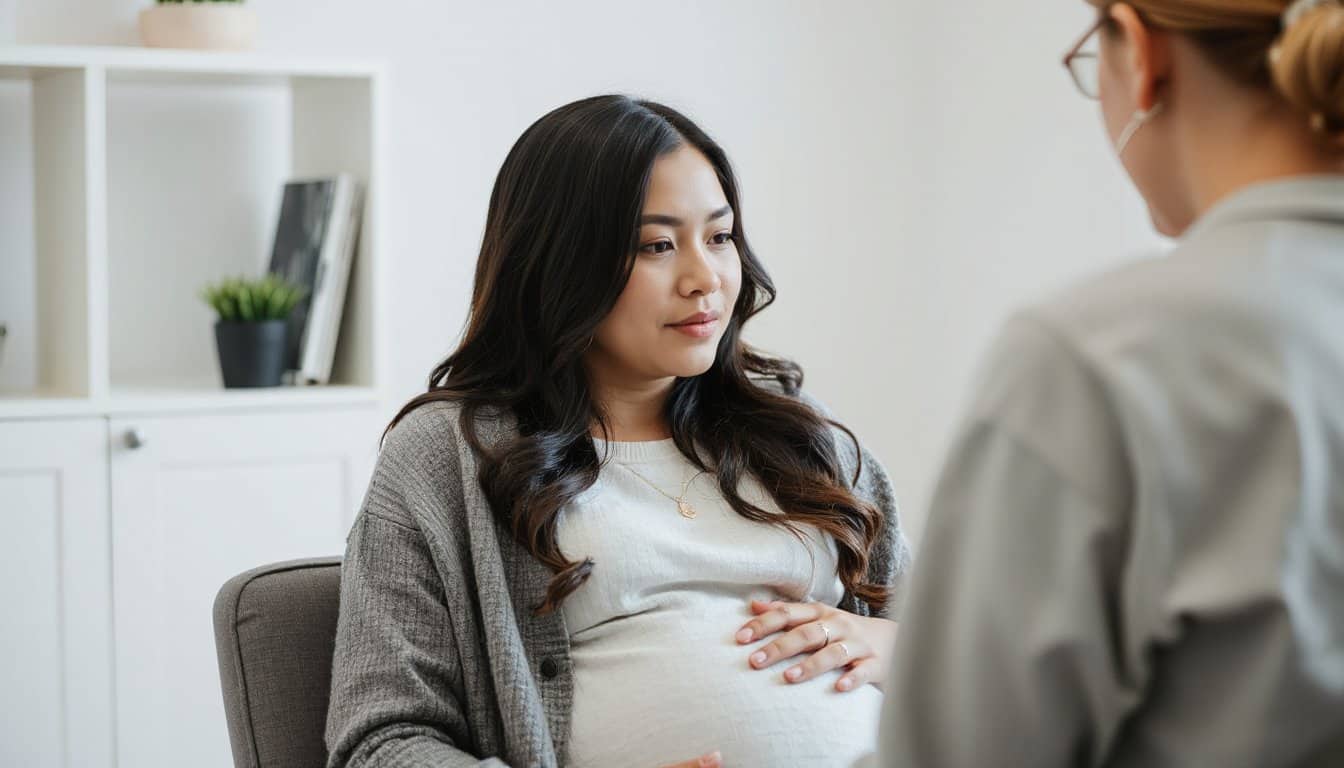
When you’re ready to quit vaping during pregnancy, behavioral counseling stands as the most strongly supported approach. ACOG and USPSTF recommend tailored counseling techniques as first-line treatment, with sessions emphasizing maternal and fetal health effects. Multiple counseling contacts, particularly those lasting 20 minutes or longer, significantly increase your chances of success.
Remote cessation programs offer valuable alternatives when in-person care isn’t accessible:
- Text-messaging and app-based tools providing daily coping tips and relapse-prevention support
- Pregnancy-specific quitlines with proactive callback systems
- Digital platforms integrated into your routine prenatal visits
Your provider may also recommend motivational interviewing to address ambivalence and strengthen your confidence. Involving partners in your quit plan reduces household triggers. Research indicates that widespread misperceptions exist suggesting smoking is safer than vaping, which healthcare professionals can help correct during counseling sessions. While pharmacologic options exist, they require careful individualized discussion with your obstetric team given limited pregnancy-specific safety data. There is currently insufficient evidence on the use of e-cigarettes for cessation in adults, including pregnant persons, so clinicians should direct patients to other proven cessation methods.
Healing doesn’t happen on someone else’s timeline, it starts when you’re ready. Miami Substance Abuse Treatment stands between you and the life you’re working toward, connecting you with Miami providers who lead with understanding, not judgment. From supervised detox to full residential care, flexible outpatient programs, or the steady guidance that keeps you moving forward we’ll help you find your fit. Take the step that changes everything, call (786) 228-8884 and let’s map out what comes next.
Frequently Asked Questions
Is It Safe to Vape Occasionally or Just a Few Puffs During Pregnancy?
No, occasional vaping isn’t safe during pregnancy, there are no minimal health risks at any level of use. Even just a few puffs expose your baby to nicotine and harmful chemicals that can damage brain and lung development, increase miscarriage risk, and cause low birth weight. Experts haven’t established any safe threshold for vaping while pregnant. You should avoid e-cigarettes completely to protect your baby’s health and development.
Can I Use Nicotine-Free Vapes While Pregnant Instead?
Even nicotine-free flavors aren’t considered safe during pregnancy. These vapes still contain solvents, flavorings, and heavy metals that may harm your baby’s development. Mouse studies found nicotine-free vapors increased miscarriage risk. Don’t be misled by products marketed as vitamin supplements or “herbal” options, their effects on fetal development remain unknown. Health authorities recommend you avoid all vaping during pregnancy. Talk to your provider about evidence-based cessation support instead.
Will My Baby Experience Withdrawal Symptoms if I Quit Vaping Suddenly?
Your baby is unlikely to experience significant withdrawal if you quit vaping now. Withdrawal symptoms typically occur when nicotine exposure continues until birth. The withdrawal timeline for affected newborns usually spans 4, 5 days with supportive care. Quitting at any stage benefits your baby by reducing late-pregnancy exposure. You may experience withdrawal yourself, so connect with quitting support resources like your healthcare provider or a quitline, they’ll help you stop safely while protecting your baby.
How Long Before Conceiving Should I Stop Vaping?
You should stop vaping at least one to three months before trying to conceive. This timeframe allows nicotine to clear from your system and gives your body time to reverse vascular and hormonal changes that could affect fertility and early pregnancy. Consult your healthcare provider for personalized guidance, as they can help you quit vaping gradually and safely. The earlier you stop, the better your chances for a healthy conception and pregnancy.
Is Secondhand Vape Exposure From My Partner Harmful During Pregnancy?
Yes, passive secondhand exposure from your partner’s vaping poses increased health risks during pregnancy. The aerosol contains nicotine and toxic chemicals that you inhale, which then cross your placenta to your baby. This exposure is linked to preterm delivery, low birth weight, and impaired fetal brain and lung development. Ask your partner to vape outdoors only, and discuss cessation resources with your healthcare provider to protect your pregnancy.