






Concerta and Ritalin both contain methylphenidate, but they’ll work differently in your body. Ritalin’s immediate-release formula hits your system within 30-60 minutes and lasts 3-4 hours, requiring multiple daily doses. Concerta’s OROS technology releases 22% immediately and 78% gradually, giving you 10-12 hours of coverage from one morning dose. You’ll experience smoother medication levels with Concerta, while Ritalin offers more flexible timing control. The sections below break down exactly how these differences affect your daily life.
Concerta vs Ritalin: Same Drug, Different Delivery

When comparing Concerta and Ritalin, you’re fundamentally looking at the same medication packaged in different delivery systems. Both share identical active ingredient identity, methylphenidate, which blocks dopamine and norepinephrine reuptake in your brain. The delivery mechanism creates all meaningful distinctions between these medications. When comparing Concerta and Ritalin, especially in a Concerta vs. Ritalin effectiveness analysis you’re fundamentally looking at the same medication packaged in different delivery systems. Both share an identical active ingredient, methylphenidate, which blocks dopamine and norepinephrine reuptake in your brain. The delivery mechanism creates all meaningful distinctions between these medications.
Concerta uses OROS technology, an osmotic controlled-release system featuring a multi-layered capsule with a laser-drilled hole. This extended-release design maintains steady levels throughout 10-12 hours. You’ll experience consistent symptom control patterns without dramatic peaks and valleys. This makes Concerta particularly suitable for school-aged children and adults needing reliable, full-day focus without interruption.
Ritalin’s immediate-release formulation absorbs rapidly, providing effects lasting only 3-4 hours. This shorter duration of effects demands higher dosing frequency, typically 2-3 doses daily. You may notice increased rebound intensity between doses as medication levels fluctuate throughout your day. Ritalin is the preferred ADHD medication among adults who need flexible, short-burst coverage for specific tasks or activities. Because both medications are controlled substances, you’ll need a doctor’s prescription to obtain either Concerta or Ritalin.
Concerta vs Ritalin: How the Release Systems Work
Although both medications contain identical methylphenidate molecules, their delivery technologies create fundamentally different pharmacokinetic profiles in your bloodstream. Concerta’s OROS technology delivers 22% of your dose immediately, then releases the remaining 78% gradually over 10-12 hours. Ritalin’s immediate-release formulation delivers your full dose rapidly, producing effects lasting only 3-4 hours.
| Feature | Concerta | Ritalin |
|---|---|---|
| Onset | Immediate + sustained | Rapid |
| Duration | 10-12 hours | 3-4 hours |
| Dose Release | Controlled, ascending | Complete, immediate |
| Rebound Effects | Minimized | More pronounced |
| Side Effects | Sustained pattern | Cyclical pattern |
You’ll experience distinct release profiles with each medication. Concerta’s extended-release design maintains stable blood levels, reducing rebound effects. Immediate-release Ritalin creates peaks and valleys, causing noticeable symptom drop-off between doses. When starting either medication, doctors typically begin with the lowest dose and slowly increase it based on your individual response and how you metabolize the medication.
Concerta vs Ritalin: Onset Time and Duration Compared
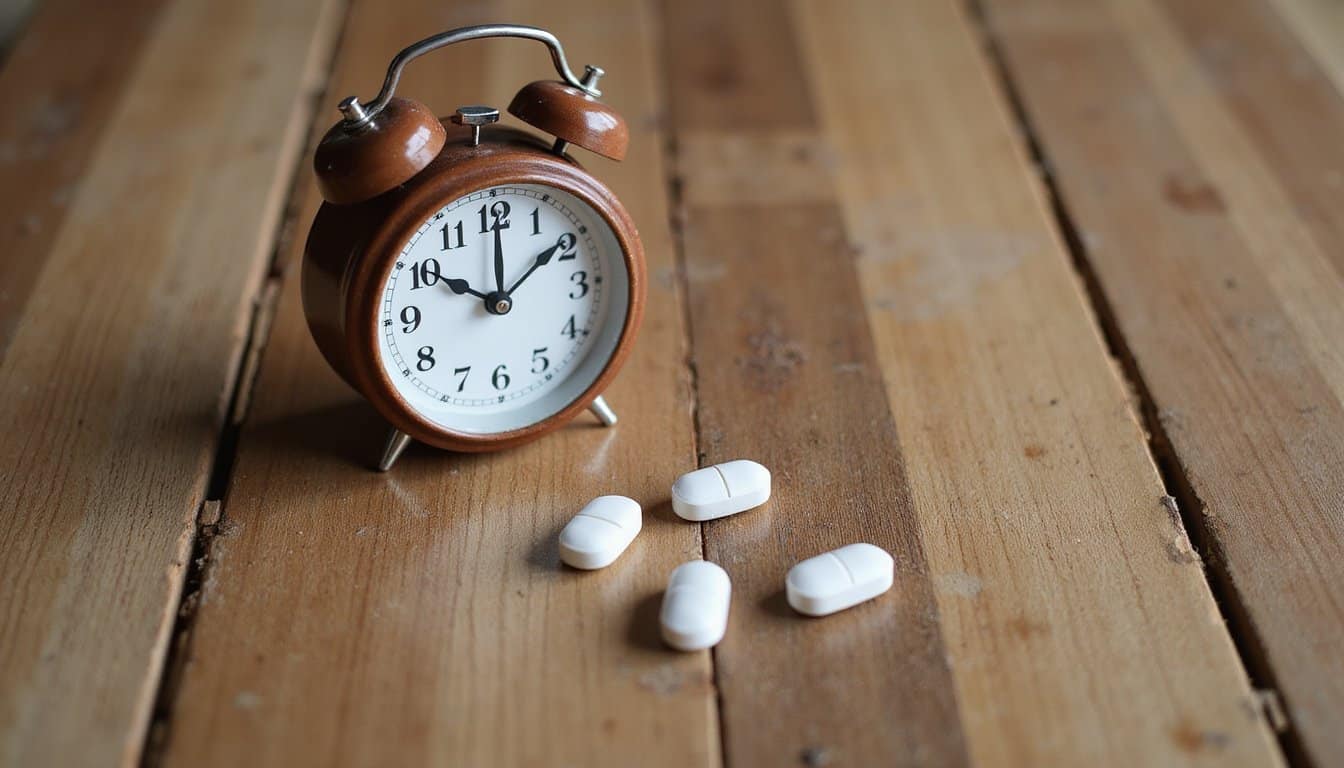
The release system differences between Concerta and Ritalin directly affect how quickly you’ll notice symptom relief and how long that relief lasts.
Immediate-release Ritalin begins working within 30 to 60 minutes, delivering rapid peak effectiveness that lasts only 3 to 4 hours per dose. This shorter duration requires two to three daily doses for full-day coverage but offers flexible timing based on your schedule needs.
Concerta’s extended-release formulation includes an outer layer that initiates onset time within one hour, followed by steady release lasting 10 to 12 hours. A single morning dose provides consistent symptom relief throughout your entire day. However, Concerta is not appropriate for children under 6 or adults over 65 years of age.
Ritalin’s shorter action creates more noticeable rebound effects between doses, while Concerta maintains smoother medication levels without abrupt crashes as the drug wears off.
Concerta vs Ritalin: Daily Dosing Schedules
You’ll find that Concerta’s OROS delivery system requires only one morning dose, with 22% releasing immediately and the remainder providing coverage for 10-12 hours throughout your day. Ritalin IR, however, demands 2-3 daily administrations, typically before school or work, at lunch, and mid-afternoon, since each dose lasts only 3-4 hours. This difference substantially impacts your adherence, with Concerta eliminating the need for midday dosing that can disrupt schedules and increase the likelihood of missed doses. Both medications work by increasing dopamine and norepinephrine levels in the brain, though they differ in how quickly and steadily these neurotransmitters are elevated. When transitioning between these medications, patients taking Ritalin 10 mg BID should typically start with Concerta 18 mg once daily in the morning. For those who need more flexibility, Ritalin’s shorter duration allows you to control timing or skip doses on weekends when full coverage isn’t necessary.
Concerta Once-Daily Convenience
Because Concerta utilizes OROS (Osmotic-controlled Release Oral delivery System) technology, a single morning dose delivers methylphenidate continuously over 10-12 hours, guaranteeing the absence of the need for midday administration. This once-daily dosing schedule represents a key difference between Concerta and Ritalin, offering significant convenience advantages for your daily routine.
The pharmacokinetic profile ensures steady methylphenidate release throughout your day. Consider these clinical dosing equivalents when comparing Concerta vs Ritalin:
- Ritalin 5 mg twice daily equals Concerta 18 mg once daily
- Ritalin 10 mg twice daily equals Concerta 18 mg once daily
- Ritalin 20 mg twice or three times daily equals Concerta 54 mg once daily
- Maximum recommended dose reaches 72 mg for adults
You’ll experience improved medication adherence without school or workplace dosing interruptions.
Ritalin Multiple Dose Requirements
While Concerta’s extended-release technology eliminates midday dosing, immediate-release Ritalin demands a fundamentally different administration approach that requires you to take 2-3 doses throughout your day.
The immediate-release formulation provides short-acting coverage lasting only 3-4 hours per dose, creating peaks and valleys in medication levels. You’ll typically follow twice daily or three times daily dosing schedules. Typical starting doses begin at 5 mg twice daily for children, with adults receiving 20-30 mg daily in divided doses.
For timing and administration, take Ritalin 30-45 minutes before meals for optimal absorption. Understanding dose equivalence helps with changes: Ritalin 10 mg twice daily equals Concerta 18 mg once daily. Clinical and practical aspects include gradual titration by 5-10 mg weekly, with maximum daily doses not exceeding 60 mg regardless of frequency.
Concerta vs Ritalin: Side Effects and Rebound Crashes

When you take Concerta, its extended-release mechanism delivers methylphenidate at a steady rate over 10-12 hours, producing constant therapeutic effects throughout the day, while Ritalin’s immediate-release formulation creates cyclical peaks and troughs every 4-6 hours that can trigger noticeable rebound crashes as each dose wears off. You’ll experience similar side effects with both medications, including appetite suppression, insomnia, headaches, and stomach discomfort, since they share the same active ingredient, though the timing and intensity differ based on each drug’s release profile. Managing rebound crashes involves strategic dose timing, and you may find Concerta’s smoother wear-off reduces the irritability, fatigue, and mood changes commonly associated with Ritalin’s more abrupt decline in blood concentration levels.
Constant Versus Cyclical Effects
The release mechanism of each medication directly shapes how side effects manifest throughout the day. When comparing ritalin vs concerta, you’ll notice distinct patterns despite their shared side effects profiles. Concerta constant side effects remain steady due to sustained-release brain delivery, while ritalin cyclical side effects fluctuate with each dose.
Key rebound crashes differences:
- Concerta’s next day dosing provides smoother wear-off with minimal crash intensity
- Ritalin IR’s rapid drop-off triggers pronounced rebound symptoms multiple times daily
- Concerta’s constant levels reduce end-of-day emotional volatility
- Ritalin’s peaks increase serious risks comparison concerns for misuse potential
Are concerta and ritalin the same pharmacologically? Yes, but their delivery systems create fundamentally different experiences. You’ll need individualized trials to determine which pattern optimizes your symptom control while minimizing adverse effects.
Managing Rebound Crashes
Because methylphenidate’s rebound effect stems directly from rapid drops in blood concentration, your management approach must target the specific release pattern of your medication. With Ritalin’s immediate-release delivery system, you’ll experience distinct cycles where ADHD symptoms, particularly hyperactivity and impulsivity, resurge as each dose clears your system within 3-4 hours. Strategic dose timing minimizes these gaps.
Concerta’s OROS technology provides steadier blood levels throughout the day, though you may still experience an end-of-day crash characterized by fatigue and mood changes. Your individual metabolism considerably influences crash severity; fast metabolizers often face steeper blood level drops regardless of formulation. Your prescriber may recommend a booster medication, a small dose of quick-acting methylphenidate, to help smooth out the transition as Concerta wears off. Since both medications work by blocking dopamine and norepinephrine reuptake, understanding this mechanism helps explain why symptoms return when drug levels fall.
Monitor your specific rebound patterns and discuss them with your prescriber. Switching between formulations or adjusting timing based on your metabolic response can substantially reduce crash intensity.
Common Shared Side Effects
Since Concerta and Ritalin contain identical methylphenidate molecules, they’ll produce the same core side effect profile, though delivery timing affects how you experience these reactions.
As central nervous system stimulants prescribed for attention deficit hyperactivity disorder, both medications deliver a calming effect and stabilizing effect while carrying predictable risks:
- Gastrointestinal effects: Appetite loss leads to weight loss, with stomach pain and nausea occurring frequently
- Cardiovascular changes: Heightened heart rate and blood pressure require monitoring
- Neurological symptoms: Headaches, insomnia, and jitteriness affect many users
- Psychiatric reactions: Irritability and mood changes may emerge
Side effects severity often differs between formulations. This psychostimulant class carries abuse potential and physical dependence risk with prolonged use. Concerta’s extended-release mechanism typically produces milder peak-related symptoms compared to immediate-release Ritalin’s sharper onset.
Concerta vs Ritalin Effectiveness: What Adults Report
Adults traversing ADHD treatment often face a critical choice between Concerta and Ritalin, and their reported experiences reveal distinct effectiveness patterns rooted in each medication’s pharmacokinetic profile. As a controlled substance affecting brain activity, Ritalin’s immediate-release formula works within minutes but lasts only 4-6 hours, requiring frequent dosing including a lunchtime dose to maintain your functional level throughout workdays.
Concerta’s extended-release mechanism elevates your resting level of dopamine steadily over 10-12 hours, reducing impulsivity without the “hills and valleys” Ritalin creates. Adults report Concerta provides smoother emotional states, while Ritalin’s rapid onset suits those necessitating quick focus activation. Specifically, Ritalin’s fast brain delivery supports its approved use for narcolepsy, though some adults risk self-medication when managing demanding schedules.
Concerta vs Ritalin: Which Fits Your Daily Schedule?
Everyone managing ADHD must weigh how medication timing integrates with daily routines, and the dosing schedules of Concerta and Ritalin differ fundamentally.
Concerta’s once-daily administration delivers 10-12 hours of coverage patterns through OROS technology, eliminating midday dosing requirements. Your morning dose provides sustained duration of action without blood level fluctuations. Ritalin immediate-release, a Schedule II stimulant with broad market availability, requires 2-3 doses daily, including lunchtime medication at school or work.
Key dosing frequency differences:
- Concerta’s morning administration covers the entire day with one tablet
- Ritalin’s effects duration lasts only 3-4 hours per dose
- Multiple Ritalin doses create peak-and-trough patterns
- Concerta eliminates stigma associated with workplace or classroom dosing
Your lifestyle demands determine which methylphenidate formulation optimizes adherence and symptom control.
Concerta vs Ritalin Cost and Insurance Coverage
Beyond dosing convenience, medication costs markedly impact treatment sustainability and long-term adherence for patients managing ADHD with methylphenidate formulations. Whether you’re addressing a sleep disorder or managing the same active ingredient across formulations, pricing differences are substantial.
| Medication | Monthly Cost (Without Insurance) |
|---|---|
| Concerta (Brand) | $479 average |
| Ritalin IR (Brand) | $96 average |
| Ritalin LA (Brand) | $1,338, $1,406 |
| Generic Methylphenidate IR | $16, $29 |
| Generic Extended-Release | $316, $353 |
You’ll experience identical side effects, gastrointestinal issues, cardiovascular issues, dry mouth, headache, anxiety, and skin rash, regardless of cost. Without physician supervision, withdrawal symptoms intensify. Insurance coverage varies; some plans exclude brand-name versions. Since the authorized generic form of Concerta was discontinued in January 2023, patients seeking the brand-name formulation may face higher out-of-pocket expenses. As Schedule II controlled substances, both medications are subject to federal and state laws limiting the amount that can be prescribed or dispensed at one time. GoodRx coupons reduce costs up to 81%, while generic alternatives provide affordable access to effective ADHD treatment. When obtained illegally, street prices for methylphenidate vary significantly, with 36 mg pills costing $30 to $50 in states like Michigan and New York compared to just $2 to $8 in Illinois and Kentucky.
Switching Between Concerta and Ritalin: What to Ask Your Doctor
Several critical questions require answers before switching between Concerta and Ritalin, as these methylphenidate formulations differ markedly in release mechanisms despite containing the same active ingredient.
Switching between Concerta and Ritalin requires careful consideration, same ingredient, dramatically different delivery systems.
Essential Questions for Your Prescriber:
- What dosage equivalency applies when converting my current Ritalin regimen to once-daily Concerta?
- Should I expect changes in side effects like stomach pain, nausea, vomiting, loss of appetite, dizziness, jitteriness, or sweating with the new formulation?
- Will the extended-release profile reduce evening irritability, aggressiveness, or rare reactions like hallucinations?
- Does my concurrent SSRI or TCA require dosage adjustment due to Concerta’s interaction profile?
Your healthcare provider must assess whether symptoms return before evening, indicating insufficient medication duration. Keep in mind that non-stimulant medications require 4-6 weeks to show full therapeutic effect if your prescriber recommends that class as an alternative. Never switch independently, professional oversight guarantees proper tapering protocols and prevents withdrawal effects or rebound symptoms. The good news is that stimulant switches are generally straightforward, as your doctor can stop one medication and start the new formulation the next day without needing a complex cross-taper. Remember that your ADHD specialist should initiate any changes to your methylphenidate treatment before ongoing management transitions to your primary care provider.
When prescription drug addiction strips away your sense of self and leaves you feeling isolated, remember that support is always within reach. At Miami Outpatient Detox, we connect you with trusted treatment providers to help you find the care you deserve. Call (786) 228-8884 today and take the courage to reach out and start your journey to healing.
Frequently Asked Questions
Can You Take Concerta or Ritalin While Pregnant or Breastfeeding?
You should discuss methylphenidate use with your doctor before taking either medication during pregnancy or breastfeeding. The FDA classifies both as pregnancy category C, meaning animal studies show risks at high doses, but human data remains insufficient. Australia’s TGA recently changed methylphenidate to category D due to small increased fetal abnormalities. While studies haven’t confirmed major malformation risks, both medications may pass into breast milk, requiring careful risk-benefit evaluation.
Do Concerta and Ritalin Interact With Caffeine or Other Common Substances?
Yes, both Concerta and Ritalin interact with caffeine since they share methylphenidate’s stimulant properties. When you combine them with caffeine, you’ll experience additive effects that increase cardiovascular risks, including heightened heart rate and blood pressure. You may also notice amplified anxiety, restlessness, insomnia, and jitteriness. You should limit caffeine to under 300 mg daily and wait at least two hours after taking your medication before consuming caffeine.
Are Generic Versions of Concerta and Ritalin Equally Effective as Brand-Name?
Generic Ritalin typically matches brand-name effectiveness since immediate-release formulations are straightforward to replicate. However, you’ll find generic Concerta presents more variability. Studies show Concerta’s OROS delivery technology isn’t fully replicated in all generic extended-release versions, leading to inconsistent methylphenidate release. Randomized trials demonstrate patients switching from non-OROS generics to branded Concerta report improved symptom control and higher satisfaction. You should discuss formulation-specific concerns with your prescriber if experiencing inconsistent results.
Can Concerta or Ritalin Be Prescribed for Conditions Other Than ADHD?
Yes, you can receive methylphenidate prescriptions for conditions beyond ADHD. The FDA approves immediate-release Ritalin for treating narcolepsy in adults. Physicians also prescribe these medications off-label for treatment-resistant depression, fatigue, and cognitive difficulties, though you should know that 88% of adult methylphenidate prescriptions fall into off-label categories. Off-label use carries higher risks of serious adverse events, including dependence and cardiovascular stress, requiring careful monitoring by your prescriber.
What Happens if You Accidentally Miss a Dose of Concerta or Ritalin?
If you accidentally miss a dose, you’ll likely notice your ADHD symptoms returning within 24-48 hours due to methylphenidate’s short 2-3 hour half-life. You may experience difficulty concentrating, increased impulsivity, and fatigue. Don’t double up on doses, simply resume your prescribed amount at the next scheduled time. Skip the dose entirely if it’s within 12 hours of bedtime to avoid sleep disruption. Full effectiveness typically returns within one day of restarting.