

You’re facing a drug landscape that’s shifting faster than ever. Nitazenes, synthetic opioids up to 50 times more potent than fentanyl, have been linked to over 2,000 deaths since 2019, and standard test strips can’t detect them. Meanwhile, counterfeit pills drove a 94% surge in teen overdose deaths between 2019 and 2021, with social media serving as the primary marketplace. Understanding emerging drug trends in the United States and how these threats evolve, and how agencies are responding can help you stay informed.
Why Emerging Drug Trends Are Deadlier Than Ever

Emerging drugs flooding U.S. markets don’t follow predictable rules, and that’s precisely what makes them so lethal. When you examine emerging drug trends USA, you’ll find synthetic opioids like brorphine and U-47700 that match or exceed fentanyl’s potency, 50 to 100 times stronger than morphine. These compounds suppress breathing, blood pressure, and heart rate to fatal levels. Since 2013, the UN has identified over 1,000 emerging drugs worldwide, underscoring the sheer scale of this rapidly expanding threat.
The new drug threats USA evolve faster than regulations can respond. Designer substances enter markets with unknown compositions, producing unpredictable health effects. CDC data confirms a 94% increase in teen overdose deaths from 2019 to 2021, driven largely by counterfeit pills containing deadly fentanyl doses. Without robust public health drug monitoring systems tracking these rapidly shifting supplies, you’re facing fatal outcomes from substances authorities haven’t yet identified.
What Are Nitazenes and the New Opioids Beyond Fentanyl?
Nitazenes represent the next wave of synthetic opioids threatening U.S. communities, compounds first synthesized in the 1950s as morphine alternatives but never approved for medical use because their potency made them too dangerous. Since 2019, drug trend surveillance has linked nitazenes to at least 2,000 deaths nationwide and 4,300 law enforcement seizures. The rise of nitazenes highlights the urgent need for substance abuse risk assessments in America, as communities grapple with the increasing prevalence of these synthetic opioids. Comprehensive evaluations can aid in identifying at-risk individuals and implementing targeted intervention strategies. Addressing this crisis is crucial to prevent further loss of life and bolster community resilience against substance misuse.
Among new drug trends America faces, nitazenes stand out because some analogues reach 50 times fentanyl’s potency. You should know that standard fentanyl test strips can’t detect them, and only 80% of Pennsylvania labs include nitazenes in testing panels. This gap in emerging substances monitoring means true prevalence remains unknown. Understanding these drug trends united states-wide requires expanded detection infrastructure and standardized reporting across jurisdictions. The U.S. nitazene supply primarily originates in China and is either mixed into other opioids or sold as another substance without the buyer’s knowledge.
How Counterfeit Pills Are Killing Teens
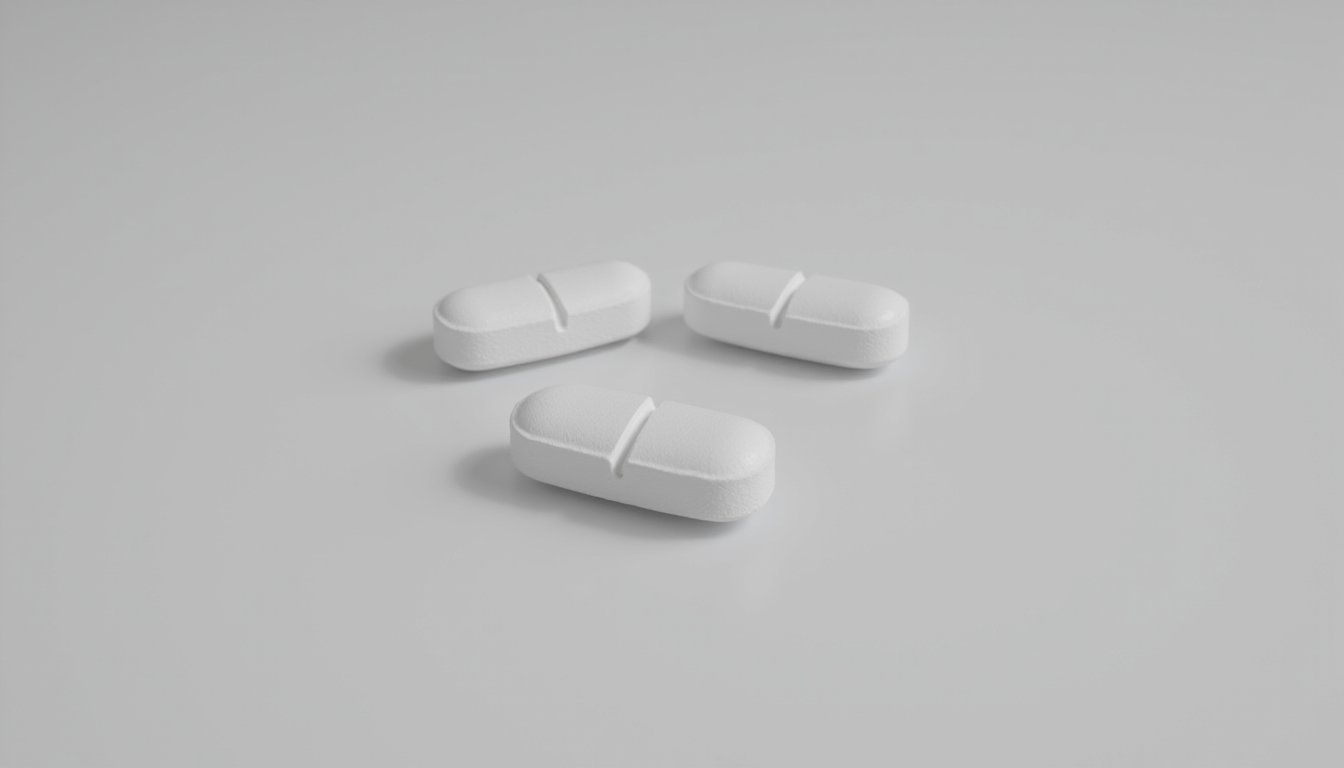
While nitazenes represent the cutting edge of synthetic opioid danger, counterfeit prescription pills have already become the deadliest drug trend targeting American teenagers, killing an average of 22 teens aged 14, 18 every week. Fentanyl drives at least 75% of these deaths, with just two milligrams, the weight of a mosquito, constituting a fatal dose.
This synthetic drug emergence accelerated rapidly: adolescent overdose deaths doubled from 2019 to 2020. Evidence of counterfeit pill involvement tripled in western states, climbing from 4.7% to 14.7%. You’ll find pills sold as “M30s” or “Blues” that are visually indistinguishable from legitimate oxycodone yet contain lethal fentanyl concentrations.
Most teen deaths occur at home, where potential interveners are nearby but lack naloxone access. Social media platforms serve as primary marketplaces, connecting teens directly to counterfeit suppliers.
Emerging Drug Trends in Youth Substance Use
Most American teenagers aren’t using drugs. For the fifth consecutive year since 2021, youth substance use has hovered at historic lows. Among 8th graders, 91% reported no marijuana, alcohol, or nicotine use in the past 30 days, with 82% of 10th graders and 66% of 12th graders reporting the same.
However, you should watch several emerging shifts. Cocaine use among 8th graders tripled from 0.2% to 0.6% in 2025. Heroin use among 12th graders jumped from 0.2% to 0.9%. Nicotine pouch sales surged 250% between January 2023 and August 2025, while past 30-day nicotine use among 12th graders climbed from 17% to 21.8%. These upticks remain statistically small but signal potential trend reversals you can’t ignore.
How Agencies Track and Fight Emerging Drug Trends

Federal and local agencies deploy five core methods to detect, monitor, and disrupt drug trends before they escalate into public health crises. Project Overdose’s DrugTRACSystem uses AI to analyze anonymized blood and urine samples, tracking approximately 80 substances down to ZIP code level, detecting new drugs in two weeks versus the CDC’s two-year timeline. You’ll find law enforcement leveraging GPS devices on suspect vehicles to map trafficking routes across state lines. Electronic surveillance captures cell phone data, social media activity, and communications through court-ordered methods. Physical surveillance supplements these tools as officers track suspect movements and interactions. The DEA’s digital systems like NarcLock maintain automated audit trails, ensuring controlled substance accountability through tamper-resistant storage and real-time tracking protocols.
Help Is Available
Drug trends keep evolving, and knowing where to turn for help can feel difficult. At Miami Outpatient Detox, we connect people with licensed detox centers offering Prescription Stimulant Detox and other evidence-based programs designed to support those facing today’s emerging drug concerns. Call (786) 228-8884 to explore available treatment options.
Frequently Asked Questions
Can Naloxone Effectively Reverse Overdoses Caused by Nitazenes and Other Ultra-Potent Synthetic Opioids?
You can reverse nitazene and ultra-potent opioid overdoses with naloxone, but you’ll likely need higher and repeated doses. Data show 56.9% of fentanyl/ultra-potent exposures respond to an initial ≤0.4 mg dose, while a 4 mg cumulative dose achieves 97% reversal. However, synthetics often require more naloxone than heroin, and re-narcotization risk remains significant. You should titrate carefully, since excessive doses can trigger withdrawal, pulmonary edema, and dangerous catecholamine surges.
How Can Parents Identify Whether Their Teen Has Purchased Counterfeit Pills?
You can spot counterfeit pills by examining them for irregular edges, crumbly textures, inconsistent coloring, or misspelled packaging. Check imprint codes, common counterfeits mimic “M30s,” “B707,” and “G3722” markings. You’ll also want to look for containers missing lot numbers or expiration dates. If you find pills without proper pharmacy labels, that’s a significant red flag. Don’t rely solely on visual inspection; consult a pharmacist or use fentanyl test strips for verification.
What Treatment Options Exist for Addiction to Emerging Synthetic Drugs?
You’ll find several evidence-based options for treating emerging synthetic drug addiction. Opioid agonist therapies like methadone and buprenorphine-naloxone achieve 50-70% retention rates. CBT reduces use by 40-60%, while contingency management reaches 70% short-term success. Naloxone distribution reverses 80-90% of synthetic opioid overdoses. You should also consider naltrexone implants, which show 60% adherence post-detox, and integrated outpatient programs combining counseling with ongoing monitoring.
Are Fentanyl Test Strips Legal and Available in Every State?
No, fentanyl test strips aren’t legal in every state. As of early 2024, nearly 40 states have legalized their use, but approximately 10 states still classify them as illegal drug paraphernalia. You’ll find significant variation, some states restrict testing to fentanyl-specific detection only, while others exempt certain individuals from penalties without full legalization. Since 2018, 23 states have amended paraphernalia definitions, with 11 states enacting exemptions in 2023 alone.
How Do Emerging Drug Trends Differ Between Rural and Urban Communities?
You’ll find that rural communities face higher rates of prescription opioid misuse and methamphetamine use, while urban areas see more synthetic opioid exposure, including fentanyl-laced counterfeit pills. Rural residents encounter greater barriers to treatment, with fewer harm-reduction resources and longer distances to healthcare facilities. Urban areas typically experience faster introduction of novel synthetic compounds through diverse drug markets. Both settings share rising overdose rates, but the specific substances driving those deaths differ markedly by geography.