


Gas station drugs like Zaza, Tianaa, and Neptune’s Fix look like ordinary supplements, but they contain tianeptine, an unregulated compound that locks onto your brain’s mu-opioid receptors just like heroin and fentanyl. You’ll experience euphoria, sedation, and rapid tolerance buildup, and chronic use triggers withdrawal symptoms that mirror classical opioid syndrome. Naloxone can reverse life-threatening respiratory depression from an overdose. Understanding how tianeptine hijacks your brain is the first step toward recognizing its dangers.
What Is Tianeptine and Why Is It Sold at Gas Stations?

Tianeptine is an atypical tricyclic antidepressant that was first approved in the 1980s across several European countries for the treatment of major depressive disorder. It works through glutamate modulation and acts as a full mu-opioid receptor agonist. The FDA hasn’t approved it for any medical use in the United States.
Despite this, you’ll find tianeptine sold as one of many gas station drugs under brands like Zaza, Tianaa, and Neptune’s Fix. Available as capsules and tianeptine shots, it’s marketed alongside other over the counter drug-like supplements at convenience stores, vape shops, and online retailers. These products are synthesized in overseas labs, primarily in China or India, and remain widely accessible despite FDA warnings and import alerts. Often referred to as “gas station heroin”, tianeptine has drawn increasing scrutiny from public health officials due to its opioid-like effects and rising misuse. Currently, only a few states have imposed regulations and bans on the sale of tianeptine, leaving it largely accessible across much of the country.
Why Tianeptine Is Called Gas Station Heroin
The nickname “gas station heroin” captures two defining features of tianeptine products: they’re sold legally at convenience stores and gas stations, and they activate the same mu-opioid receptors as heroin and fentanyl. At recreational doses, often reaching 3,000mg daily or higher, tianeptine produces euphoria, sedation, and pain relief that closely mimic heroin’s effects. While tianeptine’s appeal lies in its accessibility, the implications of its widespread availability in gas stations raise significant health concerns. Users often overlook the potential for dependence and the harmful effects associated with these regulated drugs available in gas stations. This easy access may also contribute to the rising number of individuals seeking emergency treatment for overdoses related to substance use.
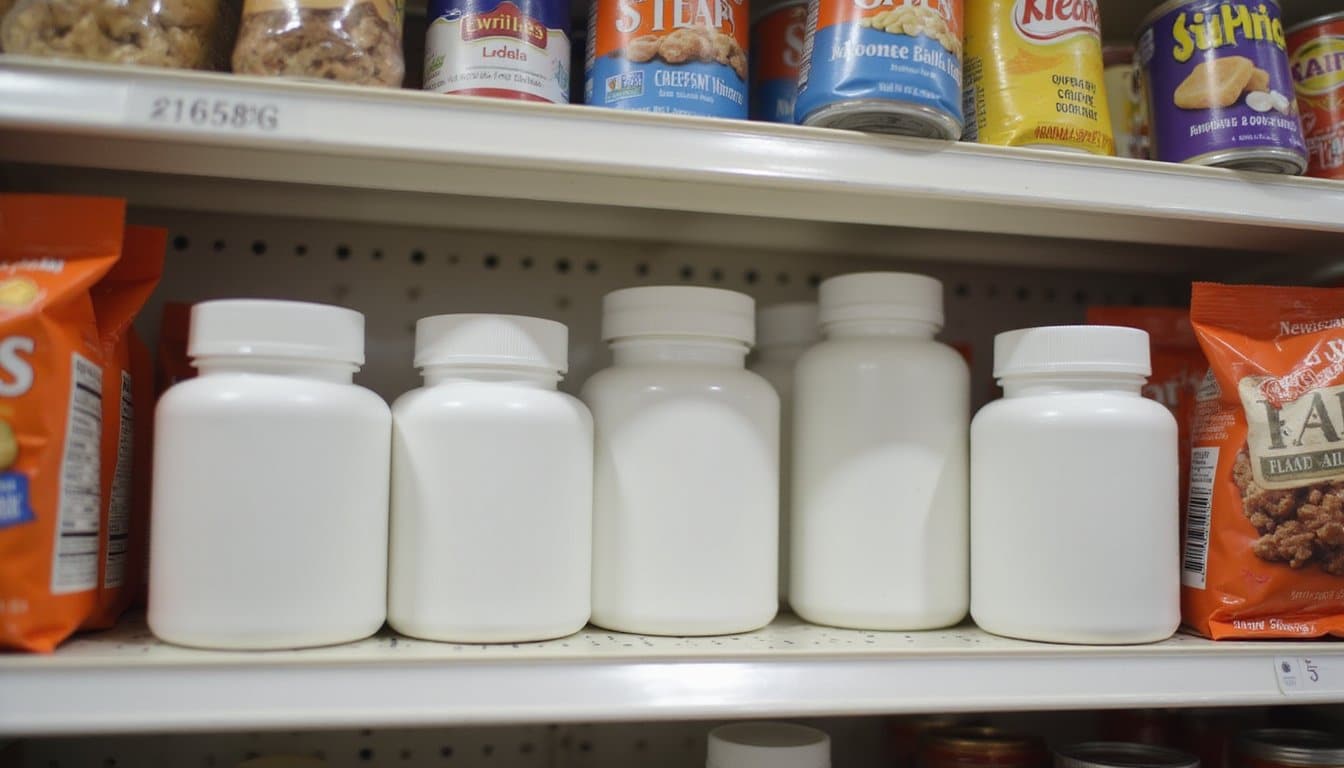
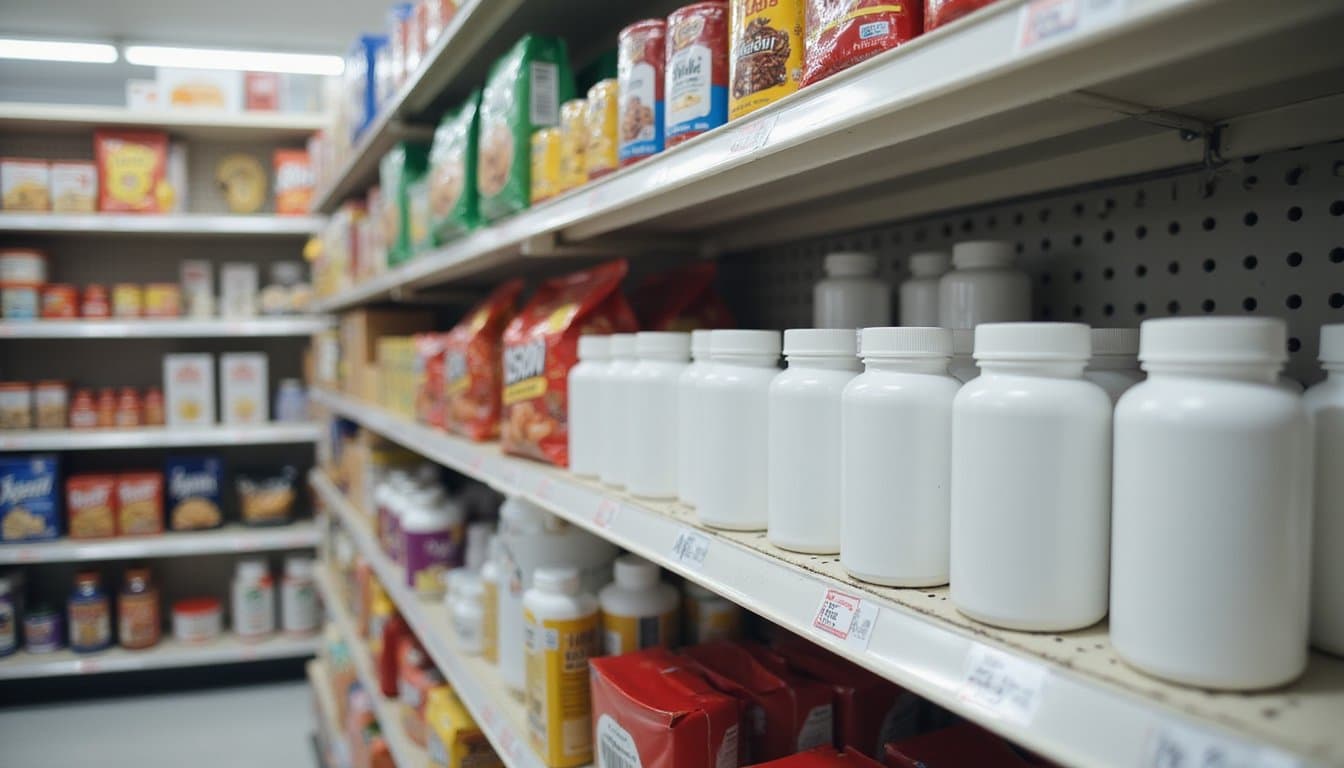
What makes this particularly dangerous is how these hidden substances sold over the counter are packaged. Brands like ZaZa, Tianaa, and Neptune’s Fix look like ordinary supplements, not opioid-mimicking drugs. You don’t need a prescription or a dealer, just a few dollars at a checkout counter. This easy access, combined with unregulated dosing that can exceed standard therapeutic amounts by over 250 times, is exactly why the comparison to heroin exists.
How Tianeptine Hijacks Your Brain Like an Opioid

Once tianeptine reaches your brain, it locks onto mu-opioid receptors, the same targets that heroin, fentanyl, and morphine activate to produce their effects. Through mu-opioid receptor agonism, tianeptine triggers dopamine release, producing euphoria that reinforces repeated use. At therapeutic doses of 25, 50 mg, these effects remain subtle. However, recreational users consume up to 3,000 mg daily, amplifying opioid-like responses dramatically.
Your body responds predictably. Naltrexone blocks tianeptine’s locomotor effects in animal models, confirming its opioid mechanism. Naloxone reverses its respiratory depression. These aren’t characteristics of a simple antidepressant, they’re hallmarks of opioid pharmacology.
Chronic use builds tolerance rapidly, forcing you to escalate doses. Clinical case reports show 16 out of 18 individuals developed substance dependence, with withdrawal mimicking classical opioid syndrome.
What’s Actually Inside Gas Station Heroin Products?
Behind the flashy packaging of products like Zaza, Tianaa, Pegasus, TD Red, and Neptune’s Fix, you’ll find tianeptine, a synthesized pharmaceutical drug that’s never received FDA approval for any use in the United States. These convenience store psychoactive products contain doses reaching 250 to 1,300 times the standard antidepressant dose of 25, 50mg.
The dangers extend beyond tianeptine itself. Lab analyses of Neptune’s Fix revealed synthetic cannabinoid receptor agonists mixed alongside tianeptine, triggering emergency hospitalizations. Illegally produced batches have contained barbiturates and other uncontrolled adulterants. Batch composition varies unpredictably, meaning you can’t know what you’re actually ingesting.
Products labeled as non-kratom alternatives have tested positive for mitragynine, while phenibut-labeled items showed unexpected degradation compounds. This inconsistency makes every purchase a clinical gamble with potentially life-threatening consequences.
Signs of Tianeptine Addiction and Withdrawal

Tianeptine addiction develops through three distinct pathways, physical, behavioral, and psychological, each producing recognizable warning signs that escalate as dependence deepens. Physically, you’ll notice increased tolerance, nausea, excessive sweating, tremors, and insomnia. Behaviorally, you may compulsively seek products, visit multiple stores, spend excessively, and neglect responsibilities, patterns also seen with phenibut capsules and similar over-the-counter substances.
Psychologically, intense cravings, mood swings, depression, and suicidal thoughts signal deepening dependence.
Withdrawal begins 6, 12 hours after your last dose, producing severe anxiety, muscle aches, hot and cold flashes, and restless leg syndrome. Poison control data reveals agitation in 33.3% of cases, tachycardia in 19.1%, and hypertension in 14.3%. These life-threatening risks make medical supervision essential, you shouldn’t attempt withdrawal without professional support.
How to Treat a Tianeptine Overdose With Naloxone
If you suspect a tianeptine overdose, watch for key warning signs like severe lethargy, slowed or stopped breathing, unresponsiveness, and a drop in blood pressure, symptoms that closely mirror an opioid overdose. Because tianeptine acts on opioid receptors, naloxone nasal spray can reverse life-threatening respiratory depression and sedation, just as it would for other opioid emergencies. You should administer naloxone as quickly as possible while calling 911, since many tianeptine overdose cases still require intubation, ICU monitoring, or additional interventions to guarantee a safe recovery.
Recognizing Tianeptine Overdose Symptoms
Knowing how to spot a tianeptine overdose can mean the difference between life and death, especially since many people don’t realize this gas station supplement acts on opioid receptors. Among the hidden ingredients gas station products contain, tianeptine is particularly dangerous because overdose symptoms mimic opioid toxicity.
Watch for tachycardia (25.4% of cases), agitation (21.9%), and drowsiness (16.7%). You may also notice hypertension, nausea, or gastrointestinal distress. In severe cases, respiratory depression, seizures, and coma can develop, one documented case showed a Glasgow Coma Score of 6 with complete unresponsiveness.
Lethargy is the most frequently reported sign in tianeptine-only intoxications, and 55% of overdose patients required ICU admission. If you observe slowed breathing, confusion, or loss of consciousness, call 911 immediately and administer naloxone if available.
Administering Naloxone Nasal Spray
Every second counts when someone shows signs of a tianeptine overdose, and naloxone nasal spray is the most accessible tool you can use to reverse life-threatening respiratory depression. Lay the person on their back, tilt the head back, and support the neck. Remove the device from packaging, hold it with your thumb on the plunger, and insert the nozzle into one nostril until your fingers touch the nose’s base. Press the plunger firmly to deliver the full 4 mg dose.
Turn the person onto their side and call emergency services immediately. If there’s no response within 2, 3 minutes, administer a second dose in the alternate nostril using a new device. Unlike kratom extract products, tianeptine activates opioid receptors directly, making naloxone an effective intervention. Continue dosing until help arrives.
Support Is Just One Call Away
Gas station drugs can be just as addictive and dangerous as illegal substances. At Miami Outpatient Detox, we connect individuals with licensed detox centers offering a full range of Detox Programs to help you take the first step toward recovery. Call (786) 228-8884 today and let us guide you toward the right care.
Frequently Asked Questions
Is Tianeptine Legal to Buy in Every U.S. State?
No, you can’t legally buy tianeptine in every U.S. state. Several states have classified it as a controlled substance. Alabama, Florida, Georgia, Indiana, and Kentucky ban it under Schedule I, while Arkansas, Oklahoma, Tennessee, New Jersey, Michigan, and North Carolina restrict it under Schedule II. Delaware’s Schedule I ban takes effect July 2025. You should check your state’s current regulations, as legislative action continues expanding restrictions nationwide.
Can Tianeptine Show up on a Standard Drug Test?
No, tianeptine won’t show up on a standard five-panel or ten-panel drug test. These screens target common substances like THC, cocaine, opiates, amphetamines, and benzodiazepines, but they don’t include tianeptine. If you need detection, you’ll have to request specialized testing like LC-MS/GC-MS or tianeptine-specific urine strips, which detect at a 500 ng/mL cutoff. Keep in mind, tianeptine’s short half-life (~2.5 hours) narrows your detection window substantially.
Are Gas Station Supplement Products Regulated or Tested Before Sale?
No, most gas station supplement products aren’t tested or approved before sale. Under current law, manufacturers don’t need FDA approval to market dietary supplements, they can sell products before any safety evaluation occurs. The FDA can only act *after* problems emerge, and it bears the burden of proving a product’s unsafe. You shouldn’t assume that availability on store shelves means a product’s been vetted for safety, purity, or accurate labeling.
What Other Hidden Psychoactive Substances Are Commonly Sold at Gas Stations?
Beyond tianeptine and kratom, you’ll find phenibut sold as a mood enhancer, it acts like a benzodiazepine and won’t show on standard drug tests. Gas stations also carry synthetic cathinones (bath salts), which can trigger psychosis, and synthetic cannabinoids (Spice, K2) designed to evade legal restrictions. You may encounter nitrous oxide in flavored canisters and male enhancement products containing undisclosed compounds linked to opioid-like toxicities.