


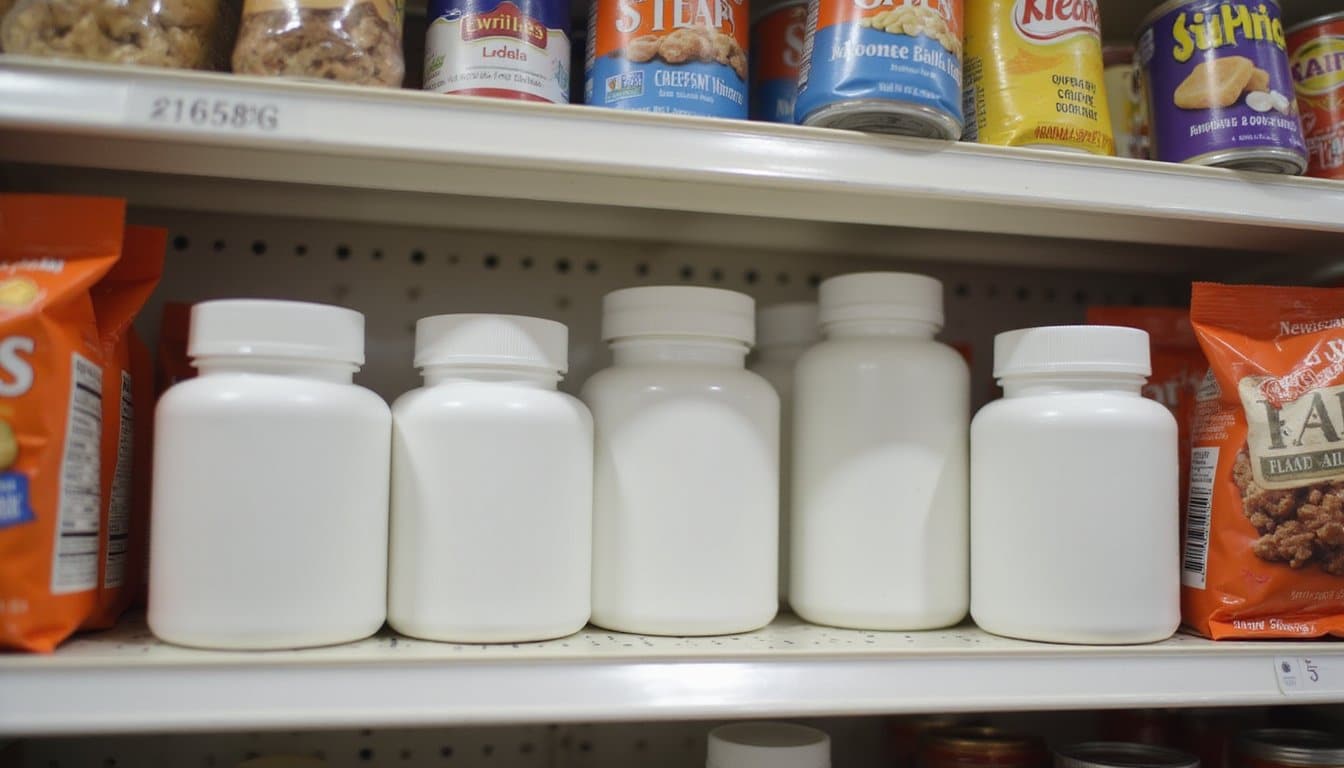

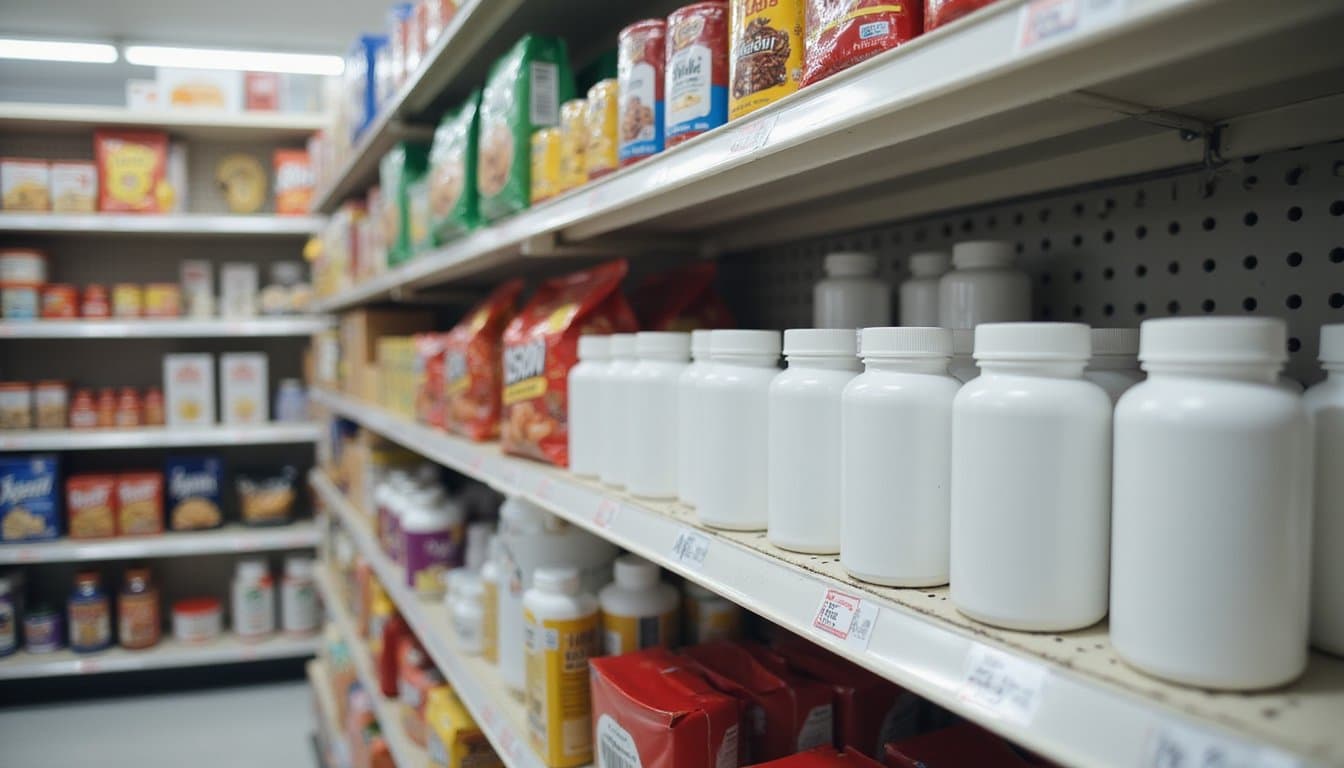
“Gas station heroin” is the street name for tianeptine, a synthetic compound sold as a dietary supplement in gas stations and smoke shops across the U.S. It’s dangerous because it acts as a full agonist at your brain’s mu-opioid receptors, the same ones targeted by heroin and oxycodone. You can develop tolerance quickly, and inconsistent potency makes accidental overdose a real threat. Understanding how it affects your body is the first step toward protecting yourself.
What Is Gas Station Heroin?
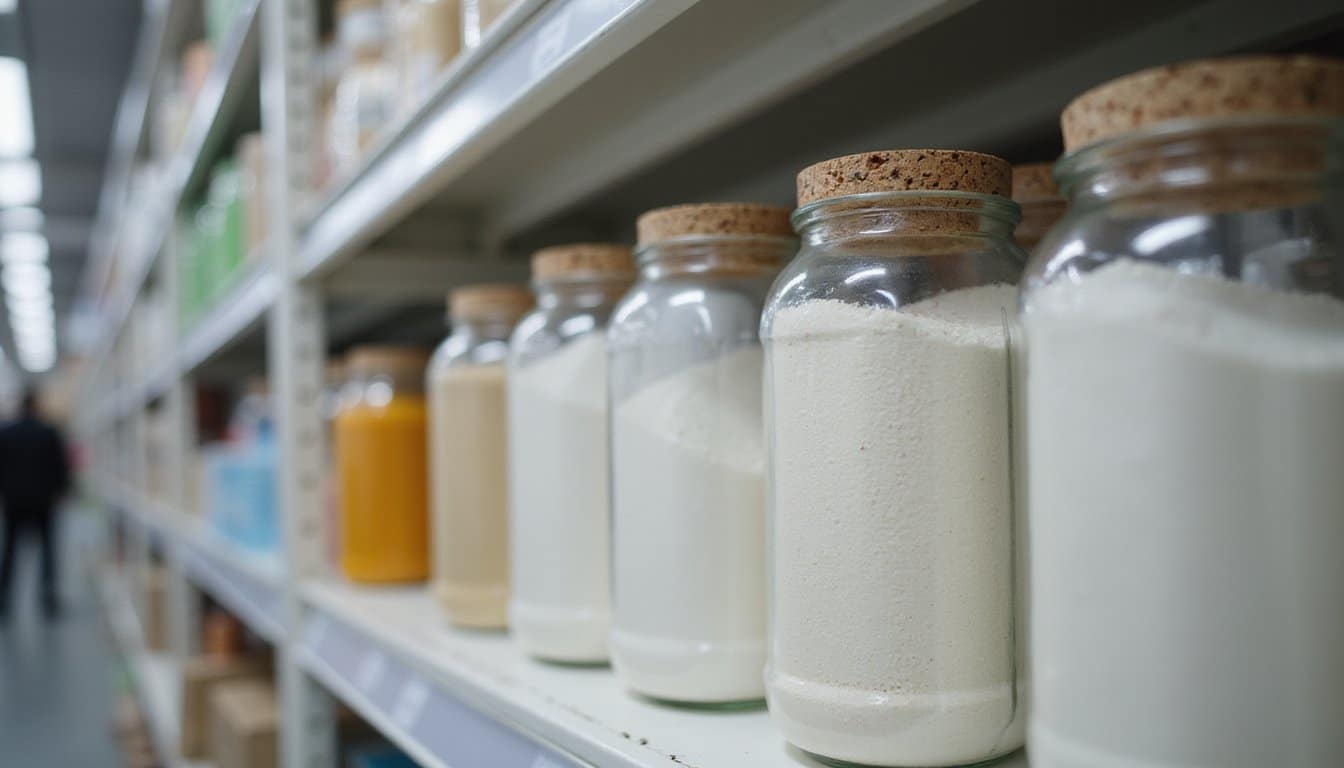
How did a French antidepressant end up on convenience store shelves next to energy drinks and phone chargers? The answer lies in a regulatory gap that’s put a dangerous substance within easy reach. Gas station heroin refers to tianeptine, a synthetic compound sold under brands like Neptune’s Fix, ZaZa, and Tianaa. You’ll find it marketed as a dietary supplement or mood enhancer, but don’t let the packaging fool you. Tianeptine isn’t FDA-approved for any medical use in the U.S. At low doses, it affects serotonin activity. At the high doses recreational users chase, sometimes exceeding 3,000mg daily, it activates opioid receptors, producing euphoria comparable to heroin. This opioid-like mechanism is exactly what makes it addictive and potentially lethal. Its effects include a warm calm, emotional numbing, temporary pain relief, drowsiness, and mood improvement, but repeated use can lead to the brain becoming dependent on tianeptine to function normally. Making matters worse, the amount of active ingredient in these products can vary widely between batches, even from the same manufacturer, increasing the risk of accidental overdose. At dangerously high doses, tianeptine can cause respiratory depression, which can slow or stop breathing entirely and lead to fatal outcomes.
Why Gas Station Heroin Acts Like an Opioid
Though tianeptine was originally developed as a tetracyclic antidepressant with serotonergic properties, it behaves nothing like a typical antidepressant at the doses recreational users consume. The tianeptine gas station drug acts as a full agonist at the mu opioid receptor, the same receptor targeted by oxycodone and heroin. This binding produces euphoria, sedation, and pain relief indistinguishable from traditional opioids.
Products like ZaZa pills and Neptune’s Fix exploit this mechanism. While therapeutic doses range from 25, 50mg, recreational users consume up to 7,500mg to achieve opioid-like highs. At these levels, tianeptine doesn’t enhance mood through serotonin pathways, it hijacks your brain’s opioid system directly. This receptor activity drives rapid tolerance, physical dependence, and the same life-threatening overdose risks you’d face with conventional opioids.
Where Is Gas Station Heroin Sold?

Tianeptine products have infiltrated nearly every type of small retail outlet in the United States, gas stations, convenience stores, smoke shops, and vape shops all serve as primary distribution points. You can find brands like Tianaa, ZaZa, and Neptune’s Fix marketed as dietary supplements or nootropics, often without any prescription requirement. Online retailers further expand access, making these convenience store drugs available nationwide.
Despite FDA warnings, gas station heroin remains widely accessible in states without explicit bans. Only eleven states have classified tianeptine as a Schedule I substance by 2025. In New Jersey, a 2024 cluster of illnesses linked to Neptune’s Fix highlighted how easily these products reach consumers. You should know that “not for human consumption” disclaimers don’t reduce their physiological risks.
Gas Station Heroin Brand Names to Watch For
You should know the most common brand names associated with tianeptine products, including ZaZa, Tianaa, Neptune’s Fix, Pegasus, and TD Red, all of which have been linked to serious adverse health events. These products often carry misleading labels that describe them as dietary supplements, nootropics, or mood enhancers, obscuring the opioid-like pharmacological effects they can produce. You’ll also find them marketed under shifting aliases on online retail platforms, where sellers exploit supplement industry loopholes to evade FDA enforcement actions.
Popular Brand Names Listed
These products appear in pills, powders, and liquid formulations with inconsistent potency. The FDA has issued specific warnings about several of these brands. If you encounter any of these names, exercise extreme caution.
Misleading Product Labels
Although these products sit on shelves beside energy drinks and vitamins, their labels routinely make serious medical claims that no FDA-approved evidence supports. You’ll find packaging that promises anxiety relief, cognitive enhancement, and even treatment for opioid cravings, claims that misrepresent what is gas station heroin and its actual pharmacological risks.
The deception runs deeper than marketing language. Neptune’s Fix, for example, has been analyzed and found to contain synthetic cannabinoids and other undisclosed substances alongside tianeptine. Bottles from the same brand can vary unpredictably in composition and potency. Some manufacturers remove tianeptine from labels after FDA warnings while potentially retaining the substance inside. Vibrant packaging and convenient retail placement create a false sense of safety, obscuring the opioid-like effects these products can produce.
Online Marketing Aliases
Misleading labels at the point of sale represent only part of the problem, tianeptine products also circulate under a growing list of online aliases designed to evade regulatory scrutiny. You’ll find them marketed as ZaZa, Tianaa, Neptune’s Fix, Pegasus, Tianna Red, and TD Red across e-commerce platforms, social media ads, and vape shop websites. Sellers frequently rebrand these items as nootropics, brain enhancers, or research chemicals to sidestep FDA oversight.
You should know the FDA has issued warning letters to distributors and activated import alerts to block tianeptine shipments. Despite these actions, formulas vary widely in potency across sellers, and some liquid products contain undisclosed synthetic additives. Poison control centers report steady call increases linked to these readily accessible online products, underscoring the urgency of consumer awareness.
What Gas Station Heroin Does to Your Body
Because tianeptine acts on the same mu-opioid receptors that heroin and fentanyl target, it can produce euphoria, sedation, and dangerous respiratory depression, even though it’s sold alongside energy drinks and snack foods.
At high doses, sometimes reaching 7,500 mg compared to the therapeutic range of 25, 50 mg, you’re exposing your body to serious cardiovascular strain, including hypertension, tachycardia, and prolonged QT intervals. You may experience seizures, loss of consciousness, nausea, and excessive sweating.
Your body builds tolerance rapidly, pushing you toward dose escalation and dependency. When you stop, withdrawal mirrors opioid cessation: agitation, physical distress, and intense cravings. Combining tianeptine with other depressants or stimulants amplifies every risk. Respiratory failure remains the primary cause of tianeptine-related deaths.
Why the FDA Hasn’t Banned Gas Station Heroin Yet

Despite the well-documented risks of tianeptine, including respiratory failure, seizure activity, and opioid-like dependency, the FDA hasn’t pulled these products from shelves. Tianeptine isn’t scheduled under the Controlled Substances Act, leaving enforcement limited to warning letters and voluntary recalls rather than criminal penalties or mandatory seizures.
Companies exploit this gap by labeling tianeptine as a dietary supplement or nootropic, even though it doesn’t qualify as a dietary ingredient. You’ll find these products sold alongside legitimate goods in gas stations and vape shops, which gives them an unearned sense of safety.
While at least 12 states have independently banned tianeptine, federal legislation remains stalled. Proposed bills have been reintroduced but not enacted, meaning regulatory action continues to lag behind the harm you’re already seeing.
Who’s Most Likely to Get Hooked on Gas Station Heroin?
While tianeptine products sit on shelves next to energy drinks and phone chargers, the people most vulnerable to addiction aren’t a single stereotype, they span several distinct groups united by unmet needs and easy access.
- Young adults (ages 21, 40): You’re the primary demographic, drawn by affordability and supplement-style marketing. Rapid tolerance escalates your use quickly.
- Chronic pain sufferers: If you lack adequate medical care, you’re likely to turn to tianeptine as an unregulated alternative, risking unpredictable dosing and overdose.
- Mental health patients: Depression or anxiety makes you susceptible to antidepressant claims, with dependence forming within days.
- Opioid recovery individuals: You may relapse believing tianeptine’s safer, only to trigger full opioid addiction patterns.
- Accessibility seekers: Frequent purchases and inconsistent product concentrations surprise you into dependence.
Is Gas Station Heroin as Addictive as Real Opioids?
Many people assume that a product sold alongside snacks and supplements can’t carry the same addiction risk as heroin or prescription painkillers, but tianeptine defies that logic. It activates mu-opioid receptors, producing euphoria, sedation, and rapid tolerance. Users report tripling their dose within a single day, with some consuming up to 250 times the therapeutic amount.
| Gas Station Heroin | Traditional Opioids |
|---|---|
| Activates mu-opioid receptors | Activates mu-opioid receptors |
| Rapid tolerance development | Rapid tolerance development |
| Severe withdrawal symptoms | Severe withdrawal symptoms |
| Triggers opioid-like cravings | Triggers opioid-like cravings |
| Linked to seizures and overdose deaths | Linked to seizures and overdose deaths |
You’re facing comparable addiction potential. Withdrawals are reported as equal to, or worse than, traditional opiate withdrawal, and relapse onto heroin or prescription opioids is documented.
How to Get Help for Gas Station Heroin Addiction
Recognizing that you need help is the most critical step toward breaking free from tianeptine dependence, but recovery requires more than willpower alone. Effective treatment typically follows a structured pathway:
- Medical detox stabilizes you under 24/7 supervision, using medications like naloxone to manage withdrawal safely.
- Medication-assisted treatment (MAT) with buprenorphine/naloxone normalizes brain chemistry and blocks cravings.
- Evidence-based therapies such as CBT and DBT address triggers, thought patterns, and emotional regulation.
- Structured programs like PHP, IOP, or residential treatment provide flexible, all-encompassing care tailored to your needs.
- Long-term aftercare includes outpatient therapy and alumni support groups to prevent relapse.
If you’re struggling, SAMHSA’s National Helpline offers free, confidential, 24/7 treatment referrals in English and Spanish. Professional intervention is essential, don’t attempt recovery alone.
Support Is Just One Call Away
Gas station drugs can be just as addictive and dangerous as illegal substances. At Miami Outpatient Detox, we connect individuals with licensed detox centers offering a full range of Detox Programs to help you take the first step toward recovery. Call (786) 228-8884 today and let us guide you toward the right care.
Frequently Asked Questions
Can Gas Station Heroin Show up on a Standard Drug Test?
No, gas station heroin won’t show up on a standard drug test. Standard 5-panel and 10-panel urine screens don’t detect tianeptine, even though it mimics opioid effects. You’d need specialized laboratory testing, which only a handful of U.S. labs currently offer. This detection gap means you could test negative while experiencing significant physiological effects or withdrawal. If you suspect tianeptine exposure, you should contact poison control and request targeted screening.
What Should You Do if Someone Overdoses on Gas Station Heroin?
If someone overdoses on gas station heroin, you should call 911 immediately and administer naloxone if it’s available, since tianeptine activates opioid receptors. While waiting for help, monitor their breathing and keep them on their side to prevent choking. Watch for slowed breathing, unresponsiveness, or seizures. Don’t leave them alone. You can also contact poison control at 1-800-222-1222 for real-time guidance on next steps.
Is Gas Station Heroin Legal in Every State Right Now?
No, gas station heroin isn’t legal in every state. At least 12 states, including Alabama, Florida, Indiana, Kentucky, Michigan, Ohio, Tennessee, and Virginia, have banned tianeptine as a controlled substance. Several others have pending legislation to restrict it. However, if you’re in a state without a ban, you can still find these products in gas stations and smoke shops despite FDA warnings. Don’t mistake legal availability for safety.
Can You Die From Gas Station Heroin Withdrawal Without Medical Help?
While death directly from tianeptine withdrawal alone isn’t well-documented, you can face life-threatening complications without medical help. Severe dehydration from vomiting and diarrhea, cardiovascular strain from extreme agitation, and heightened suicidality from intense psychological distress all pose real dangers. You’re especially at risk if you’ve escalated to gram-level daily doses. Because symptoms hit harder than typical opioid withdrawal, you shouldn’t attempt quitting alone, professional detox considerably improves your safety and outcomes.
Does Gas Station Heroin Interact Dangerously With Prescription Medications?
Yes, gas station heroin can interact dangeriously with your prescription medications. Tianeptine activates mu-opioid receptors, so combining it with prescribed opioids, benzodiazepines, or other CNS depressants substantially increases your risk of respiratory failure and overdose. You’ll also face unpredictable dangers because these products contain inconsistent doses and potential contaminants. Mixing them with antidepressants or sedatives can trigger seizures, tachycardia, and life-threatening complications. You should disclose any use to your healthcare provider immediately.