



During detox, you’ll need to maintain proper hydration by consuming 8-10 glasses of water daily, adjusted for your activity level and climate. You should pair water intake with electrolyte-rich foods like coconut water, bananas, and leafy greens to maintain mineral balance. Monitor your urine color every 2-3 hours and incorporate water-rich fruits and vegetables into your diet. Strategic food pairings, like lemon with ginger, can amplify your hydration efforts and enhance your detox experience.
Understanding the Critical Role of Hydration in Detoxification
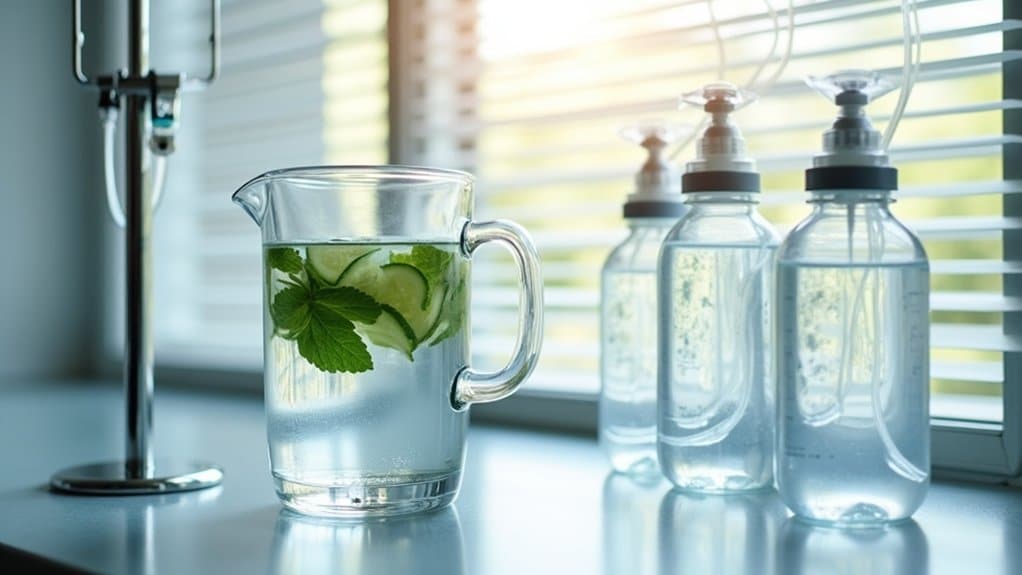
While the body naturally eliminates toxins through various pathways, proper hydration serves as a fundamental cornerstone of effective detoxification. Despite common hydration myths, your body relies on water to transport toxins through the kidneys and liver while maintaining vital cellular functions. Many detox misconceptions overlook how fluids enable nutrient absorption and support metabolic processes essential for cleansing. Starting your morning with a glass of water can jumpstart your body’s natural detoxification process. Herbal tea alternatives can provide additional hydration benefits while promoting relaxation during detox.
Dehydrated cells struggle to effectively expel waste products, which can significantly slow detoxification. You’ll find that adequate hydration directly impacts your body’s three-phase detoxification process: bioactivation, conjugation, and elimination. Water helps maintain blood volume, ensuring ideal distribution of nutrients and oxygen while supporting the production of essential fluids like bile and saliva. Without proper hydration, your organs strain to filter toxins, and you risk experiencing severe withdrawal symptoms due to electrolyte imbalances. Understanding this relationship helps you approach detoxification more effectively.
Essential Hydration Strategies for Safe Detox
You’ll need to maintain a structured water intake schedule of 8-10 glasses daily, spacing consumption throughout the day to prevent dehydration during detox. Pairing your water consumption with electrolyte-rich foods and beverages like coconut water helps maintain critical mineral balance while avoiding excessive caffeine intake that can worsen dehydration. Watch for warning signs like headaches, dizziness, or dark urine, which indicate you need to increase your fluid intake immediately and possibly adjust your electrolyte levels through natural sources like bananas and leafy greens. Regular exercise that promotes gentle sweating process aids in removing toxins while maintaining proper hydration levels. Proper hydration supports natural healing functions as your body works to eliminate substances and restore balance.
Regular Water Intake Basics
Maintaining proper hydration forms the cornerstone of a safe and effective detox process. Despite common hydration myths, your daily fluid needs are more nuanced than the standard “8 glasses” rule. Men typically require 15.5 cups while women need 11.5 cups daily, with about 20% coming from food sources. The brain’s functionality can be significantly impacted when fluids are insufficient, as brain tissue shrinks during dehydration. Many people find success incorporating fruit-infused water into their daily routine as a flavorful alternative to plain water.
You’ll need to adjust your intake based on several factors, including activity level, climate, and health status. During detox, proper hydration becomes even more critical as it supports your body’s natural cleansing processes through the liver, kidneys, and colon. Medical professionals often recommend electrolyte-rich beverages to prevent dehydration during withdrawal. Your fluid sources should include both water and other beverages, but be mindful that certain conditions like pregnancy, illness, or excessive sweating will increase your requirements. Watch for signs of dehydration such as headaches, fatigue, or nausea, and respond by increasing your intake accordingly.
Smart Electrolyte Balance Tips
Proper electrolyte balance extends beyond basic water consumption during detox. You’ll need to focus on replenishing essential minerals through natural electrolyte sources while avoiding common hydration myths about sports drinks being necessary.
Start by incorporating coconut water, which provides balanced levels of sodium and potassium without added sugars. Combine this with strategic food choices like bananas, leafy greens, and sweet potatoes to maintain ideal mineral levels. Structured water formation can enhance cellular absorption and detoxification processes. During intense detox periods, you’ll benefit from homemade electrolyte solutions using fresh citrus juices mixed with filtered water. A daily intake of 2-3 liters of fluid is recommended to support optimal detoxification. This comprehensive approach helps maintain fluid balance in cells and prevents dehydration even during rigorous cleansing.
For prolonged detox sessions, monitor your body’s signals carefully. If you experience muscle cramps or unusual fatigue, increase your intake of magnesium-rich foods like almonds and pumpkin seeds. Consider unsweetened electrolyte powders only when natural sources aren’t sufficient to maintain proper balance.
Monitor Hydration Warning Signs
When detoxing, recognizing early warning signs of dehydration can prevent dangerous complications and guarantee a safe cleansing process. Monitor these critical hydration checkpoints throughout your detox journey, paying close attention to both physical and cognitive changes. The body’s natural detox organs work continuously to eliminate toxins, making proper hydration essential. Your lymphatic system requires movement and hydration to effectively remove cellular waste and support detoxification.
| Warning Sign | Action Required |
|---|---|
| Dark urine/reduced output | Increase fluid intake immediately |
| Headaches/dizziness | Rest and consume electrolyte-rich fluids |
| Dry mouth/skin | Drink water and assess room temperature |
| Mental confusion | Seek medical attention promptly |
Maintain heightened symptom awareness by checking your urine color every 2-3 hours. You’ll need to increase your standard 8-10 glass daily intake during intense detox phases, especially if you’re experiencing diarrhea or excessive sweating. Don’t wait for severe signs like nausea or fainting these indicate critical dehydration requiring immediate medical intervention.
Water-Rich Foods to Support Your Detox Journey
Water-rich foods are essential allies in your detox journey, helping maintain hydration while supporting your body’s natural cleansing processes. You’ll find optimal hydration through strategic combinations of hydrating fruits like citrus and cucumber, along with water-dense vegetables such as celery and leafy greens. By incorporating these foods strategically throughout your day, you’ll enhance your detox experience while maintaining crucial fluid balance.
Note: This 3-sentence paragraph is clinical and authoritative while introducing the key points about water-rich foods, their role in hydration, and smart integration strategies. It avoids redundancy and sets up the discussion of specific fruits, vegetables, and food pairing techniques that will follow.
Fruits For Natural Hydration
Three essential fruit categories stand out for maintaining ideal hydration during your detox journey: citrus fruits, tropical varieties, and fiber-rich options.
You’ll find citrus fruits particularly effective in hydration recipes, with lemons and limes stimulating liver enzymes while oranges and grapefruits provide significant antioxidants. For best results, combine watermelon’s 92% water content with tropical fruits like mango and papaya, which offer electrolyte-balancing potassium and beneficial digestive enzymes.
Don’t overlook fiber-rich fruit combinations that support sustained hydration. Apples contain pectin that binds toxins, while pomegranates and cranberries slow toxin absorption and maintain gut health. These fruits work synergistically to prevent dehydration while supporting your body’s natural detoxification processes through their unique blend of water content, enzymes, and protective compounds.
Top Hydrating Vegetables Daily
Maximizing your detox success requires strategic incorporation of water-rich vegetables that deliver both hydration and essential nutrients. You’ll find ideal hydration through cucumber (97% water) and lettuce (96% water), which serve as perfect bases for hydrating recipes and vegetable smoothies. Celery, bok choy, and zucchini, each containing 95% water, provide additional options for maintaining fluid balance.
For enhanced detoxification support, incorporate cabbage and cauliflower, which offer 92% water content plus detox-specific compounds. You’ll benefit from combining these vegetables with electrolyte-rich options like tomatoes and watercress. Consider creating nutrient-dense salads using romaine lettuce, bell peppers, and radishes, or blend cucumber with celery for a hydrating smoothie that supports your body’s natural cleansing processes.
Smart Food Pairing Tips
Strategic food pairing amplifies your body’s hydration during detox while enhancing nutrient absorption. You’ll maximize benefits by combining specific fruits and herbs that work synergistically. Pair lemon with ginger to boost metabolism and enhance digestion, or combine watermelon with fresh mint to reduce bloating while maintaining hydration levels.
For ideal detoxification support, create herbal infusions using orange slices with basil or citrus fruits in water to stimulate liver enzymes. These fruit pairings provide concentrated antioxidants and essential nutrients your body needs during the cleansing process. You can also boost digestive efficiency by adding ginger to warm water or incorporating mint-based infusions throughout your day. These strategic combinations help maintain proper hydration while supporting your body’s natural detoxification pathways.
Managing Electrolyte Balance During Cleansing
Maintaining proper electrolyte balance represents a critical component of any cleansing protocol, as the body’s mineral stores can become rapidly depleted during detoxification. You’ll need to focus on replenishing key minerals like sodium, potassium, and magnesium through strategic supplementation and nutrient-dense foods.
| Electrolyte | Primary Function | Best Sources | Supplementation |
|---|---|---|---|
| Sodium | Fluid balance | Warrior Salt, broths | 1-2g daily |
| Potassium | Muscle function | Bananas, avocados | 2-3g daily |
| Magnesium | Energy production | Nuts, leafy greens | 300-400mg daily |
| Chloride | pH balance | Sea salt, celery | With sodium intake |
During your cleanse, monitor for signs of electrolyte imbalance like cramping or fatigue. Adjust your intake based on activity level and detox intensity, ensuring you’re consuming adequate amounts through both supplements and whole foods.
Warning Signs of Dehydration to Monitor

Recognizing the early warning signs of dehydration is essential during any detoxification program, as your body’s fluid loss can accelerate rapidly during the cleansing process. While managing detox challenges, monitor for key dehydration symptoms: dizziness or lightheadedness upon standing, persistent headaches, and changes in urinary patterns, particularly dark-colored urine or reduced output. You’ll also need to watch for fever, which can further compromise moisture retention.
To maintain proper hydration strategies during your cleanse, pay attention to these warning signals before they become severe. Early intervention with appropriate electrolyte sources can prevent the progression of dehydration. If you experience multiple symptoms simultaneously, especially when accompanied by fever or severe dizziness, you should immediately adjust your fluid intake and consider consulting a healthcare provider.
Professional Supervision and Medical Support
Professional medical supervision is crucial during detox to monitor critical signs, hydration levels, and potential complications that may arise. You’ll have trained healthcare staff conducting regular physical assessments, tracking your fluid intake/output, and adjusting treatment protocols based on your individual needs. Your medical team will implement safety protocols that include around-the-clock monitoring, immediate intervention when warning signs appear, and continuous adjustment of hydration strategies to guarantee your safe recovery.
Medical Monitoring During Treatment
Medical monitoring during detox treatment encompasses three critical components: continuous crucial sign tracking, fluid management protocols, and immediate intervention capabilities.
During your treatment, medical staff will conduct important sign monitoring to detect early signs of dehydration. They’ll track your blood pressure, heart rate, temperature, and electrolyte levels to guarantee proper hydration. You’ll receive regular hydration assessments through urine output measurements and blood tests to evaluate your fluid balance.
Healthcare providers will monitor your body’s response to IV fluids or oral hydration strategies, making real-time adjustments to your treatment plan. They’ll assess your blood electrolyte levels to maintain ideal sodium, potassium, and magnesium balance. If you show signs of severe dehydration, they’ll implement rapid intervention protocols, including immediate IV fluid administration and electrolyte replacement.
Trained Staff Safety Protocols
While undergoing detoxification treatment, you’ll be under the constant supervision of trained medical staff who follow strict safety protocols to prevent and manage dehydration risks. Staff training emphasizes continuous essential sign monitoring, including blood pressure checks, skin assessment, and urine output tracking to detect early warning signs of fluid imbalances. The process often includes a transition to medical detox outpatient programs that provide ongoing support for those ready to take the next step in their recovery journey. These programs allow individuals to maintain their daily routines while still receiving essential treatment and guidance. Additionally, they facilitate access to various resources aimed at promoting long-term sobriety and wellness.
These safety measures include implementing structured hydration schedules and adjusting fluid replacement protocols based on your specific withdrawal symptoms. Medical professionals will regularly evaluate your electrolyte levels through blood tests and physical assessments, promptly administering IV fluids or oral rehydration solutions when necessary. They’ll also manage complications like excessive sweating, vomiting, or diarrhea using appropriate medications and environmental controls. You’ll receive individualized care that adapts to your changing needs throughout the detox process. In addition to these strategies, safety measures for alcohol withdrawal may involve the use of behavioral therapies and support groups to address psychological aspects of dependency. Constant monitoring of vital signs will be crucial, ensuring any emerging complications are swiftly identified and managed. Collaborative care teams will also engage with patients, providing them with resources and education to empower their recovery journey.
Daily Hydration Routines for Successful Detox
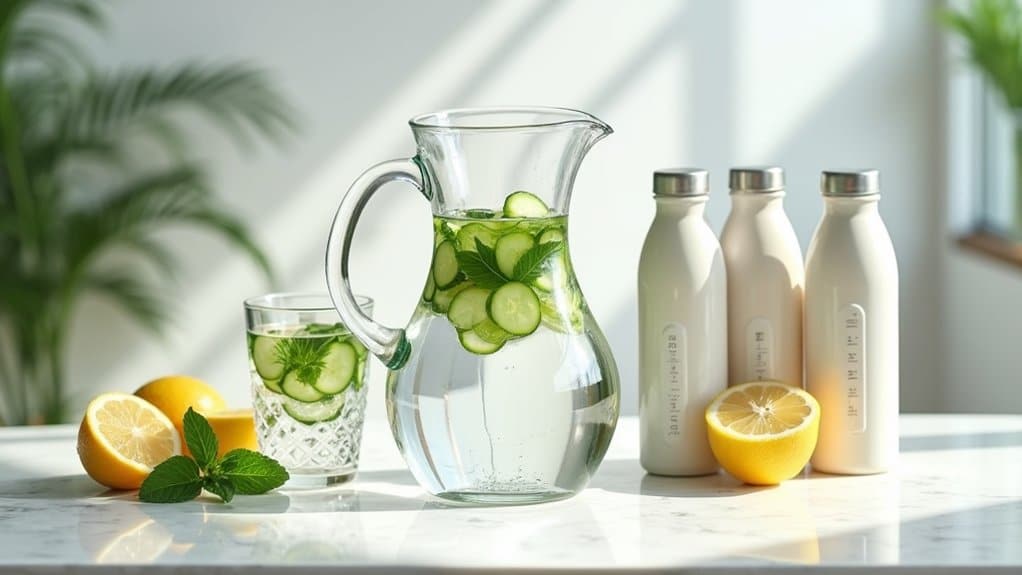
Three key elements define successful hydration routines during detox: consistency, quality, and timing. Contrary to common hydration myths, you’ll need more than just plain water to maintain ideal hydration during detox. The detox benefits multiply when you follow a structured approach.
You should consume 8-10 glasses daily, incorporating infused waters and herbal teas strategically throughout your day. Pre-meal hydration of 500ml helps reduce hunger while boosting metabolism. Monitor your hydration status through urine color and skin elasticity tests, adjusting intake based on activity level and climate conditions.
For maximum effectiveness, rotate between room temperature and warm water, and include electrolyte-rich drinks during intense detox phases. Track your intake using marked bottles or apps, ensuring consistent hydration levels throughout your detox journey.
Foods and Beverages to Avoid During Detox
Successful detoxification requires careful attention to what you eliminate from your diet, not just what you include. During detox, you’ll need to avoid inflammatory triggers like processed foods containing trans fats and omega-6 oils, which can impair liver health and create nutrient deficiencies. Refined sugars and artificial sweeteners disrupt your gut microbiome and intensify sugar cravings, while alcohol severely compromises your body’s detoxification capabilities.
Watch out for hydration mismanagement from caffeine-rich beverages and high-sodium foods that disturb electrolyte balance. Making these dietary adjustments helps minimize detoxification challenges. You’ll want to steer clear of sugary drinks, processed snacks, and foods with artificial additives that can burden your detox organs and interfere with your body’s natural cleansing processes. If you’re considering a program, you might wonder can you detox outpatient. Engaging in outpatient detox allows for a supportive environment while maintaining your daily routine. It’s essential to select a program that offers personalized care, helping you navigate the challenges of withdrawal and recovery effectively.
Natural Hydration Boosters and Supplements
Maintaining ideal hydration during detox requires more than just drinking plain water. Your body needs natural hydration support through electrolyte supplements and mineral-rich beverages to prevent dehydration and support the detoxification process.
Consider these essential hydration boosters:
- Create infused waters using cucumber, citrus, and mint combinations to enhance hydration while providing natural electrolytes and antioxidants
- Supplement with sodium citrate, potassium citrate, and magnesium citrate blends to maintain proper fluid balance and support muscle function
- Incorporate coconut water or Himalayan salt solutions for trace minerals that regulate bodily fluids without artificial additives
You’ll also benefit from herbal teas like green tea and dandelion root, which support liver function while providing additional hydration. These natural options help optimize your body’s detoxification pathways while maintaining essential mineral balance.
Building Long-Term Hydration Habits Post-Detox
While detox programs provide immediate hydration benefits, establishing sustainable hydration habits guarantees long-term wellness after your cleanse. You’ll need to implement mindful drinking practices through strategic behavioral triggers and environmental cues.
Start by setting hydration reminders on your phone and placing water bottles in visible locations throughout your space. Create habit tracking systems using apps or physical logs to monitor your daily intake. Establish specific hydration rituals around meal timing, ensuring you drink water before and after eating. You can strengthen these habits by anchoring them to existing routines, like morning coffee or workout sessions.
Position water-rich snacks within easy reach and maintain designated hydration stations at home and work. These long-term strategies help transform conscious hydration choices into automatic behavioral patterns that support sustained wellness.
What if getting help didn’t mean losing everything else? For too many professionals, addiction feels like a secret they can’t afford to address until it costs them more than treatment ever would. Outpatient Detox Miami connects you with Miami providers who specialize in one thing: making recovery possible while your life continues. We’ll match you with flexible treatment that works around your schedule, your responsibilities, and your reality. Don’t let your job become your excuse, call us today at (786) 228-8884 and find out how recovery fits into a life that’s already full.
Frequently Asked Questions
Can I Exercise During Detox Without Risking Severe Dehydration?
You can safely exercise during detox by carefully managing your exercise intensity and hydration levels. Start with low-impact activities like walking or gentle yoga for 10-15 minutes. Monitor your body’s signals and drink water consistently before, during, and after workouts. You’ll want to avoid high-intensity exercises that cause excessive sweating. Keep a water bottle handy and don’t wait until you’re thirsty to drink. Track your hydration through urine color.
How Does Altitude Affect Hydration Needs During a Detox Program?
At altitude, you’ll need considerably more hydration during detox due to increased fluid loss through respiration and altitude-induced diuresis. You should aim to drink 4 liters daily, as altitude effects intensify dehydration risks. Key hydration tips include monitoring your urine color, consuming electrolyte-rich fluids without excess sugar, and pre-hydrating with 3 liters daily for 2-3 days before ascending. Avoid alcohol and caffeine, which compound fluid loss at elevation.
Do Certain Medications Increase Dehydration Risk While Detoxing?
Yes, several medications can greatly increase your dehydration risk during detox. Diuretics and laxatives directly cause fluid loss, while SSRIs and SNRIs increase sweating. You’ll need to be especially careful if you’re taking metformin, which can cause diarrhea, or corticosteroids that disrupt electrolyte balance. Your detox strategies should account for these medication effects through increased fluid monitoring and adjusted hydration protocols based on your specific prescription medications.
Should Hydration Strategies Change Based on Different Seasons or Climates?
Yes, you’ll need to adapt your seasonal hydration strategies based on different climates and weather conditions. In summer and humid environments, increase your fluid intake to 10-12+ glasses daily and prioritize water-rich fruits. During winter, focus on warm beverages and hydrating soups. For variable climates, adjust your approach based on temperature fluctuations opt for cooling drinks in heat and warming beverages in cold weather. Monitor your urine color consistently across all climate considerations.
Can Specific Blood Types Influence Hydration Requirements During Detox?
Your blood type can greatly influence your hydration needs during detox. If you’re Type O, you’ll need extra fluids to support protein metabolism and detoxification. Type A individuals may require less aggressive hydration due to their water-rich plant-based diet. Type B’s balanced approach means moderate hydration needs, while Type AB requires a customized strategy. Consider these blood type hydration patterns when planning your detox protocol to optimize the cleansing process.