





Alcohol detox requires uniquely intensive medical supervision due to its potentially lethal withdrawal complications, setting it apart from other substance treatments. You’ll need 24/7 professional monitoring as withdrawal can trigger severe seizures, delirium tremens, and cardiac issues, with untreated mortality rates reaching 37%. While opioid withdrawal causes discomfort and stimulant detox primarily affects mood, alcohol withdrawal can be fatal without proper medical intervention. Understanding these distinct risks will help you make informed treatment decisions.
The Unique Dangers of Alcohol Withdrawal
While many substance withdrawals pose health risks, alcohol withdrawal stands apart due to its potentially lethal complications and unpredictable progression. You’ll face dangers ranging from mild symptoms like tremors to life-threatening conditions such as delirium tremens, which can be fatal in 15% of untreated cases. Without proper medical intervention, the mortality rate reaches 37%. What makes alcohol detox particularly dangerous is how it affects multiple body systems simultaneously. Your central nervous system becomes hyperexcited, leading to seizures that peak 24-36 hours after your last drink. The psychological effects can be severe, including hallucinations and acute confusion. Even if you’re a moderate drinker, you can experience severe withdrawal symptoms unexpectedly. Symptoms typically begin 6 hours after your last drink and can escalate rapidly in severity. For additional support and information during detox, many patients seek guidance through addiction websites, though some may encounter security restrictions when accessing these resources. Repeated withdrawals increase your risk of cognitive impairment and worsen future episodes through the kindling effect, making professional medical supervision essential for safe detoxification.
Medical Supervision Requirements
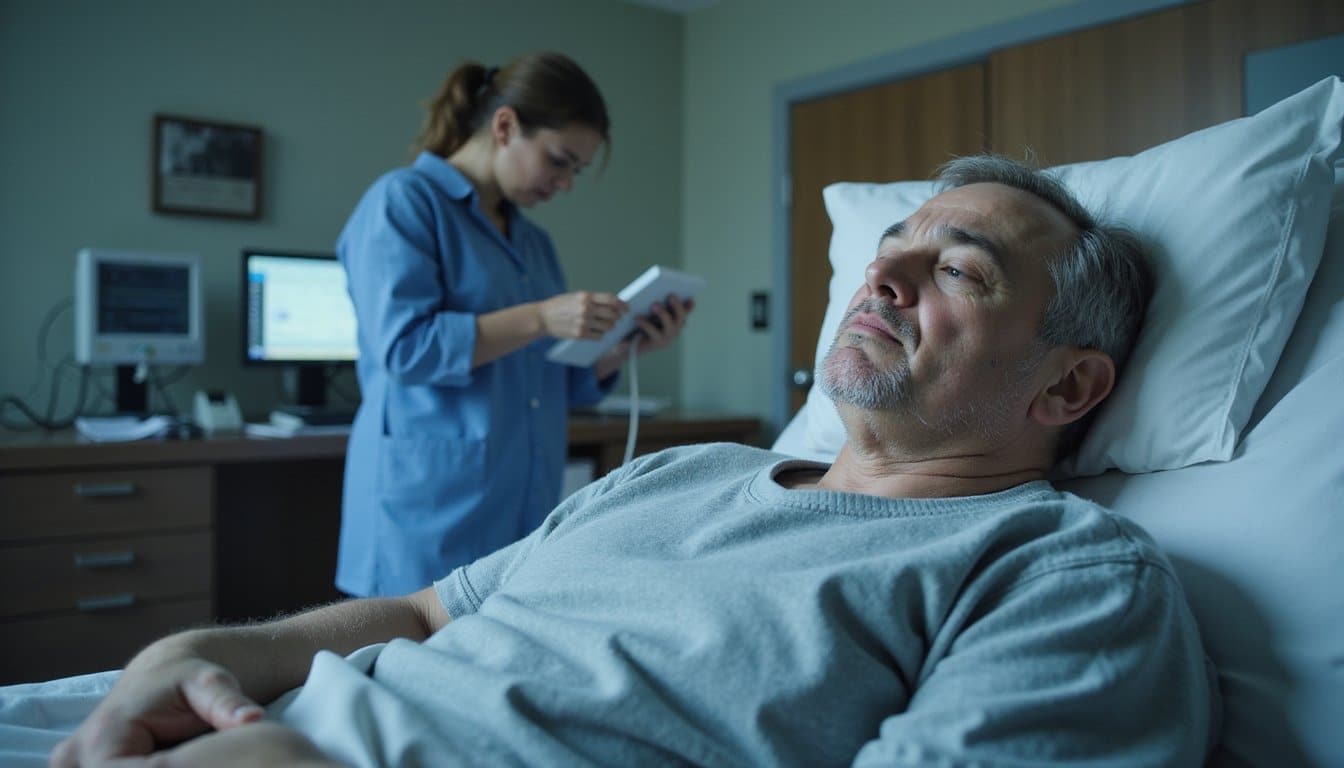
Because alcohol detox presents considerable medical risks, professional supervision requires an extensive framework of 24/7 monitoring and clinical expertise. Medical supervision during alcohol withdrawal demands rigorous detox protocols, including thorough medical evaluations, personalized treatment planning, and continuous essential sign monitoring. You’ll need specialized care from physicians, nurses, and clinical staff trained in addiction medicine to guarantee safe withdrawal management. Trained staff members provide specific medications to manage withdrawal symptoms effectively. Successful detox completion requires a comprehensive approach that addresses both physical and psychological aspects of withdrawal. Without proper medical supervision, patients face a risk of seizures that can be potentially fatal.
- Licensed medical professionals monitor your essential signs around the clock
- Physicians assess your condition within 24 hours and daily thereafter
- Medication protocols adjust in real-time based on your withdrawal symptoms
- IV fluids and nutritional support correct physical deficiencies
- Rapid intervention prevents escalation to life-threatening complications
This level of medical supervision dramatically reduces risks compared to unsupervised detox, with supervised programs showing 28% higher completion rates and considerably lower relapse rates.
This level of medical supervision dramatically reduces risks compared to unsupervised detox, highlighting the benefits of professional detox services through 28% higher completion rates and considerably lower relapse rates.
Life-Threatening Complications

The most immediate life-threatening risks you’ll face during alcohol detox include delirium tremens, which carries a 5-10% mortality rate without proper medical intervention. You’re also vulnerable to potentially fatal seizures, which affect 3-5% of withdrawal cases and can lead to severe injuries or death when unsupervised. Your risk of cardiac complications increases considerably during withdrawal, as dehydration and electrolyte imbalances can trigger dangerous arrhythmias or heart failure. Most severe symptoms occur 24 to 72 hours after cessation, making this period especially critical for medical monitoring. Due to the elevated security risks, many treatment facilities employ protective measures to ensure patient safety during the critical detox phase. The dangerous nature of alcohol withdrawal symptoms makes residential treatment essential for safely managing the detoxification process.
Delirium Tremens Mortality Risk
Mortality rates associated with delirium tremens present a stark contrast between treated and untreated cases. Without medical intervention, you’ll face mortality rates of 15-37%, while prompt treatment reduces this risk to approximately 5%. The mortality statistics reveal a concerning standardized mortality ratio of 9.8, considerably higher than that of other alcohol withdrawal conditions. Annual mortality data show that DT patients’ death rate reaches 8.0% compared to just 3.6% for alcohol dependence cases. Symptoms typically emerge 1-3 days after the last drink, making this critical window essential for seeking emergency care. Due to online security measures, obtaining access to treatment resources may require contacting providers directly if websites are temporarily restricted.
- Untreated DT can lead to death through cardiovascular complications and temperature dysregulation
- Nearly 25% of DT patients die within a 36-month observation period
- Your risk increases markedly with age and pre-existing medical conditions
- Unnatural death rates are 26.9 times higher in DT patients compared to the general population
- Early medical intervention improves survival odds to roughly 95%
This heightened mortality risk makes delirium tremens unique among addiction treatments, requiring immediate medical supervision and intensive care management for best outcomes.
Seizure and Cardiac Dangers
Life-threatening seizures and cardiac complications present significant risks during alcohol detox, with markedly different patterns than other substance withdrawals. You’ll face the highest seizure risk within 72 hours of cessation, particularly if you’re chronically dependent. Your risk increases dramatically with higher daily alcohol consumption and previous withdrawal episodes. Alcohol withdrawal seizures represent the most prevalent form of acute symptomatic seizures encountered in emergency settings. About 5% develop DTs, leading to severe complications that require immediate medical intervention.
Unlike opioid or stimulant withdrawal, alcohol detox requires intensive seizure prevention and cardiac monitoring. You’re susceptible to dangerous arrhythmias and autonomic hyperactivity, especially if you have preexisting heart conditions. Benzodiazepine medications are essential first-line treatments to reduce central nervous system hyperactivity during withdrawal. Electrolyte imbalances from withdrawal symptoms can further compromise your cardiac function.
The severity of these complications distinguishes alcohol withdrawal from other substance detoxifications. Your risk of seizures is 3-5% during detox, but this increases substantially with repeated withdrawals through a process called kindling.
Medication Protocols and Their Purpose
You’ll find benzodiazepines at the core of alcohol detox protocols because they directly prevent life-threatening complications like seizures and delirium tremens. Medical teams administer these medications using either fixed-dose or symptom-triggered regimens, carefully monitoring CIWA-Ar scores to guarantee ideal dosing and patient safety. Unlike other addiction treatments where withdrawal is merely uncomfortable, alcohol detox requires aggressive medication management to prevent potentially fatal outcomes. The goal of treatment is to achieve a calm, awake state while gradually tapering medication doses once withdrawal symptoms stabilize.
Benzodiazepines for Life Safety
During alcohol withdrawal, benzodiazepines serve as the cornerstone medication for preventing life-threatening complications like seizures and delirium tremens. Their proven benzodiazepine efficacy in withdrawal symptom management makes them the first-line treatment choice for both inpatient and outpatient detox protocols.
- Chlordiazepoxide, diazepam, lorazepam, and oxazepam are the most extensively studied options
- Symptom-triggered dosing reduces overall medication use compared to fixed schedules
- Shorter-acting agents work better for patients with liver problems or elderly individuals
- Regular CIWA-Ar score monitoring guarantees appropriate dose adjustments
- Treatment duration remains strictly limited to prevent dependence
You’ll receive carefully monitored doses based on your withdrawal severity, with medical supervision to prevent adverse effects like oversedation or respiratory depression. This evidence-based approach considerably reduces medical complications while providing essential protection during the critical detox period. the impact of medical detox on addiction is profound, as it not only addresses the physical aspects of withdrawal but also sets the stage for comprehensive recovery. By effectively managing symptoms and stabilizing the patient, medical detox can enhance engagement in subsequent therapeutic interventions. This foundational step is critical for long-term success in overcoming addiction and preventing relapse.
Managing Medical Emergencies
While benzodiazepines form the foundation of alcohol detox treatment, medical emergencies require specific protocols and immediate intervention. You’ll need emergency management when CIWA scores exceed 20 or if you’re experiencing hallucinations, seizures, or signs of delirium.
For severe withdrawal symptoms resistant to benzodiazepines, alternative medications like phenobarbital (10 mg/kg IV) or anticonvulsants may be necessary. You’ll require immediate transfer to an emergency department if you develop tachycardia above 120 bpm, suicidal thoughts, or acute medical complications.
Delirium tremens, emerging 48-96 hours after cessation, demands ICU-level care. Your risk factors, including age, comorbidities, and polysubstance use, will determine the intensity of monitoring and intervention protocols. Pre-treatment with phenobarbital may be indicated if you have a history of complicated withdrawals.
Comparison With Other Substance Withdrawals

The severity and management requirements of substance withdrawals vary greatly across different drug categories, with alcohol and benzodiazepine detoxification presenting the highest medical risks. While holistic approaches may complement treatment, the immediate focus must remain on medical safety. Long term strategies differ markedly based on the substance’s neurological impact and withdrawal profile.
The severity and management requirements of substance withdrawals vary greatly across different drug categories, with alcohol and benzodiazepine detoxification presenting the highest medical risks, clear examples of drug addiction physical dependence in clinical practice. While holistic approaches may complement treatment, the immediate focus must remain on medical safety. Long-term strategies differ markedly based on the substance’s neurological impact and withdrawal profile.
- Alcohol withdrawal uniquely triggers delirium tremens with up to 15% fatality rate if untreated, requiring intensive medical supervision
- Benzodiazepine detox mirrors alcohol’s dangers, necessitating careful tapering protocols
- Opioid withdrawal, while intensely uncomfortable, rarely proves lethal but carries considerable post-detox overdose risk
- Stimulant withdrawal primarily manifests in psychological symptoms with limited physical danger
- Most other substances, including cannabis and hallucinogens, present milder withdrawal profiles requiring minimal medical intervention
Timeline and Duration Differences
Understanding alcohol withdrawal‘s distinct timeline sets it apart from other substance detoxification processes, particularly in its rapid onset and potentially severe progression. You’ll experience initial symptoms within 6-12 hours after your last drink, compared to benzodiazepines or long-acting opioids, which typically take days to manifest withdrawal effects.
Timeline variability depends heavily on your drinking patterns and individual health factors. While alcohol’s acute phase typically resolves within 4-7 days, withdrawal intensity peaks between 24-72 hours, presenting risks like seizures and delirium tremens. This contrasts with benzodiazepine withdrawal, which can last months, or short-acting opioid withdrawal, spanning 4-10 days. What’s vital to note is alcohol’s unique combination of rapid onset and potentially life-threatening complications, making medical supervision essential during detoxification.
Professional Care Standards
Professional standards governing alcohol detoxification centers establish rigorous protocols that exceed typical addiction treatment requirements. You’ll find that professional care standards for alcohol detox demand increased medical oversight, specific staff qualifications, and thorough monitoring protocols to guarantee patient safety during withdrawal.
- Treatment standards require 24-hour clinical supervision by medically credentialed personnel
- Medical protocols must align with ASAM guidelines for withdrawal management
- Staff must demonstrate competency in emergency protocols and medication administration
- Centers must maintain specific staffing ratios during critical detox phases
- Regular protocol evaluations guarantee compliance with evidence-based practices
These stringent requirements reflect the medical complexity and potentially life-threatening nature of alcohol withdrawal, distinguishing it from other addiction treatments. State agencies enforce these heightened standards through regular compliance checks and licensing requirements, ensuring facilities maintain the highest level of professional care.
Treatment Success Factors
Multiple factors influence successful alcohol detox outcomes, with treatment completion emerging as a primary determinant of long-term recovery. Treatment completion rates show that patients who finish their programs achieve considerably better outcomes, with up to 68% maintaining sobriety. You’ll find that older adults and women demonstrate higher success rates, with older women achieving 75% long-term remission.
Early intervention plays an essential role in recovery success, particularly when combined with lower initial drinking frequency. For ideal outcomes, you’ll need extensive relapse prevention strategies, including ongoing therapy and peer support groups. The data indicate that 85-95% of patients who complete treatment maintain abstinence at nine months post-rehab when following structured aftercare plans. Environmental stability and continuous support systems greatly enhance your chances of sustained sobriety.
Recovery Pathway Distinctions
Distinct recovery pathways for alcohol and drug addiction reveal fundamental differences in medical protocols, social support structures, and treatment approaches. Recovery models emphasize varying levels of medical oversight and support networks based on substance-specific risks and established treatment frameworks.
- Alcohol detox requires intensive medical monitoring due to potentially severe withdrawal symptoms, including seizures and delirium tremens, starting 6-24 hours after the last drink
- Clinical pathways integrate healthcare professionals for medical detox and rehabilitation, while non-clinical options utilize peer support groups
- Alcohol recovery benefits from extensive societal infrastructure, including established AA chapters and sober living networks
- Support networks differ between substances, with alcohol recovery communities strongly emphasizing abstinence milestones
- Recovery pathway selection varies, with some individuals maintaining alcohol use while abstaining from other substances, reflecting different community norms
Alcohol withdrawal is not like anything else. It can be unpredictable, physically intense, and in some cases genuinely dangerous without the right medical support in place. What works for other addictions simply does not apply here and treating alcohol detox the same way can put your health and your life at risk. Alcohol detox treatment deserves its own approach, its own care, and its own level of attention. Outpatient Drug Rehab Tampa FL helps Tampa residents navigate alcohol detox treatment safely with the professional support that this specific journey truly demands. Call (786) 228-8884 today. Alcohol withdrawal is serious. You should not face it without the right help beside you.
Frequently Asked Questions
Can I Continue Working During Alcohol Detox Treatment?
You shouldn’t work during alcohol detox treatment due to severe physical and cognitive symptoms that can compromise your safety and work performance. The detox schedule requires intensive medical monitoring, especially in the first 48-72 hours when life-threatening complications may occur. Maintaining work-life balance isn’t feasible during this critical period, as your body needs complete focus on recovery. Only resume work after receiving medical clearance and completing the acute withdrawal phase.
How Much Does Professional Alcohol Detox Typically Cost?
You’ll typically spend between $250-$1,500 per day for professional alcohol detox, with total costs ranging from $1,000-$5,000 for a standard 3-7 day program. Detox pricing varies based on the level of medical supervision and facility type you choose. For more affordable treatment options, you can explore outpatient detox ($1,000-$1,500 total) or check if your insurance covers the costs. Some facilities also offer sliding-scale fees based on your income.
Will My Health Insurance Cover Alcohol Detox Treatment?
Yes, your health insurance will likely cover alcohol detox treatment. Under the Affordable Care Act and Mental Health Parity Act, most insurance plans must provide detox benefits similar to medical care coverage. However, your out-of-pocket costs will depend on your specific plan’s deductibles, copays, and whether you choose in-network providers. It’s crucial to verify your insurance coverage by contacting your provider directly or working with a treatment center’s insurance specialist.
Are There Gender-Specific Alcohol Detox Programs Available?
Yes, you’ll find gender-specific alcohol detox programs widely available at specialized treatment centers. These programs account for significant gender differences in addiction patterns and recovery needs. Treatment approaches for women often focus on trauma-informed care, mental health support, and family dynamics, while providing a safe, women-only environment. Research shows that gender-specific programs typically result in better outcomes, as they’re tailored to address unique physiological and psychological challenges you may face during detox.
What Personal Items Should I Bring to an Alcohol Detox Facility?
You’ll need essential items, including your state ID, insurance card, and prescription medications in original containers. Pack a week’s worth of comfortable clothing, toiletries (alcohol-free), and necessary personal comfort items like a journal or family photos. Don’t forget hygiene supplies, sleepwear, and appropriate footwear. Bring any approved electronics, like headphones or an MP3 player, for relaxation. Remember, all items must meet facility guidelines for safety and compliance.