





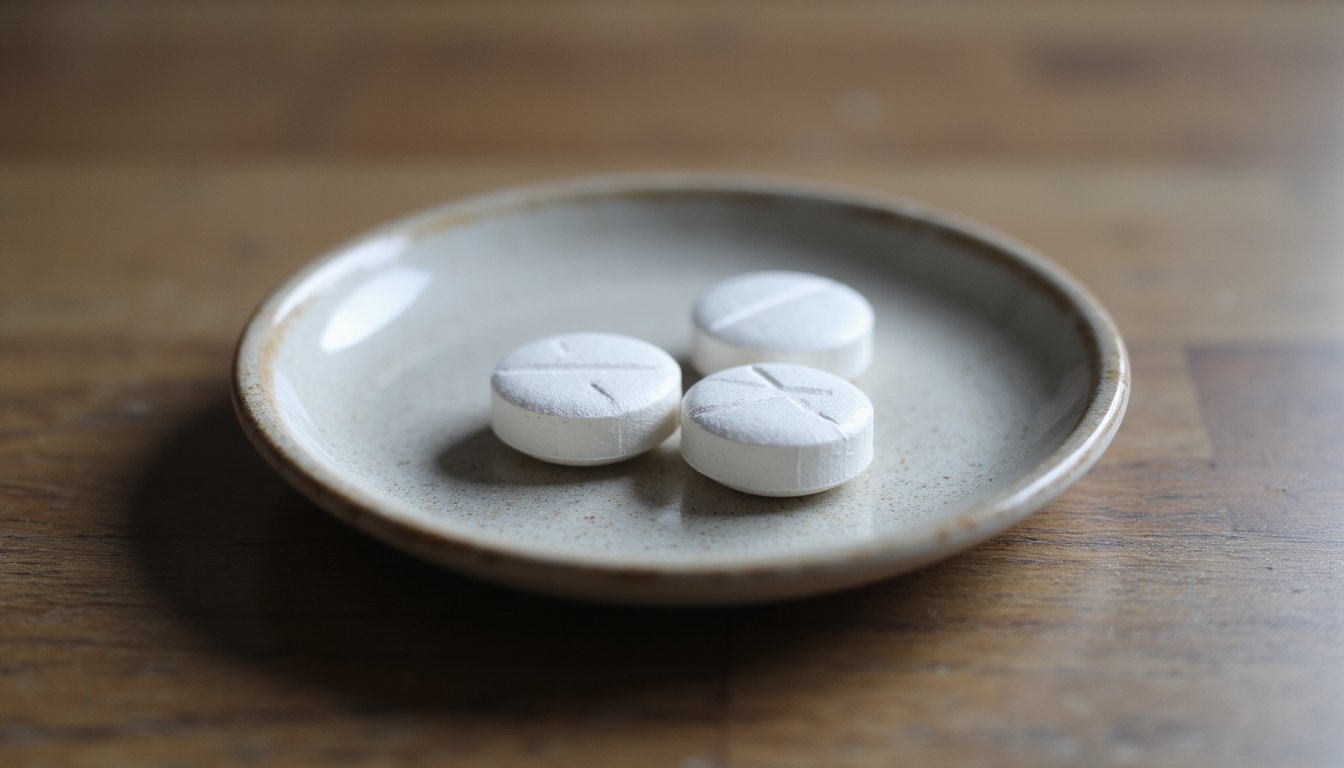
You can identify sprayed weed through three key indicators. Visually, look for chalky coatings, unusual glossiness, or powdery residue when you rub buds between your fingers. Smell-wise, contaminated cannabis often carries metallic, artificially sweet, or chemical odors instead of complex terpene profiles. Texture reveals contamination through oily residue, gritty particles, or unnaturally rock-hard density. Understanding these warning signs protects you, but combustion tests and health risk awareness offer even deeper protection.
Warning Signs of Sprayed Weed You Can See
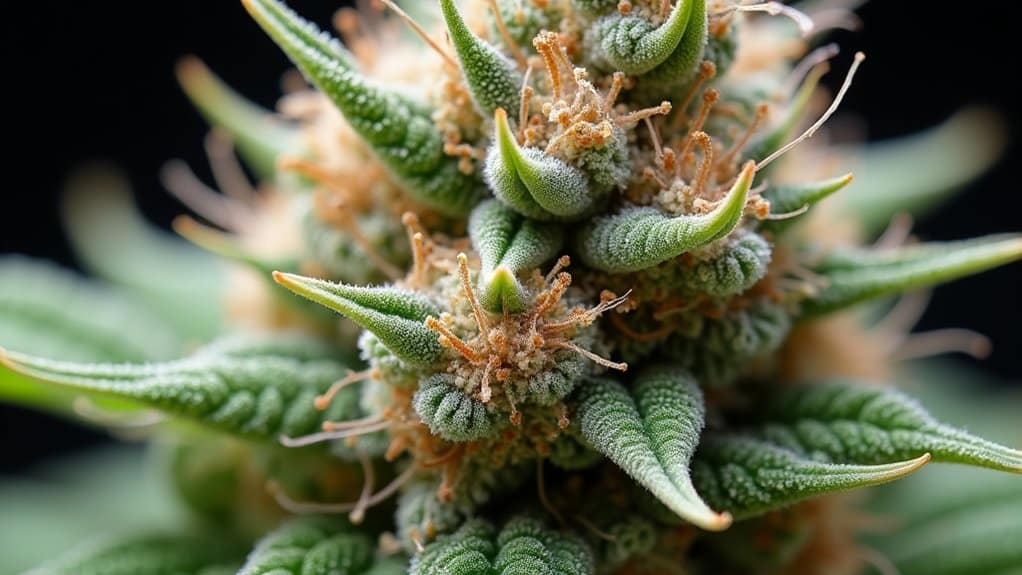
Additionally, watch for a chalky or powdery coating, a dusty white film suggesting bulking agents like talc or silica. Rubbing the bud between your fingers will leave behind powdery residue that clean cannabis doesn’t produce. Powdered glass or grit used to increase weight can cause tiny cuts in respiratory organs and boost chances of developing infections. Buds that appear overly glossy or shiny with an unnatural sparkle may indicate coating with sugars, adhesives, or other substances designed to create a deceptive frosty appearance. Buds that are very hard and compact with an unusual shine may suggest they have been treated with hair spray to add weight and alter their texture.
What Sprayed Weed Smells Like vs. Clean Bud
While visual inspection reveals many warning signs, your nose often provides the most reliable first line of defense against sprayed cannabis. Clean bud delivers a complex aromatic profile, earthy, fruity, or gas-forward notes that intensify when you break apart the flower. These terpene-driven scents linger naturally on your fingers and in the air.
Sprayed bud signs become apparent through olfactory analysis. If your weed smells metallic, artificially sweet, or one-dimensional like perfume, you’re likely encountering additives. Chemical odors resembling cleaning products signal contamination. Another red flag: overwhelming initial loudness that fades suspiciously fast. The distinct skunk-like aroma that indicates purity will be notably absent or distorted in contaminated cannabis.
Check for weed texture residue while smelling, oily coatings often accompany synthetic aromas. Natural resin produces sticky trichomes, while sprayed material feels artificially slick. When aroma lacks strain-specific depth, proceed with caution.
Texture Red Flags That Give Away Contamination
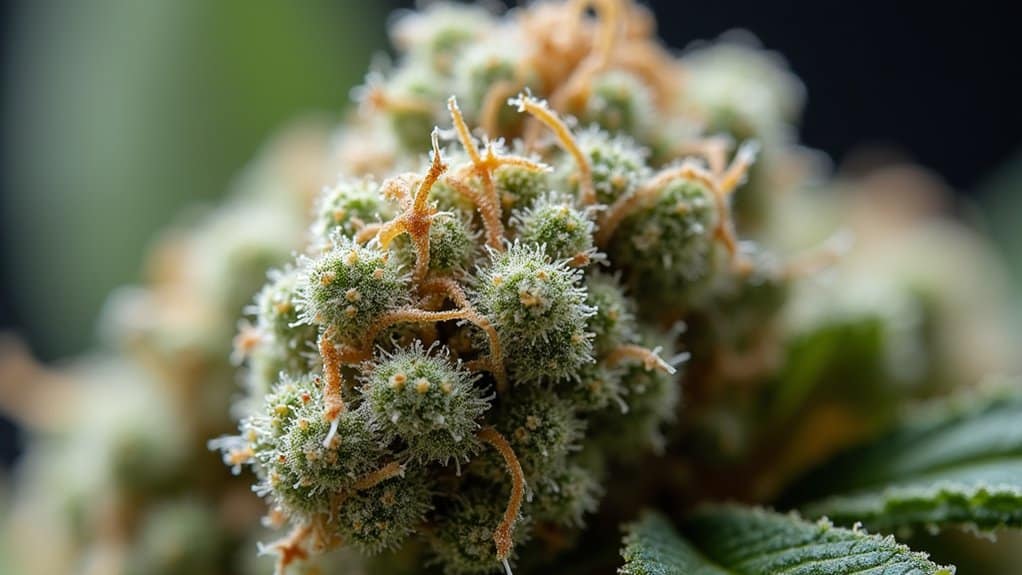
Beyond aroma, physical texture provides critical diagnostic data for identifying contaminated cannabis. When learning how to tell if weed is sprayed, tactile examination reveals contamination that visual inspection might miss. Clean cannabis exhibits natural resinous stickiness from intact trichomes, while sprayed specimens display distinctly abnormal characteristics.
Key texture indicators that signal contamination include:
- Oily or greasy residue that leaves slick films on fingers, distinct from natural resin
- Gritty or crunchy texture suggesting sand, sugar, or glass particle additives
- Powdery, chalky coating that wipes off easily, unlike embedded trichomes
- Unnaturally dense buds that resist compression and feel rock-like
Fentanyl-laced weed often presents with buds that feel dusty, crumbly, or dry compared to healthy cannabis. Cannabis laced with synthetic THC or opioids can have devastating side effects and prove highly addictive. Contaminated buds may also feel slimy to the touch, indicating possible mold growth or chemical additives that compromise product safety. Understanding what does sprayed weed look like extends beyond visuals. How to know if weed is sprayed requires correlating laced weed appearance with abnormal tactile properties for accurate contamination assessment.
Quick At-Home Tests to Detect Sprayed Weed
Tactile assessment identifies many contamination issues, but simple at-home tests provide objective verification when physical examination leaves questions unanswered.
Water Test Method
Fill a clear glass with water and drop a small cannabis piece inside. Pure cannabis floats or sinks slowly due to natural density. Rapid sinking suggests additives or sprayed residues weighing down the material.
Crackle Test Procedure
Light a small amount and listen carefully. Popping or cracking noises indicate excess moisture, pesticides, or unflushed chemicals. Properly cured cannabis burns evenly without sounds. Note that occasional single pops may result from seeds rather than contamination.
Light Test Technique
Hold your cannabis under bright white or UV light in a dark room. Examine the surface for unnatural reflections, crystalline patterns inconsistent with trichomes, or suspicious coatings that wouldn’t appear on untreated flower.
Professional Detection Spray
For more definitive results, drug detection aerosols like Cannabispray use specialized reagents that produce a reddish brown color reaction when cannabis substances are present, helping verify the identity of suspicious materials on your flower. Commercial testing kits like SwabTek use a treated cotton swab that can detect cannabis residue on any surface without requiring a sample of plant material. However, these home testing methods have limitations compared to professional lab analysis and should be considered a preliminary screening rather than conclusive proof of contamination.
How Sprayed Weed Burns and Tastes Different
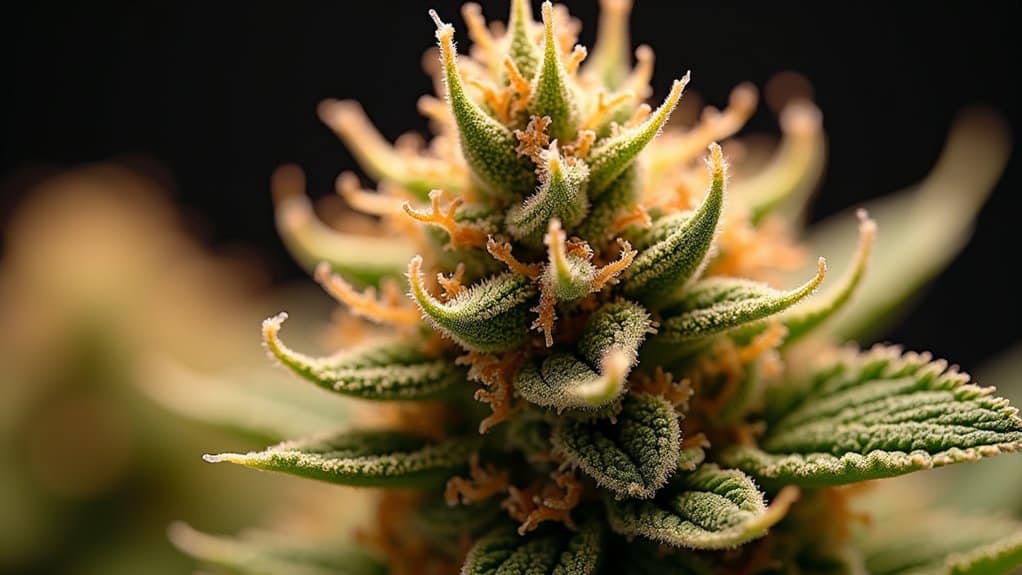
When you light sprayed cannabis, you’ll notice irregular combustion patterns, crackling, popping, or uneven burning that differs markedly from clean flower’s steady burn. The ash tells its own story, often appearing dark, oily, or black rather than the pale gray associated with properly flushed, untreated buds. These combustion irregularities, combined with excessive residue buildup in your smoking device, signal that foreign substances are vaporizing alongside the plant material. Since lacing is not visible to the naked eye and often undetectable by smell, paying attention to how your cannabis burns and tastes becomes an essential harm reduction practice. This vigilance is particularly important because insecticide adulterants like pyrethroids remain undetectable in standard drug tests, making visual and sensory cues your primary line of defense. The taste may also reveal contamination, as sprayed weed coated with substances like sugar or hairspray often produces a harsh, chemical flavor that differs significantly from natural cannabis.
Irregular Burn and Sizzling
Several telltale signs emerge during combustion that distinguish sprayed cannabis from clean flower. When you light sprayed weed, you’ll notice it burns unevenly compared to the smooth, consistent combustion of untreated cannabis. The flame sputters and protests, producing crackling or popping sounds that indicate foreign substances igniting alongside the plant material. You may observe tiny sparks resembling miniature firecracker ignitions, a clear deviation from normal burning patterns.
Key combustion indicators of sprayed cannabis:
- Uneven lighting with sputtering flame behavior
- Distinct crackling or popping sounds during ignition
- Small visible sparks appearing throughout the burn
- Harsh, erratic smoke output instead of steady release
These audible and visual cues result from additives, pesticides, or synthetic compounds reaching their ignition points. Well-cured, clean cannabis burns quietly and steadily without these acoustic protests. Similar to how burnt and discolored buds from light stress indicate damaged plant material, sprayed cannabis often leaves behind unusual ash coloration and residue patterns that differ from properly cultivated flower. Just as spraying acidic content on cannabis plants during cultivation causes visible leaf damage, consuming flower exposed to harsh chemical sprays produces distinct burning characteristics that experienced users can readily identify.
Dark Ash and Residue
Beyond the sputtering flames and crackling sounds, the ash left behind provides another diagnostic layer for identifying sprayed cannabis. Clean, properly cured flower produces light gray or white ash with a fine, powdery texture. When you’re examining sprayed material, you’ll notice dark, black, or greenish ash that forms hard, clumpy chunks rather than dissipating easily.
The residue characteristics matter considerably. Contaminated cannabis leaves oily, greasy deposits that resist crumbling. This occurs because foreign additives and heavy metals like lead, chromium, or arsenic don’t combust cleanly at standard burning temperatures. You’ll also detect a bitter, chemical aftertaste that lingers unnaturally. Quality cannabis should have a smooth and flavourful taste that reflects the strain’s natural characteristics rather than harsh or chemical-like notes.
While ash color alone isn’t definitive, dense strains can produce darker ash naturally, combining this observation with texture analysis strengthens your assessment. Hard, sticky residue paired with dark coloration strongly indicates contamination.
Health Risks of Smoking Contaminated Cannabis
How dangerous is contaminated cannabis to your health? The risks extend far beyond a bad smoking experience. When you inhale sprayed or contaminated flower, you’re potentially exposing yourself to a complex mixture of toxins that accumulate in your body over time.
Heavy metals like lead, cadmium, and mercury generate reactive oxygen species that damage your enzymes, proteins, and DNA. Fungal contaminants, particularly Aspergillus, can trigger invasive infections with fever, chest pain, and respiratory distress, conditions that prove fatal for immunocompromised individuals.
Key health risks include:
- Carcinogenic exposure from aflatoxins, vinyl chloride, and benzo[a]pyrene
- Neurological damage from mycotoxins causing cognitive impairment and dizziness
- Organ toxicity affecting kidneys, liver, and cardiovascular systems
- Endocrine disruption from pesticide residues like carbaryl and permethrin
How to Report and Dispose of Sprayed Weed Safely
If you’ve identified cannabis that appears contaminated with synthetic additives, pesticides, or other foreign substances, taking immediate action protects both your health and your community.
You should report suspected sprayed cannabis to appropriate authorities based on your jurisdiction. Contact your state cannabis regulatory board in legal markets, or reach local law enforcement for illicit products. Health departments handle public safety concerns, while the FDA investigates heavy metal or pesticide contamination.
| Disposal Step | Protocol |
|---|---|
| Containment | Seal in airtight plastic bags |
| Labeling | Mark as contaminated material |
| Packaging | Double-bag before transport |
| Disposal Site | Household hazardous waste facility |
| Avoid | Flushing or burning |
For verification, submit samples to certified testing labs for pesticide screening and heavy metals analysis. Demand certificates of analysis from future purchases.
If you or someone you love is ready to break free from cannabis addiction, know that the right help and support is there waiting for you. At Miami Outpatient Detox, we connect you with trusted cannabis detox services to help you find the care you deserve. Call (786) 228-8884 today and let us be part of your journey back to yourself.
Frequently Asked Questions
Can Dispensary-Purchased Cannabis Still Be Sprayed With Contaminants?
Yes, dispensary cannabis can still contain contaminants despite regulatory testing. You should know that testing methods have limitations, culture-based techniques often miss pathogens like Aspergillus in extracts, and sample preparation issues cause false negatives from uneven analyte distribution. While states mandate extensive testing for pesticides, heavy metals, and microbes, you’ll find that evolving guidelines acknowledge gaps in detection accuracy. Always review Certificates of Analysis from accredited labs to verify contaminant-free status.
Are Certain Cannabis Strains More Likely to Be Sprayed Than Others?
No specific strains are inherently more prone to spraying. However, you’ll find certain vulnerabilities worth noting. High-resin strains naturally mimic a sprayed appearance, complicating detection. Dense nugs can conceal bulking agents like talc or sand. Popular commercial strains face heightened contamination risk due to mass production pressures. Outdoor-grown varieties absorb soil contaminants more readily. Ultimately, market conditions, particularly unregulated or illegal sources, determine spraying likelihood more than genetic characteristics.
Does Sprayed Weed Affect Drug Test Results Differently Than Clean Cannabis?
Yes, sprayed weed affects drug test results differently than clean cannabis. If you’ve consumed flower laced with synthetic cannabinoids, standard THC panels likely won’t detect these compounds since they’re designed to identify natural THC metabolites. You might test negative despite recent use, or you’ll see inconsistent results that don’t match typical detection windows. Advanced testing methods can identify specific synthetics, but labs don’t routinely use them.
Can Washing or Rinsing Buds Remove Sprayed Contaminants Safely?
You can’t safely remove sprayed contaminants by washing buds at home. Simple rinsing fails to extract systemic pesticides like myclobutanil that absorb into plant tissue. Water-based methods won’t eliminate compounds like paclobutrazol, which transfers up to 70% into smoke even after rinsing. You’ll also risk mold growth from retained moisture. Professional remediation requires flash chromatography, X-ray decontamination, or solvent-based extraction, processes unavailable to consumers and designed specifically for extracts, not whole flower.
How Long Do Health Effects From Smoking Sprayed Weed Typically Last?
Health effects from smoking sprayed weed vary considerably based on the contaminant type. You’ll typically experience acute symptoms like nausea, headaches, and respiratory irritation within minutes, with peak effects lasting 3-5 hours. However, some effects can extend up to 24 hours. If you’re a frequent user, withdrawal symptoms and behavioral changes may persist longer than natural cannabis withdrawal. Long-term exposure accumulates organ damage and increases neurological disorder risks over time.