





Attempting to detox from benzodiazepines without medical supervision puts you at serious risk of life-threatening complications. You’ll face dangerous neurological effects, including seizures, severe autonomic dysfunction, and potential psychosis as your central nervous system becomes hyperactive. Withdrawal symptoms can emerge within hours, peak between days 3-14, and may persist for months. Medical professionals can properly manage these risks through controlled tapering, a critical safeguard that could save your life.
Life-Threatening Neurological Risks During Withdrawal

Why do benzodiazepine withdrawals pose such severe neurological risks? When you stop taking benzos abruptly, your brain experiences dangerous autonomic dysregulation, putting you at risk for life-threatening complications. Your central nervous system, previously suppressed by the medication, can become hyperactive without proper medical supervision. Medical professionals strongly recommend gradual dose reduction to minimize these dangers.
Clinical data shows that symptom duration persists, with over 76% of patients reporting withdrawal effects lasting months to over a year. The withdrawal process can trigger severe rebound anxiety, panic attacks, and a phenomenon known as kindling progression, where each withdrawal attempt becomes more perilous than the last. Due to disrupted GABAergic system function, the brain’s natural calming mechanisms become severely compromised during withdrawal. You’re particularly vulnerable to seizures during this period, as your brain’s GABA receptors struggle to regain normal function. Without medical oversight, these neurological complications can escalate rapidly, potentially leading to status epilepticus or other severe outcomes that require emergency intervention. The risk increases substantially with higher doses and longer duration of use.
How Withdrawal Symptoms Progress Over Time
The progression of benzodiazepine withdrawal follows a predictable yet highly individualized pattern that medical professionals must carefully monitor. During benzodiazepine addiction recovery, initial symptoms emerge within hours to days, depending on the specific medication’s half-life. Short-acting benzos trigger withdrawal within 24 hours, while longer-acting variants may take up to a week. Post-acute withdrawal syndrome can persist for months or even years in approximately 10% of patients who stop abruptly.
Sleep disturbances and mood changes remain stubborn symptoms during early withdrawal. Fluctuating withdrawal timelines show physical symptoms appearing initially, including tremors, nausea, and cardiovascular changes. Rebound effects frequently make original anxiety and insomnia symptoms more intense than before treatment began. The peak intensity phase occurs between days 3-14, marked by severe anxiety, cognitive impairment, and emotional volatility. Symptoms gradually subside over weeks to months, with physical manifestations typically resolving before psychological ones. Duration determinants include length of use, dosage levels, and the specific benzodiazepine type, making professional medical supervision essential throughout the detox process.
Understanding Delayed Withdrawal Syndrome

Delayed withdrawal syndrome represents a complex clinical challenge that extends far beyond the acute detox phase of benzodiazepine cessation. You’ll find that while standard detox protocols suggest complete elimination within weeks, serum benzodiazepine levels can remain clinically significant for months, particularly with long-acting medications like diazepam. The study found that withdrawal symptoms showed multiple crisis peaks throughout the elimination process, with the most intense symptoms occurring around day 20. Medical experts note that a slow controlled taper significantly reduces the risk of developing protracted withdrawal effects. This prolonged recovery timeline means you’re at risk for unexpected symptom resurgence even after completing initial detox. A study revealed that post-detox patients maintained serum-BZD level concentrations averaging 260 ng/ml. Approximately 10-15% of long-term users experience persistent cognitive deficits and protracted withdrawal symptoms lasting months or years. Your risk increases substantially with advanced seniority, extended use beyond prescribed guidelines, or abrupt cessation. Without proper medical supervision tracking serum concentrations, you can’t accurately gauge true elimination status, potentially leading to premature detox completion and dangerous withdrawal complications.
Severe Psychological Effects of Unsupervised Detox
When you attempt unsupervised benzodiazepine detox, you’ll likely experience severe anxiety rebound effects that far exceed your original symptoms, often accompanied by intense panic attacks and physical manifestations. Your risk of developing acute psychosis increases markedly without proper medical monitoring, potentially leading to dangerous breaks from reality and impaired judgment. You may also face profound depersonalization and detachment issues, where you feel disconnected from yourself and your surroundings, making it extremely difficult to maintain daily functioning or seek appropriate help. The initial withdrawal symptoms typically begin within 24 hours after stopping benzos, intensifying the urgency for professional intervention. Attempting to quit benzos abruptly puts you at serious risk for life-threatening withdrawal, which requires immediate emergency intervention. Submitting malformed medical data during online treatment requests could trigger security blocks that prevent you from accessing critical addiction resources.
Acute Anxiety Rebound Effects
Acute anxiety rebound represents one of the most severe psychological risks during unsupervised benzodiazepine detoxification. When you stop taking benzos without proper taper dosage requirements, your original anxiety symptoms can return with devastating intensity. Benzodiazepine cross tolerance effects complicate this process, making it essential to follow medical supervision. The abrupt discontinuation causes the brain to struggle with balancing GABA levels naturally. Short-acting benzodiazepines create faster withdrawal onset, making unsupervised detox particularly dangerous. The timeline for these intense symptoms can last up to 14 days in many cases.
| Symptom | Risk Level |
|---|---|
| Panic Attacks | Severe |
| Heart Palpitations | High |
| Muscle Tension | Moderate |
| Sleep Disturbance | Critical |
Your withdrawal symptoms typically emerge within 24 hours, with physical manifestations including chest tightness, trembling, and profuse sweating. The severity depends on factors like medication half-life and duration of use. Without professional oversight, these rebounds can escalate into dangerous psychological states, potentially leading to confusion and severe anxiety that exceeds your pre-medication baseline levels.
Psychosis Risk Without Monitoring
The severe risk of psychosis during unsupervised benzodiazepine withdrawal demands immediate clinical attention. During detox, you’ll face potentially life-threatening complications, including rapid onset psychosis and prolonged perceptual changes. These symptoms can manifest as severe hallucinations, delusions, and delirium that may persist for weeks or months.
Without proper monitoring, your risk factors multiply substantially. Prior withdrawal attempts, underlying mental health conditions, and age-related complications can trigger more intense psychotic episodes. You’ll need medical supervision to prevent fatal outcomes, as documented cases show deaths from unsupervised withdrawal. The unpredictable progression of symptoms, combined with the high risk of seizures and self-harm during psychotic episodes, makes professional oversight essential for your safety and recovery.
Depersonalization and Detachment Issues
Unsupervised benzodiazepine detox brings on severe psychological disturbances, with depersonalization and detachment issues posing significant risks to your mental stability. During withdrawal, you’ll experience a persistent feeling of being disconnected from reality and your surroundings, which can seriously impair your daily functioning.
These symptoms aren’t just temporary discomforts; they represent severe withdrawal effects that require medical oversight. Without professional supervision, depersonalization and derealization symptoms can intensify unpredictably, leading to prolonged symptom duration and significant functional impairment. You’ll struggle with basic tasks while feeling detached from your environment, making everyday activities potentially hazardous.
The risks are heightened by the inability to access immediate medical intervention if symptoms become overwhelming, underlining why supervised detox is essential for your safety.
The risks are heightened by the inability to access immediate medical intervention if symptoms become overwhelming, underscoring why supervised care, rather than searching for the best way to detox from meth independently, is essential for your safety.
Critical Relapse and Overdose Dangers
After completing benzodiazepine withdrawal, you’ll face a markedly heightened risk of relapse due to increased anxiety sensitivity and reduced tolerance levels. Your vulnerability during the post-acute withdrawal phase can persist for months, making you particularly susceptible to life-threatening overdose if you resume benzos at previous dosage levels. When combined with other substances, especially opioids or alcohol, post-withdrawal benzo use carries an exceptionally high risk of fatal respiratory depression due to the synergistic effects of these substances.
Heightened Post-Withdrawal Vulnerability
During benzodiazepine withdrawal, a vital period of heightened vulnerability emerges where patients face increased risks of both relapse and potentially fatal overdose. Your physiological resilience development post detox is greatly compromised, as your brain’s GABA receptors remain highly sensitive. This neuroadaptation means that returning to previous dosages can be lethal due to reduced tolerance.
PAWS syndrome implications further complicate recovery, with persistent symptoms like anxiety, insomnia, and cognitive impairment lasting months or even years. You’re particularly vulnerable because only 6% of chronic users successfully quit without intervention, while structured tapering programs are five times more effective. Without proper supervision, you’ll face increased challenges managing withdrawal symptoms and may struggle to develop essential stress-coping mechanisms, making professional medical oversight essential for your safety and successful recovery.
Lethal Polysubstance Risk
When benzodiazepines interact with other substances, particularly alcohol or opioids, the risk of fatal overdose increases exponentially. These simultaneous substance interactions can create dangerous synergistic effects, greatly depressing your central nervous system and respiratory functions. Your risk of severe complications rises dramatically during unsupervised detox if you’ve engaged in polysubstance use.
Critical warning signs of heightened overdose risk include:
- Severe respiratory depression and difficulty breathing
- Intensified confusion and lack of motor coordination
- Increased risk of life-threatening seizures
You’ll face heightened dangers during withdrawal if you’ve combined benzos with other substances, as your body must process multiple drug interactions simultaneously. Medical supervision becomes absolutely essential, as emergency interventions may be necessary to manage complex withdrawal symptoms and prevent fatal complications.
Impact on Pre-existing Mental Health Conditions
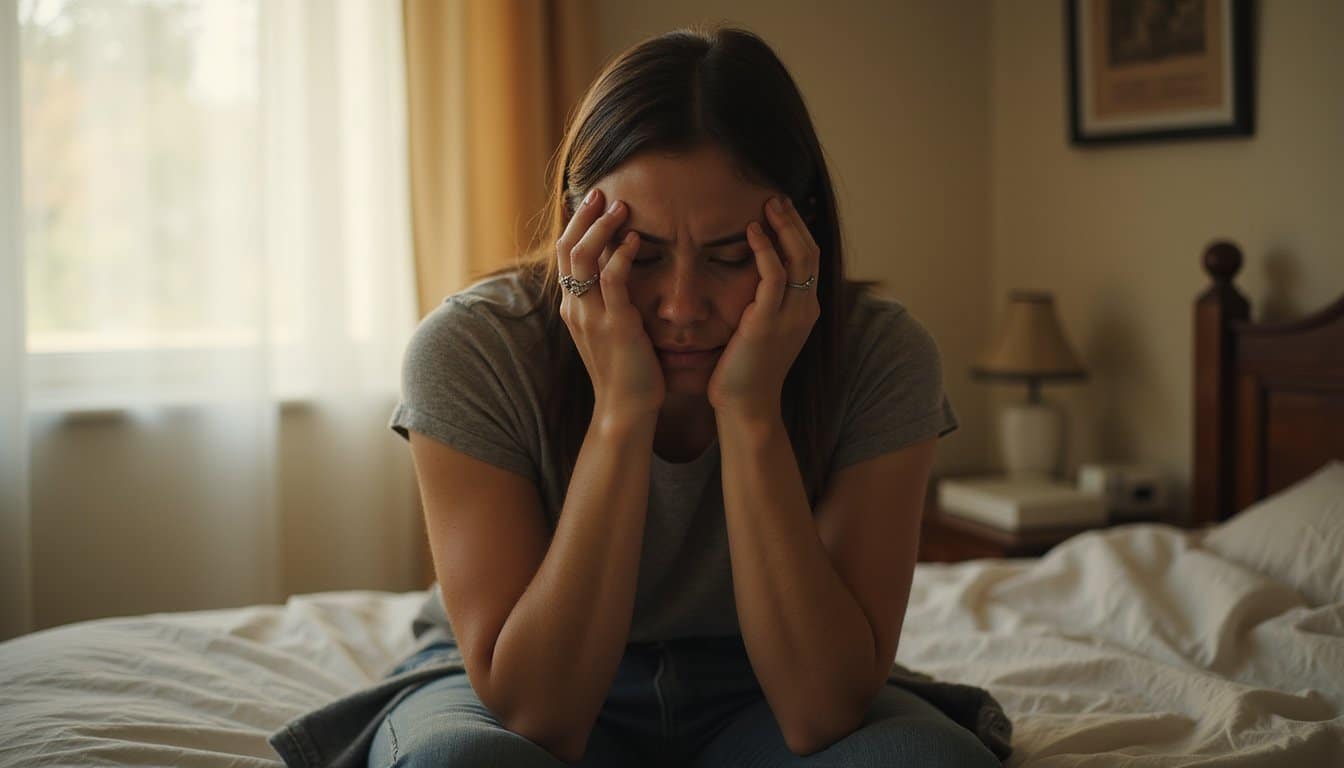
The unsupervised discontinuation of benzodiazepines poses severe risks for individuals with pre-existing mental health conditions, as the withdrawal process can dramatically intensify underlying psychiatric symptoms. You’ll experience a rebound effect that’s enormously more severe than your original symptoms, with worsening insomnia patterns and anxiety levels that exceed pre-treatment baselines. This withdrawal period often triggers intense psychological disturbances, complicating psychiatric therapy and destabilizing previously managed conditions.
Without professional oversight, you’re vulnerable to severe mental health crises, including heightened suicide risk and potential psychotic episodes. The withdrawal process can mirror symptoms of numerous psychiatric disorders, making it difficult to distinguish between withdrawal effects and underlying conditions. This confusion often leads to treatment complications and may permanently disrupt your established mental health management strategies.
Medical Monitoring Requirements for Safe Detox
Professional medical monitoring forms the cornerstone of safe benzodiazepine detoxification, requiring strict adherence to established clinical protocols and assessment schedules. Your healthcare team must conduct thorough physical examination requirements and follow strict laboratory testing protocols to safeguard your safety throughout the withdrawal process.
Key monitoring components include:
- Clinical assessments every 6 hours during the initial 72 hours for high-risk patients, with specialized withdrawal assessment tools tracking symptom progression
- Mandatory urine drug screening and prescription monitoring program verification at follow-up appointments
- Integration of structured documentation systems and risk stratification protocols to determine necessary monitoring intensity
Your treatment setting must align with anticipated withdrawal severity, potentially requiring ICU-level care for severe cases. This systematic monitoring approach helps prevent dangerous complications while providing appropriate medical intervention when needed.
Frequently Asked Questions
How Long Does a Medically Supervised Benzo Detox Typically Last?
A medically supervised benzo detox typically lasts 7-14 days for uncomplicated cases, though tapering schedules can extend 2-8 weeks depending on your specific situation. You’ll need consistent medical monitoring throughout this period, as withdrawal intensity varies based on the type of benzodiazepine you’ve been taking. If you’re dependent on long-acting benzos, you may require up to 3-4 weeks of supervision, while short-acting variants generally need 10-14 days.
What Medications Are Commonly Prescribed During Professional Benzodiazepine Detox?
During professional benzodiazepine detox, you’ll typically receive longer-acting benzos like diazepam for withdrawal timeline management. Your doctor may prescribe anticonvulsants to prevent seizures and antidepressants for mood stabilization. For relapse prevention strategies, medications like buspirone help manage anxiety without addiction risk. Supplementary supportive medications often include beta-blockers for physical symptoms, gabapentin for nerve pain, and flumazenil in specific cases to block benzodiazepine effects.
Are There Specific Blood Tests Required Before Starting Benzodiazepine Detox?
Yes, you’ll need several specific blood tests before starting benzodiazepine detox. Your doctor will order a baseline blood panel to assess your general health status and a thorough metabolic panel to evaluate your liver and kidney function. They’ll also check your complete blood count, electrolyte levels, and current benzodiazepine concentration in your blood. These tests help determine if you’re medically stable for detox and guide your individualized treatment protocol.
What Percentage of People Successfully Complete Supervised Benzodiazepine Detox Programs?
Research shows you’ll have a 24-51% chance of successfully completing supervised benzodiazepine detox when following gradual dose reduction protocols. Your success rates can increase to over 90% with structured clinical approaches and proper relapse prevention strategies. Potential withdrawal symptom patterns are better managed under supervision, leading to higher completion rates. You’re five times more likely to succeed with professional intervention compared to attempting withdrawal through standard primary care practices.
How Much Does a Medically Supervised Benzodiazepine Detox Program Cost?
You’ll find medically supervised benzodiazepine detox costs vary considerably, with inpatient programs ranging from $5,000 to $20,000 monthly. Daily rates typically run between $600-$1,000 for medical detox. While these figures might seem high, there are affordable rehab options available through insurance coverage, sliding scale fees, or outpatient programs ($250-$800 daily). The importance of medical supervision justifies the investment, as it guarantees your safety throughout the withdrawal processdetox brings on severe psychological disturbances, with depersonalization and detachment issues posing significant risks to your mental stability. During withdrawal, you’ll experience a persistent feeling of being disconnected from reality and your surroundings, which can seriously impair your daily functioning.
These symptoms aren’t just temporary discomforts; they represent severe withdrawal effects that require medical oversight. Without professional supervision, depersonalization and derealization symptoms can intensify unpredictably, leading to prolonged symptom duration and significant functional impairment. You’ll struggle with basic tasks while feeling detached from your environment, making everyday activities potentially hazardous.
The risks are heightened by the inability to access immediate medical intervention if symptoms become overwhelming, underlining why supervised detox is essential for your safety. The risks are heightened by the inability to access immediate medical intervention if symptoms become overwhelming, underscoring why supervised care, rather than searching for the best way to detox from meth independently, is essential for your safety.
Critical Relapse and Overdose Dangers
After completing benzodiazepine withdrawal, you’ll face a markedly heightened risk of relapse due to increased anxiety sensitivity and reduced tolerance levels. Your vulnerability during the post-acute withdrawal phase can persist for months, making you particularly susceptible to life-threatening overdose if you resume benzos at previous dosage levels. When combined with other substances, especially opioids or alcohol, post-withdrawal benzo use carries an exceptionally high risk of fatal respiratory depression due to the synergistic effects of these substances.
Heightened Post-Withdrawal Vulnerability
During benzodiazepine withdrawal, a vital period of heightened vulnerability emerges where patients face increased risks of both relapse and potentially fatal overdose. Your physiological resilience development post detox is greatly compromised, as your brain’s GABA receptors remain highly sensitive. This neuroadaptation means that returning to previous dosages can be lethal due to reduced tolerance.
PAWS syndrome implications further complicate recovery, with persistent symptoms like anxiety, insomnia, and cognitive impairment lasting months or even years. You’re particularly vulnerable because only 6% of chronic users successfully quit without intervention, while structured tapering programs are five times more effective. Without proper supervision, you’ll face increased challenges managing withdrawal symptoms and may struggle to develop essential stress-coping mechanisms, making professional medical oversight essential for your safety and successful recovery.
Lethal Polysubstance Risk
When benzodiazepines interact with other substances, particularly alcohol or opioids, the risk of fatal overdose increases exponentially. These simultaneous substance interactions can create dangerous synergistic effects, greatly depressing your central nervous system and respiratory functions. Your risk of severe complications rises dramatically during unsupervised detox if you’ve engaged in polysubstance use.
Critical warning signs of heightened overdose risk include:
Severe respiratory depression and difficulty breathing
Intensified confusion and lack of motor coordination
Increased risk of life-threatening seizures
You’ll face heightened dangers during withdrawal if you’ve combined benzos with other substances, as your body must process multiple drug interactions simultaneously. Medical supervision becomes absolutely essential, as emergency interventions may be necessary to manage complex withdrawal symptoms and prevent fatal complications.
Impact on Pre-existing Mental Health Conditions
The unsupervised discontinuation of benzodiazepines poses severe risks for individuals with pre-existing mental health conditions, as the withdrawal process can dramatically intensify underlying psychiatric symptoms. You’ll experience a rebound effect that’s enormously more severe than your original symptoms, with worsening insomnia patterns and anxiety levels that exceed pre-treatment baselines. This withdrawal period often triggers intense psychological disturbances, complicating psychiatric therapy and destabilizing previously managed conditions.
Without professional oversight, you’re vulnerable to severe mental health crises, including heightened suicide risk and potential psychotic episodes. The withdrawal process can mirror symptoms of numerous psychiatric disorders, making it difficult to distinguish between withdrawal effects and underlying conditions. This confusion often leads to treatment complications and may permanently disrupt your established mental health management strategies.
Medical Monitoring Requirements for Safe Detox
Professional medical monitoring forms the cornerstone of safe benzodiazepine detoxification, requiring strict adherence to established clinical protocols and assessment schedules. Your healthcare team must conduct thorough physical examination requirements and follow strict laboratory testing protocols to safeguard your safety throughout the withdrawal process.
Key monitoring components include:
Clinical assessments every 6 hours during the initial 72 hours for high-risk patients, with specialized withdrawal assessment tools tracking symptom progression
Mandatory urine drug screening and prescription monitoring program verification at follow-up appointments
Integration of structured documentation systems and risk stratification protocols to determine necessary monitoring intensity
Your treatment setting must align with anticipated withdrawal severity, potentially requiring ICU-level care for severe cases. This systematic monitoring approach helps prevent dangerous complications while providing appropriate medical intervention when needed.
Frequently Asked Questions
How Long Does a Medically Supervised Benzo Detox Typically Last?
A medically supervised benzo detox typically lasts 7-14 days for uncomplicated cases, though tapering schedules can extend 2-8 weeks depending on your specific situation. You’ll need consistent medical monitoring throughout this period, as withdrawal intensity varies based on the type of benzodiazepine you’ve been taking. If you’re dependent on long-acting benzos, you may require up to 3-4 weeks of supervision, while short-acting variants generally need 10-14 days.
What Medications Are Commonly Prescribed During Professional Benzodiazepine Detox?
During professional benzodiazepine detox, you’ll typically receive longer-acting benzos like diazepam for withdrawal timeline management. Your doctor may prescribe anticonvulsants to prevent seizures and antidepressants for mood stabilization. For relapse prevention strategies, medications like buspirone help manage anxiety without addiction risk. Supplementary supportive medications often include beta-blockers for physical symptoms, gabapentin for nerve pain, and flumazenil in specific cases to block benzodiazepine effects.
Are There Specific Blood Tests Required Before Starting Benzodiazepine Detox?
Yes, you’ll need several specific blood tests before starting benzodiazepine detox. Your doctor will order a baseline blood panel to assess your general health status and a thorough metabolic panel to evaluate your liver and kidney function. They’ll also check your complete blood count, electrolyte levels, and current benzodiazepine concentration in your blood. These tests help determine if you’re medically stable for detox and guide your individualized treatment protocol.
What Percentage of People Successfully Complete Supervised Benzodiazepine Detox Programs?
Research shows you’ll have a 24-51% chance of successfully completing supervised benzodiazepine detox when following gradual dose reduction protocols. Your success rates can increase to over 90% with structured clinical approaches and proper relapse prevention strategies. Potential withdrawal symptom patterns are better managed under supervision, leading to higher completion rates. You’re five times more likely to succeed with professional intervention compared to attempting withdrawal through standard primary care practices.
How Much Does a Medically Supervised Benzodiazepine Detox Program Cost?
You’ll find medically supervised benzodiazepine detox costs vary considerably, with inpatient programs ranging from $5,000 to $20,000 monthly. Daily rates typically run between $600-$1,000 for medical detox. While these figures might seem high, there are affordable rehab options available through insurance coverage, sliding scale fees, or outpatient programs ($250-$800 daily). The importance of medical supervision justifies the investment, as it guarantees your safety throughout the withdrawal process.ore intense psychotic episodes. You’ll need medical supervision to prevent fatal outcomes, as documented cases show deaths from unsupervised withdrawal. The unpredictable progression of symptoms, combined with the high risk of seizures and self-harm during psychotic episodes, makes professional oversight essential for your safety and recovery.
Depersonalization and Detachment Issues
Unsupervised benzodiazepine detox brings on severe psychological disturbances, with depersonalization and detachment issues posing significant risks to your mental stability. During withdrawal, you’ll experience a persistent feeling of being disconnected from reality and your surroundings, which can seriously impair your daily functioning.
These symptoms aren’t just temporary discomforts; they represent severe withdrawal effects that require medical oversight. Without professional supervision, depersonalization and derealization symptoms can intensify unpredictably, leading to prolonged symptom duration and significant functional impairment. You’ll struggle with basic tasks while feeling detached from your environment, making everyday activities potentially hazardous.
The risks are heightened by the inability to access immediate medical intervention if symptoms become overwhelming, underlining why supervised detox is essential for your safety.
The risks are heightened by the inability to access immediate medical intervention if symptoms become overwhelming, underscoring why supervised care, rather than searching for the best way to detox from meth independently, is essential for your safety.
Critical Relapse and Overdose Dangers
After completing benzodiazepine withdrawal, you’ll face a markedly heightened risk of relapse due to increased anxiety sensitivity and reduced tolerance levels. Your vulnerability during the post-acute withdrawal phase can persist for months, making you particularly susceptible to life-threatening overdose if you resume benzos at previous dosage levels. When combined with other substances, especially opioids or alcohol, post-withdrawal benzo use carries an exceptionally high risk of fatal respiratory depression due to the synergistic effects of these substances.
Heightened Post-Withdrawal Vulnerability
During benzodiazepine withdrawal, a vital period of heightened vulnerability emerges where patients face increased risks of both relapse and potentially fatal overdose. Your physiological resilience development post detox is greatly compromised, as your brain’s GABA receptors remain highly sensitive. This neuroadaptation means that returning to previous dosages can be lethal due to reduced tolerance.
PAWS syndrome implications further complicate recovery, with persistent symptoms like anxiety, insomnia, and cognitive impairment lasting months or even years. You’re particularly vulnerable because only 6% of chronic users successfully quit without intervention, while structured tapering programs are five times more effective. Without proper supervision, you’ll face increased challenges managing withdrawal symptoms and may struggle to develop essential stress-coping mechanisms, making professional medical oversight essential for your safety and successful recovery.
Lethal Polysubstance Risk
When benzodiazepines interact with other substances, particularly alcohol or opioids, the risk of fatal overdose increases exponentially. These simultaneous substance interactions can create dangerous synergistic effects, greatly depressing your central nervous system and respiratory functions. Your risk of severe complications rises dramatically during unsupervised detox if you’ve engaged in polysubstance use.
Critical warning signs of heightened overdose risk include:
- Severe respiratory depression and difficulty breathing
- Intensified confusion and lack of motor coordination
- Increased risk of life-threatening seizures
You’ll face heightened dangers during withdrawal if you’ve combined benzos with other substances, as your body must process multiple drug interactions simultaneously. Medical supervision becomes absolutely essential, as emergency interventions may be necessary to manage complex withdrawal symptoms and prevent fatal complications.
Impact on Pre-existing Mental Health Conditions
The unsupervised discontinuation of benzodiazepines poses severe risks for individuals with pre-existing mental health conditions, as the withdrawal process can dramatically intensify underlying psychiatric symptoms. You’ll experience a rebound effect that’s enormously more severe than your original symptoms, with worsening insomnia patterns and anxiety levels that exceed pre-treatment baselines. This withdrawal period often triggers intense psychological disturbances, complicating psychiatric therapy and destabilizing previously managed conditions.
Without professional oversight, you’re vulnerable to severe mental health crises, including heightened suicide risk and potential psychotic episodes. The withdrawal process can mirror symptoms of numerous psychiatric disorders, making it difficult to distinguish between withdrawal effects and underlying conditions. This confusion often leads to treatment complications and may permanently disrupt your established mental health management strategies.
Medical Monitoring Requirements for Safe Detox
Professional medical monitoring forms the cornerstone of safe benzodiazepine detoxification, requiring strict adherence to established clinical protocols and assessment schedules. Your healthcare team must conduct thorough physical examination requirements and follow strict laboratory testing protocols to safeguard your safety throughout the withdrawal process.
Key monitoring components include:
- Clinical assessments every 6 hours during the initial 72 hours for high-risk patients, with specialized withdrawal assessment tools tracking symptom progression
- Mandatory urine drug screening and prescription monitoring program verification at follow-up appointments
- Integration of structured documentation systems and risk stratification protocols to determine necessary monitoring intensity
Your treatment setting must align with anticipated withdrawal severity, potentially requiring ICU-level care for severe cases. This systematic monitoring approach helps prevent dangerous complications while providing appropriate medical intervention when needed.
Getting help for benzodiazepine dependence doesn’t require dismantling your career. When you’re balancing a benzo problem with professional responsibilities, Miami Outpatient Detox connects you with Miami providers specializing in benzo detox for busy professionals. We’ll guide you to detox options that accommodate your work commitments, allowing you to address your health without losing your livelihood. Freedom from benzos is one decision away call (786) 228-8884 today and find benzo detox solutions designed around your schedule, not someone else’s.
Frequently Asked Questions
How Long Does a Medically Supervised Benzo Detox Typically Last?
A medically supervised benzo detox typically lasts 7-14 days for uncomplicated cases, though tapering schedules can extend 2-8 weeks depending on your specific situation. You’ll need consistent medical monitoring throughout this period, as withdrawal intensity varies based on the type of benzodiazepine you’ve been taking. If you’re dependent on long-acting benzos, you may require up to 3-4 weeks of supervision, while short-acting variants generally need 10-14 days.
What Medications Are Commonly Prescribed During Professional Benzodiazepine Detox?
During professional benzodiazepine detox, you’ll typically receive longer-acting benzos like diazepam for withdrawal timeline management. Your doctor may prescribe anticonvulsants to prevent seizures and antidepressants for mood stabilization. For relapse prevention strategies, medications like buspirone help manage anxiety without addiction risk. Supplementary supportive medications often include beta-blockers for physical symptoms, gabapentin for nerve pain, and flumazenil in specific cases to block benzodiazepine effects.
Are There Specific Blood Tests Required Before Starting Benzodiazepine Detox?
Yes, you’ll need several specific blood tests before starting benzodiazepine detox. Your doctor will order a baseline blood panel to assess your general health status and a thorough metabolic panel to evaluate your liver and kidney function. They’ll also check your complete blood count, electrolyte levels, and current benzodiazepine concentration in your blood. These tests help determine if you’re medically stable for detox and guide your individualized treatment protocol.
What Percentage of People Successfully Complete Supervised Benzodiazepine Detox Programs?
Research shows you’ll have a 24-51% chance of successfully completing supervised benzodiazepine detox when following gradual dose reduction protocols. Your success rates can increase to over 90% with structured clinical approaches and proper relapse prevention strategies. Potential withdrawal symptom patterns are better managed under supervision, leading to higher completion rates. You’re five times more likely to succeed with professional intervention compared to attempting withdrawal through standard primary care practices.
How Much Does a Medically Supervised Benzodiazepine Detox Program Cost?
You’ll find medically supervised benzodiazepine detox costs vary considerably, with inpatient programs ranging from $5,000 to $20,000 monthly. Daily rates typically run between $600-$1,000 for medical detox. While these figures might seem high, there are affordable rehab options available through insurance coverage, sliding scale fees, or outpatient programs ($250-$800 daily). The importance of medical supervision justifies the investment, as it guarantees your safety throughout the withdrawal process.