



To heal your stomach after substance abuse, you’ll need to focus on specific natural remedies and lifestyle changes. Start by incorporating probiotic-rich foods like yogurt and kimchi while consuming bone broth to repair intestinal tissue. Add ginger (1-2g daily) and peppermint tea to reduce inflammation and nausea. Get adequate sleep to support cellular repair, and practice gentle exercise for 20-30 minutes daily. Following a thorough approach will reveal additional healing strategies for best digestive recovery.
Nourishing Your Gut With Healing Foods

When recovering from substance abuse, healing your gut through proper nutrition becomes a critical priority for restoring overall health. Start by incorporating probiotic foods like yogurt, kefir, sauerkraut, and kimchi to replenish beneficial bacteria depleted during substance use. These fermented options help restore your gut microbiome while supporting immune function and mood regulation through the gut-brain axis. Adding bone broth daily can provide healing compounds that help repair damaged intestinal tissue. Adding anti-inflammatory foods helps reduce the systemic inflammation that impacts brain function and overall recovery. Additionally, incorporating foods rich in antioxidants and omega-3 fatty acids can further bolster your body’s defenses against oxidative stress. Such a nutrient-dense diet not only supports gut health but also offers natural kidney detox benefits, promoting optimal organ function and aiding in the elimination of toxins.
Pair these with diverse fiber sources from beans, whole grains, and colorful vegetables to nourish beneficial bacteria and reduce inflammation. Focus on cruciferous vegetables like broccoli and cauliflower, which support your body’s natural detoxification processes. You’ll also want to include prebiotic-rich foods such as oats, barley, and quinoa to promote microbiome diversity and strengthen your gut lining, helping to reverse damage caused by substance abuse. Maintaining 8-10 cups of water daily alongside these dietary changes helps support optimal digestive health and nutrient absorption.
Calming Herbs and Natural Digestive Support
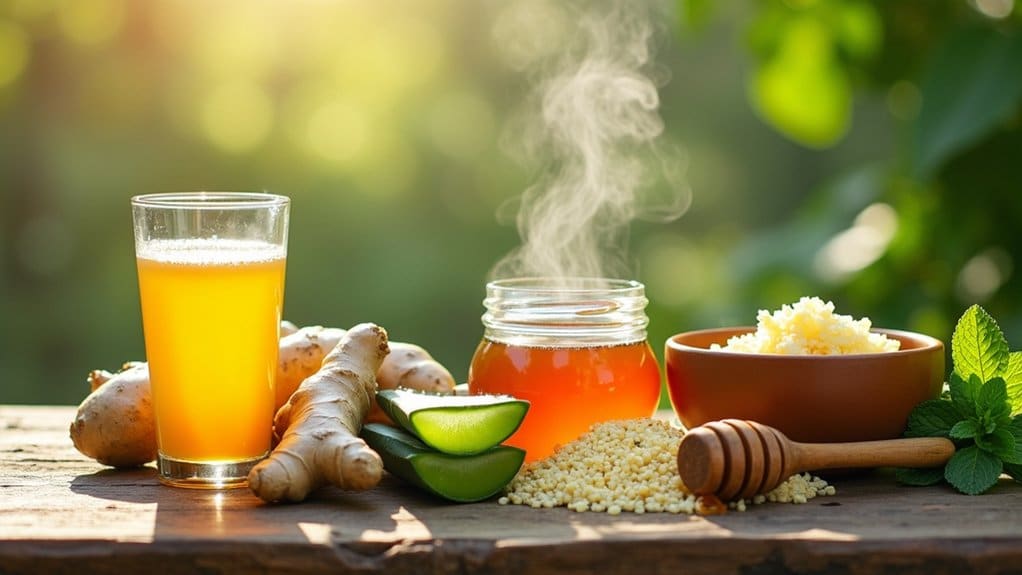
Several research-backed herbal remedies can support your digestive recovery, with ginger showing particular effectiveness for reducing nausea and improving gastric motility. A recommended dosage of 1 to 1.2 grams of ginger capsules daily can provide safe and effective relief. Consulting with healthcare professionals first is essential before starting any herbal treatment regimen. You’ll find relief from stomach discomfort through carefully selected teas like peppermint and chamomile, which clinical studies have shown to reduce inflammation and ease digestive symptoms. For immediate anti-nausea support, you can combine fresh ginger root with calming herbs like lemon balm or passionflower, creating a therapeutic tea that addresses both physical symptoms and anxiety-related digestive issues. Milk thistle’s silymarin plays a crucial role in supporting your liver’s natural detoxification processes during digestive healing.
Soothing Teas For Recovery
Various herbal teas offer significant therapeutic benefits for digestive healing during substance abuse recovery. These herbal infusions work through multiple mechanisms to restore gut health and provide relief from common digestive issues you may experience during recovery. Incorporating natural detox teas and medication safety into your recovery plan can further enhance the healing process. These teas can help cleanse the digestive system, support liver function, and balance gut flora, contributing to a smoother transition during recovery.
- Peppermint and fennel teas act as natural antispasmodics; their active compounds (menthol and anethole) relax digestive muscles, reduce cramping, and alleviate bloating and gas. Ginger tea can be especially helpful as it prevents nausea and soothes stomach upset during recovery. The bioactive gingerol compounds in ginger tea also provide potent immune-boosting support.
- Green and black teas support your gut microbiome through their polyphenols and theaflavins, helping restore beneficial bacteria and strengthen intestinal barriers. According to research from the Tea Advisory Panel, tea compounds have been shown to significantly influence gut microbiome health through various mechanistic pathways.
- Chamomile tea provides anti-inflammatory and calming effects that can ease stomach discomfort while promoting overall relaxation.
For ideal tea benefits, you’ll want to consume these beverages throughout the day, though it’s best to avoid caffeinated options like green or black tea before bedtime.
Healing With Ginger Root
Ginger root stands as one of nature’s most potent digestive healers, particularly valuable for those recovering from substance abuse. Its active compounds, gingerols and shogaols, deliver powerful digestive support by stimulating enzyme production and enhancing gastric motility. The versatile root can be used fresh or dried in various healing preparations.
You’ll find ginger benefits extend beyond basic stomach comfort. It reduces inflammation in your digestive tract, helps prevent ulceration, and may protect against long-term complications like colorectal cancer. Multiple studies have shown ginger to be more effective than vitamin B6 for managing nausea and digestive issues. The root’s natural compounds actively combat gastric inflammation while promoting healthy gut movement and reducing transit time. Studies show that ginger can effectively treat various types of chemotherapy-related nausea and digestive discomfort.
For ideal results, you can consume up to 2000mg of ginger daily, preferably fresh, though supplements work too. Just make sure you’re choosing third-party certified products if going the supplement route. If you’re on blood-thinning medications, consult your healthcare provider before adding ginger to your recovery regimen.
Natural Anti-Nausea Solutions
When experiencing nausea during substance abuse recovery, natural remedies can provide significant relief without the side effects of conventional medications. Research supports several plant-based options that effectively calm your digestive system during healing.
The gentle application of cold compresses to your forehead or neck can provide immediate comfort and help reduce nausea sensations during recovery. Gently pressing on the P6 pressure point on your inner wrist can provide quick nausea relief within minutes. Getting plenty of fresh air circulation through open windows can help minimize nausea triggers during the withdrawal process.
Key evidence-based solutions include:
- Peppermint benefits include muscle relaxation through menthol, which clinical trials show reduces nausea symptoms, particularly in IBS patients. You’ll find relief through tea or aromatherapy.
- Fennel effects work through antispasmodic properties that ease gastrointestinal contractions. Chewing seeds or drinking fennel tea helps reduce nausea from indigestion.
- Chamomile tea provides dual benefits by calming both your nervous system and stomach muscles, while supporting better sleep during recovery.
Complement these herbs with deep breathing exercises and small, frequent meals to maximize their effectiveness.
The Role of Rest and Stress Management
Getting adequate sleep is essential for your stomach’s recovery from substance abuse, as deep rest enables cellular repair of the gastrointestinal lining and normalizes digestive functions. You’ll benefit from incorporating meditation and stress management techniques, which research shows can reduce gut inflammation and alleviate common digestive symptoms. These evidence-based practices work together; quality sleep decreases harmful stress hormones like cortisol, while mindfulness activities help calm your gut-brain axis, creating ideal conditions for healing. Since the gastrointestinal tract contains significant neural tissue, maintaining a consistent sleep schedule and stress management routine directly supports both mental and digestive health recovery.
Sleep Promotes Gut Recovery
Since sleep quality directly influences gut microbiota diversity and gastrointestinal healing, maintaining healthy sleep patterns becomes vital for stomach recovery after substance abuse. Sleep deprivation effects can greatly impact your gut health, but research shows microbiota restoration is possible with consistent, quality rest.
Key findings demonstrate that proper sleep:
- Supports anti-inflammatory gut bacteria like Faecalibacterium prausnitzii while reducing harmful inflammatory species
- Restores gut microbiota diversity within one week of regular sleep, helping repair damage from substance use
- Enhances metabolic pathways essential for amino acid production and neurotransmitter availability in your digestive system
You’ll notice improved gastrointestinal function as you establish regular sleep patterns, as quality rest reduces gut permeability and supports natural repair processes within your digestive tract.
Meditation Calms Digestive Issues
Beyond restful sleep, meditation emerges as a powerful tool for healing your digestive system after substance abuse. Scientific studies reveal that mindfulness meditation directly enhances your gut health by increasing beneficial bacteria like Megamonas and Faecalibacterium, while activating your parasympathetic nervous system for ideal digestion.
| Meditation Benefits | Impact on Gut | Recovery Support |
|---|---|---|
| Reduces Cortisol | Improves Motility | Decreases Inflammation |
| Activates Vagus Nerve | Enhances Microbiome | Supports Healing |
| Lowers Stress | Regulates Secretion | Balances GI Function |
| Promotes Relaxation | Reduces GI Symptoms | Aids Detoxification |
| Stabilizes Mood | Strengthens Gut-Brain Axis | Accelerates Recovery |
You’ll find that regular meditation practice helps restore your gut-brain communication, reduces digestive discomfort, and supports your overall healing journey through improved gastrointestinal quality of life scores.
Movement and Exercise for Digestive Health

Regular physical activity plays an essential role in healing the digestive system after substance abuse. Exercise benefits include improved peristalsis, enhanced gut microbiota diversity, and reduced inflammation in your digestive tract. Gentle movement types like walking, yoga, or cycling can effectively stimulate your gut without causing additional stress.
To optimize your digestive recovery through exercise:
- Start with 20-30 minutes of moderate activity daily to stimulate healthy bowel movements and nutrient absorption
- Practice stress-reducing movements like yoga or tai chi to support your gut-brain connection
- Maintain consistent but gentle exercise routines to strengthen your gut barrier and reduce inflammation
Remember that intense exercise might trigger adverse symptoms, so focus on mild-to-moderate activities that promote healing without overwhelming your recovering digestive system.
Essential Lifestyle Changes for Recovery
While physical activity supports digestive healing, implementing specific lifestyle modifications creates a robust foundation for long-term recovery and gastrointestinal health. Establishing strong social connections through support groups and family relationships reduces your relapse risk by up to 50% while providing emotional stability during recovery. You’ll need to maintain structured routines, including consistent meal times and 7-9 hours of regular sleep, to regulate your digestive processes and circadian rhythms.
Identify and avoid environmental triggers that could activate cravings and disrupt your digestive function. Incorporate stress management techniques like mindfulness and breathing exercises to reduce cravings and support healing. Consider volunteering or engaging in meaningful activities to build self-worth and reinforce your recovery journey while maintaining productive daily schedules. Additionally, explore natural detox strategies for smokers to help cleanse your body and reduce dependency. Staying connected with supportive communities can also provide motivation and accountability as you navigate through your recovery. By prioritizing your health and well-being, you can create a positive environment that fosters growth and resilience.
Restoring Nutrients and Repairing Damage
Substance abuse greatly depletes essential nutrients, with research showing deficiency rates reaching 21% for vitamin A and 18% for iron among recovering individuals. To restore your nutrient absorption and repair digestive damage, you’ll need targeted nutritional support focused on gut health and micronutrient replenishment.
Proper nutrition is vital for recovery, as substance abuse can severely impact vitamin A and iron levels while compromising digestive wellness.
Your recovery nutrition should prioritize:
- B-complex vitamins, omega-3 fatty acids, and antioxidants to support metabolic function and reduce inflammation
- Prebiotics and probiotics to rebuild the gut microbiome and enhance digestive enzyme production
- Regular meals rich in complex carbohydrates, lean proteins, and fiber to support gastrointestinal healing
Focus on consuming Mediterranean diet patterns while incorporating low-fat dairy and whole grains. You’ll need consistent nutrient intake through balanced meals, as fad diets can disrupt your recovery progress and delay stomach healing.
The difference between thinking about getting help and actually getting it often comes down to one thing: finding treatment that doesn’t derail your entire life. If addiction is pulling you under but walking away from your job isn’t realistic, you’re facing a common struggle with an uncommon solution. Detox Treatments Miami connects you with Miami providers who’ve mastered the balance offering treatment that works with your employment, not against it. We’ll help you navigate options that keep your income intact while you work on your health. Don’t let logistics be the reason you stay stuck, call us today at (786) 228-8884 and find out how recovery can happen without upending everything.
Frequently Asked Questions
How Long Does It Typically Take for the Stomach to Heal Completely?
Your stomach healing timeline can range from days to several months, depending on damage severity. You’ll likely notice initial improvement in 2-10 days, but complete recovery typically takes 3-6 months for moderate cases. If you’ve developed ulcers or hemorrhaging, your recovery could extend beyond 6 months. The timeline’s heavily influenced by the substance type, duration of abuse, and whether you maintain abstinence during recovery.
Can Probiotics Interfere With My Prescribed Medications During Recovery?
While probiotics are generally safe, you’ll need to be careful about timing with certain medications, especially antibiotics. Studies show no significant adverse probiotic interactions with common recovery medications like methadone or naltrexone. However, for medication safety, you should take probiotics several hours apart from antibiotics and always consult your healthcare provider before starting them, particularly if you’re on immunosuppressants or have a compromised immune system.
Which Stomach Symptoms Require Immediate Medical Attention During the Healing Process?
You need immediate medical attention if you experience severe abdominal pain that’s sudden or persistent, especially when accompanied by bloody or black stools. Seek emergency care if you’re vomiting blood or material that looks like coffee grounds. Continuous nausea and vomiting that prevents keeping fluids down for over 24 hours is serious. Other red flags include a rigid abdomen, severe bloating, high fever, confusion, rapid heartbeat, or extreme weakness with stomach symptoms.
Are There Specific Foods That Could Trigger Substance Cravings?
Yes, several foods can intensify your substance cravings and act as emotional triggers. You’ll want to avoid highly processed carbohydrates, sugary foods, and ultra-processed snacks as they activate the same brain reward pathways as drugs. Fast foods high in fat and salt are particularly risky, as they can trigger addictive responses. Watch out for artificially flavored foods and high-sodium snacks too, they’re known to stimulate similar neural pathways as substance use.
Should I Take Supplements While My Stomach Is Still Sensitive?
You shouldn’t start supplements without consulting your healthcare provider first, as supplement safety is essential during early stomach healing. Your sensitive digestive system may react negatively to certain supplements, potentially causing irritation or discomfort. Instead, focus on getting nutrients through gentle, whole foods. If you do need supplements, your provider can recommend specific types, dosages, and timing that’ll work best for your recovery, based on your individual health status.