



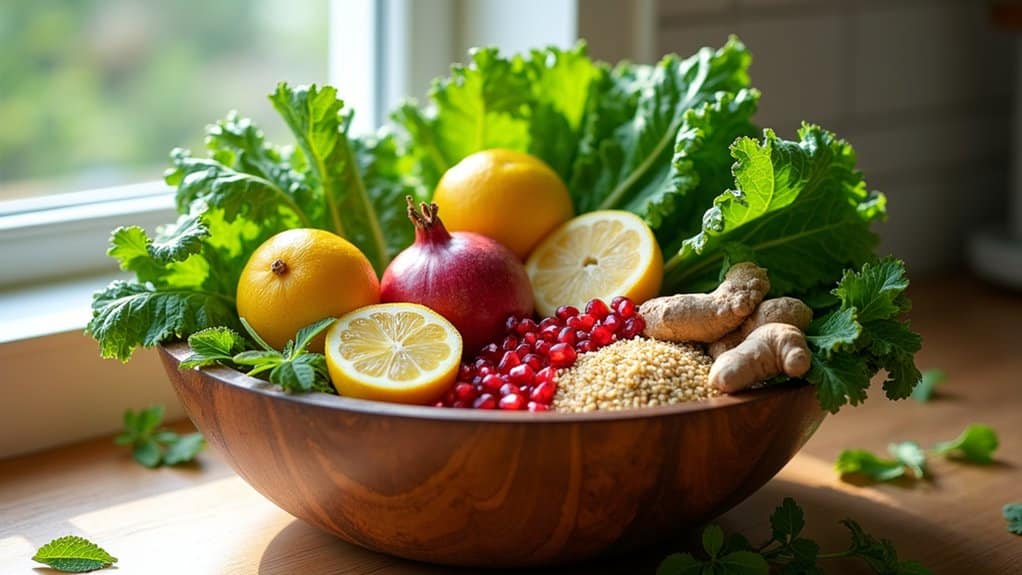
Your body’s natural detox systems rely on specific nutrients to function at their best during recovery. Focus on antioxidant-rich foods like berries and leafy greens, which reduce inflammation and support liver function. Include sulfur-rich vegetables such as broccoli and garlic to activate detoxification pathways, while staying hydrated with filtered water helps flush toxins. Adding fermented foods enhances gut health and toxin elimination. Understanding how these ingredients work together can maximize your body’s natural cleansing abilities. Incorporating natural detox foods for recovery into your diet not only boosts your immune system but also helps maintain a balanced gut microbiome. Consider adding healthy fats from sources like avocados and nuts, as they support cellular repair and enhance nutrient absorption.
Understanding Your Body’s Natural Detox Systems
While many people seek out detox products and cleanses, your body already possesses sophisticated systems for removing toxins and waste products. Your liver functions as the primary detox organ, using enzymatic detox pathways to transform harmful substances into safer compounds. Your kidneys filter blood and remove water-soluble toxins, while maintaining essential digestive balance through proper hydration. The kidneys are incredibly efficient, filtering 200 quarts of blood each day to remove toxins.
Your body’s cellular cleansing systems include both Phase I and II enzymes that process toxins for elimination. These detox pathways are supported by antioxidant roles in neutralizing oxidative stress and managing heavy metal detox. While skin detox through sweating plays a minor role, and lung function helps remove volatile compounds, they’re secondary to your main detox organs. Springtime is particularly beneficial for enhancing natural liver detoxification processes. The key to supporting your natural toxin exposure defense lies in proper detox nutrition, particularly foods that enhance liver and kidney health. Cruciferous vegetables like broccoli, cabbage, and cauliflower contain natural compounds that help your liver eliminate toxins more effectively.
Essential Antioxidant-Rich Foods for Recovery
When recovering from illness, injury, or physical stress, antioxidant-rich foods play an essential role in supporting your body’s natural healing processes. Your recovery foods should include berries rich in anthocyanins, particularly blueberries and cherries, which reduce inflammation and muscle soreness. Dark leafy greens like spinach and kale provide essential vitamins C and E, while cruciferous vegetables deliver powerful glucosinolates that activate immune defenses. The National Institutes of Health suggests that whole food sources are safer and more effective than antioxidant supplements. Garlic provides additional benefits through its immune-boosting compounds that enhance overall wellness during recovery.
You’ll maximize antioxidant benefits by incorporating nuts and seeds, especially almonds and walnuts, which supply vitamin E and omega-3s for tissue repair. Colorful vegetables, including sweet potatoes and beets, contribute beta-carotene and betalains that combat oxidative stress. Don’t forget other potent sources like dark chocolate, citrus fruits, and green tea, which contain flavonoids and catechins that enhance your recovery process. Following recommended macronutrient ratios of 25-35% protein, 40-50% carbohydrates, and 20-30% fats ensures optimal nutrient balance during recovery.
The Power of Sulfur-Rich Foods in Detoxification
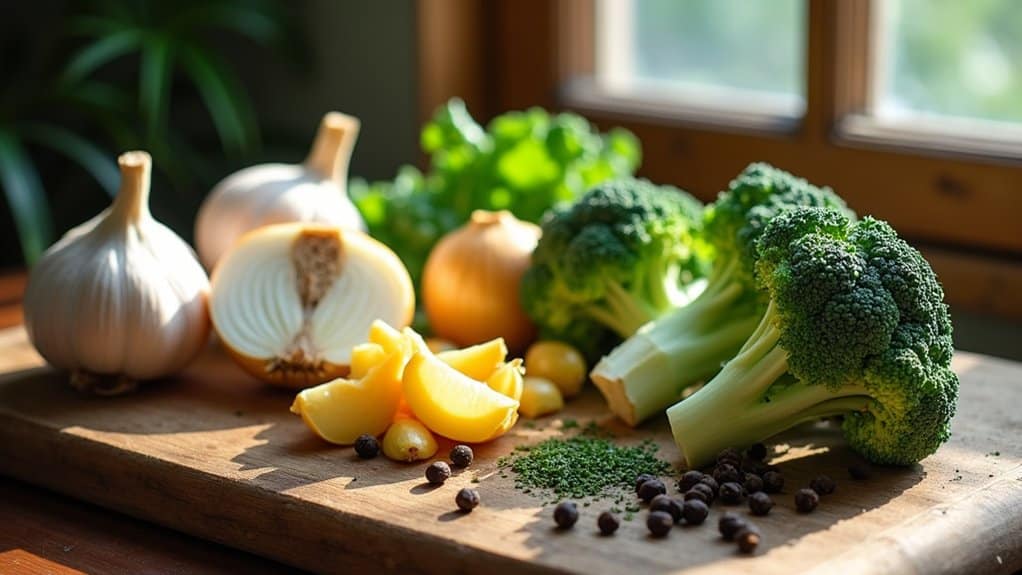
Because sulfur plays an essential role in your body’s detoxification processes, incorporating sulfur-rich foods into your recovery diet can greatly enhance your natural healing abilities. Sulfur benefits include supporting your liver’s cytochrome P450 system, which eliminates toxins and heavy metals, while also boosting glutathione production – your body’s master antioxidant. The nutrients work to protect cell membranes while supporting critical detoxification functions.
You’ll find powerful detox pathways activated when you consume cruciferous vegetables like broccoli and kale, which contain glucosinolates, and allium vegetables such as garlic and onions, rich in allicin. Additionally, protein sources like eggs, turkey, and legumes provide essential sulfur-containing amino acids. Though beneficial, some people may experience digestive discomfort when first increasing sulfur-rich foods. These foods work synergistically to support DNA repair, reduce inflammation, and strengthen your body’s natural detoxification systems while promoting hormone balance and cellular health during recovery. Maintaining adequate quality sleep helps maximize the effectiveness of these detoxification processes as your body repairs and regenerates.
Healing Herbs and Natural Compounds
Natural herbs and compounds offer powerful support for your body’s detoxification processes during recovery, working through multiple pathways to enhance healing and restoration. You’ll find that herbal infusions containing milk thistle and dandelion root directly support liver function, while burdock root and red clover purify your blood and improve skin health. Detox teas combining ginger, peppermint, and fennel can ease digestive discomfort and promote gentle toxin elimination. The combination of turmeric and ginger provides anti-inflammatory benefits that enhance the body’s natural detox systems. Always consult healthcare providers before starting any new detox regimen to ensure safety and effectiveness.
To strengthen your immune system during detox, consider incorporating astragalus and echinacea into your protocol. When emotional support is needed, herbs like rhodiola and ashwagandha help stabilize mood and reduce stress. These botanicals work synergistically, addressing multiple aspects of detoxification while providing your body with natural compounds that enhance its innate healing capabilities. The unique herb schisandra contains all five tastes in Traditional Chinese Medicine, making it especially effective at replenishing vital energy during the detox process. Additionally, incorporating natural herbs for detox support can amplify the detoxification process and help the body release accumulated toxins more efficiently. Herbs like milk thistle and burdock root are renowned for their liver-supporting properties, further enhancing the body’s ability to cleanse itself.
Optimal Hydration Strategies for Cleansing

Ensuring you’re drinking clean, filtered water forms the foundation of effective detoxification, as contaminants can counteract your cleansing efforts. Your primary detox organs work together to eliminate harmful substances from your body. You’ll optimize your body’s natural detox processes by setting specific daily hydration targets, typically starting with 64 ounces and adjusting based on your activity level, climate, and physical needs. The removal of waste products through urination, breathing, and sweating requires consistent hydration throughout the day. Maintaining proper electrolyte balance through mineral-rich beverages and foods becomes vital during detox, as it supports cellular function and prevents dehydration-related complications that could impede your recovery. Consider incorporating herbal tea and sparkling water as alternative hydration sources to maintain interest while supporting your detoxification goals.
Water Quality Matters Most
High-quality water serves as the foundation for effective detoxification during recovery. Your body’s ability to eliminate toxins through the liver, kidneys, and other pathways depends heavily on water that’s free from contaminants. Regular water testing helps guarantee your source remains pure and supports, rather than hinders, your detox process.
Installing appropriate filtration systems can remove common toxins like chlorine, heavy metals, and harmful microbes from your water supply. If you’re using well water or untreated surface water, you’ll need to be particularly vigilant about testing and filtration, as these sources may contain bacteria, nitrates, or industrial pollutants that can overwhelm your detox organs. Supporting proper kidney function requires consistently clean water intake of about 2.7-3.7 liters daily, depending on gender. By maintaining consistent water quality through proper filtration and monitoring, you’re protecting your body’s natural cleansing mechanisms and optimizing your recovery journey.
Daily Hydration Goal Setting
Setting precise hydration goals marks an essential milestone in your recovery journey, as research shows proper fluid intake can boost sobriety success rates by 25%. You’ll need to target 2.7-3.7 liters daily, depending on your gender, while adjusting for activity level and climate.
| Hydration Goal | Implementation Strategy |
|---|---|
| Track Intake | Use apps or journals to monitor fluid consumption |
| Set Reminders | Schedule regular water breaks throughout day |
| Monitor Output | Check urine color for hydration status |
| Create Triggers | Place water bottles in visible locations |
| Measure Progress | Record daily intake versus target goals |
Consider using hydration tracking tools to maintain accountability. Your fluid intake requirements may increase during detox due to additional water loss through sweating and other elimination processes. Remember to space your consumption throughout the day rather than trying to meet your goals all at once.
Electrolyte Balance For Detox
While maintaining proper hydration is essential for detox, achieving the right electrolyte balance plays an equally significant role in your body’s cleansing processes. Your body relies on natural electrolyte sources like fruits, vegetables, and mineral waters to support effective toxin elimination through your kidneys and other pathways.
Your body’s balance mechanisms, including the antidiuretic hormone and renin-angiotensin-aldosterone system, work continuously to regulate fluid and electrolyte levels. You’ll need to increase your intake during periods of excessive fluid loss, such as sweating or illness. Watch for signs of electrolyte imbalance, including fatigue, muscle cramps, or mental fog. Your specific needs may vary based on your health status, kidney function, and environmental factors, so it’s vital to adjust your hydration strategy accordingly to optimize your body’s natural detoxification processes.
Building a Healthy Gut With Fermented Foods
Your gut microbiome plays an essential role in breaking down toxins and supporting natural detoxification processes through beneficial bacteria found in fermented foods like kimchi, kefir, and unpasteurized sauerkraut. Clinical research shows that consuming these probiotic-rich foods increases beneficial gut bacteria diversity while reducing inflammatory markers throughout your body. You’ll optimize your digestive health and support your recovery by incorporating fermented foods that provide live cultures, which have been proven to enhance nutrient absorption and strengthen your intestinal barrier function.
Probiotics Support Toxin Breakdown
Beneficial probiotic bacteria play an essential role in breaking down and neutralizing toxins through multiple mechanisms in your digestive system. Different probiotic strains work together to support your body’s natural detox mechanisms and promote ideal gut health through microbial metabolism.
Key ways probiotics help eliminate toxins:
- They bind harmful compounds like heavy metals, mycotoxins, and carcinogens to their cell walls, preventing absorption into your body
- Your gut’s beneficial bacteria compete with harmful pathogens for nutrients and binding sites while producing antimicrobial substances
- Probiotic enzymes break down toxic compounds into less harmful forms through metabolic processes
- These microorganisms strengthen your intestinal barrier and immune system, making it harder for toxins to enter your bloodstream
Fermentation Benefits Digestive Health
When consumed regularly, fermented foods greatly enhance gut health through multiple evidence-backed mechanisms. Clinical studies show they markedly increase your microbiome diversity while reducing inflammation markers throughout your body. These fermentation benefits include improved production of short-chain fatty acids that strengthen your gut barrier and support digestive health.
You’ll gain essential nutrients like B vitamins and vitamin K through fermentation, along with beneficial digestive enzymes that help break down foods more efficiently. The process cultivates helpful bacteria like Bifidobacterium and Lactobacillus while reducing harmful pathogens. Research demonstrates that foods like kimchi, yogurt, and unpasteurized sauerkraut can improve IBS symptoms and metabolic profiles. They’re particularly effective when consumed consistently, as the live cultures progressively enhance your gut’s microbial environment and overall function.
Healing Through Gut Flora
Live cultures in fermented foods fundamentally reshape your gut microbiome, introducing diverse beneficial bacteria that can establish lasting colonies. By consuming naturally fermented foods regularly, you’ll boost probiotic diversity and enhance your microbial resilience against disease. Clinical studies show that larger portions of these foods correlate directly with improved gut health outcomes.
- Unpasteurized fermented foods deliver higher concentrations of live probiotics, particularly beneficial lactobacilli species
- Regular consumption reduces inflammation markers and improves immune cell function
- Fermented soy and kimchi specifically increase populations of health-promoting bifidobacteria
- IBS symptoms improve considerably with consistent intake of unpasteurized fermented foods
Your gut flora responds dynamically to dietary changes, with research showing that fermented food consumption can shift bacterial communities toward healthier compositions within weeks, potentially reducing your risk for chronic diseases.
Smart Food Choices for Liver Support
Supporting your liver through strategic food choices plays an essential role in the recovery and detoxification process. You’ll want to focus on nutrient-dense options that boost your liver’s natural detoxification abilities. Incorporate leafy greens like spinach and kale, along with cruciferous vegetables such as broccoli and Brussels sprouts, which contain powerful enzyme-stimulating compounds.
| Food Group | Benefits | Key Examples |
|---|---|---|
| Leafy Greens | Chlorophyll-rich, toxin elimination | Spinach, Kale |
| Cruciferous Veggies | Boost detox enzymes | Broccoli, Cabbage |
| Nuts & Fruits | Antioxidants, healthy fats | Walnuts, Blueberries |
Your diet should include polyphenol-rich fruits, particularly blueberries and cranberries, which combat liver inflammation. Don’t forget plant-based foods like amaranth and asparagus, plus healthy fats from nuts and seeds that protect against fatty liver disease.
Environmental Factors in the Detox Journey
Understanding your environmental context proves vital for an effective detox journey, as external factors markedly impact your body’s natural cleansing processes. Urban pollution and poor air quality can greatly burden your detoxification pathways, while indoor toxins from synthetic products may compound these effects.
To optimize your detox environment:
- Install high-quality air purifiers and guarantee proper ventilation in your living spaces to reduce exposure to airborne toxins
- Filter your drinking water to remove heavy metals, chlorine byproducts, and microplastics that can impair detoxification
- Replace plastic containers with glass or stainless steel alternatives to minimize exposure to endocrine-disrupting compounds
- Create stress-reducing spaces by incorporating natural elements and minimizing electronic device use, as chronic stress can hamper toxin elimination
Your environment directly influences detox success, making these modifications essential for recovery support. Creating a calm and supportive atmosphere can enhance your body’s ability to heal. Incorporating natural detox recipes for recovery into your daily routine can provide essential nutrients that aid in the detoxification process. Additionally, surrounding yourself with positive influences and engaging in self-care practices can further promote resilience and well-being during this transformative journey.
Daily Habits to Enhance Natural Cleansing
Beyond environmental modifications, your daily routines and behaviors form the foundation of effective natural cleansing. You’ll optimize your body’s detoxification by practicing mindful eating with whole foods, particularly vegetables that boost liver function and glutathione production. Ascertain you’re drinking filtered water throughout the day to support waste elimination through urine and sweat.
Quality sleep, at least seven hours nightly, enables your brain to clear toxic byproducts while supporting cellular repair. Incorporate stress reduction practices like meditation or journaling to enhance your body’s natural healing processes. Light daily exercise, such as walking or gentle yoga, stimulates lymphatic circulation and toxin removal. Focus on maintaining regular bowel movements through adequate fiber intake and proper hydration, as this ascertains efficient elimination of processed toxins from your system.
The gap between wanting to change and knowing how to start is where most people get stuck. If addiction is weighing you down but quitting your job isn’t an option, you need a bridge not another obstacle. Detox Treatments Miami connects you with Miami providers who specialize in treatment that works within the boundaries of a working life. We’ll match you with solutions that respect your schedule and your need for stability. You’re closer to help than you realize, call us today at (786) 228-8884 and find providers who understand that recovery happens in the real world, not just in theory.
Frequently Asked Questions
How Long Should I Follow a Detox Diet During Recovery?
You should follow a detox diet for 7-90 days, depending on your specific recovery timeline. Start with a 7-day initial detox to reset your system, but you may need up to 90 days for thorough substance recovery. Work with healthcare professionals to determine your ideal detox duration based on factors like substance type, addiction severity, and overall health. They’ll monitor your progress and adjust the timeline to guarantee you’re getting proper nutrition throughout recovery.
Can I Exercise While Detoxing, and What Types Are Recommended?
Yes, you can exercise while detoxing, but you’ll need medical clearance first. Start with gentle exercise types like walking, yoga, or light swimming to support your recovery. These activities offer detox benefits by promoting better circulation, enhancing natural toxin removal, and boosting mood through endorphin release. Listen to your body and gradually increase intensity. You’ll want to focus on low-impact activities that won’t overtax your system during this sensitive period.
Are There Specific Foods That Could Interfere With Detoxification?
Yes, several foods can impair your body’s natural detoxification processes. Processed sugars and refined carbohydrates can spike blood sugar and increase inflammation, making detox more difficult. Foods with artificial additives and preservatives place extra stress on your liver and kidneys. Dairy products may slow toxin clearance and increase mucus production. High-sodium processed meats and fast foods can burden your detoxifying organs and disrupt cellular cleansing mechanisms.
What Time of Day Is Best for Consuming Detox-Supporting Foods?
Start your morning motivation with detox-supporting foods, as your body’s natural detoxification processes peak during early hours. You’ll get maximum benefits from consuming antioxidant-rich foods and hydrating beverages upon waking. Continue with balanced meals throughout the day, but keep your evening rituals lighter with easily digestible options like steamed vegetables or clear soups. This timing aligns with your body’s natural circadian rhythms and supports ideal detoxification.
Should I Take Supplements While Detoxing if I’m on Prescription Medications?
Don’t take supplements during detox while on prescription medications without first consulting your healthcare provider. Supplement interactions can be dangerous, potentially reducing your medication’s effectiveness or causing toxic effects. Even natural supplements can interfere with drug metabolism and absorption. For medication safety, bring a complete list of your prescriptions to your doctor, who can evaluate potential risks and guide you on which supplements to avoid or adjust timing.