





Evidence-based natural remedies for your child’s anxiety include chamomile and lavender teas, which clinical trials show extensively reduce generalized anxiety symptoms by modulating GABA neurotransmission. You’ll want to combine these with omega-3 fatty acids and vitamin D supplementation to support neurotransmitter synthesis, plus aromatherapy using lavender or chamomile via personal inhalers. Mind-body practices like mindfulness exercises and breathing techniques activate your child’s prefrontal cortex for better emotional regulation. The thorough approaches below outline proper dosing, safety protocols, and when to escalate care. Additionally, incorporating regular physical activity can significantly enhance overall mental health and serve as one of the effective treatments for childhood anxiety.
Herbal Teas and Plant-Based Remedies That Calm Childhood Anxiety
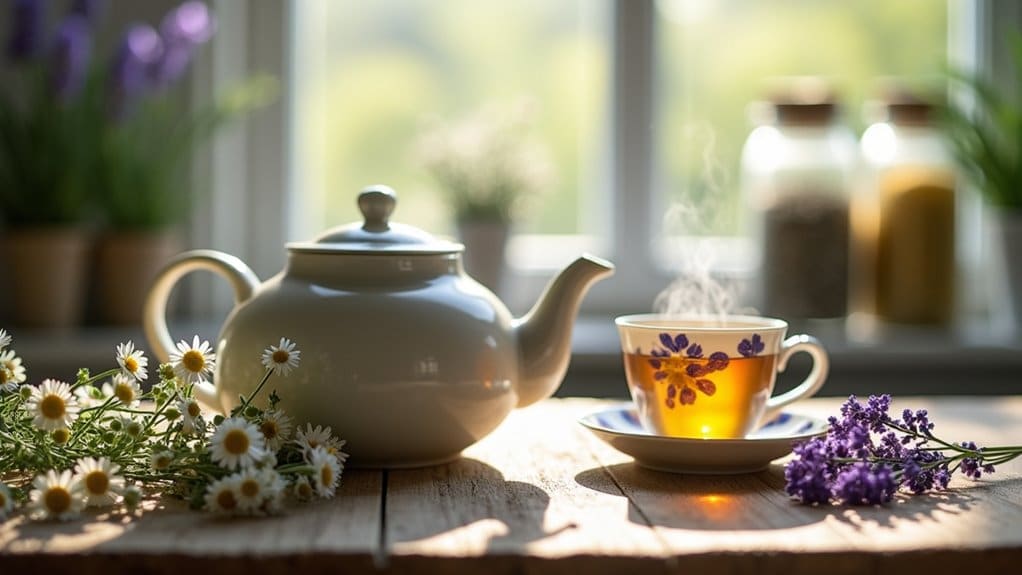
When anxiety begins to interfere with your child’s daily life, herbal teas and plant-based remedies offer evidence-supported alternatives that work gently with the body’s natural stress response systems. Chamomile stands out as a well-researched anxiolytic herb, with clinical trials demonstrating significant reductions in generalized anxiety disorder symptoms. Its active compound, apigenin, binds to brain receptors that promote nervous system relaxation. Traditionally, you’ll steep 1 teaspoon of dried Chamomile flowers for 5 minutes. Lavender (Lavandula angustifolia) shows comparable effectiveness to some pharmaceuticals without dependence risks. Studies confirm Lavender aromatherapy improves sleep quality in anxious children, though you should avoid oral preparations that may disrupt hormones. Passionflower and valerian root modulate GABA neurotransmission, reducing worry and restlessness. Lemon balm (Melissa officinalis) provides benefits through its ability to modulate neurotransmitters while offering antioxidant properties that support children experiencing anxiety and stress. These herbal interventions demonstrate a polypharmacological nature, acting on multiple pathways including neuroinflammatory, neuroprotective, and neurotransmitter-related systems rather than targeting a single mechanism. Massage therapy with gentle touch can further complement these botanical approaches by promoting relaxation and reducing physical tension associated with childhood anxiety. Always consult healthcare professionals before introducing botanical interventions.
Essential Nutrients and Dietary Supplements for Managing Stress
While behavioral interventions form the foundation of childhood anxiety management, emerging research confirms that specific nutrients directly influence your child’s neurochemical stress response systems.
Targeted nutritional interventions can directly modulate neurochemical pathways underlying childhood anxiety beyond traditional behavioral approaches alone.
Evidence-based nutritional supports include:
- Omega-3 fatty acids from fish, flaxseeds, and walnuts improve brain structure and reduce inflammation linked to mood dysregulation
- Vitamin D and B-complex supplementation aids neurotransmitter synthesis critical for stress response regulation
- Zinc and iron correct deficiencies associated with increased irritability and emotional instability in children
- Whole-food dietary patterns rich in fruits, vegetables, and unprocessed foods consistently correlate with lower anxiety symptoms
Correcting nutritional deficits shows measurable improvement in emotional stability. Randomized controlled trials demonstrate that targeted supplementation reduces depressive symptoms and supports cognitive performance. Adequate iodine intake during pregnancy helps prevent cognitive impairments and learning difficulties that can manifest as anxiety-related behaviors in children. Polyphenol-rich foods like berries, dark chocolate, and green tea may also help counteract stress-induced anxiety and cognitive impairments in children. Proper hydration for cognitive functions also plays a vital role in supporting mood regulation and stress management in children. Consider testing your child’s nutrient levels before implementing supplementation protocols.
Aromatherapy Solutions for Anxious Children
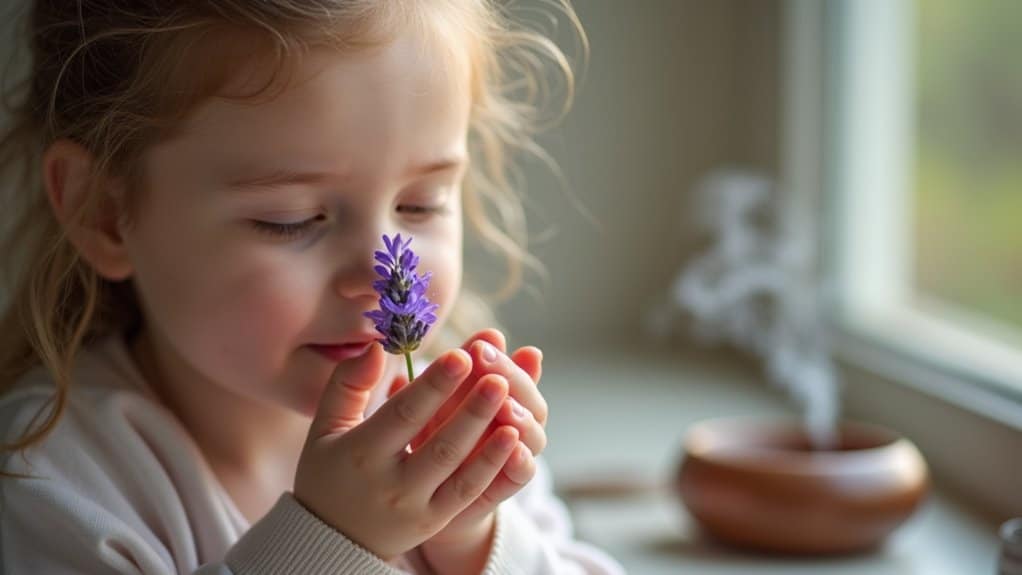
Beyond dietary interventions, aromatherapy offers another research-supported avenue for reducing anxiety symptoms in children through targeted sensory pathways. Essential oils stimulate olfactory receptors that send neural signals to the limbic system, directly influencing your child’s emotional response and anxiety levels. When exploring these alternative therapies, it is crucial to understand the importance of integrating them with traditional treatments. Parents and caregivers should also consider important considerations for anxiety medication, as some children may require a combination of strategies for optimal management of their symptoms.
Lavender and chamomile demonstrate the strongest evidence for pediatric anxiety reduction. chamomile produces the greatest decreases in both pulse rate and anxiety scores, while Lavender shows comparable effectiveness in clinical studies. Sweet orange and peppermint also provide measurable benefits. Research indicates that lavender aromatherapy has a positive effect on salivary cortisol levels during stressful situations. Incorporating these essential oils into therapeutic practices may offer a holistic approach to managing anxiety in children. As studies explore various interventions, lavender and chamomile are often highlighted as the best age specific anxiety treatments, providing caregivers with effective options.
Inhalation via nebulizers or personal inhalers proves most effective and safest for children. Sessions typically last 2 minutes using 2-8 drops depending on delivery method. Aromatherapy serves as an inexpensive complementary therapy that avoids the sedative and withdrawal effects associated with pharmacological anxiolytic drugs. Orange essence aromatherapy has demonstrated significant effectiveness in reducing anxiety in school-age children with chronic conditions like diabetes. You must use 100% pure oils in appropriate dilutions and consult your pediatrician before starting aromatherapy, particularly for children with respiratory sensitivities.
Lifestyle and Mind-Body Practices That Reduce Worry
Mind-body practices equip children with concrete tools to interrupt anxiety cycles through direct physiological and cognitive pathways. Mindfulness for kids boosts emotional regulation by activating the prefrontal cortex, helping them name and manage feelings before escalation. Breathing exercises children anxiety specialists recommend, particularly slow, diaphragmatic breathing, increase vagal tone and lower physiological arousal. Nature-based interventions and movement practices like yoga substantially reduce test anxiety and general worry symptoms. These nature-based mindbody interventions are generally accepted and cost-effective, offering a promising alternative for alleviating test anxiety.
Evidence-based mind-body practices for anxious children:
- Gratitude exercises (naming 2-3 daily positives) improve psychological health and build resilience
- HRV biofeedback training (paced breathing with monitoring) helps children regulate autonomic stress responses
- Emotion mapping (drawing where feelings occur in the body) prevents emotional overwhelm
- Guided imagery supports top-down anxiety regulation through calming visualizations
- Clinical hypnosis delivered by trained professionals safely reduces procedural and chronic anxiety in pediatric populations
Regular application shifts these techniques from therapist-led to self-managed care, establishing sustainable anxiety management skills. When implemented using a biopsychosocial, stepped-care approach, mind-body interventions can be tailored to each child’s unique needs and progressively intensified based on their response to treatment.
Safety Guidelines and Professional Monitoring for Natural Treatments

Natural remedies require the same rigorous safety approach as conventional medications, perhaps even more vigilance given the limited pediatric research for many botanical and nutritional interventions. Before starting any herbal supplement or nutritional treatment, you’ll need a thorough healthcare evaluation that reviews your child’s current medications, allergies, and underlying conditions. Professional monitoring through regular follow-ups guarantees effectiveness and identifies adverse reactions early. Safety guidelines emphasize proper dosing forms, liquid extracts and glycerites rather than alcohol-based tinctures and caution with herbs lacking pediatric safety data like valerian or kava. Document all remedies and dosages administered. If anxiety worsens, natural interventions fail after reasonable trial periods, or your child experiences panic attacks, self-harm behaviors, or declining function, escalate immediately to cognitive behavioral therapy or psychiatric evaluation. Watch for physical manifestations of anxiety such as racing heart, sweating, shaking, or stomach discomfort, as these signs indicate your child may need additional support beyond natural remedies alone. Changes in sleep patterns, physical symptoms, behavior, and emotions may signal that your child’s stress levels require professional intervention beyond natural remedies. Consider consulting with educators to support your child at school, as academic settings can be significant sources of anxiety that require collaborative management strategies.
You want to help your child feel better but something inside you hesitates before going straight to medication. That instinct is worth honoring. There are gentle, natural approaches that are safe for children and actually backed by real evidence. Small changes that can bring real relief. Miami Substance Abuse Treatment helps Miami families explore every option so your child gets the care that feels right for them. Call (786) 228-8884 today. Healing can start in the most natural way possible.
Frequently Asked Questions
Can Natural Remedies Fully Replace Prescription Anxiety Medication in Children?
Natural remedies typically can’t fully replace prescription anxiety medication for your child, especially in moderate to severe cases. While herbs like chamomile and lavender show promise for mild symptoms, they lack the rigorous testing, standardization, and long-term data that prescription medications offer. Current guidelines recommend natural approaches as complementary tools or initial options for mild anxiety, not standalone replacements. You’ll need your child’s doctor to evaluate severity and determine whether natural remedies alone provide adequate symptom control.
How Long Before Natural Remedies Show Noticeable Improvement in Anxiety Symptoms?
You’ll notice improvements at different speeds depending on the approach. Aromatherapy and herbal remedies can show calming effects within hours to days of initial use. Mindfulness and breathing exercises typically demonstrate noticeable reduction in your child’s anxiety after several weeks of consistent practice. Cognitive-behavioral strategies generally require a few weeks before you’ll observe meaningful symptom relief. Combining multiple natural methods often accelerates results, though individual responses vary based on anxiety severity and consistency.
Are Natural Remedies Effective for Severe or Clinical Anxiety Disorders?
Natural remedies show limited effectiveness for severe or clinical anxiety disorders in children. While herbs like passionflower and lavender may reduce mild-to-moderate symptoms, they lack substantial pediatric evidence for diagnosed conditions like panic disorder or severe GAD. Evidence-based treatments, cognitive behavioral therapy and prescribed medications, remain primary interventions for clinical cases. You shouldn’t rely on natural remedies alone for severe anxiety; they’re best used as complementary support under professional guidance alongside proven therapeutic approaches.
Can Multiple Natural Remedies Be Safely Combined for Stronger Anxiety Relief?
Yes, you can safely combine multiple natural remedies under professional guidance. Pairing dietary supplements like magnesium or omega-3s with mind-body practices (breathing exercises, yoga) typically boosts anxiety relief through complementary mechanisms. Adding gentle botanicals such as chamomile or lavender aromatherapy can provide additional support. However, you’ll need pediatric oversight to prevent herb-drug interactions, verify age-appropriate dosing, and monitor for allergic reactions. Introduce remedies gradually and avoid duplicating effects for your child’s safety.
Will Children Develop Tolerance or Dependency on Herbal Anxiety Remedies?
Children typically won’t develop tolerance or dependency on evidence-based herbal anxiety remedies like lavender, chamomile, or passionflower when you use them properly. Unlike pharmaceutical anxiolytics such as benzodiazepines, these botanicals don’t interact with your child’s brain reward system or cause withdrawal symptoms. However, you’ll need clinical oversight to monitor effectiveness and safety long-term. Always use standardized products with appropriate dosing, and consult your pediatrician to confirm your child’s remedy plan remains safe and effective.