






Opana (oxymorphone) treats moderate to severe pain when non-opioid analgesics can’t provide adequate relief. You’ll find it prescribed for acute pain, post-operative pain, and chronic conditions like cancer pain, osteoarthritis, and low back pain. The immediate-release form handles short-term acute pain every 4 to 6 hours, while Opana ER manages around-the-clock chronic pain every 12 hours. Because it’s an opioid, it’s reserved for specific situations and those carry risks worth understanding.
Key Takeaways
- Opana treats moderate to severe pain requiring an opioid analgesic when non-opioid options prove inadequate, intolerable, or insufficient.
- Immediate-release tablets manage short-term acute pain, including post-operative pain, dosed every 4 to 6 hours as needed.
- Extended-release Opana ER provides continuous, around-the-clock relief for chronic pain, dosed every 12 hours.
- It is indicated for chronic cancer pain and chronic non-cancer pain such as osteoarthritis and low back pain.
- Opana is reserved for severe cases due to serious risks of addiction, abuse, misuse, and life-threatening breathing problems.
What was Opana prescribed for
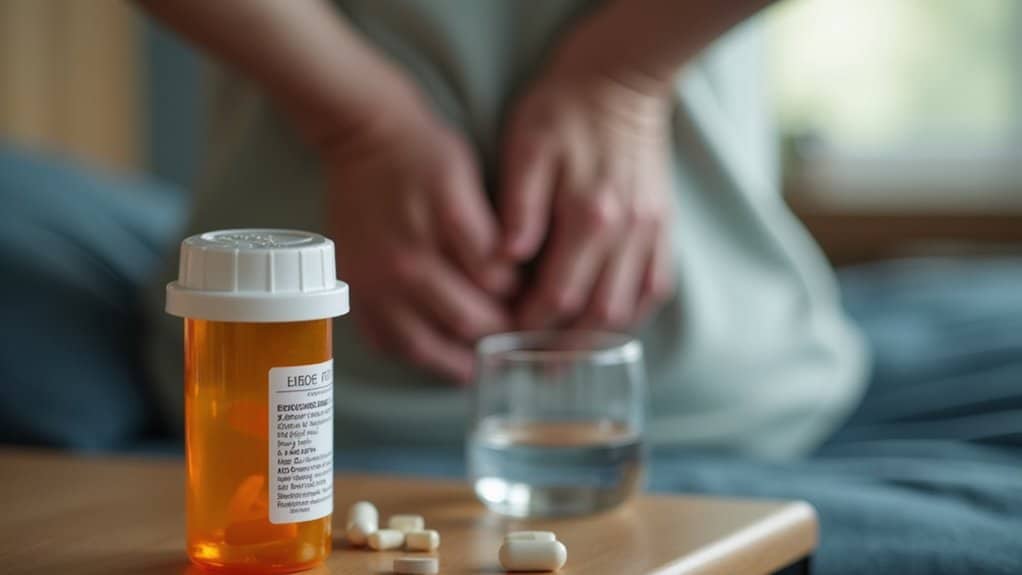
Opana was prescribed to treat moderate to severe pain requiring an opioid analgesic. Your prescriber reserved this medication for situations where non-opioid analgesics failed to deliver adequate relief, or when alternative treatments proved inadequate, intolerable, or insufficient for your pain severity.
You’d receive the immediate-release tablets for short-term acute pain, including post-operative management, taken every 4 to 6 hours as needed. If you experienced chronic pain, Opana ER provided continuous, around-the-clock relief dosed every 12 hours. This extended-release form treated chronic cancer pain and non-cancer conditions like osteoarthritis and low back pain.
Because addiction and abuse risks accompany opioid therapy, your treatment required demonstrating that safer alternatives couldn’t manage your pain effectively.
What types of pain does oxymorphone treat
Oxymorphone treats moderate to severe pain across two distinct categories. For acute pain, you’ll receive immediate-release tablets when you need short-term relief that non-opioid analgesics can’t provide. This includes post-operative pain, where opioid intervention becomes necessary because other options prove inadequate, intolerable, or insufficient for the severity you’re experiencing.
For chronic pain, the extended-release form manages conditions requiring continuous, around-the-clock treatment. You might receive Opana ER for chronic cancer pain or chronic non-cancer pain like osteoarthritis. Clinical evidence also supports its use for chronic low back pain and opioid rotation strategies.
Keep in mind that Opana ER isn’t meant for as-needed dosing or pre-emptive surgical analgesia. It’s reserved for pain demanding more than several days of ongoing opioid therapy.
Why it is reserved for severe pain

Oxymorphone is reserved for severe pain because it carries serious risks of addiction, abuse, and misuse, so your doctor turns to it only when safer alternatives fall short. You’ll typically try non-opioid analgesics first, and your doctor turns to Opana only when those options prove inadequate, intolerable, or unable to control your pain’s severity.
This cautious approach reflects real dangers. Opana can cause serious or life-threatening breathing problems, especially during the first 72 hours of treatment. It also carries a significant potential for dependence, so you shouldn’t stop taking it abruptly without medical guidance.
How immediate-release and extended-release forms differ
Opana’s immediate-release and extended-release forms differ in purpose and dosing. The immediate-release tablets treat short-term, moderate to severe acute pain, and you take them every 4 to 6 hours as needed. The extended-release version, Opana ER, manages chronic pain requiring continuous, around-the-clock treatment, dosed every 12 hours. You shouldn’t use the ER form as a prn (as-needed) analgesic.
| Feature | Immediate-Release | Extended-Release (ER) |
|---|---|---|
| Purpose | Acute pain | Chronic pain |
| Dosing | Every 4, 6 hours | Every 12 hours |
| Use type | As needed | Around-the-clock |
| Strengths | 5 mg, 10 mg | 5 mg, 40 mg |
| Duration | Short-term | Long-term |
Understanding these differences helps you recognize why your prescriber chooses one form over the other based on your specific pain pattern and treatment needs.
What precautions apply when it’s prescribed

Because addiction, abuse, and misuse risks are real, your provider reserves this medication for situations where alternative treatments haven’t worked. If you’re opioid-naive, you’ll typically start at 5 mg to 10 mg to minimize adverse effects. Watch closely for serious or life-threatening breathing problems, which are most likely during the first 72 hours of treatment. Expect common side effects like nausea, vomiting, sleepiness, dizziness, and constipation. Never stop taking oxymorphone abruptly without consulting your prescriber, since sudden discontinuation can trigger withdrawal effects. Keep in mind that Opana ER isn’t appropriate for pre-emptive analgesia before surgery or for as-needed dosing. Always follow your prescriber’s instructions precisely to reduce these risks.
Why even legitimate use carries dependence risk
Legitimate use carries dependence risk because oxymorphone acts as an opioid agonist on your central nervous system receptors, and this happens even when you take Opana exactly as prescribed. As this potent semi-synthetic opioid binds to these receptors to block pain signals, your body adapts to its continuous presence. This adaptation means stopping oxymorphone abruptly, without medical consultation, can trigger adverse withdrawal effects, a physiological reality that isn’t tied to misuse.
That’s why addiction, abuse, and misuse risks require reserving Opana for patients whose alternatives prove inadequate. The risk intensifies with around-the-clock therapy, like Opana ER, where sustained receptor activation drives tolerance and physical dependence.
You should never adjust or discontinue your dose independently. Instead, work with your prescriber to taper safely and minimize withdrawal when treatment ends.
How Miami Outpatient Detox helps people who became dependent on prescribed opioids
Miami Outpatient Detox helps people who became dependent on prescribed opioids like Opana by tapering them safely instead of stopping abruptly, which prevents the adverse withdrawal effects that abrupt discontinuation triggers. Your dependence doesn’t mean you did anything wrong. Even legitimate, physician-directed use carries this risk. The team assesses your opioid history, current dose, and pain needs, then builds a gradual tapering schedule that minimizes discomfort. You’ll receive medical monitoring to manage symptoms like nausea, restlessness, and dizziness as your dose decreases. Because the process happens on an outpatient basis, you can continue working and maintaining daily responsibilities throughout treatment. You’re also supported in addressing the underlying pain that prompted your prescription, ensuring you don’t leave one problem unmanaged while resolving another safely and effectively.
Get Support for Oxymorphone Dependence in Miami
If oxymorphone use has led to dependence, withdrawal symptoms, or difficulty reducing your use, professional treatment can help you move forward safely. Miami Outpatient Detox can help you explore opioid detox, medical detox, outpatient detox, and ongoing addiction treatment based on your clinical needs. Verify your insurance to review potential coverage, or call +1 (786) 228-8884 to discuss available treatment options in Miami.
Frequently Asked Questions
Is Opana Still Available on the Market Today?
Opana and Opana ER are discontinued brand-name products in the United States. FDA-approved generic oxymorphone products may still be available depending on current market availability and prescribing considerations. In 2017, the FDA requested the removal of Opana ER from the market due to concerns about risks associated with abuse. Oxymorphone is generally reserved for situations where other pain treatments are inadequate because opioids carry serious risks of addiction, misuse, dependence, and overdose.
Can Opana Be Taken Safely During Pregnancy or Breastfeeding?
The provided information doesn’t specifically address Opana’s safety during pregnancy or breastfeeding, so you shouldn’t assume it’s safe without consulting your doctor. Since oxymorphone is a potent opioid, it carries risks like dependence and withdrawal stopping it abruptly can cause adverse effects. If you’re pregnant, breastfeeding, or planning either, talk with your healthcare provider before using Opana. They’ll weigh the benefits against potential risks to you and your baby.
What Foods or Drinks Should Be Avoided While Taking Opana?
You should avoid alcohol completely while taking Opana. Combining alcohol with oxymorphone can cause serious or life-threatening breathing problems, extreme drowsiness, and dangerous drops in blood pressure. This risk is especially high during your first 72 hours of treatment. The provided information doesn’t specify particular foods or drinks beyond alcohol, so talk with your doctor or pharmacist about any other dietary concerns or potential interactions before starting this medication.
How Does Opana Compare to Other Opioids Like Oxycontin?
You’ll find Opana (oxymorphone) acts as a potent opioid agonist on your central nervous system, working similarly to morphine but without cough-suppressant activity. Like OxyContin, Opana ER delivers around-the-clock relief every 12 hours for chronic pain, while immediate-release tablets treat acute pain every 4 to 6 hours. Both carry serious addiction, abuse, and breathing risks, so you should reserve them for cases where alternative treatments haven’t provided adequate relief.
What Should I Do if I Miss a Dose?
If you miss a dose, don’t double up to catch up. For Opana ER taken every 12 hours, skip the missed dose if it’s almost time for your next scheduled one, then continue as usual. For immediate-release tablets taken as needed, simply take it when you remember. Never stop oxymorphone abruptly without consulting your doctor, since that can trigger withdrawal effects. Always check with your prescriber about missed-dose guidance for your specific situation.