
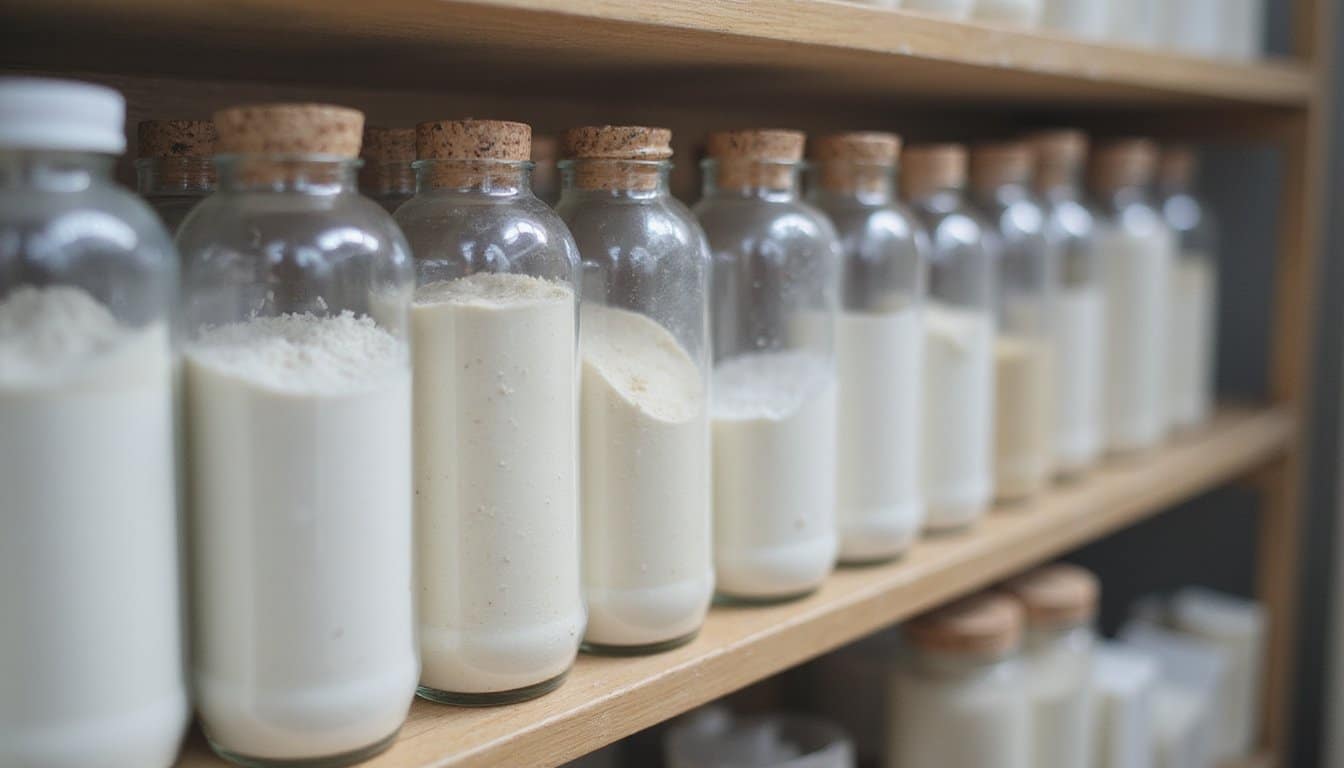

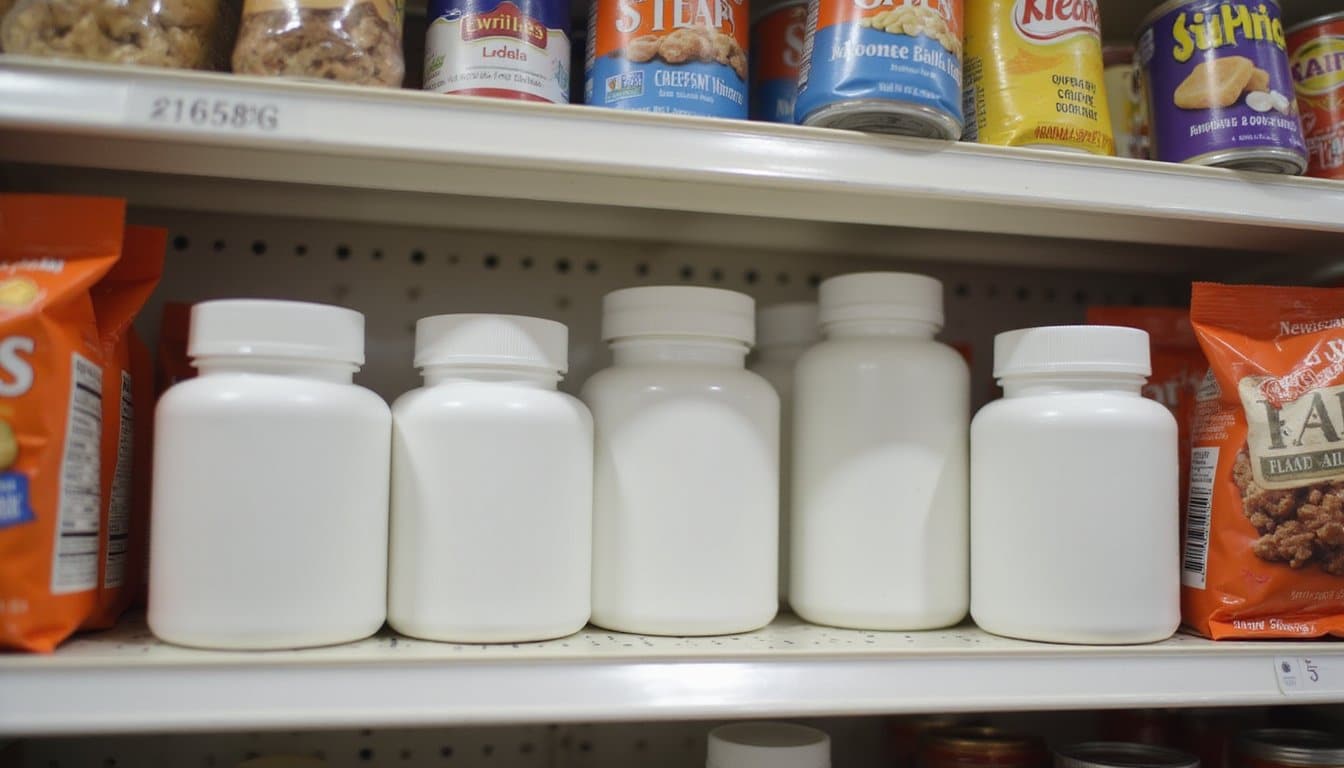

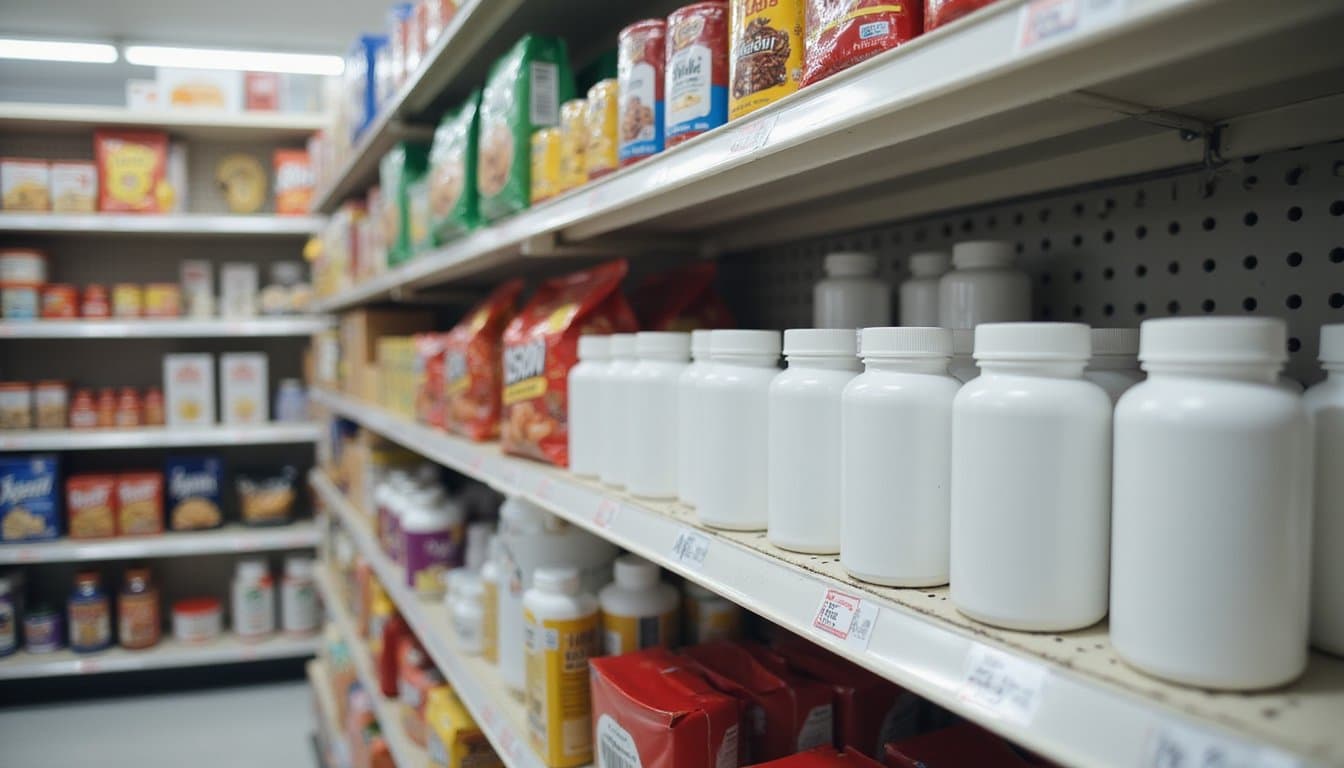
You might notice someone visiting multiple stores to buy the same cold or cough medicine, stockpiling medications they don’t seem to need, or hiding pill bottles in unusual places. Behavioral shifts like neglecting responsibilities, unexplained mood swings, and rapid weight changes are common red flags. Physical signs include heightened heart rate, irregular heartbeat, and increased blood pressure. Because these products are legal and widely accessible, the warning signs often blend into everyday routines, but understanding the signs of hidden addiction to over-the-counter substances and who’s most vulnerable can sharpen your awareness.
Why OTC Addiction Is So Easy to Miss

Over-the-counter addiction often flies under the radar because the substances involved are legal, widely accessible, and perceived as safe. You don’t need a prescription, so there’s no gatekeeper monitoring your usage patterns. This normalization makes hidden drug addiction signs particularly difficult to detect, both for you and those around you. The rise in synthetic supplement usage has further blurred the lines between health enhancement and potential dependency. Many individuals equate these products with fitness and wellness, often overlooking the risks associated with unregulated consumption. As a result, what begins as a seemingly harmless choice can escalate into a cycle of reliance and addiction.
When you’re buying supplements or OTC medications at any local store, concealed substance misuse signs blend seamlessly into everyday routines. You might gradually increase your dosage without realizing you’ve developed dependence. Supplement addiction symptoms, like cravings, irritability when you skip a dose, or needing the substance to manage stress, can mimic ordinary fatigue or mood fluctuations. Because these products carry a “harmless” reputation, you’re less likely to question your escalating use. Often, it’s not the individual who first recognizes the problem, friends, family, or loved ones frequently notice behavioral changes and report concerns to professionals before the person is ready to acknowledge their misuse. Someone struggling with OTC misuse may also resort to being secretive, lying, or stealing to maintain a steady supply without drawing attention. Much like issues outside your control can prevent a website from functioning properly, factors beyond your immediate awareness, such as subtle chemical dependency, can quietly disrupt your well-being before you even recognize a problem.
Which Over-the-Counter Drugs Are Most Commonly Abused?
Several OTC substances stand out for their abuse potential, even though they’re marketed for everyday health concerns. Dextromethorphan, found in cough syrups, is the most commonly abused OTC drug among teens, causing euphoria and hallucinations at high doses. Caffeine pills and antihistamines like diphenhydramine are also frequently misused for stimulant or sedative effects. Pain relievers such as acetaminophen and ibuprofen carry serious overdose risks, including liver failure and kidney damage.
You should recognize that addiction to over the counter substances often develops gradually. Pseudoephedrine, a nasal decongestant with amphetamine-like properties, also carries significant misuse potential. Many of these products are available at convenience stores, making gas station drug addiction warning signs particularly important to watch for. If you’re increasing doses or using these substances beyond their intended purpose, seek professional guidance. Moreover, gas station supplement safety concerns should be addressed, as many consumers are unaware of the potential risks associated with these products. The ingredients found in these supplements can often mirror those in more dangerous substances, leading to unintentional health complications. It’s crucial to stay informed and approach these products with caution to prevent adverse effects on your well-being.
How These Substances Hijack Your Brain Chemistry

The substances lining pharmacy shelves and gas station counters don’t just relieve symptoms, they actively alter your brain’s chemical messaging systems. When misused, they target the same neural pathways as illicit drugs, creating dependency through repeated disruption.
Here’s how common OTC substances rewire your brain:
- Anticholinergics block acetylcholine, reducing glucose metabolism and shrinking brain volumes in memory-critical regions.
- DXM triggers dissociative, hallucinogenic states similar to PCP and ketamine while acting as an opioid-like depressant.
- Loperamide at high doses crosses the blood-brain barrier, activating opioid receptors that control breathing, pain, and pleasure.
- Antihistamines cross into your brain, impairing attention and concentration while contributing to long-term cognitive decline.
Each substance hijacks your dopamine and norepinephrine pathways, reinforcing compulsive use.
Behavioral Red Flags That Signal Hidden Misuse
Unlike illicit drug use, hidden addiction to over-the-counter substances often doesn’t announce itself with dramatic warning signs. Instead, you’ll notice subtle behavioral shifts that gradually intensify. You might find yourself visiting multiple stores to purchase the same medication, buying large quantities without active symptoms, or stockpiling cold, cough, or antidiarrheal medicines beyond any reasonable need.
Secretive actions represent another critical indicator. You may start hiding pill bottles, emptying containers into unmarked bags, or becoming defensive when someone questions your usage patterns. These behaviors often coincide with neglecting responsibilities, declining work performance, missed appointments, and strained relationships. You might also experience pronounced mood swings, increased irritability, or a persistent preoccupation with obtaining your next dose. Each pattern warrants honest self-assessment and professional evaluation.
Physical Warning Signs You Shouldn’t Ignore

When you misuse over-the-counter substances, your body often reveals what behavioral patterns may conceal. Rapid, unexplained weight changes, whether loss from stimulant-like products or gain from sedating ones, can indicate that a hidden pattern of misuse is affecting your metabolism and appetite regulation. Equally concerning are dangerous cardiac side effects, including heightened heart rate, irregular heartbeat, and increased blood pressure, which can emerge even with substances you’d assume are safe because they’re sold without a prescription.
Unexplained Weight Changes
Because over-the-counter substances like diphenhydramine directly stimulate appetite and cause fatigue, they can trigger noticeable weight changes that seem to appear without explanation. Research shows antihistamine users weigh markedly more than non-users, men averaged 214 pounds versus 192 pounds, while women averaged 176 pounds versus 166 pounds.
Several mechanisms drive these changes:
- Appetite stimulation increases overall food intake beyond your body’s caloric needs.
- Sedation and reduced energy decrease physical activity, compounding weight gain.
- Serotonin dysregulation from prolonged use triggers carbohydrate cravings.
- Water retention and metabolic shifts alter how your body processes and stores energy.
If you’ve noticed unexplained weight fluctuations alongside increased OTC substance use, this pattern may indicate problematic dependence that warrants professional evaluation.
Dangerous Cardiac Side Effects
Weight changes aren’t the only physical warning sign that hidden OTC substance use may be harming your body, some of the most serious effects target your heart. NSAIDs like ibuprofen and diclofenac raise blood pressure through fluid retention and impaired kidney function, increasing heart attack and stroke risk, especially at high doses or with prolonged use. The FDA warns that even short-term use can trigger early cardiovascular events.
Decongestants containing pseudoephedrine or phenylephrine narrow blood vessels, elevate heart rate, and cause palpitations lasting hours. Chronic misuse can lead to arrhythmias, myocardial ischemia, or stroke. If you have existing heart disease, high blood pressure, or kidney issues, these risks amplify dramatically. The AHA recommends consulting your doctor before using these products, particularly if you’re managing cardiovascular conditions.
Who Is Most Vulnerable to OTC Addiction?
Several groups face a disproportionately higher risk of developing an addiction to over-the-counter substances. Understanding these vulnerabilities can help you recognize warning signs earlier and seek appropriate support.
Certain populations are more vulnerable to OTC addiction, recognizing the risk factors early can make all the difference.
- Adolescents, One in 10 teenagers admits to misusing cough or cold medicine to get high, and early drug use greatly increases your odds of later dependency.
- Caucasian females, Research shows this demographic most frequently misuses OTC medications, particularly analgesics.
- Individuals with psychiatric conditions, If you’re managing anxiety or depression, you may turn to OTC products to self-medicate, creating a cycle that worsens both the addiction and the underlying disorder.
- Medical personnel, Workplace access to antihistamines and other OTC drugs heightens your vulnerability to secretive, habitual misuse.
What to Do When You Suspect OTC Addiction
Anyone who notices unusual behavioral, physical, or emotional changes in a loved one, or in themselves, should take those observations seriously rather than dismiss them as temporary or insignificant. If you’ve identified signs like secrecy around medication use, escalating doses, or withdrawal symptoms, these patterns warrant professional evaluation.
You should document specific behaviors you’ve observed, including purchasing habits, mood shifts, and physical changes. This information helps clinicians assess the severity of substance use and recommend appropriate interventions. misuse of legal substances in society can often go unnoticed, yet it affects individuals and communities alike. By identifying trends and patterns, we can better understand the impact of these substances on overall well-being. This knowledge is crucial for developing targeted support strategies that can effectively address the underlying issues.
Approach the conversation with empathy rather than judgment. Express concern using concrete examples, and avoid accusatory language that may increase defensiveness. Encourage a visit to a healthcare provider who can screen for substance use disorders and connect individuals with evidence-based treatment. Early intervention substantially reduces the risk of progression to severe dependence.
Your Recovery Path Starts Here
Everyday medications are often overlooked as sources of dependency, yet misuse can quietly spiral into a serious addiction. At Miami Outpatient Detox, we connect you with licensed detox centers that offer Detox Treatment Options and a range of evidence-based programs tailored to substance misuse and recovery. Call (786) 228-8884 today and let us help you find the right care for your needs.
Frequently Asked Questions
Can OTC Addiction Show up on a Standard Drug Test?
Most OTC substances won’t show up on a standard drug test. These panels typically screen for illicit drugs and certain prescriptions, not common OTC medications like antihistamines, loperamide, or sleep aids. However, high-dose DXM can trigger a false positive for PCP. If you’re struggling with OTC substance use, don’t wait for a test to confirm it, behavioral signs and honest self-reflection are more reliable indicators. Professional support can help.
How Long Does It Take to Become Addicted to OTC Drugs?
The timeline varies based on your biology, dosage, and how frequently you use. If you’re misusing OTC drugs like DXM or loperamide at higher-than-directed doses, tolerance can develop quickly, especially if you have a history of substance use. Repeated misuse alters your brain’s dopamine and serotonin systems, accelerating dependence. Young users face particularly rapid onset. If you’re noticing increased cravings or withdrawal symptoms, it’s important to seek professional support early.
Is It Possible to Die From an Over-The-Counter Drug Overdose?
Yes, it’s possible to die from an over-the-counter drug overdose. Research shows that approximately 8.7% of OTC products contain a potentially lethal dose within a single package. Acetaminophen, aspirin, diphenhydramine, and caffeine all carry serious overdose risks, including organ failure and death. If you’re struggling with OTC substance use, please reach out to a healthcare provider or call the 988 Suicide & Crisis Lifeline for immediate support.
Are There Withdrawal Symptoms When Stopping Over-The-Counter Drug Misuse?
Yes, you can experience withdrawal symptoms when you stop misusing over-the-counter substances, especially if you’ve used them frequently or in high amounts. Symptoms may include anxiety, irritability, insomnia, cravings, nausea, muscle aches, and mood swings. The severity depends on the substance, dosage, and duration of use. If you’re struggling to stop, it’s important to seek professional support, a healthcare provider can help you manage withdrawal safely and effectively.
Should Pharmacies Limit How Much OTC Medication One Person Can Buy?
Yes, some pharmacies already do limit purchases, and there’s good reason for it. Federal law restricts pseudoephedrine sales through ID verification and logbook tracking to prevent misuse. Insurance plans and state programs also cap medication quantities. If you’re finding that purchase limits affect your access, it’s worth reflecting on your usage patterns. These safeguards can actually help you recognize when your consumption has become problematic and encourage you to seek professional support.