






Sprayed weed is cannabis that’s been coated with synthetic cannabinoids, pesticides, sugar water, or silica to boost its weight, appearance, or perceived potency. You’ll find this practice primarily in unregulated markets where dealers maximize profits from low-quality buds. The health risks are significant, synthetic additives can trigger respiratory issues, cardiovascular stress, and even seizures. Understanding the specific substances used and detection methods will help you identify contaminated products before consumption.
What Is Sprayed Weed and Why Does It Exist?
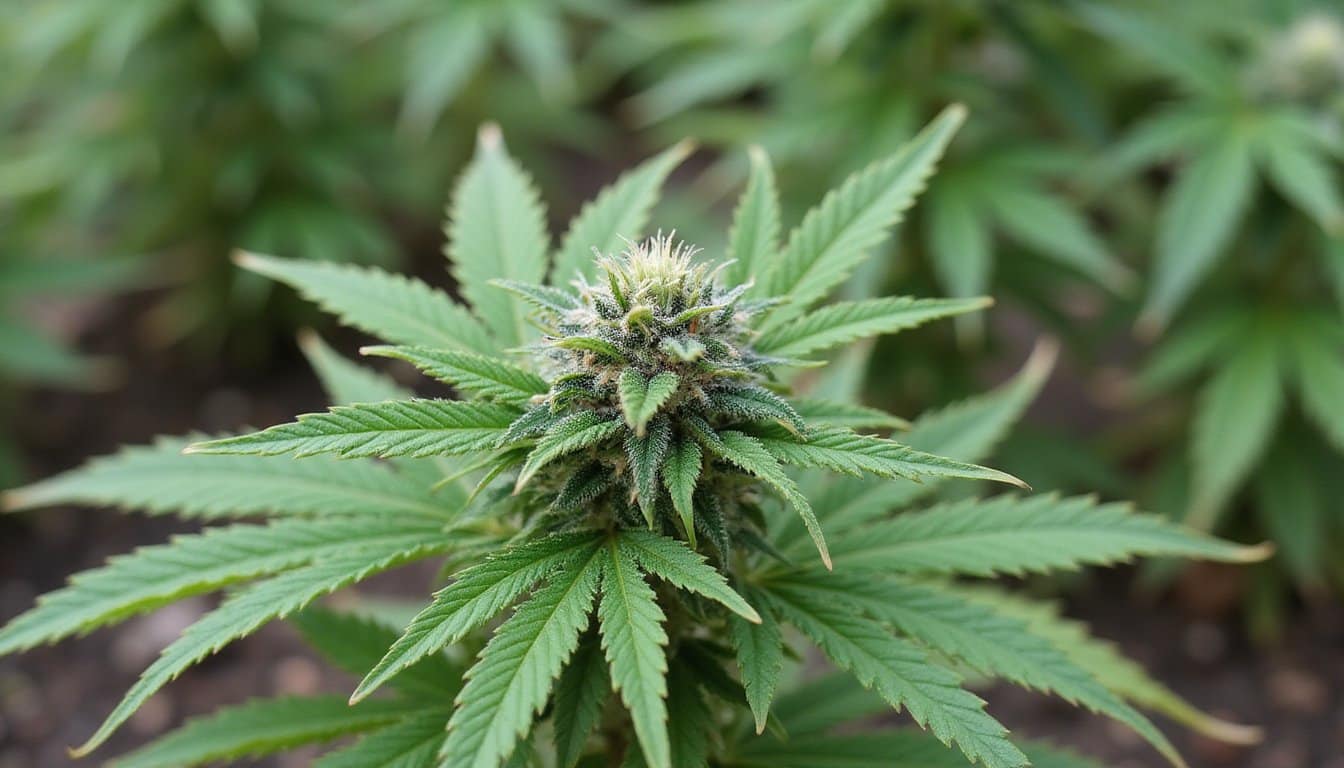
Sprayed weed refers to cannabis that’s been intentionally treated with various substances after harvest to manipulate its appearance, weight, smell, or perceived potency. Unlike cultivation-phase pesticides, these additives are applied post-harvest specifically to deceive buyers.
Common additives include synthetic cannabinoids like K2, pesticides such as myclobutanil, sugar, hairspray, artificial terpenes, and inert fillers like glass or silica. This practice differs from laced weed, which contains drugs like cocaine or PCP to alter effects. While sprayed weed is primarily a deceptive sales tactic, laced weed introduces unpredictable substances that fundamentally change the drug’s effects.
The primary driver behind sprayed marijuana is profit. Sellers in illicit markets coat low-quality buds to appear premium, adding chemical residue that increases weight and creates deceptive shine. Dealers use these techniques to make low-grade marijuana appear more valuable than it actually is. You can’t always detect these manipulations visually, which amplifies health risks. Lacing is not visible to the naked eye and often undetectable by smell, making identification nearly impossible for consumers. Trusted sources remain your safest option.
How to Spot Sprayed Weed Before You Smoke It
Before you consume cannabis from an unfamiliar source, you’ll need to conduct a systematic inspection that engages multiple senses to detect potential contamination. Start your visual inspection by examining buds for artificial sheen or excessive glossiness that suggests hair spray or other coatings. Check for unnatural density by gently pressing the flower, contaminated cannabis often feels unusually hard and compact.
Next, assess the olfactory profile. A chemical smell rather than earthy, natural terpenes indicates potential spraying. When you smoke, monitor for throat irritation beyond typical harshness and artificial flavors. While agricultural technology like See & Spray uses computer vision and machine learning to identify plants with precision, consumers must rely on their own senses to detect contamination. In legitimate agriculture, precision spraying technology reduces environmental impacts on soil, water, and herbicide resistance by targeting only areas where weeds exist.
If you’ve obtained cannabis from an unknown source, exercise cautious handling throughout your assessment. Note any texture anomalies like powdery residue or crystalline deposits. Sprayed weed is often treated with additives to increase weight or alter its appearance for better profits. However, only laboratory analysis can definitively identify lacing contaminants, sensory evaluation provides preliminary screening, not conclusive verification.
The Burn Test and Other Ways to Detect Sprayed Weed
The burn test offers a practical method for detecting contaminated cannabis when laboratory analysis isn’t accessible. When you ignite natural cannabis, it produces light gray or white ash through clean combustion. Sprayed weed often leaves dark, hard ash with visible residue or unusual discoloration, indicating impurities within the plant material.
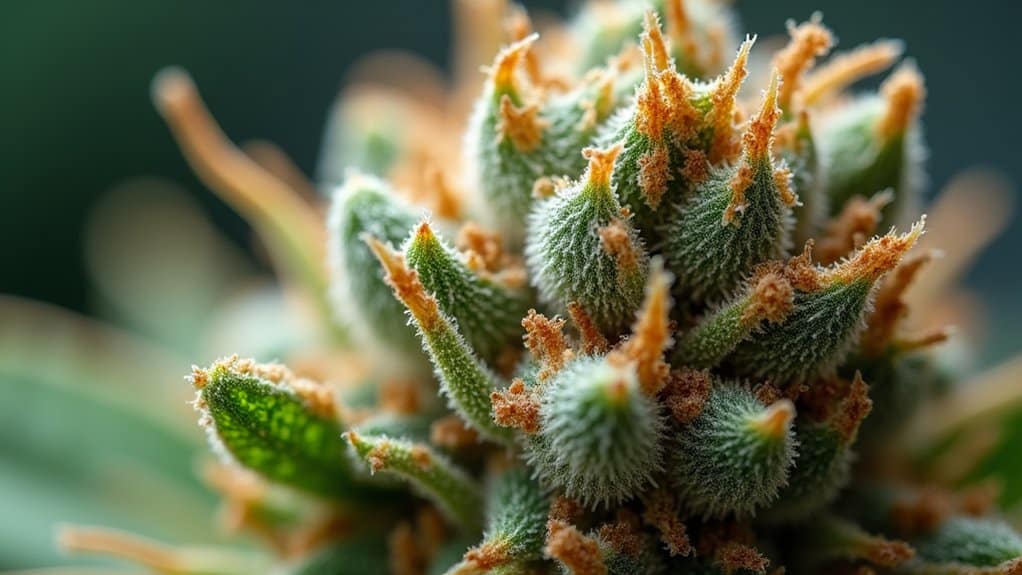
Beyond the burn test, visual inspection remains essential for identifying contaminated products. Examine the texture carefully, authentic trichomes appear crystalline and delicate, while synthetic coatings create an unnatural, uniform appearance. The smell provides additional detection clues; chemical odors resembling plastic or detergent signal potential contamination. Legitimate cannabis products can be verified through HPLC testing, which allows for unique determination of cannabinoid profiles without the degradation caused by heat-based methods.
You should also observe how the cannabis burns. Contaminated material may spark, crackle, or produce black smoke during combustion. These observable indicators help you assess product quality before consumption when professional testing isn’t available. For regulatory purposes, Δ9-THC determination is often required to verify that cannabis products meet legal compliance standards and haven’t been adulterated with synthetic cannabinoids. For rapid screening of cannabis-infused products like edibles and beverages, DART-HRMS can detect THC and other cannabis-related molecules with minimal sample preparation.
What Dealers Actually Spray on Weed
Numerous substances end up on contaminated cannabis, ranging from household chemicals to synthetic drugs. Dealers in illegal markets use various coating methods to transform low-quality marijuana into seemingly premium buds. Drug suppliers prioritize profit over consumer safety, applying unknown substances that pose serious health risks.
Common substances you’ll find sprayed on weed include:
- Weight enhancers: Sugar water, hairspray, and silica powder add mass to buds for increased profits
- Appearance boosters: Glossy sprays and synthetic coatings create artificial trichome-like shine
- Scent maskers: Synthetic terpenes and fragrance sprays cover defects from poor storage
- Potency imitators: Psychoactive substances like K2 or Spice simulate stronger effects
- Bulking agents: Vegetable oil and adhesives increase stickiness and density
These coating practices remain prevalent where regulatory oversight doesn’t exist. Purchasing from licensed dispensaries ensures products undergo lab testing to verify they are free of harmful contaminants. In contrast, legitimate cultivators using low volume electrostatic systems can deliver precise, clean applications that address residue and dry time concerns while producing higher quality buds. Some legal manufacturers use professional-grade terpene sprays made from food-grade ingredients and non-GMO crops to enhance cannabis aroma without introducing harmful contaminants.
Health Risks of Smoking Sprayed Weed
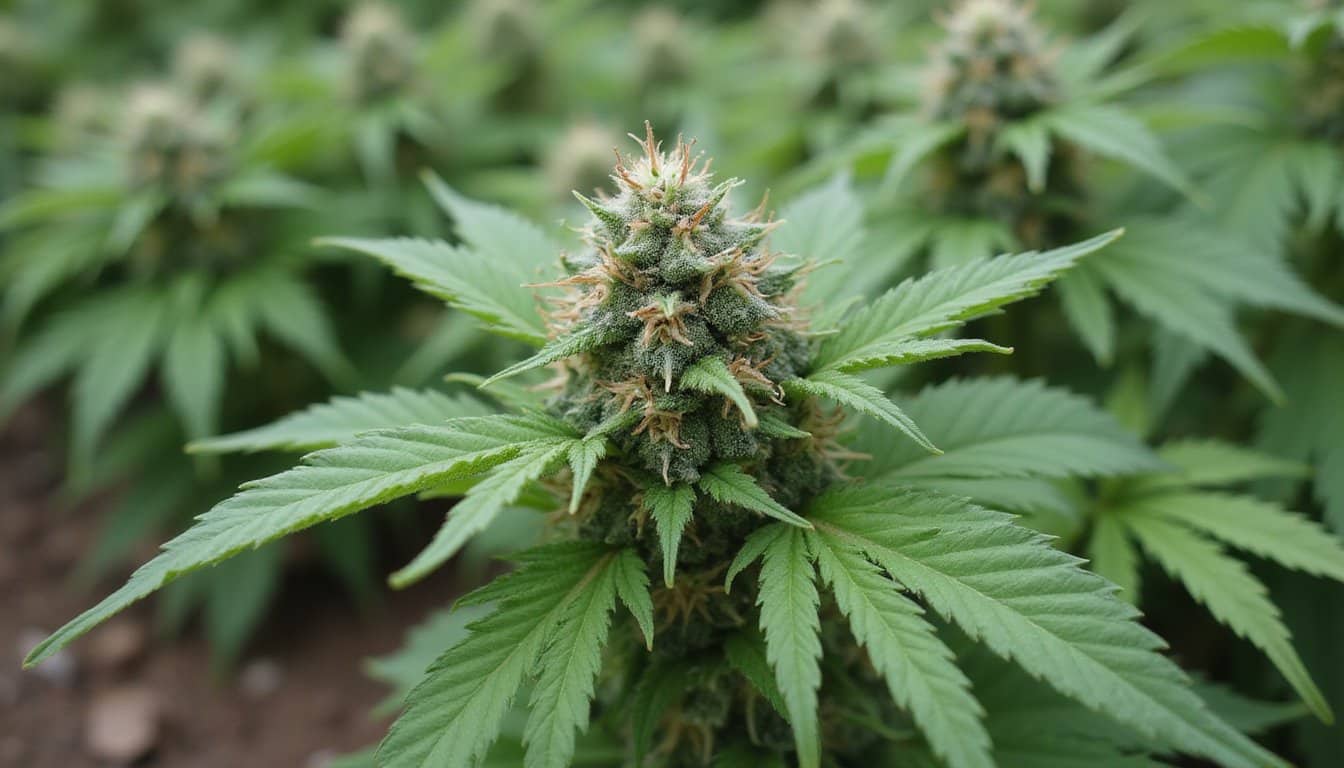
Understanding what dealers spray on weed reveals only half the picture, you also need to recognize how these contaminants affect your body. When you smoke sprayed cannabis from unregulated street sources, you’re inhaling toxic compounds that trigger immediate respiratory issues, including coughing, throat irritation, and lung problems. Pesticides like myclobutanil release hydrogen cyanide when burned, increasing toxicity with each puff. Beyond pesticides, marijuana can be contaminated with mold, insecticides, or other chemicals that are released when smoked.
The side effects extend beyond your lungs. You may experience allergic reactions, nausea, severe headaches, and cardiovascular stress. Synthetic cannabinoids carry extreme risks, over 1,300 annual U.S. emergency visits stem from these substances, with documented cases of seizures, psychosis, and cardiac arrest. These additives also accelerate dependence and addiction, raising your overdose risk considerably. Synthetic cannabinoids are particularly dangerous because they do not show up on standard toxicology tests, making it difficult for medical professionals to diagnose and treat related emergencies. A single package of synthetic marijuana may contain multiple drugs that become even more dangerous when combined.
Purchasing from a licensed dispensary remains your safest option, as regulated products undergo rigorous testing for contaminants.
How to Avoid Sprayed Weed When You Buy
Five distinct sensory tests can help you identify sprayed cannabis before purchase: visual inspection, smell assessment, texture evaluation, burn analysis, and strategic sourcing decisions.
Protect yourself with five simple sensory tests to spot contaminated cannabis before it ever reaches your lungs.
- Visual inspection: Look for plastic-like sheen or uniform gloss that differs from natural matte trichomes; examine under magnification for irregular trichomes that appear clumped or artificial.
- Smell assessment: Detect any unnatural smell, harsh chemical, perfume-like, or artificially sweet scents indicate contamination.
- Texture evaluation: Check for excessive stickiness beyond natural resin or powdery residue when rubbed between fingers; unnatural texture signals treatment.
- Burn analysis: Note any chemical aftertaste, dark oily ash, or sizzling sounds during combustion.
- Strategic sourcing: Purchase exclusively from licensed dispensaries that conduct regulated testing; avoid street dealers offering buds with any unnatural sheen or suspicious characteristics.
If you or someone you love is struggling with cannabis addiction, know that help is closer than you think. At Miami Outpatient Detox, we connect you with trusted cannabis detox services to help you find the care you deserve. Call (786) 228-8884 today and let us help you find the support you need to heal.
Frequently Asked Questions
Can Sprayed Weed Cause a Failed Drug Test for Other Substances?
Yes, sprayed weed can cause you to fail drug tests for substances beyond THC. When dealers coat cannabis with synthetic cannabinoids, cocaine, meth, or fentanyl, you’re unknowingly consuming these adulterants. Your body metabolizes them into detectable compounds that’ll trigger positive results on multi-panel drug screens. You won’t know what’s in contaminated cannabis until testing reveals unexpected substances in your system, making unregulated sources particularly risky for anyone facing drug screening.
Is Sprayed Weed More Common in Certain Regions or Countries?
You’ll find sprayed weed more prevalent in regions with unregulated cannabis markets. Germany reports alarming contamination rates, 80% of unregulated samples contain harmful substances like hairspray and banned pesticides. European prevalence varies greatly, ranging from 0.42% in Sweden to 43.90% in the Netherlands. Countries with legalized cannabis typically show 12.0% pooled prevalence compared to 5.4% in non-legalized nations, suggesting stricter regulatory oversight reduces contamination risks in legal markets.
Can You Remove Contaminants From Sprayed Weed by Washing It?
You can’t effectively remove contaminants from sprayed weed through washing. While rinsing may eliminate surface dust or mildew, it won’t address pesticides that cannabis absorbs through its roots as a phytoremediator. Additionally, washing risks stripping away valuable cannabinoids. Since you’ll smoke or vaporize the product, any remaining chemical residues will release directly into your lungs. Discarding contaminated cannabis remains your safest option rather than attempting remediation.
Does Sprayed Weed Affect the Potency of Natural Cannabinoids in Cannabis?
Sprayed weed doesn’t enhance natural cannabinoid potency, it masks inferior quality through surface-level deception. The additives coat the flower’s exterior without integrating into the plant’s chemical structure, leaving THC and CBD content unchanged. You’re fundamentally consuming the same low-grade cannabinoids plus harmful synthetic compounds. When synthetic cannabinoids are sprayed on, they create unpredictable psychoactive effects that override natural cannabis properties, producing dangerous reactions your body can’t process safely.
How Long Do Health Effects From Smoking Sprayed Weed Typically Last?
You’ll typically experience acute effects from sprayed weed lasting 3 to 5 hours, though they can extend up to 24 hours depending on the contaminant. If you’ve inhaled synthetic cannabinoids, peak effects hit within 3 to 20 minutes. Mental health impacts like anxiety and psychotic symptoms may persist for days or weeks. Long-term exposure causes lasting respiratory damage, cognitive impairments, and organ problems that accumulate over time with repeated use.