


When you grab a supplement off a gas station shelf, you might unknowingly be taking tianeptine, a full mu-opioid receptor agonist hidden behind labels promising “energy” or “cognitive enhancement.” It’s not FDA-approved, and combining it with alcohol, benzodiazepines, or opioids dramatically raises your risk of seizures, respiratory depression, and death. Poison control exposures have surged 525% since 2018. Understanding what’s really inside these products and which states have taken action could protect your life.
Tianeptine: The So-Called Gas Station Heroin
Although tianeptine is prescribed in some countries as an antidepressant at doses of 25, 50 mg per day, it’s never been approved by the FDA, and products sold at gas stations under names like Neptune’s Fix can contain dangerously unpredictable amounts. Recreational doses reach up to 10,000 mg daily, escalating your risk of seizures, respiratory depression, coma, or death. These gas station supplements risks intensify when you combine tianeptine with alcohol, benzodiazepines, or opioids, substances that amplify cardiac and respiratory dangers. Tianeptine exposures reported to the National Poison Data System show a concerning increase from 2000, 2017 in the United States, reflecting the growing availability of these unregulated products.
Standard drug panels won’t detect tianeptine misuse, making overdose harder to identify. Some products also contain undeclared synthetic cannabinoids, compounding psychoactive supplement risks. Withdrawal mirrors severe opioid dependence, trapping you in a cycle of escalating use that routine screening can’t flag. If an overdose is suspected, it is recommended to use naloxone (Narcan) to treat it, given tianeptine’s opioid agonist effects.
How Tianeptine Ends Up on Store Shelves Legally
You might assume a product on a gas station shelf has passed some form of safety review, but tianeptine bypasses FDA pre-approval requirements by hiding behind dietary supplement labeling, brands like Neptune’s Fix and Zaza exploit this loophole despite the FDA’s determination that tianeptine doesn’t qualify as a legitimate dietary ingredient. Because no federal pre-market approval is required for supplements, manufacturers can place these products next to energy drinks and vitamins without disclosing that the active ingredient interacts with opioid receptors and can produce dangerous interactions with antidepressants, benzodiazepines, and other CNS depressants. This regulatory gap means you’re left relying on labels that may misrepresent potency, omit key ingredients, or make unproven therapeutic claims, all while the product remains legally available in states that haven’t yet scheduled it.
Exploiting Supplement Label Loopholes
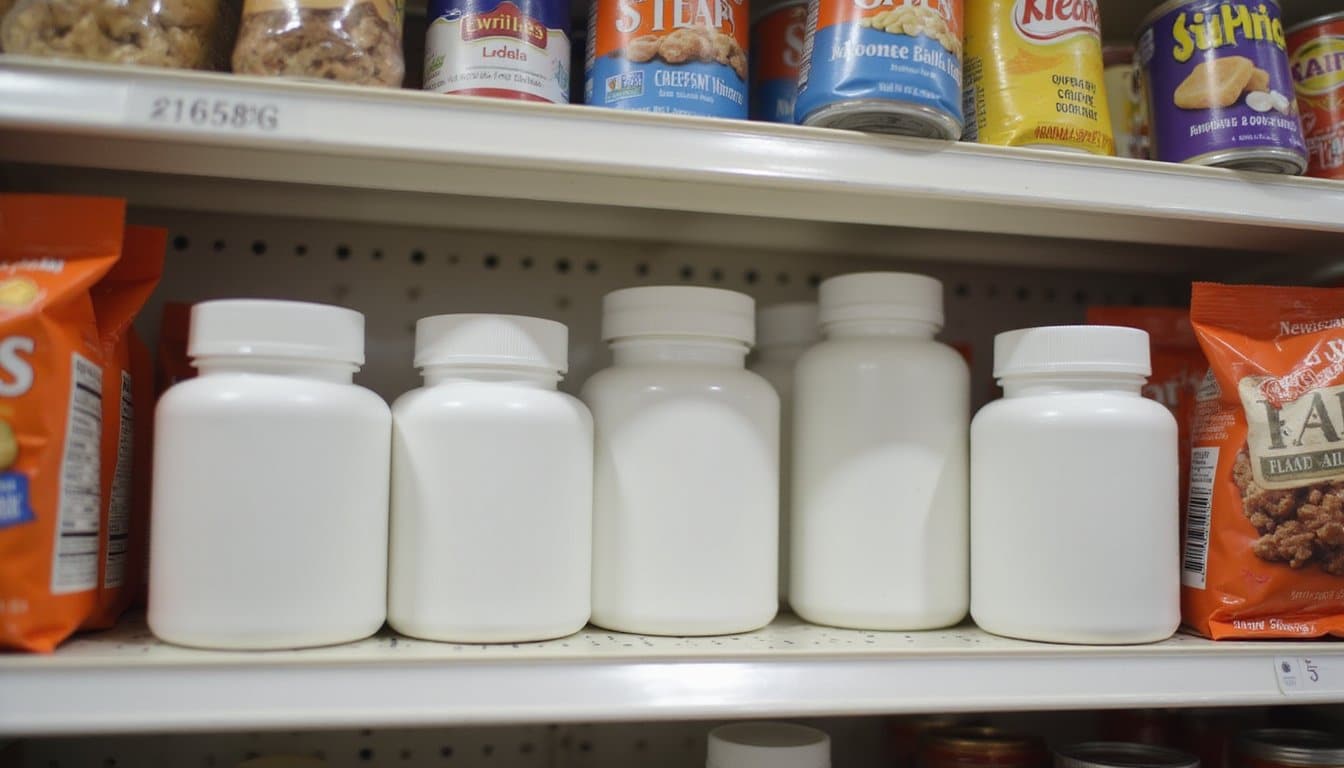
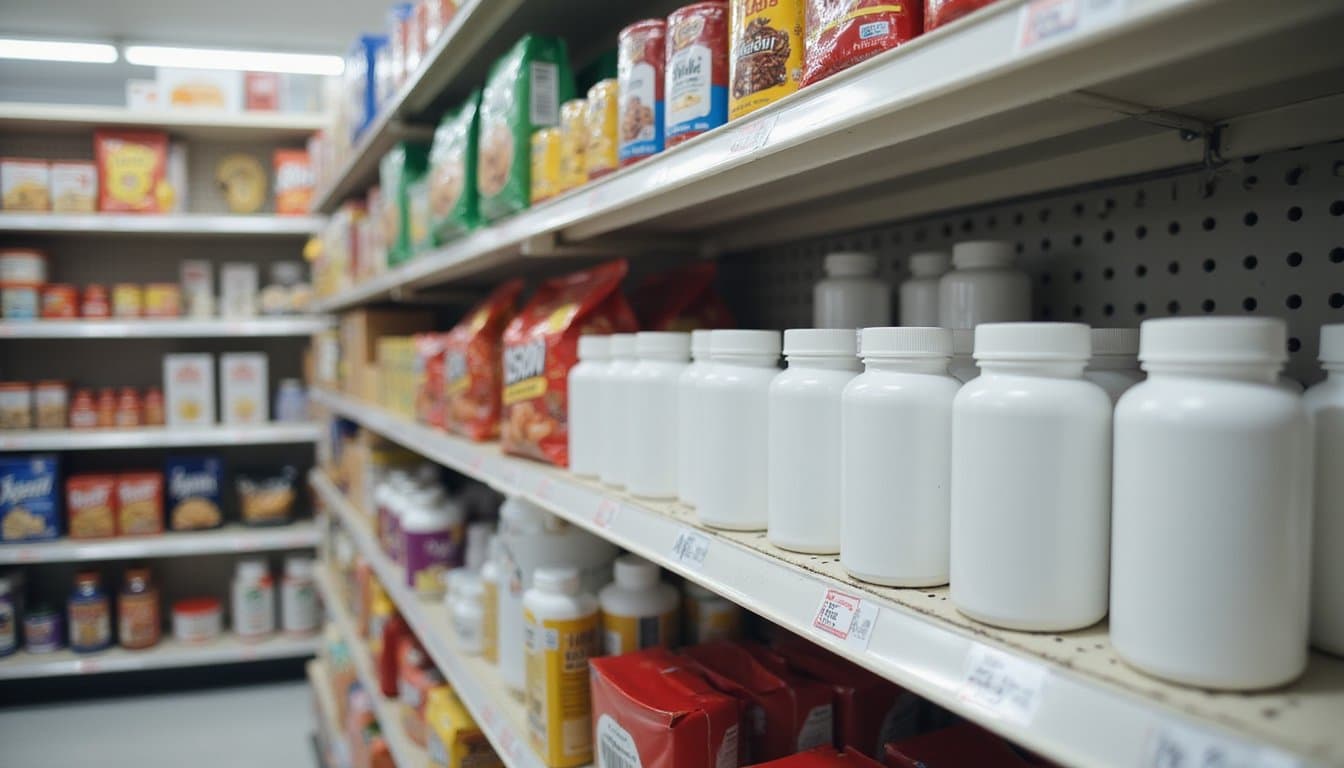
Dozens of tianeptine-containing products sit on gas station shelves right now, sold under names like Zaza, Tianaa, and Neptune’s Fix, because the FDA doesn’t preapprove dietary supplement ingredients before they reach consumers. These supplements sold at gas stations use euphemistic labels emphasizing “energy” and “cognitive enhancement” while concealing opioid-like effects.
You won’t find accurate potency data on these bottles. Batch-to-batch variations mean you can’t reliably gauge your dose, and unknown compounds, including synthetic cannabis found in Neptune’s Fix samples, amplify convenience store supplement dangers. Companies list tianeptine under alternative names like “tianeptine sulfate” or “tianna green” to further obscure what you’re actually ingesting. Without pre-market verification, you’re trusting unverified claims with your neurological health.
Evading FDA Pre-Approval Requirements
How does a substance the FDA hasn’t approved for any medical use end up sitting next to energy drinks at your local gas station? The answer lies in a critical regulatory gap: dietary supplement manufacturers aren’t required to submit safety or efficacy data before selling products. This lack of oversight raises significant concerns about the safety of unregulated supplements in gas stations, where consumers may unknowingly purchase products that could be harmful. Many of these supplements are marketed with bold claims and eye-catching labels, enticing shoppers to try whatever seems appealing. As a result, a substantial number of individuals may be risking their health without even realizing it, driven by the allure of quick fixes and increased energy.
| Pharmaceutical Drugs | Tianeptine Products |
|---|---|
| Require pre-market FDA approval | No pre-approval needed |
| Must prove safety and efficacy | No safety data submitted |
| Undergo clinical trials | Bypass clinical testing |
| Labeled with drug interactions | Interaction risks undisclosed |
| DEA-scheduled if addictive | Currently unscheduled federally |
What Tianeptine Actually Does to Your Body

Tianeptine works differently from most antidepressants, and that distinction carries serious clinical consequences. Unlike SSRIs, it stimulates serotonin reuptake rather than inhibiting it. It also acts as a full mu-opioid receptor agonist, triggering dopamine release that produces euphoria and creates high abuse potential.
At clinical doses of 25, 50 mg/day, you’d experience antidepressant effects comparable to SSRIs. But recreational doses exceed 3,000 mg/day, pushing your body into dangerous opioid-like territory, sweating, respiratory depression, rapid heartbeat, and coma.
You’re also facing significant drug interaction risks. Tianeptine‘s hepatic metabolism, high albumin binding, and short 2.5-hour half-life mean concurrent use of benzodiazepines, other opioids, or serotonergic drugs can rapidly escalate toxicity. If you have kidney disease, the active metabolite MC5 accumulates, compounding overdose risk.
What’s Actually Inside Tianeptine Products?
The bright-colored bottles lining gas station counters don’t reveal what’s actually inside them. Tianeptine products contain a synthetic tricyclic antidepressant molecule with mu-opioid receptor binding activity, not a natural dietary ingredient. You’ll find it sold as tianeptine sodium or tianeptine sulfate in capsules, tablets, powders, or elixirs under names like Zaza Red, Tianaa, and Neptune’s Fix.
What’s more alarming is what else you might ingest. These products carry contamination risks including heavy metals like lead, microorganisms such as salmonella or mold, and undisclosed synthetic cannabinoids. Some contain undeclared drug ingredients that can trigger dangerous interactions with medications you’re already taking. Manufacturers don’t follow good manufacturing practices, so compositions vary between batches. You can’t trust the label to reflect what you’re actually consuming.
Tianeptine Poison Control Calls Jumped 525% in Five Years
Beyond what’s hidden inside these products, the sheer volume of harm they’re causing is accelerating at a staggering pace. U.S. poison centers recorded a 525% increase in single-substance tianeptine exposures from 2018 to 2023, with 51.5% producing moderate effects and 12% causing major harm.
| Metric | Data |
|---|---|
| Total single-substance exposures (2015, 2023) | 892 |
| Overall exposure increase (2015, 2023) | 1,400% |
| Cases requiring medical admission | 40.1% |
| Critical care admissions | 22.9% |
| Abuse-related exposures | 40.1% |
If you’re over 50, your risk climbs further, you’re 1.7 times more likely to experience major effects. Abuse-related exposures carry a higher likelihood of moderate or major outcomes, compounding dangers when combined with other substances.
Which States Have Banned Tianeptine So Far?
If you’re wondering whether your state has taken action against tianeptine, at least nine states, including Alabama, Michigan, Indiana, Kentucky, Mississippi, Florida, Georgia, Ohio, and Tennessee, have banned or restricted it as a controlled substance, with Michigan acting as early as 2018 following overdose reports. Despite these state-level efforts, there’s no federal ban yet, meaning tianeptine remains legal and accessible in roughly 43 states where you could still encounter it at gas stations under brand names like Zaza or Tianaa. Bipartisan legislative efforts, including the proposed STAND Act and HR 7407, are pushing for federal scheduling, but until that happens, you should verify your state’s current regulations and consult a healthcare provider about potential drug interactions before using any supplement containing tianeptine.
States With Active Bans
Because tianeptine remains unregulated at the federal level, individual states have stepped in to restrict or ban its sale, creating a patchwork of laws that varies widely across the country.
Michigan led the way in 2018, classifying tianeptine as a Schedule 2 controlled substance. Alabama, Georgia, Indiana, and Ohio followed with their own controlled substance designations. Kentucky took the most aggressive stance, declaring tianeptine a Schedule 1 substance in March 2023, effectively eliminating all legal sales. Mississippi opted for Schedule 3 classification, allowing limited prescription access while removing it from store shelves. Florida’s attorney general outlawed it outright, and Tennessee enacted its own restrictions.
Pending Legislative Efforts
While these nine states have taken decisive action, momentum is building at the federal level to close the regulatory gaps that still leave 43 states without meaningful protections. HR 7407, the Prohibiting Tianeptine and Other Dangerous Products Act, was introduced in the House on February 5, 2026, and referred to the Committee on Energy and Commerce.
You should also know about the bipartisan STAND Against Emerging Opioids Act, announced in January 2024, which proposes Schedule III classification under the Controlled Substances Act. This designation would require prescriptions for legal sales, similar to codeine and ketamine, substances known for significant drug interaction risks.
California’s AB 634 takes a different approach, advancing civil enforcement measures to prohibit tianeptine’s manufacture, distribution, and sale while preserving legitimate research access.
Safer Alternatives to Tianeptine for Energy and Focus
Many people searching for energy and focus turn to tianeptine-based gas station supplements without realizing that well-studied, lower-risk alternatives exist. Caffeine (100, 200 mg) paired with L-theanine (200 mg) delivers balanced alertness without opioid-receptor activity. Rhodiola rosea (200, 600 mg) and ashwagandha (300, 500 mg) reduce fatigue and stress with clinical backing.
If you’re managing ADHD or chronic fatigue, prescription options like modafinil or atomoxetine offer targeted focus under medical supervision, critical for avoiding dangerous drug interactions. Tyrosine (500, 2,000 mg) and magnesium (300, 400 mg) support dopamine and neurotransmitter function safely.
You shouldn’t overlook lifestyle interventions either. Aerobic exercise, adequate sleep, and omega-3 supplementation match or exceed many supplement benefits. Before combining any alternatives, consult your healthcare provider to screen for contraindications.
Support Is Just One Call Away
Gas station drugs can be just as addictive and dangerous as illegal substances. At Miami Outpatient Detox, we connect individuals with licensed detox centers offering a full range of Detox Programs to help you take the first step toward recovery. Call (786) 228-8884 today and let us guide you toward the right care.
Frequently Asked Questions
Can Gas Station Supplements Interact Dangerously With Prescription Medications I Already Take?
Yes, they absolutely can. Gas station supplements often contain undeclared drugs, like sildenafil in ED pills or tianeptine in mood boosters, that you won’t find listed on the label. If you’re taking nitrates, antidepressants, opioids, or blood thinners, these hidden ingredients can trigger severe drops in blood pressure, serotonin syndrome, or respiratory depression. You shouldn’t trust unregulated labels. Always consult your healthcare provider before combining any supplement with your prescriptions.
How Can I Verify Whether a Gas Station Supplement Is FDA Approved?
You can check whether a supplement’s FDA-approved by searching the FDA’s drug approval database and looking for the FDA approval seal on packaging. Most gas station supplements carry a “not evaluated by FDA” disclaimer, meaning they haven’t undergone rigorous safety testing. You should also review the FDA’s warnings page for flagged products like tianeptine or kratom. Without verified approval, you can’t reliably predict dangerous interactions with your current prescriptions.
Are Gas Station Supplement Employees Trained to Warn Customers About Product Risks?
You shouldn’t expect gas station employees to warn you about supplement risks. They’re typically trained in workplace safety, hazmat handling, and transaction processing, not pharmacology or drug interactions. Unlike pharmacists, they can’t advise you on how a supplement might interact with your medications or affect your health conditions. You’re fundamentally/fundamentally purchasing products that can alter your brain chemistry from someone without relevant medical training. Always consult your healthcare provider first.
Do Gas Station Supplements Show up on Employer Workplace Drug Tests?
Most gas station supplements won’t show up on standard employer drug tests. Substances like tianeptine, 7-OH kratom, and synthetic cannabinoids aren’t included in routine screening panels. You’d need specialized testing, such as liquid chromatography-mass spectrometry, to detect them. This detection gap doesn’t mean they’re safe, these products can still cause dangerous drug interactions, addiction, and serious side effects. You shouldn’t interpret a negative test result as evidence of a product’s safety.