
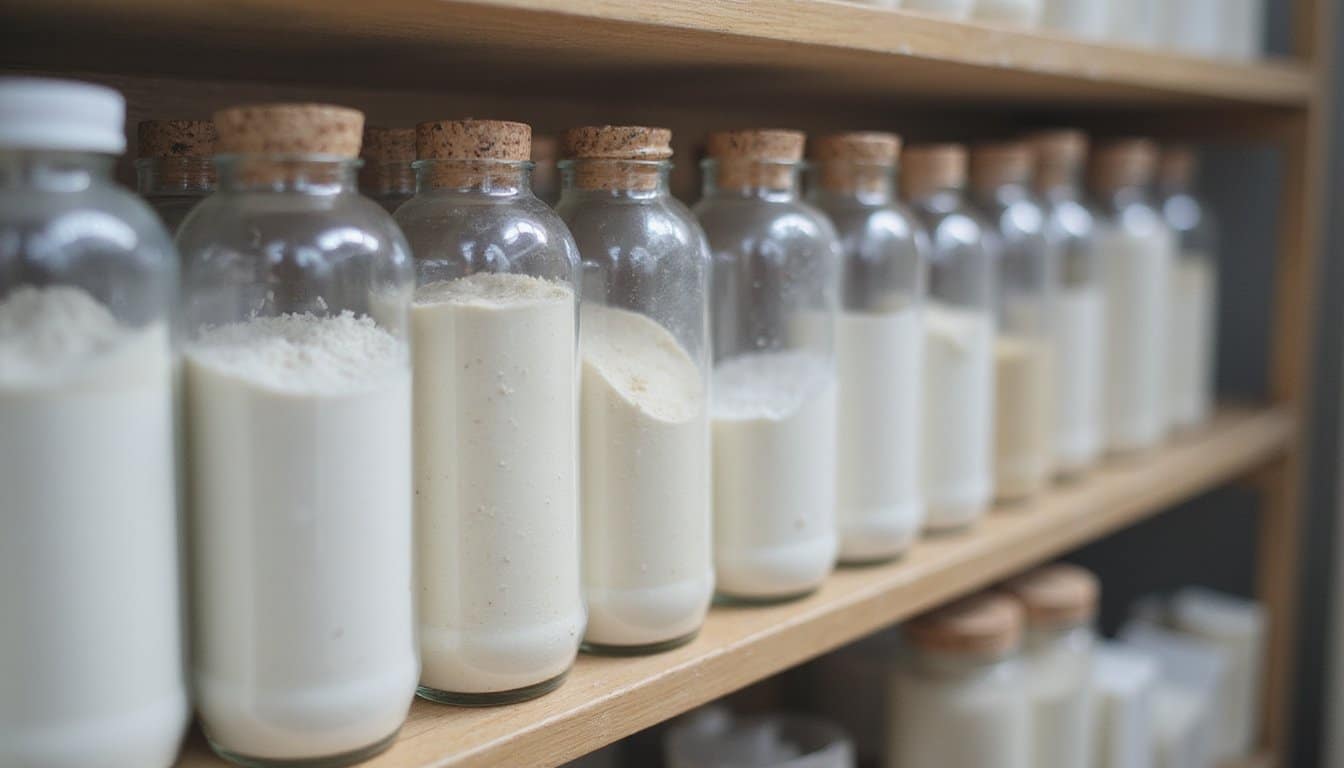

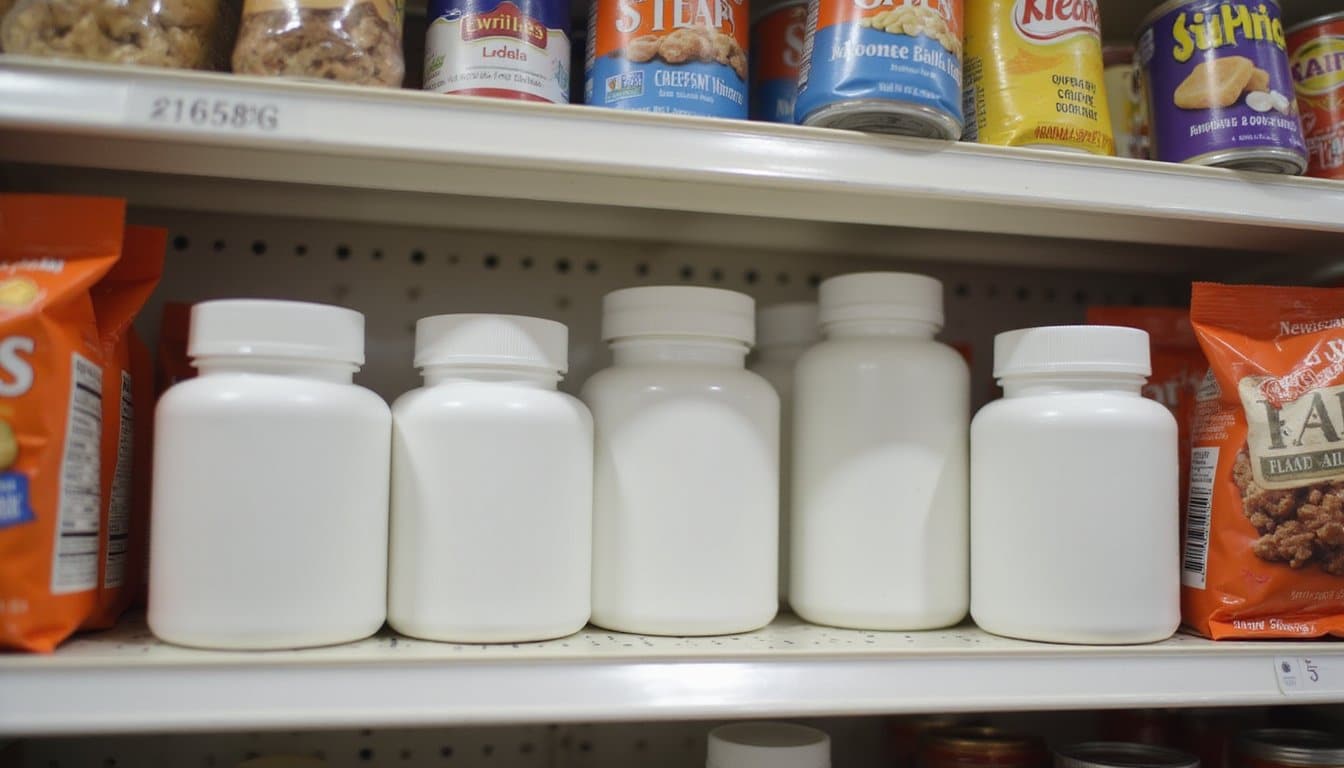


If you’ve seen products like Tianaa, Zaza, or Neptune’s Fix on gas station shelves, you’re looking at unregulated supplements containing tianeptine, a substance that activates opioid receptors at high doses. These products aren’t FDA-approved, and manufacturers disguise their effects with “nootropic” or “dietary supplement” labels. Poison control calls involving tianeptine surged 525% between 2018 and 2023. Understanding unregulated supplements sold in gas stations, how these products evade regulation, and which states have banned them can help you stay safe.
What Is Gas Station Heroin?
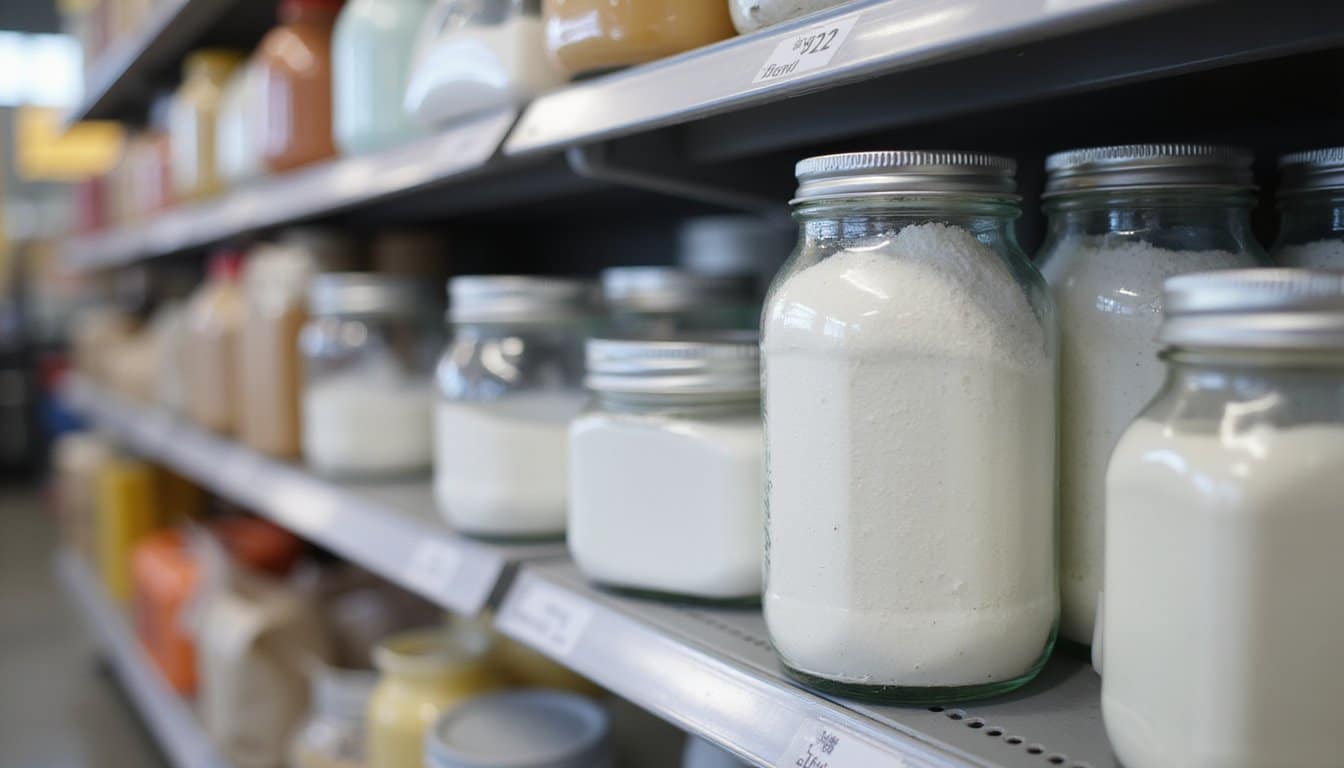
“Gas station heroin” is a street name for tianeptine, an addictive substance sold as a dietary supplement in gas stations, smoke shops, and convenience stores across the United States. You’ll find these gas station supplements under brand names like Tianaa, Zaza, Neptune’s Fix, Pegasus, and TD Red. Many consumers are unaware that mood enhancement products sold locally can also include unregulated substances. These products often claim to improve mental well-being but may carry significant risks. It’s essential for shoppers to research and be cautious about what they are purchasing at these establishments.
Tianeptine originated as an antidepressant prescribed outside the U.S. since the late 1980s, but it has never received FDA approval for any medical use domestically. At high doses, these tianeptine supplements activate mu-opioid receptors, producing euphoria and sedation that mimic heroin’s effects, hence the nickname. Repeated use can quietly reshape brain chemistry, leading to dependence on tianeptine that many people don’t recognize until withdrawal symptoms set in.
Because they’re classified as psychoactive supplements rather than medications, these products bypass the rigorous safety testing required for prescription drugs, leaving you vulnerable to inconsistent potency and unregulated additives. Taking tianeptine in excessive amounts can cause life-threatening complications, including respiratory depression, coma, seizures, and dangerously irregular heart rate. The body can rapidly develop tolerance to tianeptine, driving users to increase their dosage in pursuit of the same effects and dramatically raising the risk of overdose.
How Fake Labels Disguise Gas Station Heroin
Although tianeptine products sit on shelves alongside vitamins and energy drinks, their labels deliberately exploit a regulatory gray area. You’ll find them sold as nootropics or “research chemicals” under names like Za Za Red, Neptune’s Fix, and Tianaa, brands designed to obscure opioid-like effects. The FDA has stated tianeptine doesn’t qualify as a dietary ingredient, yet manufacturers continue marketing it as one to bypass approval requirements.
These unregulated supplements gas stations carry pose compounding risks. Active ingredient amounts vary widely between batches, and products may contain undisclosed heavy metals or microorganisms. You’ll encounter similar labeling tactics with phenibut supplements and kratom supplements retail, where “not for human consumption” disclaimers serve as legal shields rather than genuine warnings. This inconsistent dosing and contamination make every purchase unpredictable. The dangers of gas station supplements extend beyond mere inconsistency in dosing. Consumers may also find themselves relying on products that have not undergone rigorous safety testing, further exacerbating potential health risks. As these establishments often prioritize profit over consumer safety, it’s crucial to remain vigilant about what supplements are truly trustworthy.
Why Gas Station Heroin Is So Dangerous
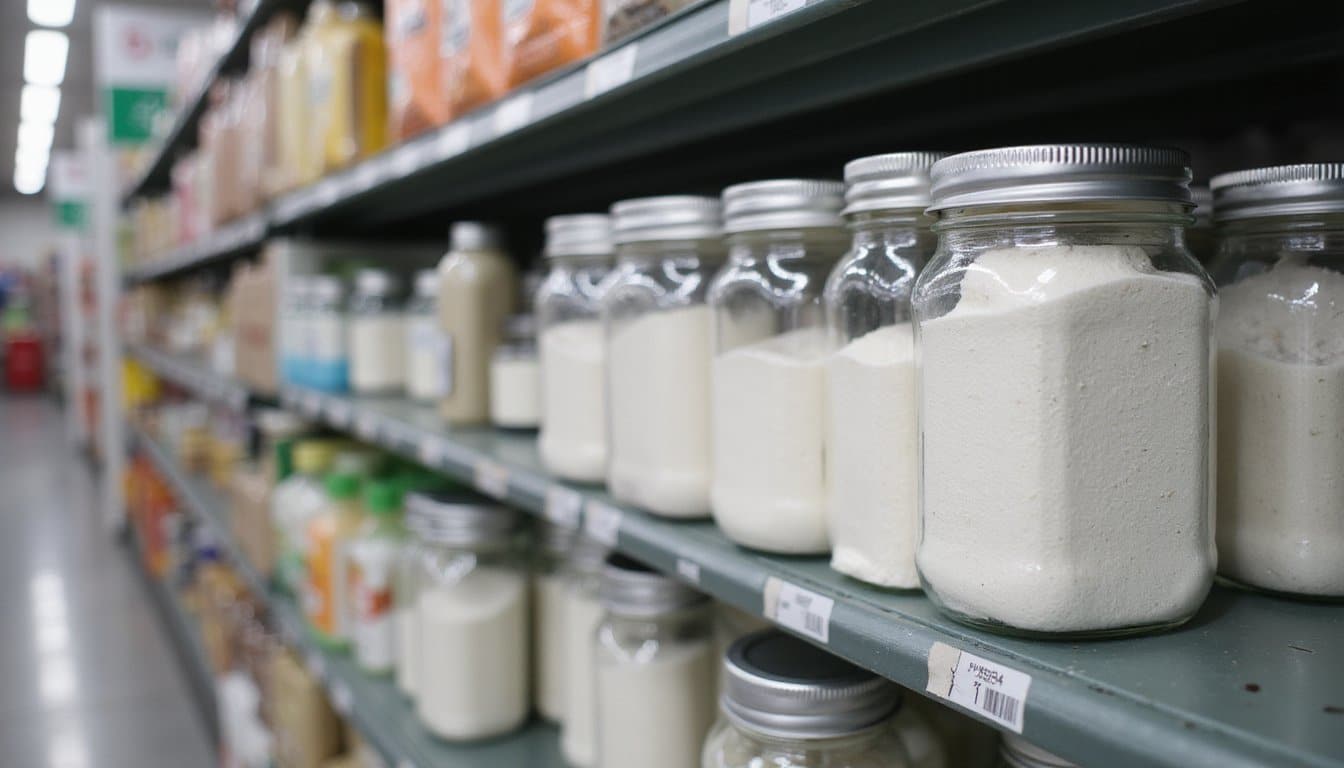
When you pick up a product like Zaza or Neptune’s Fix, you can’t know what’s actually inside, manufacturers have been caught adding undisclosed stimulants, synthetic cannabinoids, and other toxic compounds that don’t match the label. Beyond hidden ingredients, the tianeptine in these products hijacks your opioid receptors, driving rapid tolerance that can escalate use from a clinical dose of 25, 50 mg/day to as high as 3,000 mg/day, with withdrawal symptoms severe enough to mimic opioid dependence. This combination of unpredictable contents and high addiction potential is why poison control calls surged 525% between 2018 and 2023, with 40% of cases requiring medical intervention.
Hidden Toxic Drug Ingredients
Because tianeptine binds directly to mu opioid receptors in the brain, the same targets activated by fentanyl, heroin, and morphine, products like Neptune’s Fix and Za Za Red function as unregulated synthetic opioids despite their placement on convenience store shelves. At high doses, you face slowed or stopped breathing, the same life-threatening respiratory depression caused by illicit opioids.
These convenience store supplements carry additional hidden dangers. Lab analyses have detected synthetic cannabis, barbiturates, and undisclosed drug ingredients mixed into tianeptine products. You can’t verify what you’re actually consuming because potency and contents vary between batches, even within the same brand. Contamination with heavy metals like lead, microorganisms including salmonella, and fillers such as brown sugar compounds the toxicity risk. Prior safe use doesn’t guarantee your next dose won’t trigger a fatal reaction. Recent reports have highlighted concerning patterns in synthetic supplement misuse trends in America, particularly among younger demographics seeking quick fixes for anxiety and stress relief. The lack of regulation allows for dangerous variations in active ingredients, further complicating the issues surrounding safety and efficacy. As a result, many users are unknowingly exposing themselves to severe health risks that are often compounded by the sheer volume of misinformation available online.
Severe Addiction and Withdrawal
Tianeptine hijacks your brain’s opioid receptors at the high doses found in gas station products, triggering the same cycle of tolerance, dependence, and compulsive use that defines heroin and fentanyl addiction. You’ll escalate from clinical doses of 25, 50 mg daily to multiple grams within months as short-lived euphoria drives compulsive redosing.
When you stop, withdrawal hits immediately, anxiety, muscle pain, sweating, gastrointestinal distress, tachycardia, and tremor. Many users report symptoms worse than traditional opioid withdrawal, with documented cases of hallucinations and protracted recovery. You can’t simply quit; failed cessation attempts are common because severe physical discomfort forces continued use.
Comorbid depression increases your vulnerability and complicates diagnosis, as intoxication and withdrawal cycles mask the underlying substance use disorder, delaying critical treatment.
Why the FDA Can’t Ban Gas Station Heroin
How does a substance linked to severe withdrawal, overdose, and death remain legally available at your local gas station? Tianeptine isn’t scheduled under the federal Controlled Substances Act, which means the FDA can’t preemptively block its sale. Manufacturers exploit this gap by labeling products as supplements or “nootropics,” making unproven claims about treating anxiety, depression, and pain.
The FDA’s enforcement tools are reactive, limited to warnings, import alerts, and case-by-case product removals. Companies simply relabel and resume sales. Federal legislation to schedule tianeptine as a Schedule III substance has stalled in Congress since 2024, leaving enforcement inconsistent across state lines. Until Congress acts, you’re left traversing a marketplace where dangerous psychoactive substances sit alongside energy drinks.
Which States Have Banned Tianeptine?

While federal lawmakers stall on scheduling tianeptine, several states have moved aggressively to restrict the substance on their own. As of early 2024, at least 13 states have classified tianeptine as a controlled substance. Alabama, Georgia, Indiana, Kentucky, and Florida designate it as Schedule I, placing it alongside drugs with high abuse potential and no accepted medical use. Tennessee and Michigan classify it as Schedule II and Schedule 2, respectively, while Mississippi lists it as Schedule 3.
You should know that additional states are following suit. Arkansas and Oklahoma have scheduled tianeptine as Schedule II. Virginia adopted an emergency Schedule I regulation effective January 2024. Delaware, Pennsylvania, and South Carolina have proposed legislation to restrict access. If you’re in one of these states, possessing tianeptine may carry criminal penalties.
What to Do if You’ve Used Gas Station Heroin
If you’ve taken a product containing tianeptine and you’re experiencing symptoms like confusion, respiratory depression, rapid heartbeat, or seizures, call 911 or go to your nearest emergency room immediately, doses in these unregulated products can reach 100 times therapeutic levels, making overdose a serious risk. You should also contact your local poison control center at 1-800-222-1222, as they can guide you through next steps and document your adverse reaction for public health tracking. Once you’re stabilized, talk to a healthcare professional about evidence-based treatment options for both the substance use and any underlying conditions like depression or anxiety that may have led you to these products.
Seek Immediate Medical Help
Every minute counts when someone experiences adverse effects from gas station supplements containing tianeptine or similar psychoactive compounds. If you notice confusion, slowed breathing, or unresponsiveness, call 911 immediately. Administer naloxone if available, it’s safe even when opioid involvement isn’t confirmed.
| Warning Sign | Required Action |
|---|---|
| Slowed or stopped breathing | Administer naloxone; call 911 |
| Seizures or chest pain | Seek emergency department care |
| Unresponsiveness or coma | Request immediate intubation support |
When you call emergency services, report suspected tianeptine exposure and describe all observed symptoms. Hospital teams can provide respiratory support, manage cardiac complications, and treat seizures. Don’t minimize your symptoms, full recovery depends on prompt, specialized intervention. You deserve clinically appropriate care without delay.
Contact Poison Control Center
When you call, describe exactly what you took, how much, and when. Report any opioid-like symptoms, since tianeptine won’t appear on standard opioid drug screens. This critical detail helps clinicians avoid misdiagnosis. Mention additional substances you’ve used, including cannabinoids or alcohol.
Poison control can coordinate directly with emergency departments and relay clinical findings, such as expected electrolyte imbalances, heightened liver enzymes, or cardiac complications like prolonged QT interval, so your treatment team responds with precision from the start.
Explore Approved Treatment Options
Because tianeptine acts on mu-opioid receptors at high doses, effective treatments closely mirror established opioid overdose and dependence protocols. You should know that buprenorphine treats tianeptine dependence as a medication for opioid use disorder. Evidence-based options also address co-occurring depression, anxiety, or pain.
| Treatment Option | What It Provides |
|---|---|
| Naloxone administration | Reverses overdose effects, especially respiratory depression |
| Buprenorphine therapy | Manages dependence and reduces withdrawal severity |
| Medically supervised detox | Handles nervous system complications and polysubstance risks |
| Residential treatment | Delivers one-on-one therapy addressing tolerance and compulsive use |
| Outpatient rehabilitation | Supports gradual tapering and movement to daily life |
Don’t attempt recovery alone. If you’ve developed dependence, seek professional addiction services that specialize in opioid-like substance use disorders.
Support Is Just One Call Away
Gas station drugs can be just as addictive and dangerous as illegal substances. At Miami Outpatient Detox, we connect individuals with licensed detox centers offering a full range of Detox Programs to help you take the first step toward recovery. Call (786) 228-8884 today and let us guide you toward the right care.
Frequently Asked Questions
Are Other Gas Station Supplements Like Kratom and Phenibut Equally Dangerous?
They’re not equally dangerous, but they carry serious risks you shouldn’t ignore. Tianeptine poison control calls surged 525% from 2018, 2023, outpacing kratom’s rising reports. Phenibut products sold in the U.S. contain doses up to 3,000mg daily, far exceeding the 25, 50mg therapeutic range, and can cause severe withdrawal. Both kratom and phenibut evade routine drug screens, complicating your medical care. You’re facing real overdose risks, especially if you combine them with other substances.
Can Tianeptine Show up on a Standard Workplace Drug Test?
No, tianeptine won’t show up on a standard workplace drug test. Standard 5-panel and 10-panel screenings detect substances like THC, cocaine, opiates, amphetamines, and PCP, but they don’t include tianeptine. You’d need specialized testing, such as liquid chromatography, mass spectrometry (LC-MS), to detect it. Tianeptine’s short half-life of roughly 2.5 hours also narrows the detection window considerably, making identification even more challenging without targeted testing.
How Much Does Gas Station Heroin Typically Cost per Bottle or Packet?
You’ll typically find tianeptine products like ZaZa, Tianna, and TD Red priced between $10 and $30 per bottle or packet at gas stations and smoke shops, though prices vary by brand, location, and quantity. Don’t let the low cost fool you, these products carry significant addiction and overdose risks. If you’re using tianeptine regularly, you should consult a healthcare provider, as withdrawal can be severe and may require medical supervision.
Do Online Retailers Also Sell Tianeptine-Based Products to Consumers?
Yes, several online retailers sell tianeptine-based products directly to consumers. You’ll find sites offering brand-name Stablon, generic tablets, and bulk tianeptine sodium or sulfate powder. Some require prescriptions, while others don’t, accepting cryptocurrency and peer-to-peer payments with same-day shipping. You should know the FDA warns against purchasing tianeptine from any source due to serious health risks, including addiction potential and documented cases of consumers ingesting dangerously excessive doses.
What Withdrawal Symptoms Should Someone Expect After Stopping Tianeptine Use?
You can expect withdrawal symptoms to follow a progression. Within 6, 24 hours, you’ll likely experience anxiety, restlessness, muscle aches, and sweating. During days 1, 4, symptoms intensify to include severe body aches, chills, vomiting, diarrhea, and rapid heart rate. From days 5, 14, you’ll face fatigue, low mood, sleep disturbance, and cravings. Beyond two weeks, you may still struggle with anxiety, depression, tremors, and insomnia. You should seek medical supervision throughout this process.