



If you drink alcohol while taking Antabuse, you’ll experience a disulfiram, alcohol reaction within 5-15 minutes. The medication blocks your body’s ability to process alcohol, causing acetaldehyde to build up rapidly. You’ll likely feel flushing, nausea, headaches, and a racing heart. Severe reactions can trigger cardiovascular distress, seizures, or life-threatening complications requiring emergency care. Even hidden alcohol sources can provoke symptoms, and reactions remain possible for up to 14 days after your last dose.
What Happens When You Drink on Antabuse?
When you drink alcohol while taking Antabuse (disulfiram), your body can’t process it normally. Disulfiram blocks aldehyde dehydrogenase, the enzyme responsible for breaking down alcohol. This causes acetaldehyde, a toxic byproduct, to accumulate rapidly in your bloodstream. what is disulfiram reaction and how does it manifest in individuals who consume alcohol while on the medication? Symptoms can include severe flushing, nausea, vomiting, and palpitations, often leading to a significant aversion to alcohol. Understanding what is disulfiram reaction is crucial for those considering or currently taking Antabuse as part of their treatment plan. When you consume alcohol while taking Antabuse (disulfiram), aldehyde dehydrogenase is inhibited, preventing normal alcohol metabolism and causing rapid accumulation of acetaldehyde in the bloodstream. This triggers what is known as the disulfiram, alcohol reaction, characterized by intense flushing, nausea, vomiting, headache, chest discomfort, and palpitations which creates a powerful behavioral deterrent to drinking. Understanding how does disulfiram work for alcoholism helps clarify that its therapeutic effect relies on this predictable aversive response, reinforcing abstinence as part of a structured treatment plan.
The disulfiram alcohol reaction isn’t subtle. Within minutes of drinking on Antabuse, you’ll likely experience intense flushing, throbbing headaches, and nausea. Your heart rate increases, blood pressure drops, and you may feel chest tightness or difficulty breathing. Antabuse is so sensitive that even inhaling fumes from paint thinners or nail polish remover can be enough to trigger the medication.
The severity depends on your disulfiram dose and how much alcohol you’ve consumed. Even small amounts trigger symptoms. In severe cases, the reaction causes vomiting, cardiovascular distress, confusion, and potentially life-threatening complications. This reaction can occur up to 14 days after your last dose. Symptoms typically develop within 15 to 30 minutes of consuming alcohol and may peak after about an hour before gradually subsiding over several hours. Before starting treatment, you must ensure you haven’t consumed alcohol for at least 24 hours prior to taking your first dose.
How Fast Do Symptoms Start and How Long Do They Last?
The speed of the disulfiram-alcohol reaction catches many people off guard. When you combine antabuse and alcohol, symptoms typically begin within 5, 15 minutes of drinking. You’ll reach peak severity around one hour after consumption. Increased acetaldehyde levels in the blood are responsible for causing these toxic effects.
The disulfiram alcohol reaction duration varies based on severity. Mild cases resolve within 30, 60 minutes, while severe reactions can persist for several hours. Blood pressure drops and fainting risks continue throughout this period.
What surprises many patients is the extended vulnerability window. Even after you stop taking disulfiram, reactions can occur for 10, 14 days, sometimes up to three weeks. Your body needs approximately two weeks to produce enough unbound enzymes to metabolize alcohol safely again. This prolonged risk period demands careful planning before consuming any alcohol-containing products.
When Does an Antabuse Reaction Become an Emergency?
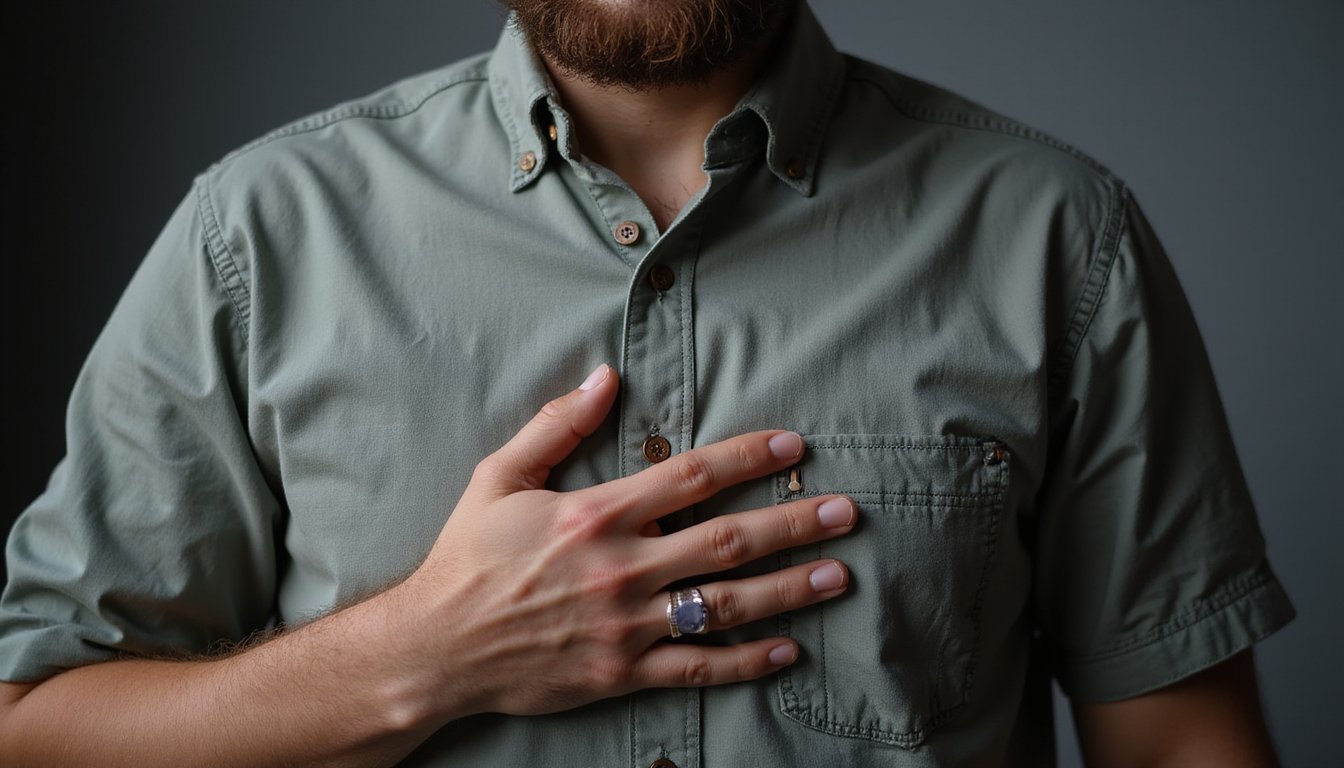
How do you know when a disulfiram-alcohol reaction has crossed from uncomfortable to dangerous? Most antabuse reaction symptoms resolve within 60 minutes, but certain signs indicate a serious disulfiram adverse reaction requiring immediate medical attention.
Seek emergency care if you experience:
- Cardiovascular distress, chest pain, severe hypotension, irregular heartbeat, or signs of shock
- Neurological changes, seizures, loss of consciousness, extreme confusion, or blurred vision
- Respiratory compromise, difficulty breathing or signs of anaphylaxis including facial swelling
- Prolonged symptoms, reactions lasting beyond one hour without improvement
These complications are rare but potentially life-threatening. In severe cases or when large amounts of alcohol are consumed, reactions can result in heart attack, convulsions, or even death. Don’t wait to see if symptoms improve on their own, call 911 immediately if you notice any of these warning signs.
Hidden Alcohol Sources That Trigger Reactions
Because disulfiram inhibits aldehyde dehydrogenase for up to two weeks after your last dose, even trace amounts of alcohol from unexpected sources can trigger a reaction.
Fermented foods pose significant risk. Kombucha, sauerkraut, kimchi, and fermented pickles contain residual ethanol from microbial activity. Even miso and tempeh retain alcohol post-fermentation. A case report documented a patient who developed flushing, tachycardia, and palpitations within hours of consuming fermented pickles while on disulfiram therapy.
Vinegars and derivatives require caution. Apple cider, balsamic, and white vinegars derive from alcohol fermentation, retaining detectable ethanol. Hidden vinegar in salad dressings and marinades creates cumulative exposure.
You’ll also encounter alcohol in hand sanitizers, mouthwashes, cough syrups, and flavoring extracts like vanilla. Barbecue sauces, pasta sauces, and certain soy sauce variants harbor ethanol through cooking processes or fermentation. Severe disulfiram-alcohol reactions can potentially lead to cardiovascular collapse and life-threatening complications.
Always read labels carefully. Doses as low as 5, 10 mg of ethanol can provoke symptoms in sensitized individuals. Maintaining a comprehensive list of safe products through meticulous label reading helps prevent accidental exposure and ensures consistent recovery progress.
How Long After Stopping Antabuse Can You Drink Safely?
Anyone stopping Antabuse faces a critical waiting period before they can safely consume alcohol. Because disulfiram irreversibly inhibits aldehyde dehydrogenase, your body must synthesize entirely new enzymes before it can metabolize alcohol normally again. During this time, it is important to monitor any potential antabuse side effects to monitor your overall health. Side effects can vary in severity, so being vigilant can help you manage any adverse reactions effectively. Consulting with a healthcare professional can provide guidance tailored to your specific situation.
The disulfiram ethanol reaction can occur up to two weeks after your last dose. This alcohol intolerance pill remains active because up to 20% stays in your system for a week or longer. With a half-life ranging between 60 to 120 hours, the drug maintains its presence in your body far longer than many other medications.
Recommended waiting timeline:
- Wait a minimum of one week before consuming any alcohol
- Expect possible reactions for 10-14 days post-discontinuation
- Allow up to three weeks for complete safety in some cases
- Consult your prescriber before reintroducing alcohol
You shouldn’t rush this process. Individual metabolism varies, and premature alcohol consumption risks triggering severe reactions.
Everything You Need to Heal Is Within Reach
Wherever you are in your battle with addiction, the right care and support is always there for you. Miami Outpatient Detox connects you with trusted treatment programs ensuring you receive everything you need to heal. Pick up the phone and call (786) 228-8884 today, and let us be part of your first step toward a healthier, better life.
Frequently Asked Questions
Can You Take Antabuse if You Have Liver Disease?
You shouldn’t take Antabuse if you have severe liver disease. Medical guidelines explicitly prohibit disulfiram for patients with significant liver conditions because it can worsen outcomes and cause additional hepatic stress. Even without preexisting liver problems, disulfiram carries hepatotoxicity risks, with rare cases of acute liver injury occurring within weeks of starting treatment. If you have any liver concerns, your doctor must evaluate your liver function before prescribing this medication.
Does Antabuse Interact With Other Medications or Supplements?
Yes, Antabuse interacts with several medications and supplements. You should avoid metronidazole, paraldehyde, and certain antivirals like amprenavir. If you’re taking phenytoin, warfarin, isoniazid, or theophylline, your doctor will need to monitor and adjust your doses. Some benzodiazepines and tricyclic antidepressants also require careful management. Additionally, you’ll want to avoid antacids, high-dose iron supplements, and any alcohol-containing products, including topicals and supplements.
How Effective Is Antabuse Compared to Other Alcohol Dependence Treatments?
You’ll find Antabuse shows strong effectiveness in open-label studies, outperforming both naltrexone and acamprosate. However, blinded trials don’t demonstrate the same benefits, likely because the drug’s deterrent effect relies on you knowing you’re taking it. You’ll get the best results when supervised administration combines with behavioral therapy. Unlike naltrexone, Antabuse doesn’t reduce cravings; it works by creating consequences for drinking rather than addressing underlying urges.
Can Antabuse Be Used to Treat Addictions Other Than Alcohol?
You’ll find that Antabuse has been studied for cocaine dependence, though results are mixed. Open-label trials showed some promise, but blinded randomized controlled trials found no significant efficacy. Researchers have also explored disulfiram’s potential anticancer properties, with observational data suggesting reduced cancer mortality among persistent users. However, you shouldn’t consider Antabuse for non-alcohol addictions outside clinical research settings, as it’s only FDA-approved for alcohol use disorder treatment.
What Happens if You Miss a Dose of Antabuse?
If you miss a dose of Antabuse, take it as soon as you remember, unless more than 12 hours have passed, in which case skip it entirely. Never double up on doses. Missing doses increases your relapse risk by removing the medication’s deterrent effect. To improve adherence, you should take your dose at the same time daily, use phone reminders, or have a trusted person supervise your medication.