





During outpatient detox, your doctor will conduct daily medical assessments to track essential signs, including blood pressure, heart rate, and temperature. You’ll undergo regular drug testing through urine, blood, or saliva samples to verify abstinence and monitor treatment progress. Medical staff will evaluate your withdrawal symptoms using clinical tools like CIWA-Ar and adjust medications accordingly. Mental health screenings and emergency protocols guarantee your safety throughout the process. Understanding these monitoring methods can help you prepare for successful recovery.
Daily Medical Assessment and Vital Signs Tracking
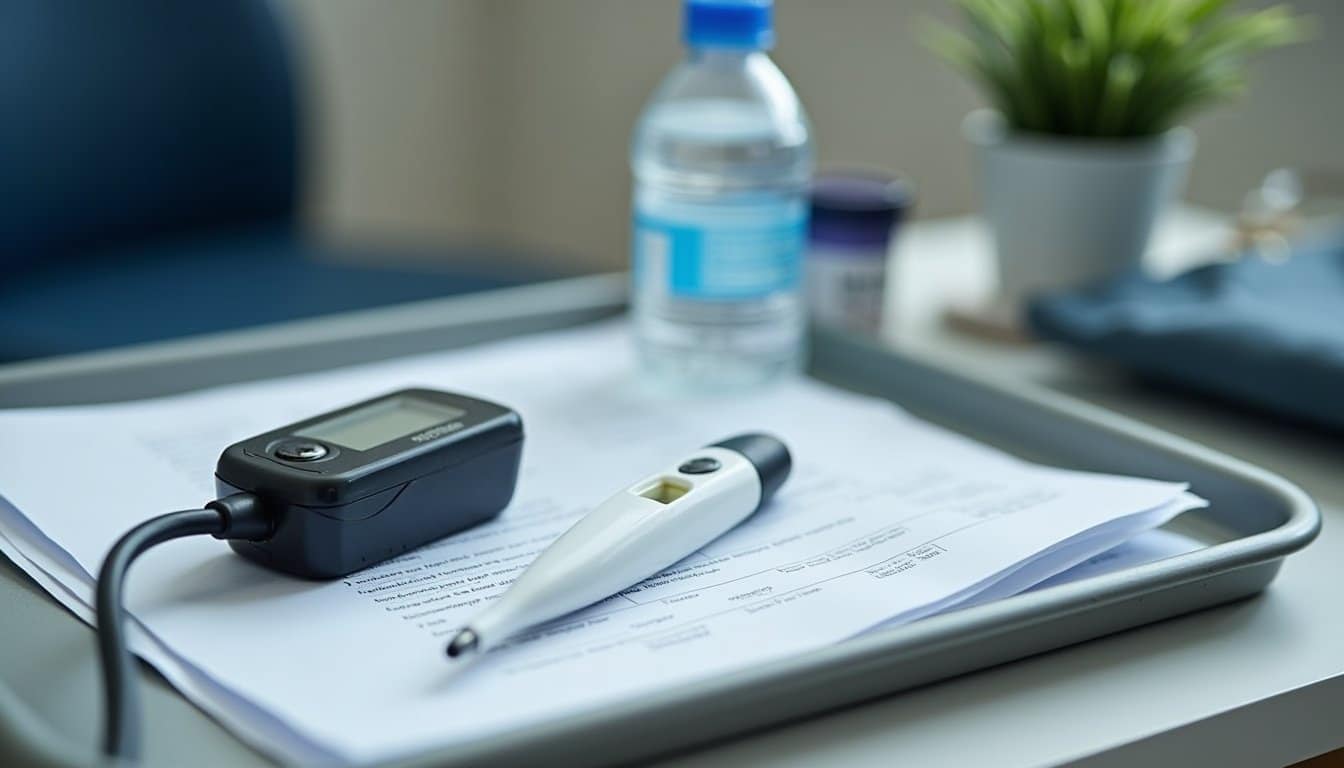
During outpatient detoxification, medical professionals conduct thorough daily assessments while tracking essential signs to guarantee patient safety and monitor withdrawal progression.
Your daily health screenings will include regular blood pressure measurements to detect any concerning fluctuations, heart rate monitoring for abnormal rhythms, and temperature checks to identify potential fever spikes. Healthcare providers will track your oxygen saturation levels through oximetry measurements to ascertain proper respiratory function. These crucial sign assessments occur at structured intervals throughout your treatment. Trained clinicians provide these monitoring services in various outpatient settings. Dr. Elsamra and the medical team develop personalized detoxification plans based on individual health factors.
You’ll undergo extensive evaluations of co-occurring medical conditions, and your care team will assess the severity of substance use to determine appropriate interventions. They’ll also monitor your nutritional status and hydration levels, making necessary adjustments to prevent complications during the detoxification process. Medical staff may provide medication-assisted treatment to help manage withdrawal symptoms and reduce cravings.
Drug Testing and Withdrawal Symptom Evaluation
Medical staff will closely analyze your drug test results to confirm abstinence and detect any potential relapse during outpatient detox. You’ll undergo regular screening through urine, saliva, or blood tests to monitor treatment adherence and identify any undisclosed substance use that could complicate withdrawal. Your withdrawal symptoms will be systematically evaluated using clinical assessment tools like the CIWA-Ar scale, allowing healthcare providers to adjust medications and intervention strategies based on your specific needs. A support person must be present throughout the detoxification process to help monitor your progress and ensure safety during treatment. Medical professionals maintain a safe environment through continuous evaluation and care to facilitate successful detoxification and transition to long-term recovery. Many patients benefit from participating in twelve-step programs like AA or NA while undergoing outpatient detox treatment.
Analyzing Drug Test Results
Thorough drug test analysis forms the cornerstone of successful outpatient detox monitoring, combining regular substance screening with systematic withdrawal symptom evaluation. Your healthcare team will interpret toxicology results from both urine and blood tests to track your progress and guarantee you’re maintaining abstinence.
During your outpatient detox, doctors will analyze biomarkers, including liver enzymes and electrolytes, to identify any metabolic imbalances. They’ll also screen for multiple substances through cross-substance detection, as polydrug use can complicate withdrawal management. The team conducts a thorough medical stabilization assessment to ensure your safety throughout the process. Regular and sometimes unannounced testing helps verify your compliance with the treatment plan. Your test results directly influence medication adjustments, including dosing changes or switching to alternative therapies when needed. Your healthcare providers may also include cognitive behavioral therapy as part of your treatment plan to help develop effective coping strategies. This thorough toxicology interpretation enables your healthcare providers to make evidence-based decisions about your ongoing treatment protocol.
Tracking Withdrawal Progress Daily
Successful outpatient detox depends on thorough daily monitoring that combines high-tech tracking tools with systematic clinical evaluations. Your doctor will track withdrawal milestones through real-time data from wearable devices that monitor your essential signs, stress levels, and sleep patterns. You’ll also complete regular symptom tracking through standardized questionnaires to assess physical discomfort and mental health changes.
During scheduled check-ins, clinicians will evaluate your progress using rating scales to measure withdrawal severity. They’ll monitor your blood pressure, pulse rate, and body temperature while documenting specific symptoms like tremors or anxiety. Studies show that outpatient programs with structured monitoring systems achieve approximately 72% success rates for maintaining abstinence. If you’re using multiple medications, they’ll adjust dosages based on your response. Medical stabilization through experienced physicians ensures safe withdrawal management throughout the process. Emergency alert systems within monitoring devices will notify your healthcare team immediately if concerning symptoms develop, ensuring quick intervention when needed. This regular visit approach allows patients to maintain their daily routines while receiving professional medical supervision.
Medication Management and Dosage Adjustments

Your doctor will establish a personalized medication protocol based on your specific withdrawal symptoms, typically starting with standard doses of medications like buprenorphine for opioids or benzodiazepines for alcohol withdrawal. You’ll undergo daily assessments to monitor your response, allowing your physician to adjust medication dosages according to validated scoring systems like COWS or CIWA-Ar. Mild to moderate symptoms can often be safely treated with carbamazepine or gabapentin. Supportive care that includes thiamine supplementation daily is provided to prevent nutritional deficiencies during withdrawal. Emergency protocols guarantee rapid response to complications, with specific guidelines for administering rescue medications and clear criteria for when you’ll need immediate medical attention. Patients receiving buprenorphine/naloxone treatment must wait until experiencing moderate withdrawal symptoms before starting the medication to avoid precipitated withdrawal.
Personalized Medication Protocols
Effective medication management in outpatient detox requires a carefully orchestrated protocol that adapts to each patient’s specific needs and withdrawal symptoms. Your doctor will monitor your progress through virtual visits and remote symptom tracking, adjusting your personalized protocols based on real-time data analysis. With 24-hour medical support available, patients can receive immediate assistance if they experience any concerning symptoms during their detox journey. The implementation of medication-assisted treatment combines targeted medications with counseling for optimal recovery outcomes. Patients should also be aware of the importance of medical support during detox process, as having a dedicated team during this challenging time can make all the difference. Alongside personalized medical supervision, ongoing emotional and psychological support enhances the treatment experience. This holistic approach not only addresses physical symptoms but also fosters mental wellness, paving the way for a smoother recovery journey.
| Monitoring Type | Frequency | Action Taken |
|---|---|---|
| Virtual Check-ins | Daily | Symptom Assessment |
| Data Analysis | Real-time | Protocol Adjustments |
| Medication Review | Weekly | Efficacy Evaluation |
| Tech Support | As needed | Care Continuity |
The success of your treatment depends on continuous monitoring of medication efficacy and making necessary adjustments. Through tech-enabled support tools, your healthcare team guarantees you’re receiving the right medications at the right doses while maintaining the flexibility of outpatient care. This approach allows for immediate intervention if your symptoms change or if you need additional support.
Daily Assessment and Adjustments
While managing outpatient detox, doctors implement a thorough daily assessment protocol that combines standardized evaluation tools with real-time monitoring systems. Your healthcare team will track your symptoms using CIWA-AR and SAWS scales, adjusting treatment based on severity scores ranging from mild (<8-10) to severe (≥15).
The monitoring frequency includes regular essential sign checks, lab work, and remote tracking through wearable devices. You’ll undergo daily evaluations of your mental status, hydration levels, and sleep patterns. Your doctor will adjust medication dosages based on your symptoms, increasing them if withdrawal worsens or decreasing if you’re oversedated. If you experience severe symptoms like seizures or hallucinations, they’ll immediately reassess whether you need inpatient care. Throughout the process, your progress is continuously evaluated over 5-7 days, with treatment plans modified according to your response.
Emergency Response Guidelines
Safe outpatient detox requires robust emergency protocols that balance medication management with rapid response procedures. Your doctor will adjust your benzodiazepine dosage based on symptom severity, implementing rapid dose escalation if you experience increased agitation or autonomic instability.
If you develop severe symptoms like delirium, seizures, or a heart rate above 120bpm, your doctor will immediately transfer you to inpatient care. Emergency protocols include direct ICU admission for delirium tremens or severe withdrawal complications. You’ll receive clear instructions on when to seek emergency care, including specific danger signs like limb rigidity or hyperthermia. Crisis management involves coordinating with emergency services for immediate anticonvulsant administration if needed, while your caregivers will be trained to recognize warning signs requiring immediate medical attention.
Mental Health Screening and Support

Mental health screening forms an essential foundation of outpatient detox monitoring, utilizing validated assessment tools to identify co-occurring disorders and guide treatment decisions. You’ll complete standardized questionnaires like PHQ-9 for depression and AUDIT for alcohol use, while psychometric scales measure your symptom severity. Your healthcare team employs structured interviews using tools like SCID-5 to evaluate your emotional well-being thoroughly.
Digital support through self-assessment apps enables real-time symptom tracking and immediate feedback. These validated metrics help your doctors identify patterns and adjust treatment plans accordingly. Patient engagement improves through private, self-reported tools that encourage honest disclosure. The integration of mental health screening with substance use assessment guarantees you receive all-encompassing care that addresses both your immediate detox needs and underlying psychological concerns.
Emergency Response Planning and Safety Measures
Successful outpatient detox programs rely on thorough emergency response protocols that prioritize patient safety during withdrawal. Your doctor will establish clear emergency protocols, including specific guidelines for when you’ll need immediate medical attention or emergency room care, particularly if you experience seizures or delirium tremens.
Safety assessments will determine if you have adequate support at home, including 24/7 access to caregivers who understand medication schedules and warning signs. You’ll receive education about recognizing red flags like hallucinations or uncontrolled blood pressure that require urgent intervention. Your care team will implement medication monitoring strategies, often using telemedicine for remote check-ins and essential sign monitoring. They’ll also verify that you have reliable transportation and clear communication channels with emergency services if complications arise during your detox process.
Treatment Progress Documentation and Reporting
During outpatient detox, your healthcare team maintains thorough documentation of your treatment journey through standardized progress notes and reporting systems. They’ll track your progress using structured formats like SOAP notes while adhering to strict documentation timelines and compliance standards.
| Documentation Component | What’s Monitored |
|---|---|
| Treatment Goals | Your SMART objectives and milestone achievements |
| Clinical Response | Your adherence to prescribed interventions |
| Progress Indicators | Your skill development and coping mechanisms |
| Safety Measures | Any adverse reactions or emergency interventions |
Your doctor will update your treatment plan every 30 days, documenting your response to interventions, barriers to recovery, and necessary adjustments to your care plan. All progress reporting must be completed within 72 hours of each session, ensuring accurate and timely tracking of your detox journey. The frequency of outpatient detox visits can significantly impact the overall success of the recovery process. Regular attendance allows for continuous assessment and support, which can help address any emerging challenges promptly. Furthermore, a consistent schedule promotes accountability and fosters a stronger therapeutic relationship between the patient and healthcare provider.
Coordination With Support Networks and Recovery Services
While recovering from substance use disorder, you’ll work with an integrated network of healthcare providers who coordinate your outpatient detox care through multiple support channels. Your treatment team will include counselors, medical professionals, and social workers who collaborate on your individualized care plan through shared documentation and regular meetings.
You’ll be connected to essential support networks and recovery services, including peer support groups, outpatient counseling, and medication-assisted treatment when needed. Digital platforms enable remote monitoring through telehealth sessions and secure online portals, while case managers help you access resources for housing, employment, or legal challenges. Your family can participate through therapy sessions and educational programs, ensuring alignment with your home environment. Regular toxicology screenings and daily check-ins help verify your progress and provide immediate support when necessary.
Your path to recovery doesn’t require putting your career on hold. If addiction has you feeling trapped between getting help and keeping your job, there’s a way forward that honors both. Outpatient Detox Miami connects you with compassionate providers across Miami who specialize in treatment designed for working individuals. We understand the weight of your responsibilities that’s why we’ll help you find flexible care that works with your schedule, not against it. Start healing without disrupting your professional life, call us today at (786) 228-8884 and discover how recovery can fit into the life you’re already living.
Frequently Asked Questions
Can I Continue Working or Attending School During Outpatient Detox?
You can often maintain work-life balance and academic responsibilities during outpatient detox, but it depends on several factors. Your specific substance, withdrawal severity, and treatment schedule will determine feasibility. For mild-to-moderate cases, you’ll likely manage with flexible scheduling and proper support. However, severe withdrawals, especially from alcohol or benzodiazepines, may require taking time off. Discuss your situation with healthcare providers to create a realistic plan.
What Happens if I Miss a Scheduled Monitoring Appointment?
Missing appointments during detox can have serious consequences for your safety and recovery. You’ll risk unmanaged withdrawal symptoms, medication complications, and potential treatment discontinuation. If you miss a session, you should contact your provider immediately to reschedule. Don’t adjust medications on your own, and carefully monitor your symptoms. Each missed appointment can compromise your treatment’s effectiveness and may require reassessment of whether outpatient detox remains appropriate for you.
How Long Does the Average Outpatient Detox Monitoring Process Last?
Your outpatient detox duration typically ranges from 1-12 weeks, depending on your specific substance use and individual needs. For alcohol or stimulants, you’ll need monitoring for 7-10 days, while opioid detox may extend 1-3 weeks. If you’re using MAT, your monitoring frequency might continue for several months. Benzodiazepine detox usually requires 4-6 weeks of supervision. With polysubstance use, you’ll likely need extended monitoring of 2-4 weeks.
Will My Insurance Cover the Costs of Outpatient Detox Monitoring?
Your insurance coverage for outpatient detox costs will depend on your specific plan’s policies. Most insurance providers cover substance use disorder treatments, but you’ll need to verify pre-authorization requirements and network restrictions. If you have an ACA-compliant plan, detox services may be covered under Essential Health Benefits. Contact your insurance provider directly to confirm coverage details, copayments, and any out-of-pocket expenses before starting treatment.
Can Family Members Participate in the Monitoring and Treatment Process?
Yes, family involvement is an essential component of successful outpatient treatment. Your family members can actively participate by attending initial planning sessions, helping maintain a substance-free home environment, and learning to recognize important withdrawal symptoms. They’ll receive training to provide emotional support and can assist with transportation to appointments or support group meetings. Strong support systems greatly improve treatment outcomes and help maintain your commitment to recovery throughout the process.