



Most “detox teas” aren’t safe during Medication-Assisted Treatment (MAT) due to dangerous interactions with medications like methadone and buprenorphine. You’ll need to avoid teas containing senna, cascara sagrada, or high-dose green tea extracts, as these can disrupt medication absorption and cause liver toxicity. While single-ingredient herbal teas like chamomile or peppermint may be safer options, you should always get explicit approval from your healthcare provider. Understanding specific ingredients and risks can help protect your recovery journey. Additionally, exploring natural detox methods for stomach healing can be beneficial, but it’s crucial to ensure these methods do not interfere with your MAT. Incorporating gentle dietary changes or soothing alternatives like warm broths and easily digestible foods may support your overall wellness.
Understanding the Risks of Detox Teas During MAT

While natural detox teas may seem like a harmless addition to Medication Assisted Treatment (MAT), they pose significant risks that can compromise treatment success and patient safety. The body already eliminates toxins through its natural detox systems.
Common detox tea misconceptions include their presumed safety due to “natural” ingredients. However, these unregulated products can contain substances like grapefruit juice that dangerously increase medication concentrations in your bloodstream. They may also include caffeine or ephedrine, which can harm your heart, especially if you’re recovering from stimulant addiction. Some brands have even been found to contain undisclosed SSRIs in their formulations. The most effective approach combines counseling and behavioral therapies with prescribed MAT medications. Additionally, it’s important to approach any detox regimen with caution and skepticism, particularly those that claim to offer quick fixes. Instead of relying solely on detox teas, individuals seeking to quit smoking should consider natural detox techniques for smokers, which focus on nutrition, hydration, and exercise to support the body’s natural elimination processes.
When considering herbal tea alternatives, you should know that diuretic ingredients can accelerate nutrient loss and worsen withdrawal symptoms. The FDA doesn’t regulate these products, making unexpected drug interactions likely. Components in detox teas may also aggravate existing health conditions and interfere with your prescribed medication’s effectiveness.
Common Harmful Ingredients to Watch For
When consuming detox teas during MAT, you’ll need to be aware that many products contain undisclosed prescription medications, illegal stimulants, and potentially dangerous herbal compounds. You’re particularly at risk from ingredients like senna and cascara sagrada, which act as powerful laxatives that can interfere with your medication absorption and cause severe dehydration. Your liver health may also be compromised by common tea components like gardenia fruit, skullcap root, and kava kava, which research has linked to hepatic injury and failure. Studies indicate that hepatotoxicity risks have increased significantly from 7% to 20% between 2007 and 2013 due to herbal supplement use. Grapefruit ingredients found in some detox teas can cause dangerous medication interactions by intensifying the effects of your prescribed drugs. The FDA’s lack of regulation means these detox teas may contain harmful ingredients that could seriously impact your health.
Hidden Pharmaceuticals and Stimulants
Hidden pharmaceuticals and stimulants in detox teas pose significant risks for individuals undergoing Medication Assisted Treatment (MAT). Undeclared prescription drugs, including SNRIs and NSAIDs, can trigger dangerous interactions with your MAT medications. These interactions may lead to severe complications, including heart attacks, strokes, or seizures. Since detox teas are not FDA regulated, quality control and ingredient accuracy cannot be guaranteed.
Teas safety is further compromised by stimulant effects from ingredients like caffeine, guarana, and bitter orange extract. You’ll find these substances can cause anxiety, insomnia, and dangerous cardiovascular effects. What’s particularly concerning is that manufacturers often don’t accurately label stimulant content, putting you at risk for unexpected reactions. The problematic ingredient senna leaf commonly found in these teas acts as a powerful laxative that can disrupt treatment. When combined with MAT medications, these hidden components can induce dehydration, electrolyte imbalances, and potentially life-threatening drug interactions. The natural detox mechanisms in your body are already sufficient for eliminating toxins without needing detox teas. The unpredictable nature of these products makes them especially hazardous during treatment.
Dangerous Laxative Herbs
Beyond undisclosed pharmaceuticals, many detox teas contain dangerous laxative herbs that pose serious risks during MAT. Common ingredients like senna, cascara sagrada, aloe latex, and buckthorn can severely disrupt your medication’s effectiveness by reducing absorption time in your gut. Senna specifically causes bowel movements by irritating colon cells, making it particularly disruptive to medication absorption.
These herbal laxatives don’t support genuine weight loss; they simply trigger water loss through diarrhea. More concerning are the laxative dangers: bowel dependency, dehydration, and dangerous electrolyte imbalances that can affect your heart rhythm and muscle function. You’ll also risk liver injury, kidney problems, and intestinal damage with prolonged use. Even teas with high antioxidant content cannot offset these dangerous side effects. Despite being marketed as all-natural products, these ingredients can cause severe health complications when used long-term. The FDA has banned several of these herbs in over-the-counter products due to safety concerns. Given these serious herbal caution warnings, it’s vital to avoid detox teas containing these laxative ingredients during your MAT journey.
Liver-Damaging Tea Components
During medication-assisted treatment, several common tea ingredients can severely damage your liver, potentially compromising both your recovery and overall health.
High-dose green tea extracts containing EGCG (≥800 mg/day) pose serious liver toxicity risks, especially in concentrated “detox” formulations. Kava root tea’s kavalactones can trigger severe hepatitis and liver failure, while pennyroyal tea contains pulegone, which causes rapid liver necrosis. Comfrey’s pyrrolizidine alkaloids lead to dangerous veno-occlusive disease. Acute liver failure occurs in about 12% of cases from these types of supplements.
Recent studies indicate that approximately 58% of Americans regularly consume herbal supplements, making awareness of these risks crucial. You’ll also need to avoid chaparral, boldo leaf, and certain combination herbal teas containing ingredients like burdock root or black cohosh. Artichoke leaf extract is generally considered safer for liver support compared to these harmful alternatives. These herbal risks are particularly concerning during treatment, as supplement-induced liver injury has nearly tripled in recent years. Always consult your healthcare provider before consuming any herbal teas.
Evidence-Based Safety Concerns and Interactions
When you combine detox teas with MAT medications, you’re risking dangerous interactions with liver enzymes that can alter how your body processes prescribed drugs. Hidden ingredients in unregulated teas, such as ephedra and high doses of caffeine, can trigger severe cardiovascular complications and compound addiction recovery challenges. Your medication’s absorption rate may be markedly affected by common tea ingredients like grapefruit and senna, potentially reducing treatment effectiveness or causing toxic buildup of medications in your system. Since detox teas lack FDA regulation, their safety and quality cannot be guaranteed when used alongside prescription medications.
Liver Enzyme Interactions
Since liver enzyme interactions can greatly impact medication metabolism, understanding the effects of natural detox teas on hepatic function remains essential for patients undergoing MAT.
While green tea and milk thistle have shown potential benefits for liver function through reduced ALT and AST levels, they can also modulate cytochrome P450 enzymes, potentially affecting your MAT medications’ metabolism. Research indicates concerning trends, with herbal-induced hepatotoxicity rising from 7% to 20% of acute liver failure cases between 2007-2013. Though some teas like dandelion and peppermint show fewer documented side effects, their herbal efficacy and safety during MAT lack robust clinical evidence. Most concerning are polyherbal detox blends, which can create unpredictable enzyme interactions and increase risks of drug interference. Always consult your healthcare provider before incorporating any detox teas into your MAT regimen.
Hidden Ingredient Hazards
A critical safety concern with detox teas lies in their potentially dangerous hidden ingredients that can seriously impact MAT outcomes. Many detox teas contain unlabeled prescription drugs, including antidepressants and NSAIDs, which can cause dangerous interactions with your MAT medications. These hidden ingredient risks are compounded by the presence of undisclosed laxatives, diuretics, and excessive caffeine levels.
FDA regulation gaps mean you can’t rely on label accuracy, and some products contain banned substances like ephedra, which has been linked to seizures and cardiovascular events. The detox tea safety concerns extend to adulterants such as fluoxetine, which could trigger serotonin syndrome when combined with certain MAT medications. Given these unpredictable contents and potential interactions, it’s vital to avoid detox teas during MAT treatment.
Medication Absorption Risks
Because detox teas can greatly disrupt medication absorption during MAT, understanding these interactions is essential for patient safety. The laxative ingredients, particularly senna, accelerate intestinal transit time, preventing medications from being properly absorbed. This disruption is especially concerning for drugs requiring precise therapeutic levels.
You’ll need to carefully consider medication timing, as diarrhea from these teas can severely compromise your treatment’s effectiveness. The dehydrating effects further complicate absorption enhancement efforts, altering drug concentrations in your bloodstream. Additionally, electrolyte imbalances caused by these teas can modify how your body processes medications, potentially leading to unpredictable results or treatment failure.
Don’t rely on detox teas during MAT – they can greatly reduce your medication’s therapeutic benefits and potentially compromise your recovery progress.
Identifying Lower-Risk Tea Options
When selecting teas during medication-assisted treatment, understanding which options carry minimal risks becomes essential for both safety and comfort. You’ll want to focus on well-established herbal tea benefits from simple, single-ingredient options. Chamomile, rooibos, and peppermint teas offer gentle support without interfering with medications or causing unwanted stimulant effects.
The hydration importance can’t be overstated during treatment, so choose caffeine-free varieties that complement your daily water intake. These milder teas can help you stay hydrated while avoiding the risks associated with complex detox blends. Ginger and green tea, while slightly more stimulating, remain relatively safe choices when consumed in moderation. Always consult your healthcare provider before introducing any new tea, even these lower-risk options, into your treatment routine.
Critical Drug Interaction Warnings

Taking detox teas during medication-assisted treatment poses serious risks for dangerous drug interactions that could compromise your recovery or health. Despite popular detox myths, many herbal ingredients directly interfere with MAT medications. You’ll find that common components like St. John’s wort and ginseng can alter drug metabolism, while grapefruit magnifies medication effects to dangerous levels.
The risks extend beyond reduced herbal efficacy. Senna and other laxatives may prevent proper absorption of your prescribed medications. Even more concerning, some detox teas contain hidden pharmaceuticals or hepatotoxic compounds that can cause liver failure. If you’re on medications with narrow therapeutic indexes, you’re especially vulnerable to these interactions. Don’t start any detox tea regimen without first consulting your healthcare provider about potential conflicts with your MAT protocol.
The Truth About Tea-Based Detoxification
Despite widespread marketing claims, scientific evidence does not support the use of detox teas for removing toxins from your body. Your liver and kidneys already perform natural detoxification effectively, making supplemental detox tea efficacy questionable at best. Instead, focusing on a balanced diet and proper hydration can promote your body’s innate detoxification processes. Incorporating foods rich in antioxidants and staying well-hydrated may offer natural kidney detox benefits, supporting kidney health without the need for trendy detox solutions.
Common herbal tea myths suggest these products can eliminate drugs and toxins, but research shows their effects are primarily due to diuretic and laxative properties. You’ll likely experience temporary water weight loss and reduced bloating rather than true detoxification. Any perceived benefits typically stem from caffeine content or herbal laxatives.
Before considering detox teas during medication assisted treatment, understand that they can cause dangerous side effects including dehydration, electrolyte imbalances, and liver problems. Some products contain poorly disclosed ingredients that may interact harmfully with your medications.
Best Practices for Tea Selection During Treatment
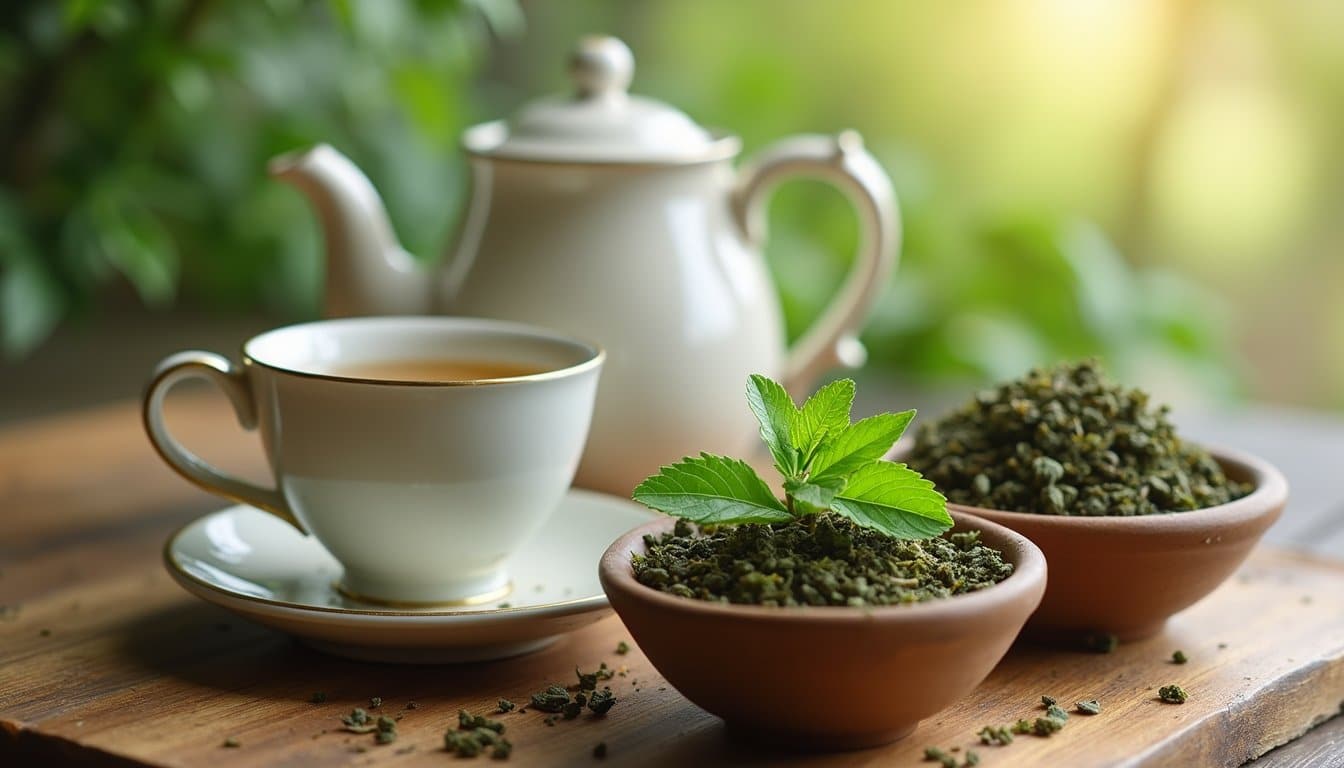
Selecting appropriate teas during medication-assisted treatment requires careful consideration of potential interactions and safety concerns. When following herbal tea recommendations, prioritize single-herb options from reputable manufacturers that undergo testing for contaminants. You’ll want to focus on generally recognized safe options like chamomile, peppermint, and green tea while avoiding unregulated “detox” blends that may contain harmful ingredients.
- Always consult your healthcare provider before adding any herbal teas to your treatment regimen, as they can affect medication metabolism
- Start with small amounts to monitor your body’s response and maintain a detailed log of consumption
- Choose certified organic or USP Verified products to guarantee safe consumption and minimize exposure to pesticides or heavy metals
Your success in treatment depends on making informed, cautious decisions about supplementary therapies like herbal teas.
Warning Signs and Adverse Reactions
While natural detox teas may seem harmless, they can trigger serious adverse reactions that require immediate medical attention during medication-assisted treatment.
Watch for gastrointestinal warning signs when consuming detox tea ingredients, including severe diarrhea, persistent vomiting, or black stools. You’ll need to stop using the tea immediately if you experience cardiovascular symptoms like palpitations, chest pain, or heightened blood pressure. Herbal tea safety concerns also extend to neurological effects such as anxiety, confusion, or seizures.
Be especially vigilant for signs of liver toxicity, including yellowing skin/eyes, dark urine, or unexplained fatigue. Many detox teas can interact dangerously with medications, either reducing their effectiveness or causing toxic buildups. If you notice any of these symptoms, seek medical care right away.
Medical Supervision and Safety Guidelines
Because detox teas can pose serious risks during medication-assisted treatment, strict medical supervision and safety protocols are essential. You’ll need oversight from licensed medical professionals who can review potential interactions between detox tea ingredients and your prescribed medications. Since the FDA doesn’t regulate these products, your healthcare provider must carefully evaluate ingredient lists for compounds that could affect your treatment’s safety and effectiveness.
Consulting medical professionals is crucial when using detox teas during treatment, as unregulated ingredients may dangerously interact with medications.
- Never start any detox tea without first getting explicit approval from your doctor, who understands your complete medication profile
- Choose only teas that are clearly labeled and free of high-risk ingredients like grapefruit, burdock root, and senna leaf
- Report any unusual symptoms immediately, as even approved teas can cause dehydration or electrolyte imbalances
Your medication safety depends on following these guidelines and maintaining regular medical supervision throughout your treatment journey.
There’s a version of your life where addiction doesn’t call the shots, and getting there doesn’t mean burning everything down first. For professionals caught between needing treatment and needing their next paycheck, the solution isn’t choosing one over the other. Detox Treatments Miami connects you with Miami providers who’ve cracked the code on making recovery accessible for people with real obligations. We’ll guide you to treatment that happens in the margins of your workday, not in place of it. Your future self is waiting for you to make the call, dial (786) 228-8884 today and let us help you find a way forward that doesn’t require taking ten steps back.
Frequently Asked Questions
How Long Should I Wait After Taking Medication Before Drinking Detox Tea?
You shouldn’t consume detox teas during medication-assisted treatment without your healthcare provider’s explicit approval and timing guidance. There’s no standard safe waiting period due to the complexity of medication interactions and varying tea ingredients. Your doctor needs to evaluate specific detox tea ingredients against your medication’s properties, as some interactions can occur even with extended timing gaps. It’s essential to prioritize your medication’s effectiveness and your safety.
Can I Make My Own Detox Tea Blend at Home Safely?
You shouldn’t attempt to make your own detox tea blends while on MAT, as herbal safety concerns are significant. Even seemingly harmless herbs can interact dangerously with your medications or cause liver problems. If you’re interested in blending herbs, first consult your healthcare provider to review specific ingredients. Instead of DIY detox teas, focus on staying hydrated with water and follow your prescribed treatment plan for the safest recovery journey.
Are Organic or Premium Detox Teas Safer Than Regular Ones?
No, organic or premium detox teas aren’t inherently safer than regular ones during medication treatment. While organic benefits may include reduced pesticide exposure, and premium ingredients might be higher quality, these teas still carry significant risks. They’re not FDA-regulated, can contain harmful botanicals, and may interact dangerously with medications. The “organic” or “premium” label doesn’t guarantee safety, and both types can cause adverse effects like liver injury or medication interactions.
How Can I Tell if a Detox Tea Contains Unlisted Ingredients?
You can identify unlisted ingredients by practicing thorough label scrutiny. Look for third-party certifications like USDA Organic or NSF, as these increase ingredient transparency. Be wary of vague terms like “proprietary blend” or exaggerated claims. Check for batch numbers and manufacturer information on official websites. If you notice severe side effects or the product lacks clear regulatory compliance statements, it may contain undeclared substances. Always verify products through FDA resources.
Should I Stop My Detox Tea Immediately if Side Effects Occur?
Yes, you should stop taking your detox tea immediately if you experience any side effects. Detox tea reactions can range from mild discomfort to severe complications, and they may interact dangerously with your medications. Don’t wait to see if symptoms improve – even seemingly minor issues could signal serious problems. Contact your healthcare provider right away, especially if you develop stomach pain, irregular heartbeat, or unusual weakness. Your safety is paramount.