






Your child’s anxiety doesn’t just stay in their mind, it shows up as real physical symptoms throughout their body. You’ll notice stomachaches before school (driven by the gut-brain connection), racing heartbeat, sweaty palms, rapid breathing, headaches, dizziness, and muscle tension in their neck and shoulders. These aren’t exaggerations or attention-seeking, they’re genuine physiological responses to perceived threats, triggered by stress hormones and adrenaline that make their nervous system hypersensitive. Understanding what’s happening beneath the surface will help you respond with the compassion and support they need. As a parent, it’s important to recognize these signs of anxiety in children, as early intervention can make a significant difference in their well-being. By providing a safe space for them to express their feelings and teaching coping strategies, you can help alleviate some of their distress.
When Your Child’s Stomach Becomes the First Alarm System
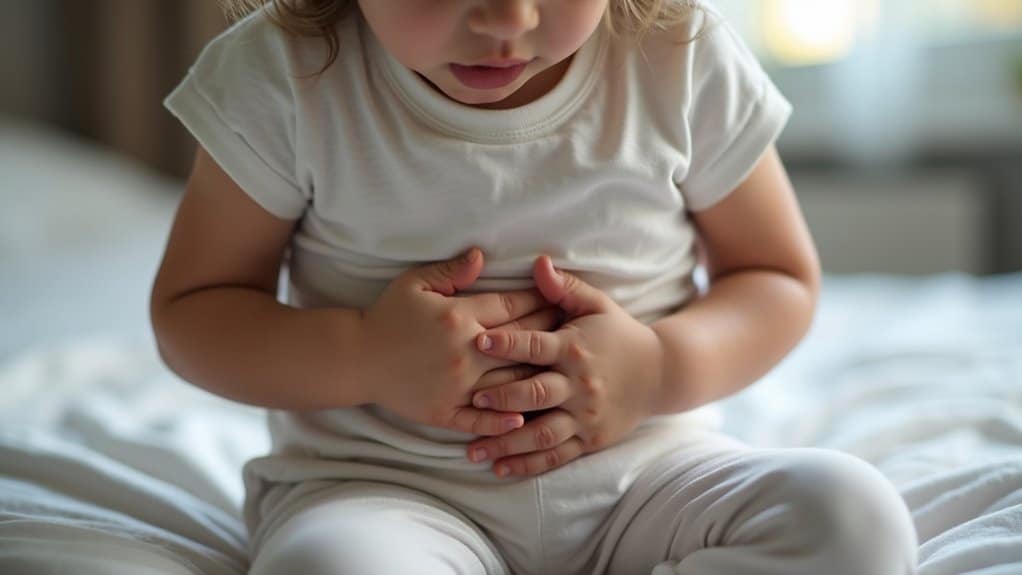
When your child complains of a stomachache for the third morning in a row, especially right before school, it’s easy to wonder whether something deeper is happening. Anxiety stomach aches in children are remarkably common because the gut and brain communicate directly through the enteric nervous system. When your child feels anxious, stress hormones make digestive nerves hypersensitive, causing genuine physical pain even without medical illness. You might notice these complaints intensify before tests, social events, or shifts like separation from you. The discomfort isn’t imagined, it’s your child’s body sounding an alarm about emotional distress. Understanding this gut-brain connection helps you respond with compassion rather than dismissiveness, recognizing that what shows up in the stomach often begins in the mind. In fact, most of the body’s serotonin, the neurotransmitter that controls mood is located in the gut, which explains why emotional states so directly impact digestive comfort. During periods of stress, the digestive system shuts down, redirecting energy away from normal functioning and contributing to feelings of nausea or cramping. If stomach pains persist or worsen, discuss physical reasons with your pediatrician to rule out underlying medical conditions.
The Racing Heart, Sweaty Palms, and Other Fight-or-Flight Signals
You might notice your child’s palms are damp before a test, or they complain their heart is “beating too fast” when facing something stressful. These physical reactions such as sweating, rapid heartbeat, shaky hands, and quick breathing, are your child’s fight-or-flight system activating in response to perceived threat. Understanding these cardiovascular and nervous system signals helps you recognize anxiety in action, not misbehavior or drama. Your child may also experience shaking or shivering, even when the room temperature is comfortable. When temporary danger passes, the parasympathetic system signals recovery and restores balance, but chronic anxiety keeps this stress response activated far longer than needed. Without proper evaluation and treatment, these physical symptoms can persist and may be mistaken for other conditions.
Sweat, Chills, and Trembling
As your child’s anxiety escalates, their body launches into a rapid-fire stress response that can look and feel alarming. You might notice sudden sweating, clammy palms, a damp forehead, or perspiration soaking through their shirt, even in cool rooms. Chills may follow, causing shivering despite no fever or temperature drop. Trembling often accompanies these symptoms: shaky hands, quivering jaw, or visible body shakiness that subsides once they feel safe again.
These physical reactions stem from adrenaline flooding their system, preparing them to face perceived danger. Your child likely can’t explain why they’re sweating or shaking, which intensifies their distress. When panic disorder strikes, these sudden episodes of intense fear can emerge without warning, making the physical symptoms even more frightening for both child and parent. Because anxiety can start during childhood, early recognition of these physical symptoms becomes crucial for providing timely support. Alongside the sweating and trembling, your child may also experience muscle tension, stomachaches, or profound fatigue that compounds their discomfort. Recognizing these signs as anxiety, not illness or misbehavior, helps you respond with reassurance rather than confusion, offering the comfort they desperately need during overwhelming moments.
Heart Pounding and Breathlessness
These physical reactions occur even when no real danger exists; perceived threats trigger the same cardiovascular surge. The rapid or shallow breathing can produce dizziness, tingling, or lightheadedness, frightening your child further. Understanding these symptoms stem from sympathetic nervous system activation, not imagination, helps you respond with reassurance rather than dismissal when anxiety shows up physically. Your child’s pupils may dilate during these episodes, allowing more light in for heightened visual awareness even though no physical threat is present. When the body remains in this stuck fight-or-flight mode, it disrupts vital processes like digestion and immune function that normally occur during calm states. This elevated physiological state can persist for 20 to 60 minutes even after the perceived threat has passed, leaving your child feeling exhausted and confused about why their body won’t settle down.
Headaches, Dizziness, and Muscle Tension That Won’t Let Go
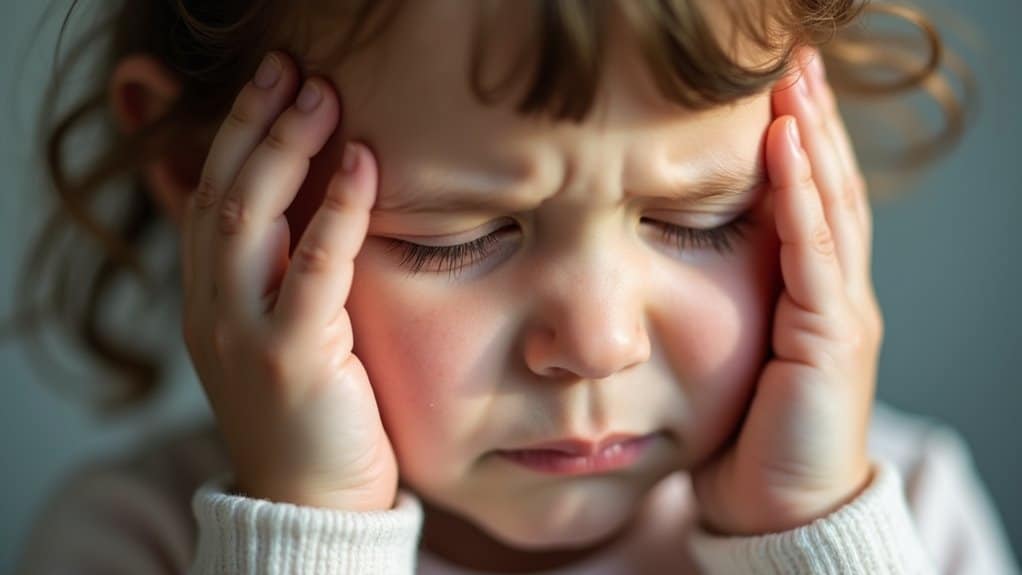
Many anxious children wake up complaining their head hurts, their neck feels tight, or the room seems to spin and these aren’t exaggerations or bids for attention. Headaches, dizziness, and persistent muscle tension are among the most common physical manifestations of childhood anxiety, affecting up to 62% of children and adolescents with primary headache disorders and causing real discomfort that can’t be dismissed. Understanding these symptoms is crucial for parents and educators, as they often signal deeper emotional struggles. Moreover, recognizing anxiety before age seven can lead to earlier intervention, helping to alleviate discomfort and promote healthier coping mechanisms as children develop.
Headaches from anxiety in kids often appear without underlying medical causes and may persist even after other symptoms fade. Dizziness and lightheadedness in anxious children typically stem from hyperventilation or blood pressure shifts during stress, sometimes triggering avoidance of school or social situations. Interestingly, while anxiety rates have climbed sharply, severe headaches and migraines in children actually declined from 3.5% to 2.6% between 2016 and 2022 according to national parent-reported data. Muscle tension in kids concentrates in the neck, shoulders, and back, occasionally causing jaw pain or generalized achiness that interferes with sleep and daily activities, especially during exams or family disruptions. Research using semi-structured diagnostic interviews with large samples of 10-year-olds has helped clarify which emotional problems most strongly relate to specific pain patterns. These physical symptoms should be distinguished from normal developmental behaviors and require proper assessment to determine if they reflect underlying anxiety rather than other medical conditions.
Breathing Problems and Chest Sensations That Scare Both Parent and Child
When your child suddenly gasps for air, clutches their chest, or tells you it feels like something’s squeezing their throat, it’s terrifying for both of you. These breathing problems and chest sensations aren’t imagined, anxiety triggers real physical changes that make your child feel like they can’t catch their breath, even when their lungs are working fine. Understanding that shortness of breath, chest tightness, and choking sensations are common anxiety responses helps you stay calm and supportive when your child needs reassurance most. Research shows that when children experience respiratory symptoms like these most days, they face significantly increased odds of developing mental health problems, making it crucial to address both the physical sensations and underlying anxiety together.
Shortness of Breath Episodes
Your child suddenly gasps for air, clutches their chest, and looks terrified, and you feel comparably frightened because you can’t see what’s wrong. Shortness of breath is among the most alarming physical symptoms of anxiety in children, often mimicking serious medical emergencies. These episodes typically involve rapid breathing, increased heart rate, and overwhelming panic, classic anxiety body symptoms that can occur without any underlying lung disease.
What distinguishes these anxiety physical symptoms from asthma or other conditions is their situational nature: they’re often triggered by stressful events, social settings, or separation fears. Your child may avoid activities afterward, fearing another episode. Like other psychosomatic symptoms in children including nausea and anxiety in children, sleep disturbance anxiety, and anxiety and fatigue in children, these breathing problems represent real physical signs of stress in children requiring compassionate, informed responses rather than dismissal.
Chest Tightness and Pain
Because chest tightness and pain rank among the most terrifying anxiety physical symptoms, they send countless families rushing to emergency rooms fearing heart attacks, only to receive reassurance that nothing’s physically wrong with their child’s heart. These sensations, described as tightness, sharp stabbing, or dull aching, affect roughly 30% of anxious children and stem from muscle tension and adrenaline surges rather than cardiac issues.
Your child might experience brief episodes during stressful moments or sudden panic attacks with racing heartbeat and intense fear. Some children develop Precordial Catch Syndrome, causing sharp left-sided pain lasting seconds to minutes. Understanding these physical effects of anxiety on kids helps you respond with comfort rather than alarm. While scary, anxiety-related chest sensations are benign and typically resolve once the stressor passes, though repeated episodes may create fear cycles requiring professional support.
Choking or Throat Sensations
Few anxiety symptoms terrify children and parents quite like the sudden sensation that the throat’s closing or swallowing has become impossible. These episodes typically stem from your child’s fight-or-flight response altering muscle tension and normal swallowing patterns, not from any physical obstruction. The sensations often appear during stressful situations such as school presentations, social events, or unfamiliar environments, and can trigger panic that reinforces the fear cycle.
Understanding this connection helps you respond with calm reassurance rather than alarm:
- Throat sensations resolve as anxiety decreases, confirming their psychological rather than medical origin
- Food avoidance may develop, with children refusing solids or eating only liquids
- Repeated negative medical tests often confuse families seeking physical explanations
- Anticipatory anxiety intensifies symptoms through worry about future episodes
- Observational learning from witnessing choking incidents can trigger these fears
How Physical Symptoms Differ Across Types of Anxiety Disorders
While all anxiety disorders share common roots in the body’s stress response, the physical symptoms your child experiences can vary considerably depending on the specific type of anxiety they’re facing. Generalized Anxiety Disorder often produces chronic, diffuse complaints, persistent stomachaches, muscle tightness, and sleep difficulties that span multiple body systems. Panic Disorder brings sudden, intense episodes: racing heart, chest tightness, and dizziness that peak rapidly then subside. Social Anxiety triggers situation-specific symptoms like blushing, sweating, and nausea before performances or social events. Specific phobias cause acute reactions, such as trembling, crying, and a pounding heart, only when facing particular triggers. Separation Anxiety typically manifests as stomachaches and headaches that emerge before separation events and resolve once reunion occurs. Recognizing these patterns helps you identify what’s driving your child’s physical distress.
When Anxiety Keeps Your Child Home From School and Life
When your child begins refusing school or backing out of activities they once enjoyed, anxiety has likely moved beyond physical discomfort into territory that actively limits their life. Physical symptoms, including headaches, stomachaches, and nausea, intensify on school mornings and fade on weekends, signaling emotional distress rather than medical illness. This pattern affects 11.4% of students globally and can lead to chronic absenteeism, academic decline, and social isolation. Without early intervention, school avoidance worsens, increasing risks of long-term unemployment and emotional difficulties.
Watch for these warning signs:
- Morning symptom spikes that disappear once school is no longer expected
- Frequent nurse visits or requests to go home during the school day
- Post-vacation resistance when returning to routine feels overwhelming
- Activity withdrawal from sports, clubs, or peer gatherings
- Weekend relief where physical complaints noticeably improve
Recognizing Real Pain Without a Medical Cause
Your child’s pain is real, even when doctors find nothing wrong. Anxiety activates the autonomic nervous system, causing genuine stomachaches, headaches, muscle tension, chest tightness, and nausea, all without identifiable medical pathology. It’s important to recognize that these physical symptoms can be manifestations of severe anxiety symptoms in children. Addressing the emotional and psychological aspects of their experience is crucial for their well-being.
These symptoms differ from organic illness in key ways. They’re often tied to stressors like school mornings or new situations, recur in patterns rather than worsening steadily, and vary in intensity or location. Medical exams and tests come back normal. Yet the discomfort considerably disrupts your child’s daily life, school attendance, friendships, sleep, and home routines suffer.
You’ll likely notice behavioral changes too: clinginess, irritability, refusal to participate in activities. Your child may struggle to name their worry, instead repeatedly reporting physical complaints. Recognizing this connection helps you respond with understanding rather than dismissal.
Your child says their tummy hurts again. They can’t sleep. Their heart is racing before the school bus even arrives. You’ve taken them to the doctor, run the tests, checked all the boxes, but nothing shows up. And yet the pain is real. They are not making it up. Sometimes anxiety doesn’t show up as worry or fear. It shows up in the body, in ways that are easy to miss or mistake for something else. Miami Substance Abuse Treatment helps families in Miami recognize when physical symptoms in children are rooted in something deeper. Because your child shouldn’t have to keep hurting while the real cause goes unnoticed. Call (786) 228-8884 today. Help starts with understanding what you’re really dealing with.
Frequently Asked Questions
Can Anxiety Symptoms Mimic Serious Medical Conditions Like Heart Disease or Appendicitis?
Yes, anxiety symptoms can closely mimic serious medical conditions in children. You might see chest pain, rapid heartbeat, and breathing difficulties that resemble heart disease, or severe abdominal pain and nausea that look like appendicitis. These physical symptoms are real, not imagined, and often lead to emergency visits and extensive testing. Up to 30% of anxious children experience recurring stomach pain or headaches. If medical tests come back normal, it’s worth exploring anxiety as the underlying cause with your child’s healthcare provider.
How Long Do Physical Anxiety Symptoms Typically Last After the Worry Stops?
After your child’s worry stops, physical anxiety symptoms usually fade within hours to a couple of days for situational stress. However, if your child has an anxiety disorder, symptoms can persist for weeks or months without treatment. Panic attack symptoms typically resolve within minutes to an hour, though fatigue may linger. The duration depends on anxiety severity, your child’s coping skills, and whether underlying worries continue. Persistent symptoms beyond days warrant professional support.
Do Physical Symptoms Happen Even When My Child Says They’re Not Worried?
Yes, physical symptoms often appear even when your child insists they’re not worried. Many children don’t recognize or express their anxiety verbally, especially younger ones still developing emotional awareness. Anxiety triggers physical stress responses, like stomachaches, headaches, or fatigue, that can happen automatically without conscious worry. Some kids are “internalizers” who keep feelings hidden. If your child has repeated physical complaints without medical cause, underlying anxiety may still be present, even when they seem emotionally calm.
Can Certain Foods or Activities Make Anxiety’s Physical Symptoms Worse in Children?
Yes, certain foods can worsen anxiety’s physical symptoms. Highly processed foods, supplemental sugars, refined carbohydrates, and caffeine (in sodas, energy drinks, or chocolate) may intensify symptoms like stomachaches, headaches, and restlessness. Skipping meals or irregular eating patterns can also trigger physical discomfort through blood sugar fluctuations. Correspondingly, children with food allergies often experience heightened anxiety and related physical symptoms due to fear of reactions and social stress around eating.
Should I Still Comfort My Child if I Suspect Symptoms Are Anxiety-Related?
Yes, absolutely comfort your child even when anxiety is the cause. Physical symptoms are real and distressing, and your warmth helps regulate their nervous system and build emotional security. Validation doesn’t reinforce anxiety; it teaches them their feelings matter and supports healthy coping development. Pair comfort with gentle reassurance and life stage-appropriate explanations about anxiety. This balanced approach reduces distress now while building resilience for the future, without creating dependence or avoidance.