






Severe anxiety in your child goes beyond typical worries, it’s persistent distress that disrupts daily functioning, affecting approximately 11% of children of various life stages. You’ll notice withdrawal from friends, school refusal, physical symptoms without medical cause, and disproportionate reactions to minor changes. Unlike normal developmental fears, severe anxiety prevents your child from reaching milestones appropriate for their developmental period and can lead to depression, academic decline, and long-term mental health struggles without intervention. Understanding the specific signs, risk factors, and evidence-based treatment options can help you distinguish when professional support becomes essential.
Understanding the Growing Crisis: How Common Is Severe Anxiety in Children?
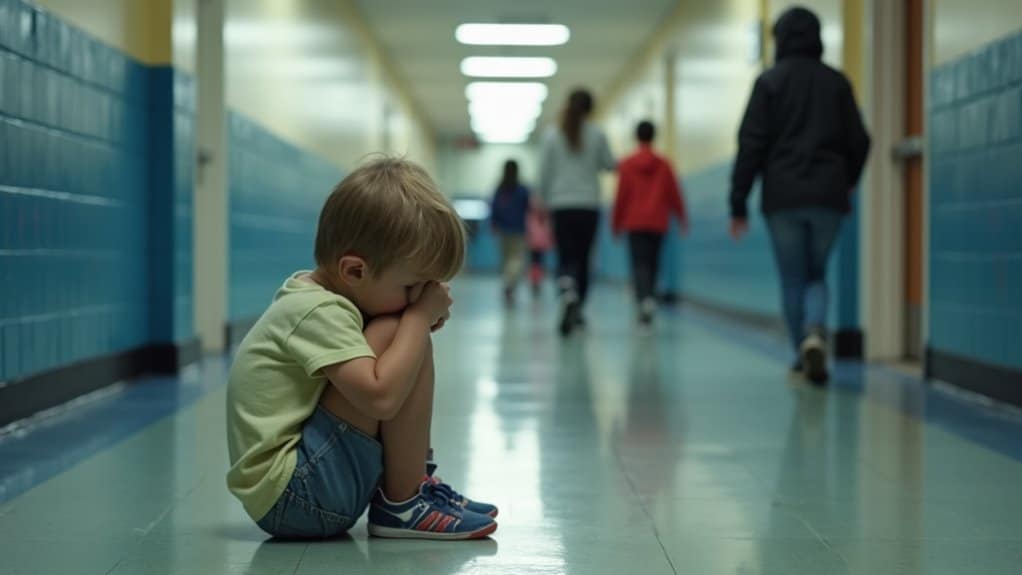
Childhood anxiety has surged dramatically in recent years, transforming from an occasional concern into a widespread crisis affecting millions of families. You’re not imagining it. Diagnosed anxiety in children jumped 56% between 2003 and 2012, and another 27% from 2016 to 2019. Today, 11% of U.S. children aged 3, 17 live with diagnosed anxiety disorders, affecting 5.6 million young people.
Severe anxiety in children represents the most intense end of this spectrum. About 1 in 17 adolescents experiences severe impairment from anxiety, meaning their symptoms drastically disrupt school, relationships, and daily functioning. The COVID-19 pandemic worsened these trends, with 21% of youth globally showing clinically heightened anxiety symptoms. Girls face higher rates than boys, and marginalized communities often experience disproportionate impact. By 2011-2012, 2 million children aged 6-17 were experiencing current anxiety, reflecting the substantial scale of this mental health challenge.
Anxiety disorders now rank as the most common psychiatric conditions in children and adolescents, affecting nearly 1 in 12 children and 1 in 4 adolescents. Among specific conditions, approximately 20% of children experience specific phobias, while social anxiety disorder affects about 9%, and separation anxiety disorder impacts 8% of young people. Recent data shows that 20% of adolescents ages 12-17 reported experiencing symptoms of anxiety in the past two weeks, highlighting how prevalent these struggles have become in everyday teen life.
Recognizing the Red Flags: Signs That Anxiety Has Become Severe
Understanding how widespread severe anxiety has become matters most when you can identify it in your own child. Watch for withdrawal from social interaction, when your once-social child suddenly avoids playdates or group activities. Notice increased clinging that seems inappropriate for their phase of life, especially if they’d been independent before. Tantrums or meltdowns before routine changes or social events signal extreme internal distress rather than simple defiance. You might observe loss of interest in previously enjoyed activities, from sports to hobbies they once loved. Pay attention to distress over minor upsets, when small disappointments trigger disproportionate reactions. Children may also experience persistent muscle tension, clenching their fists under their desk, grinding their teeth at night, or constantly shifting in their seat as a physical manifestation of internal stress. Some children develop perfectionistic tendencies that lead them to become overly concerned about making mistakes or to seek constant reassurance from parents and teachers. These behavioral shifts, combined with physical complaints like frequent stomachaches or sleep disturbances, indicate anxiety has moved beyond normal developmental worry into territory requiring professional support. Since children often struggle to verbalize their feelings, parents must become skilled observers of behavioral changes that reveal underlying emotional distress.
The Real-World Impact: How Severe Anxiety Disrupts Children’s Lives

When severe anxiety takes hold, it doesn’t simply make your child feel worried, it systematically dismantles the building blocks of their everyday life. Disabling anxiety children experience often manifests as school refusal, plummeting grades despite strong abilities, and withdrawal from friendships and activities they once enjoyed. You’ll notice extreme worry in kids disrupting concentration, triggering chronic physical complaints like headaches and stomachaches, and eroding self-esteem through repeated perceived failures.
Anxiety interfering with daily life prevents your child from reaching normal developmental milestones, practicing independence, building resilience, and traversing social challenges. Perfectionistic and anxious students may appear to be coping well in school, masking the severity of their internal distress from teachers and peers. Family tension escalates as avoidance behaviors increase. Without intervention, the ripple effects extend into emotional health, raising risks for depression, behavioral outbursts, and in severe cases, self-harm. Anxiety can also lead to substance use, further complicating your child’s path to recovery. Left untreated, these conditions typically follow a chronic and unremitting course, making early intervention all the more critical. Understanding these real-world consequences underscores why professional support isn’t optional, it’s essential.
Who Is Most at Risk? Demographics and Vulnerability Factors
Understanding who’s most vulnerable to severe anxiety helps you recognize warning signs earlier and advocate more effectively for your child. Research consistently shows that girls face about twice the risk of boys, especially as they enter adolescence, while children from low-income families, marginalized communities, and homes with parental mental health challenges also experience heightened vulnerability. Factors like chronic stress, trauma exposure, inhibited temperament, and experiences of discrimination or bullying further compound a child’s risk for developing persistent anxiety. Childhood and adolescence represent the core risk phase when anxiety symptoms and disorders most commonly emerge, making early recognition during these developmental periods especially critical. It’s important to note that anxiety and depression often co-occur, so children showing signs of one condition may be at increased risk for the other.
Gender and Age Differences
Anxiety doesn’t affect all children comparably, gender and stage play significant roles in who experiences severe symptoms and when. Girls face higher rates of serious anxiety in children, with nearly twice the prevalence of boys and greater severity on clinical assessments. They’re also more prone to comorbid conditions like depression and experience heightened academic stress and social pressures. Hormonal changes during puberty further amplify their vulnerability.
Age matters too. Anxiety symptoms often decrease in early adolescence but surge again in the middle-to-late teen years, when brain systems mature unevenly. Approaching graduation intensifies distress for many. You’ll notice parents sometimes underestimate girls’ anxiety more than boys’, potentially delaying critical support. The burden of illness from anxiety disorders appears particularly elevated in certain populations, with research showing higher impacts among European American and Hispanic girls. Beyond emotional symptoms, anxiety produces negative effects on health including memory deficits, voice disorders, and changes in cardiovascular function. Research shows that girls with chronic pain have heightened fears of physical consequences of anxiety compared to girls without chronic pain, suggesting a specific vulnerability pattern. Recognizing these patterns helps you identify when worry crosses into serious concern.
Health and Family Factors
Certain children face dramatically higher odds of developing severe anxiety, and recognizing these vulnerabilities early can make the difference between timely intervention and years of unnecessary suffering.
If your child has a chronic medical illness like asthma or diabetes, they’re at increased risk for anxiety disorders. Neurodevelopmental conditions such as ADHD or autism frequently co-occur with chronic anxiety in children. Family mental health history matters profoundly, parental anxiety, mood disorders, or substance abuse greatly increase your child’s vulnerability. High family conflict, divorce, or overprotective parenting styles also contribute to severe anxiety development.
Prenatal exposures to maternal stress or substance use, premature birth, and low birth weight create additional risk factors. When multiple vulnerabilities overlap, your child’s likelihood of developing persistent anxiety increases substantially, warranting closer monitoring and earlier professional aid.
Marginalized Youth at Risk
Beyond individual health and family contexts, systemic inequities place certain groups of children at profoundly heightened risk for severe anxiety. Black and Latinx adolescents experience higher rates of anxiety and mood disorders yet receive markedly less mental health care, only 1 in 5 anxious youth report any service use. LGBTQ youth face the highest anxiety rates at 73%, with 58% unable to access needed support.
| Population | Key Risk Factor |
|---|---|
| Racial/ethnic minority youth | Exposure to violence, poverty, discrimination |
| LGBTQ youth | Family rejection, stigma, higher suicidal ideation |
| Youth in poverty | 22% diagnosis rate for mental disorders |
| All marginalized groups | Systemic barriers limit access |
These intense anxiety symptoms kids experience stem from compounded stressors, housing instability, food insecurity, and limited provider availability, demanding urgent, equitable intervention. When minority youth do initiate treatment, they are more likely to discontinue treatment prematurely, further widening the mental health care gap. The average 11-year delay between symptom onset and treatment means many young people struggle silently through critical developmental years before receiving help.
The Comorbidity Challenge: When Anxiety Comes With Other Conditions
When a child struggles with severe anxiety, they’re rarely facing that challenge alone, more often than not, other conditions arrive alongside it. Research shows that 60% of children with anxiety have at least one additional diagnosis. The most common overlaps include comorbid depression, affecting 10, 15% of anxious youth, and comorbid ADHD, which frequently co-occurs in younger children. Many children also experience multiple comorbid anxiety disorders simultaneously.
This layering of conditions isn’t just about labels, it greatly impacts your child’s daily life. Comorbidity leads to more severe symptoms, greater difficulties at school, and increased family stress. The presence of multiple diagnoses also complicates treatment planning and may require coordinated care across specialists. Understanding this comorbidity challenge helps you advocate effectively for full support that addresses your child’s full clinical picture.
Why So Many Children Go Untreated: Barriers to Accessing Care
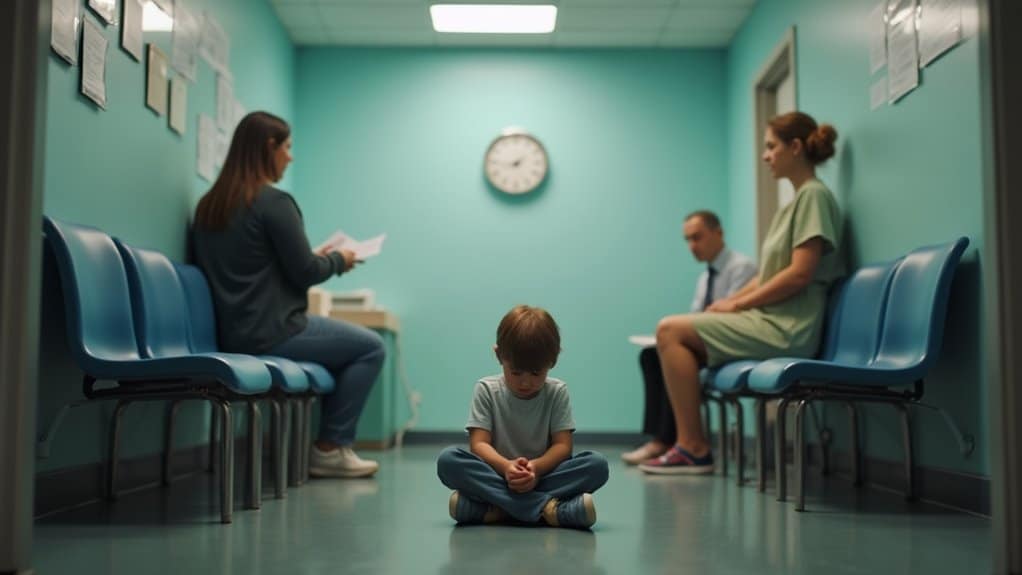
Even when you recognize your child’s severe anxiety, getting help isn’t always straightforward. Many families face long waitlists for child psychiatrists or therapists, and stigma around mental health can make parents hesitate to seek support. Furthermore, anxiety symptoms often overlap with other conditions, leading to missed or delayed diagnoses that keep children from receiving the specific treatment they need.
Limited Access to Specialists
Getting your anxious child to a mental health specialist shouldn’t feel like traversing a maze, yet that’s the reality for countless families across the country. Only 20% of children with mental health disorders receive specialized care, leaving many severe childhood anxiety signs unaddressed. The shortage of child psychiatrists hits rural communities hardest, where waitlists stretch months or even a year.
When anxiety becomes disorder kids need prompt intervention, but financial barriers compound the problem. High out-of-pocket costs and insurance plans covering fewer mental health sessions than physical health services create treatment gaps. Low reimbursement rates cause specialists to refuse publicly insured patients, disproportionately affecting low-income families. Without timely access, long-term anxiety effects children face can worsen dramatically, making navigation challenges particularly devastating for families desperately seeking help.
Stigma and Missed Diagnoses
The invisible weight of stigma keeps countless anxious children from receiving help, even when their symptoms are clearly disrupting daily life. Thirty-eight percent of children cite stigma as a barrier to attending anxiety treatment sessions, while 66% of parents don’t know where to seek services. Fear of judgment, cultural attitudes regarding mental health, and poor provider experiences compound these challenges, leaving acute anxiety in children untreated.
| Barrier Type | Impact | Prevalence |
|---|---|---|
| Stigma and shame | Discourages seeking diagnosis | 37.7% report as barrier |
| Cultural factors | Creates mistrust, language gaps | Higher in minority families |
| Provider issues | Poor communication, lack of partnership | 5x fewer unmet needs when involved |
| School pressures | Missed classroom work concerns | 45.3% cite as obstacle |
| Diagnostic gaps | Overlooked symptoms | <3% community-identified access care |
The Hidden Cost of Misdiagnosis: When Physical Symptoms Mask Anxiety
When your child complains of stomachaches before school or develops headaches that vanish by afternoon, you’re witnessing what healthcare providers often miss: anxiety disguised as physical illness. Research shows 69.4% of young children can identify anxiety symptoms in others, yet only 16.2% recognize them internally, leading to misattributed medical diagnoses instead of mental health support. It’s crucial for parents and educators to recognize the physical signs of anxiety in kids, as these symptoms can often manifest in various forms, including changes in appetite or sleep disturbances.
This misdiagnosis carries serious consequences. Your high-level anxiety child may undergo unnecessary medical procedures while their emotional distress intensifies. Physical symptoms often overshadow psychological concerns in clinical settings, resulting in fewer mental health referrals and delayed treatment. Meanwhile, school absences accumulate, social connections weaken, and maladaptive coping patterns solidify.
The cost isn’t just medical, it’s developmental, academic, and emotional, affecting your child’s trajectory long after symptoms initially appeared.
Long-Term Consequences: What Happens When Childhood Anxiety Goes Untreated
Untreated childhood anxiety doesn’t simply fade with time, it compounds, reshaping your child’s future in ways that extend far beyond their early years.
Your child faces heightened risks for lower academic achievement, increased dropout rates, and difficulty adjusting to work environments. Socially, anxiety-driven avoidance impairs skill development, weakens peer relationships, and fosters isolation that intensifies over time.
Mental health consequences prove particularly grave. Up to 80% of anxious youth remain untreated, with childhood anxiety frequently preceding adult anxiety disorders and major depression. Your child’s risk for suicidal ideation increases dramatically.
Many turn to self-medication, developing substance use disorders that compound existing challenges. Physical health suffers too, with persistent anxiety linked to chronic conditions.
Early intervention isn’t optional, it’s protective, preventing a cascade of lifelong difficulties.
The Path Forward: Early Recognition and Evidence-Based Intervention
Recognizing your child’s severe anxiety early fundamentally alters their trajectory, transforming what could become chronic suffering into an opportunity for healing and growth. Watch for persistent physical complaints, sleep disturbances, avoidance behaviors, and emotional changes that disrupt daily functioning. Don’t dismiss symptoms as shyness or stubbornness, seek thorough evaluation from a mental health professional. Understanding the signs of anxiety in children can empower parents to take proactive steps. Early intervention can lead to effective coping strategies and a supportive environment where your child feels safe to express their concerns. By actively engaging in understanding child anxiety behaviors, parents can create a more empathetic and responsive home environment. Open communication about emotions and fears encourages children to share their experiences without fear of judgment.
Evidence-based treatment centers on Cognitive Behavioral Therapy, which teaches your child concrete skills to manage worry and fear. Exposure therapy gradually reduces avoidance, while relaxation techniques provide immediate coping tools. For moderate to severe cases, medication combined with therapy may be warranted.
Your active involvement matters profoundly. Create safe spaces for expression, reinforce therapeutic strategies at home, and collaborate with schools for appropriate accommodations. Early intervention prevents long-term complications and restores your child’s confidence.
This is more than nerves before a test. More than butterflies on the first day of school. Your child is struggling in ways that are starting to affect everything. Their sleep, their friendships, their ability to just get through the day. You’ve watched long enough hoping it would pass. It hasn’t. Severe anxiety in children is real and it deserves real help. Miami Substance Abuse Treatment connects Miami families with the support their child truly needs. Call (786) 228-8884 today. Some things are too important to wait on.
Frequently Asked Questions
Can Severe Anxiety in Children Be Cured Completely or Permanently?
Complete, permanent cures for severe anxiety in children are uncommon. However, there’s real hope: most children experience significant, lasting improvement with evidence-based treatment like CBT and, when needed, medication. Your child can learn effective coping skills and see symptoms greatly reduced. While relapses may occur during stressful periods, early intervention dramatically improves long-term outcomes. With proper support and ongoing monitoring, your child can manage anxiety successfully and thrive throughout development.
What Should Parents Do During a Child’s Acute Anxiety or Panic Attack?
Stay calm and model slow, steady breathing, your composure reassures your child. Guide them to breathe slowly (in through nose, out through mouth) without overwhelming them with questions. Acknowledge their fear without dismissing it, and provide a quiet, safe space. Avoid saying “calm down” or forcing reasoning during the attack. Once symptoms ease, gently encourage returning to normal activities rather than avoiding triggers. If attacks persist or worsen, seek professional support promptly.
Are Anxiety Medications Safe for Young Children and What Are Side Effects?
Anxiety medications, especially SSRIs, are generally safe and effective for children with severe anxiety when prescribed by a trained physician. However, they carry risks like rare suicidal thoughts (FDA black box warning), nausea, sleep changes, and irritability. They’re typically reserved for moderate to severe cases and work best combined with therapy. Your child will need close monitoring, especially early on, and medication should be used for the shortest effective duration with regular follow-ups.
How Do You Talk to a Child About Their Anxiety Diagnosis?
Start by using simple, clear language your child can understand, explain that anxiety is a feeling everyone experiences, but sometimes it gets too big and needs extra help. Ask open-ended questions about when they feel worried and what it’s like in their body. Validate their experiences without judgment, and reassure them they’re not alone. Together, identify triggers and strengths, then develop practical coping strategies. Emphasize that understanding anxiety takes time and continued conversation.
Can Diet, Sleep, or Screen Time Changes Reduce Severe Childhood Anxiety?
Yes, but they’re helpful supports, not standalone treatments. Improving your child’s diet (more fruits, vegetables, whole foods), ensuring consistent quality sleep, and limiting screen time, especially before bed,can all reduce anxiety symptoms. These changes work best alongside professional therapy for severe anxiety. Think of them as creating a stronger foundation: better nutrition, rest, and healthy routines help your child’s brain and body manage stress more effectively, making other interventions more successful.