



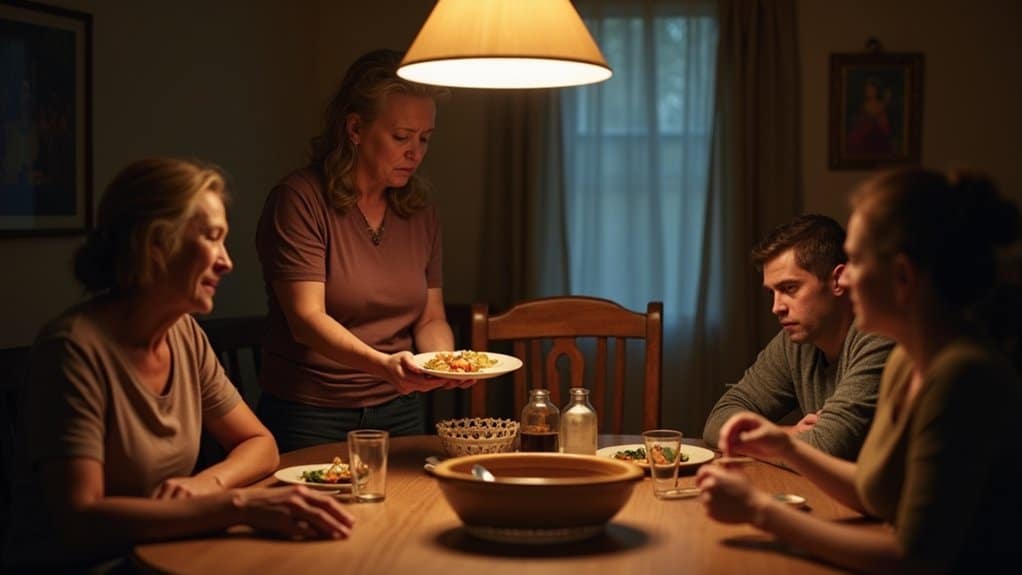
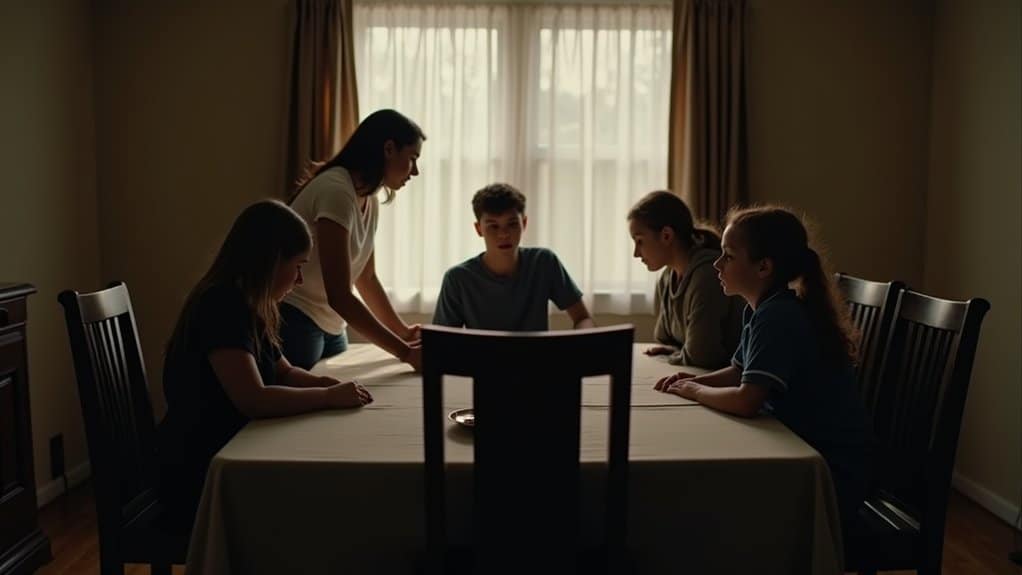

When your child is struggling with anxiety, you’ll often notice sudden irritability or angry outbursts over minor issues, persistent questions seeking reassurance even after you’ve answered them, and physical complaints like stomachaches or headaches, especially before school. You might also see unusual clinginess in your preteen, sleep difficulties, restlessness, or declining grades. These behaviors aren’t defiance or manipulation; they’re how anxiety manifests in young people. Understanding these specific patterns can help you respond with the support your child truly needs.
Understanding the Scope: How Common Is Childhood Anxiety?
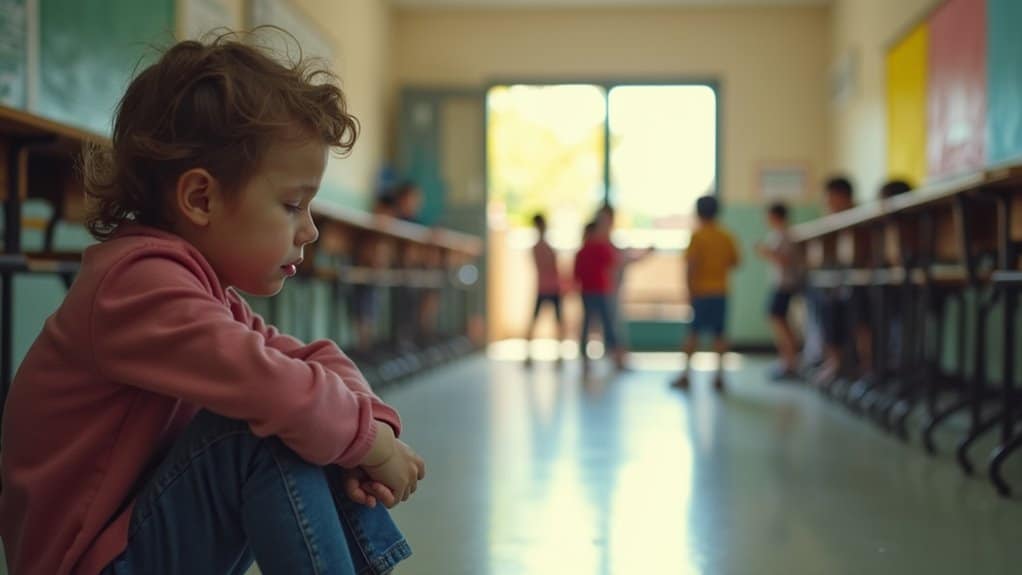
Childhood anxiety has become increasingly common, affecting millions of young people worldwide. Current prevalence rates reveal that 11% of U.S. children stages 3-17 have diagnosed anxiety disorders, while global estimates suggest one in five youth now struggle with anxiety symptoms. The numbers increase with life stage, only 2.3% of preschoolers are affected, compared to 16% of adolescents. Given the rising rates of childhood anxiety, it is crucial for parents and caregivers to be equipped with effective strategies to support their children. This includes seeking professional help when necessary and implementing parenting tips for anxious children to foster a supportive environment.
What’s particularly concerning is the upward trend. Diagnosed anxiety in U.S. adolescents jumped 61% between 2016 and 2023, making it more common than depression or ADHD in pediatric settings. Anxiety and depression among children ages 3-17 increased 27% and 24% respectively from 2016-2019. The COVID-19 pandemic further intensified these rates globally. Risk factors include parental history of anxiety, low socioeconomic status, exposure to violence, and trauma.
Understanding these statistics helps you recognize that if your child is anxious, they’re far from alone and evidence-based support is increasingly available. Anxiety disorders typically emerge early, with a median age of onset of 11 years, making them among the earliest psychiatric conditions to develop in childhood.
Emotional and Behavioral Red Flags Parents Should Recognize
Your child’s sudden irritability or angry outbursts may signal underlying anxiety rather than defiance, when children feel overwhelmed by worry, they often express it through frustration or emotional explosions. You might also notice a persistent pattern of reassurance-seeking, where your child repeatedly asks the same questions about safety or outcomes despite receiving clear answers. These behaviors indicate that anxiety has made it difficult for your child to tolerate uncertainty or manage emotions independently, requiring compassionate support rather than dismissal. Watch for sleep struggles, as difficulty falling asleep or staying asleep throughout the night often signals that anxious thoughts are interfering with your child’s ability to rest and recharge. A child who suddenly becomes unusually clingy during the preteen years, texting or calling parents repeatedly during the day, may be experiencing separation anxiety that extends beyond typical developmental stages. Pay attention if your child shows declining academic functioning, such as struggling to complete assignments they previously managed well or experiencing a drop in grades due to anxiety interfering with concentration and performance.
Irritability and Anger Outbursts
When anxiety takes hold, many children express their distress through irritability and angry outbursts rather than expressing fear directly. You might notice tantrums, yelling, hitting, or door-slamming, behaviors that look like defiance but actually signal overwhelm. Research shows that 18, 38% of children with anxiety disorders display significant irritability, comparable in severity to mood disorders. These outbursts often persist beyond stage five and disrupt peer relationships, family dynamics, and academic performance.
Unfortunately, irritability anxiety children experience is frequently misdiagnosed as oppositional defiant disorder or ADHD when the underlying anxiety goes unrecognized. If your child exhibits chronic irritability alongside restlessness or fearfulness, consider anxiety as the root cause. Understanding this connection allows you to respond with compassion and structure rather than punishment, helping your child manage emotions more effectively. Cognitive behavioral therapy can be particularly effective in helping children regulate their emotions, thoughts, and behaviors when anxiety manifests as anger or irritability. Children who suppress their anger may experience particularly high levels of anxiety severity, making it crucial to create safe opportunities for emotional expression. Importantly, both parent and self-report perspectives on irritability should be considered, as studies show these reports often differ even though both reveal elevated irritability levels in anxious youth compared to healthy children.
Excessive Reassurance Seeking Patterns
Many anxious children develop a pattern of asking the same questions repeatedly, such as “Will I be okay?”, “Are you sure nothing bad will happen?”, and “What if I get sick?”, even after receiving clear, reassuring answers. This repetitive questioning stems from persistent doubts that previous answers weren’t “certain enough.” Your reassurance provides only brief relief before anxiety returns, driving more questions.
You’ll notice your child’s preoccupation with worst-case scenarios dominates their thinking. They’re seeking absolute certainty about unpredictable situations, something you can’t honestly provide. When reassurance is withheld, their distress escalates visibly.
This pattern actually strengthens anxiety over time. Each reassurance reinforces the message that they can’t handle uncertainty alone. The reassurance-seeking becomes an addictive, compulsive behavior that your child feels unable to resist. You’ll see increasing dependence on you for decision-making and growing difficulty managing everyday situations independently. Research shows that excessive reassurance-seeking is linked to worsening depressive symptoms, creating a cycle that extends beyond anxiety alone. Some children may also demand more evidence or proof even after questions have been thoroughly answered, refusing to accept explanations at face value.
Physical Complaints That May Signal Hidden Anxiety

You might notice your child frequently complaining of stomachaches before school or headaches during homework time, physical symptoms that appear real but have no clear medical cause. These somatic complaints often serve as your child’s body’s way of expressing emotional distress when they lack the words or awareness to articulate their anxiety directly. When your child repeatedly asks “Are you sure?” or seeks confirmation about plans and outcomes, this constant reassurance seeking helps temporarily calm the anxious thoughts looping through their mind. Beyond these pain-related complaints, persistent fatigue and disrupted sleep patterns can also signal that worry is taking a physical toll on your child’s developing system. You may also observe restlessness as your child fidgets, paces, or seems unable to settle down, reflecting the internal tension they’re experiencing. Anxiety affects both the mind and body, creating that uncomfortable “butterflies-in-the-stomach” feeling that can accompany worry and fear.
Unexplained Stomachaches and Headaches
Anxiety doesn’t always announce itself through tears or worried words, sometimes it shows up as a genuine stomachache before school or a persistent headache that won’t go away. These physical complaints are among the most common ways childhood anxiety manifests, with up to 80% of anxious children experiencing somatic symptoms. Your child’s discomfort is real, even without a medical cause, it’s their nervous system responding to stress. In some cases, these physical ailments can escalate, leading to severe anxiety symptoms in children that interfere with their daily activities and overall quality of life.
These symptoms often lead to school absences and frequent doctor visits, sometimes delaying proper diagnosis. If your child’s stomachaches or headaches are recurrent and unexplained, especially alongside behavioral changes like avoidance or irritability, anxiety screening is warranted. Recognizing this connection helps you respond with understanding rather than dismissing their pain, making it easier to address the underlying anxiety. Research shows that physical activity interventions can help reduce anxiety symptoms in children, offering a promising complement to traditional approaches.
Fatigue Beyond Normal Tiredness
Beyond stomachaches and headaches, children with anxiety often experience a pervasive exhaustion that doesn’t lift with rest. This fatigue differs from normal tiredness, it’s chronic, persistent even after adequate sleep, and rooted in the mental drain of constant worry and emotional overload.
You might notice your child appearing sluggish during school days, struggling to get through routines that once felt manageable. They may seem unmotivated or “lazy,” but underlying anxiety is frequently depleting their energy reserves. The mental rumination and activated stress response exhaust them physically and emotionally.
Distinguishing anxiety-driven fatigue from typical tiredness can be challenging. Look for persistent low energy without other medical causes, especially if it coincides with anxiety-provoking situations or changes in your child’s day.
Sleep Problems and Disturbances
| Sleep Issue | Anxiety Connection |
|---|---|
| Delayed sleep onset | Racing thoughts and worries prevent relaxation |
| Nighttime awakenings | Fear-based arousal fragments sleep continuity |
| Physical complaints | Autonomic nervous system responses intensify at night |
These disturbances create daytime consequences, including irritability, poor concentration, and emotional dysregulation, making it harder for your child to manage anxiety effectively.
When Children Pull Away: Social Withdrawal as a Warning Sign
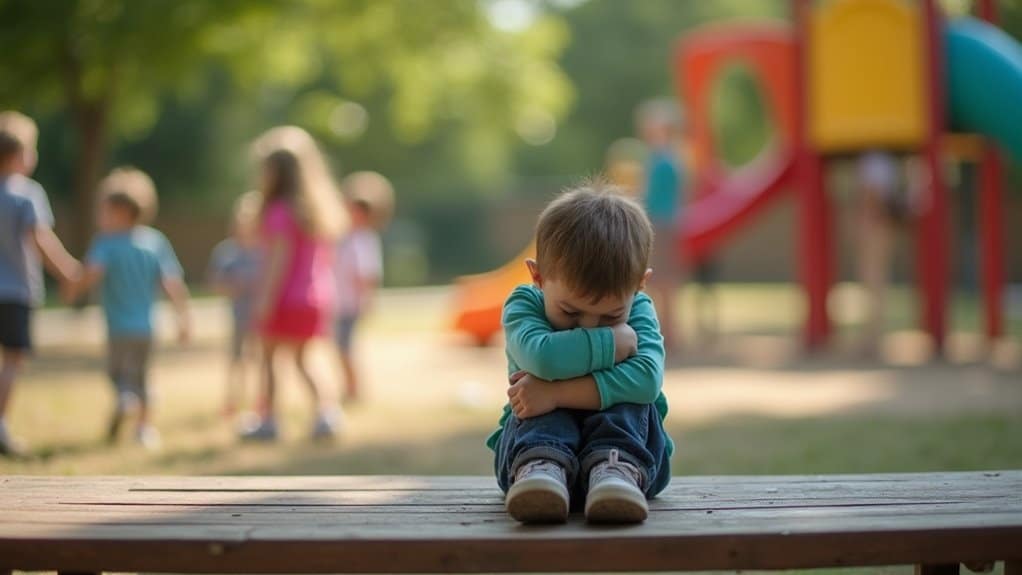
When a child who once played freely with peers begins turning down playdates or sitting alone at recess, they’re often communicating something crucial through their absence. Social withdrawal is a profound anxiety-driven behavior rooted in fear of judgment, embarrassment, or rejection. You might notice your child avoiding birthday parties, refusing to speak in group settings, or clinging tearfully when social situations approach. This conflicted shyness reflects a painful push-pull: they want connection but anxiety blocks the path. Physical complaints like stomach-aches often accompany avoidance. Without intervention, persistent withdrawal increases risks for loneliness, peer rejection, and even depression or suicidal thoughts in adolescence. These children miss critical interpersonal development opportunities. When withdrawal becomes a pattern, especially with school refusal or mood changes, seeking professional support becomes indispensable.
The Classroom Impact: Academic Struggles Linked to Anxiety
Social isolation doesn’t exist in a vacuum, it bleeds into every corner of a child’s daily life, and nowhere does anxiety exact a steeper toll than in the classroom. Anxiety behaviors in children often manifest as declining grades, incomplete assignments, and increased absenteeism. You’ll notice behavioral signs of anxiety like frequent nurse visits, restlessness, or outright refusal to participate in presentations and group work. These anxious child behaviors can be misinterpreted as defiance or laziness, but they’re actually avoidance strategies rooted in fear. Changes in child behavior related to anxiety may include difficulty concentrating, forgetfulness, and disorganization, symptoms sometimes mistaken for learning disorders. When teachers misunderstand these signals, children miss critical academic support, deepening their struggles and reinforcing the cycle of anxiety-driven withdrawal.
Why Early Recognition Matters: The Long-Term Effects of Untreated Anxiety
If you’ve noticed anxiety behaviors in your child and wondered whether they’ll simply “grow out of it,” the research offers a sobering answer: untreated childhood anxiety doesn’t fade, it compounds. When avoidance behaviors in children go unaddressed, they establish patterns that increase risk for:
- Mental health disorders including depression, persistent anxiety, and heightened suicidal ideation in adolescence and adulthood
- Physical health consequences such as chronic pain, autoimmune conditions, and cardiovascular disease can potentially shorten life expectancy by up to 19 years.
- Functional impairment affecting relationships, educational attainment, employment stability, and general quality of life
Early intervention dramatically reduces these risks. When you respond with understanding and appropriate support now, you’re not just addressing today’s struggles, you’re protecting your child’s long-term wellbeing across multiple life domains.
Something has shifted in your child. The defiance, the clinginess, the refusal to try anything new. You’ve chalked it up to a phase, to personality, to just being a kid. But your gut keeps telling you something else is going on beneath the surface. Anxiety in children rarely looks like worry. It looks like behavior. It looks like your child acting out, shutting down, or holding on for dear life. Miami Substance Abuse Treatment helps Miami families understand what their child is really trying to say when words aren’t enough. Call (786) 228-8884 today. Your child needs you to look a little deeper.
Frequently Asked Questions
How Can I Tell if My Child’s Behavior Is Anxiety or Just a Phase?
Look at frequency, duration, and impact. Anxiety behaviors persist across multiple settings, happen more intensely, and don’t fade with time like typical phases do. You’ll notice interference with daily life, including school avoidance, friendship struggles, or physical complaints without a medical cause. Anxiety often ties to specific triggers and includes excessive reassurance-seeking or perfectionism. If behaviors worsen despite repeated exposure or last weeks beyond stressful events, it’s likely anxiety needing support, not just a passing phase.
What Should I Say When My Anxious Child Refuses to Go to School?
Validate their feelings initial: “I see you’re really worried about school today.” Avoid dismissing or punishing their fear. Ask gentle questions to understand what’s triggering the anxiety, such as specific situations, people, or worries. Offer reassurance while maintaining the expectation of attendance: “School is safe, and we’ll work through this together.” Suggest small steps, like arriving late or checking in with a trusted adult. If refusal persists, consult a mental health professional for evidence-based support like CBT.
Can Anxiety in Children Be Prevented or Only Managed After It Develops?
Anxiety in children can be both prevented and managed. Evidence shows that early intervention programs, especially family-based cognitive-behavioral approaches, can considerably reduce symptoms and even prevent anxiety disorders from developing in at-risk children.Prevention works best when you address risk factors like avoidance and cognitive distortions early. Once anxiety develops, ongoing management through CBT and sometimes medication helps control symptoms. Either way, your involvement and support strengthen your child’s resilience and outcomes.
How Do I Help My Child Without Making the Anxiety Worse?
Validate your child’s feelings without enabling avoidance; acknowledge their fear, but gently encourage facing it in small steps. Use cognitive-behavioral strategies like breaking tasks down, practicing relaxation techniques together, and modeling calm responses. Avoid accommodating anxiety by letting them escape challenging situations entirely, as this reinforces fear. Instead, praise brave behavior and collaborate with teachers for consistency. If symptoms persist, seek family-based CBT early because it is highly effective and prevents long-term struggles.
When Is Professional Help Necessary Versus Handling Anxiety at Home?
Seek professional help if anxiety persists beyond six months, disrupts school or social life, or involves panic attacks, self-harm, or suicidal thoughts. Home management works for mild, situational anxiety that responds to reassurance and coping strategies without interfering with daily routines.
Since 80% of anxious children don’t receive needed treatment and untreated anxiety increases risks for depression and substance use, don’t hesitate to consult a mental health professional when you’re uncertain because early intervention considerably improves long-term outcomes.