




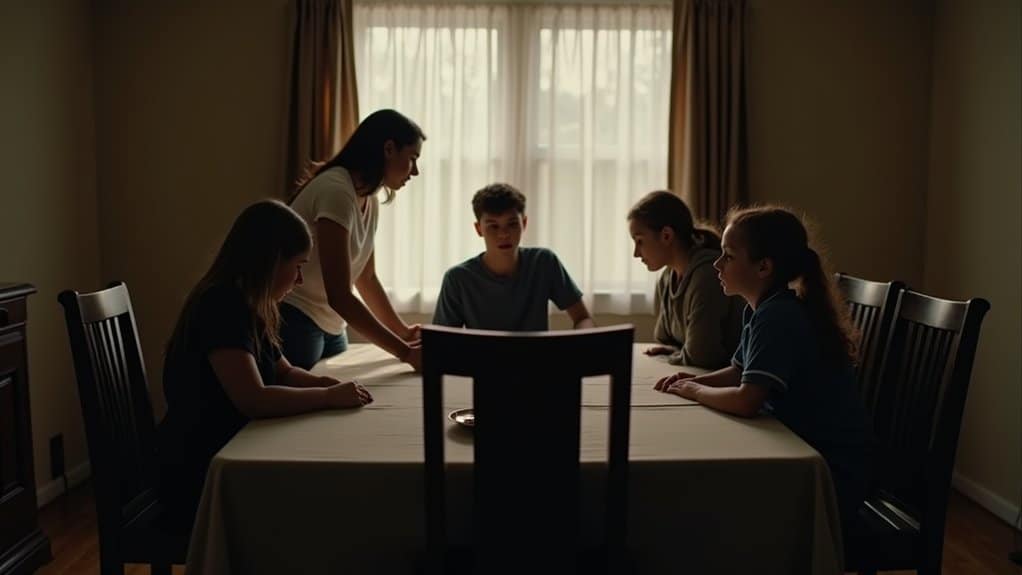

Your child’s anxiety often hides behind everyday behaviors you might dismiss as phases. Watch for constant reassurance-seeking, recurring stomachaches or headaches without medical cause, and resistance to bedtime with frequent nightmares. Notice if your child clings excessively to you, ruminates over small social mistakes, or shows physical symptoms like clammy hands before social events. Unlike typical shyness that fades with familiarity, anxiety persists and can impact sleep quality, academic performance, and self-esteem. Understanding these subtle patterns helps you recognize when your child needs support. Additionally, be mindful of other signs of anxiety in kids, such as a reluctance to participate in activities they once enjoyed or avoidance of certain situations altogether.
The Hidden Signs: When Shyness Becomes More Than Just a Phase
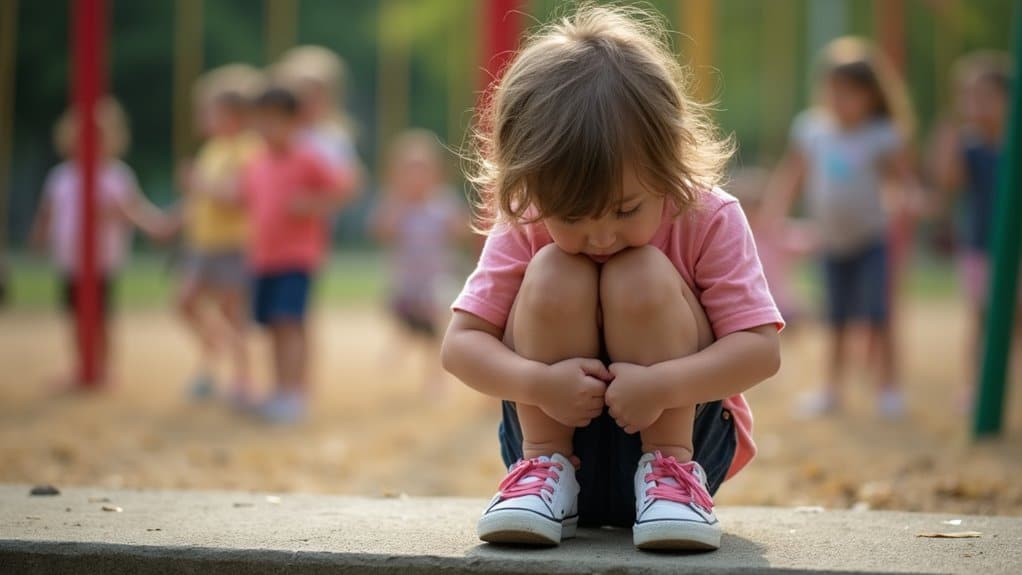
Subtle anxiety signs include constant reassurance-seeking, ruminating on perceived social mistakes, and clinging to familiar caregivers. Emotional anxiety symptoms manifest as intense self-consciousness, irritability, and physical responses like sweating or racing heart during social encounters. Unlike shyness that diminishes with familiarity, social anxiety remains persistent and can worsen without intervention, potentially impacting academic performance and long-term self-esteem development. Parents should note that while shy children may feel uncomfortable in certain situations, those with social anxiety are triggered by any social interaction, making it crucial to distinguish between typical developmental shyness and a more serious condition. Children experiencing social anxiety may exhibit physical symptoms days before an anticipated social event, such as headaches or stomachaches. Socially anxious children often realize their fears are irrational yet feel unable to control them, which can intensify their distress and feelings of inadequacy.
Physical Complaints That Mask Emotional Distress
When your child complains of a stomachache before school or develops a headache during homework time, you might instinctively reach for medication or schedule a doctor’s appointment. However, these recurring physical symptoms often represent how anxiety shows in children who lack the vocabulary to express emotional distress.
Anxiety behavior in kids frequently manifests as recurrent headaches, stomachaches, muscle tension, and unexplained fatigue, complaints that typically resolve once the stressful situation passes. You’ll notice these symptoms escalate before tests or social events, then mysteriously disappear afterward. In addition to physical symptoms, children may also display changes in behavior, such as withdrawal from activities they once enjoyed or a reluctance to engage with peers. These can be clear signs of social anxiety in children, often leading them to avoid situations that trigger their distress.
Child anxiety examples include clammy hands, rapid heartbeat, nausea, and digestive issues without medical cause. Younger children especially struggle to verbalize worries, instead presenting physical complaints that may lead to school avoidance if the underlying anxiety remains unaddressed. Some children may also engage in behavior changes to hide their anxiety and meet expectations from parents or teachers, which can make the problem harder to recognize. Children might learn to suppress visible signs of distress through forced facial expressions or controlled body language to avoid drawing attention to their internal struggle. Without proper treatment, both the anxiety and the physical symptoms will continue to persist and may worsen over time.
Sleep Disruptions and Nighttime Fears in Anxious Children
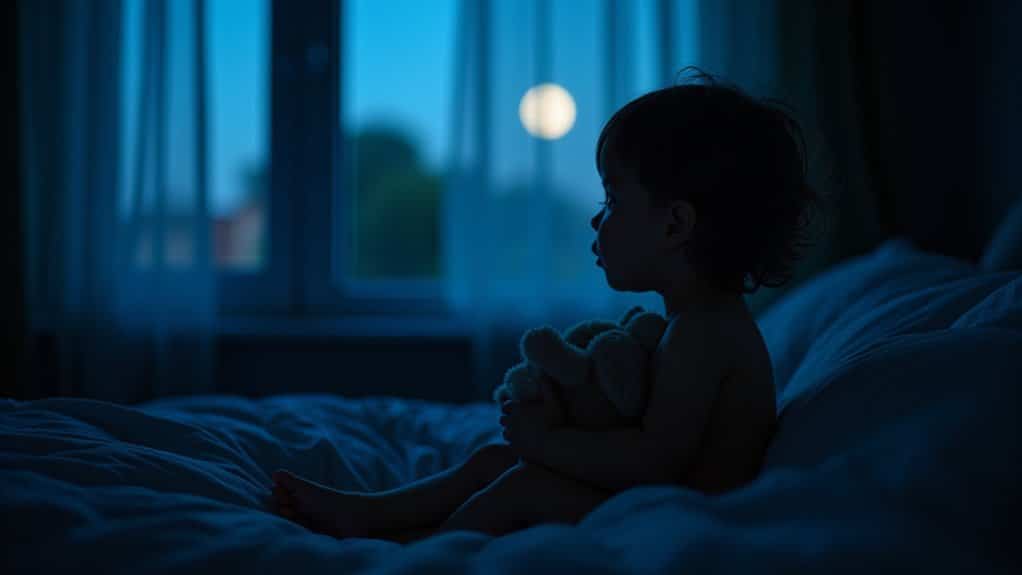
If your child suddenly resists bedtime, fears sleeping alone, or wakes frequently with nightmares, you’re witnessing how anxiety often surfaces at night. Research shows that 53% of preschoolers experience sleep anxiety, and these disruptions don’t just affect rest, they’re strong predictors of future anxiety and depression. The pandemic significantly intensified these challenges, with sleep disturbances in children nearly doubling from 25% to 46% as young ones picked up on surrounding adult stress and lacked the coping mechanisms to process their worries. Recognizing patterns like excessive reassurance-seeking at bedtime, panic about the dark, or refusing to sleep independently helps you distinguish between typical childhood fears and signs that warrant your attention. Poor sleep quality affects more than just mood, it can impair your child’s memory and attention, making it harder for them to focus at school and retain what they’ve learned. Since anxiety disorders affect nearly 1 in 12 children aged 3 to 17 years in the U.S., understanding these nighttime behaviors becomes crucial for early identification and intervention.
Common Sleep-Related Anxiety Symptoms
Bedtime struggles often signal more than simple resistance, they’re frequently one of the earliest visible signs of childhood anxiety. If your child consistently refuses to sleep alone, repeatedly asks for reassurance, or insists you stay until they’re asleep, you’re witnessing sleep anxiety in action. Nighttime fears become particularly pronounced in anxious children, who may experience difficulty falling asleep, frequent night wakings, or intense reluctance to sleep in dark rooms.
Bedtime resistance often manifests through elaborate rituals or compulsive routines that go beyond typical preferences. You might notice your child checking closets repeatedly, demanding specific lighting arrangements, or becoming distressed when routines vary. These behaviors aren’t manipulation, they’re coping mechanisms for genuine fear. Sleep deprivation itself can create a troubling cycle, as insufficient sleep triggers anxious emotions and reduces your child’s ability to regulate positive feelings. When children develop fear of anxiety-related sensations, this heightened anxiety sensitivity can further compound their difficulty falling asleep, creating additional delays at bedtime. Approximately 75% of anxious youth experience sleep-related problems, making these nighttime patterns essential indicators worth addressing. During the COVID-19 pandemic, research revealed that sleep disturbances affected 44.9% of children and adolescents, with increased stress and disrupted routines contributing significantly to these problems.
Why Nighttime Triggers Worries
Evolutionarily, children are wired to perceive darkness as threatening, increasing their vulnerability awareness. When external distractions fade, cognitive hyperarousal takes over, their minds race with worries about tomorrow or replay today’s events. This internal focus intensifies nighttime fears that might seem irrational during daylight hours.
The timing matters too. Bedtimes after 9 PM and inadequate sleep (under nine hours) substantially/markedly/considerably increase anxiety symptoms. Your child’s separation anxiety often peaks at night, when awareness of being apart from you feels most acute.
These nighttime fears are remarkably common, affecting up to 80-85% of children aged 7-12 years. They can manifest as fears of the dark, worries about personal safety, or imagination-based anxieties that emerge specifically during the pre-sleep period. Parents often report more frequent nightmares in their anxious children, though these retrospective accounts may be influenced by their child’s emotional symptoms.
When to Seek Help
Watch for common anxiety behaviors that extend beyond bedtime: excessive daytime sleepiness, mood changes, or behavioral challenges at school. When how kids act when anxious begins affecting daily functioning, paired with ongoing sleep disruptions, evaluation becomes essential. Research shows 50% of children with sleep issues maintain these difficulties over a year without intervention.
Anxious child behavior often manifests through bedtime resistance, sleep anxiety, and nightmares that persist despite your reassurance. With 11% of children ages 3-17 currently diagnosed with anxiety, understanding these nighttime patterns becomes crucial for early identification. Early intervention with strategies like sleep hygiene can prevent escalation into more serious emotional disorders, improving both nighttime rest and daytime well-being.
The Constant Need for Reassurance: What It Really Means
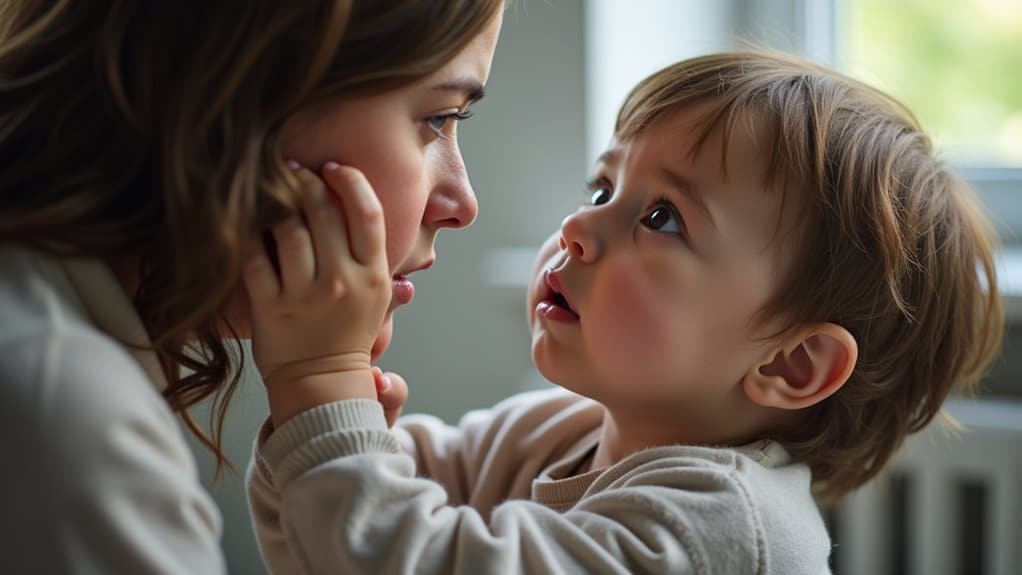
When your child asks for the third time in ten minutes whether you’ll definitely be there at pickup, it’s not defiance or attention-seeking, it’s anxiety trying to feel safe. This constant need for reassurance is one of the clearest anxiety signs in children, functioning as a temporary relief valve that creates a problematic cycle.
What does anxiety look like in children who seek reassurance? You’ll notice repeated questions about the same worry, clinginess before separations, and irritability when comfort isn’t immediately available. These behavior changes from anxiety reveal underlying distress, not manipulation.
While reassurance feels helpful, it actually reinforces your child’s belief they can’t cope independently. The relief is fleeting, anxiety returns quickly, and self-confidence erodes. This pattern sends the message that worrying thoughts demand attention, making it harder for children to dismiss irrational fears on their own. Instead of repeated answers, offer one calm response and gently encourage independence.
Avoidance Behaviors That Limit Your Child’s World
When your child consistently declines birthday parties, makes excuses to skip school, or suddenly complains of stomachaches before social events, they’re likely using avoidance to manage uncomfortable feelings. These patterns, whether refusing playdates, resisting new activities, or inventing physical ailments, aren’t defiance or laziness; they’re adaptive strategies that temporarily reduce distress but ultimately conclude anxiety. Research shows that avoidance behaviors in 28, 34% of anxious children can shrink their world drastically, limiting social development, academic engagement, and the resilience-building experiences they need to flourish.
Skipping School and Activities
If your child suddenly resists going to school or starts backing out of activities they once enjoyed, you’re witnessing more than typical reluctance, you’re seeing avoidance, one of anxiety’s most limiting behaviors. Up to 28% of children experience school avoidance, with chronic absenteeism nearly doubling post-pandemic to affect 30% of students. Your child might complain of headaches or stomachaches that mysteriously improve on weekends, signaling anxiety’s physical manifestations. This pattern isn’t stubbornness, it’s often rooted in anxiety disorders, social fears, bullying, or learning differences like ADHD. Without intervention, avoidance reinforces anxiety, creating cycles that worsen over time and lead to academic gaps, social isolation, and poor long-term outcomes. Early recognition helps you respond with understanding rather than frustration, supporting your child’s gradual return through collaborative approaches with healthcare providers and educators.
Refusing Social Interactions
Your child’s growing tendency to play alone during recess, skip birthday parties, or stay silent in group settings isn’t necessarily introversion, it’s often anxiety-driven avoidance that actively limits their world. Unlike typical shyness, these behaviors stem from intense fears of judgment or embarrassment that block your child’s desire for connection.
When your child consistently avoids peer gatherings, refuses group projects, or declines social invitations despite apparent interest, they’re missing critical opportunities to develop stage-appropriate social skills. This avoidance creates a reinforcing cycle: limited practice leads to communication deficits, which heighten anxiety about future interactions.
You might notice emotional outbursts before social events or physical complaints like stomachaches. What appears as stubbornness is actually anxiety preventing your child from building friendships and confidence through positive peer experiences.
Physical Complaints as Excuses
Every Monday morning, your daughter clutches her stomach and begs to stay home from school, yet by afternoon she’s energetically playing in the backyard. This pattern isn’t manipulation, it’s anxiety manifesting as physical symptoms.
Up to 80% of children with recurrent abdominal pain meet criteria for anxiety disorders. These complaints such as headaches, stomachaches, nausea, dizziness, typically worsen before avoided activities and disappear when threats pass. Girls report these stress-related symptoms more frequently than boys.
Watch for complaints that follow predictable patterns: “sick” on school mornings but fine on weekends, frequent bathroom trips before tests, or difficulty swallowing at social events. When medical causes are ruled out, consider anxiety. Without recognition, children undergo unnecessary tests while their actual needs, emotional support and anxiety treatment, remain unaddressed.
Irritability and Mood Swings: Anxiety’s Unexpected Face
When your child snaps over a minor issue like the “wrong” cup at breakfast or melts down because their shoelace won’t cooperate, you might assume they’re being difficult, but these flare-ups could signal anxiety beneath the surface. Irritability appears in up to 50% of clinically anxious children, often misread as oppositional behavior. Anxious kids show markedly lower frustration tolerance than their peers, triggering rapid mood swings between worry, sadness, and anger. These outbursts disrupt family routines, classroom engagement, and friendships, creating functional impairment beyond the anxiety itself. Longitudinal research confirms that adolescent irritability predicts generalized anxiety disorder decades later. Validated tools like the Affective Reactivity Index help clinicians distinguish anxiety-driven irritability from mood disorders, enabling targeted intervention before chronic patterns solidify.
How Anxiety Shows Up Differently in Boys vs. Girls
Understanding how anxiety manifests differently across genders helps you recognize warning signs you might otherwise miss. Your daughter may internalize her distress through excessive worry, perfectionism, and physical complaints like stomachaches, while your son might externalize anxiety through restlessness, irritability, or acting out behaviors. These gender-specific patterns emerge early in childhood and intensify during adolescence, making it essential to look beyond stereotypical presentations of anxiety.
Girls: Internalized Worry Patterns
While boys with anxiety often display their distress through visible, outward behaviors, girls tend to turn their worry inward, making their struggles far easier to miss. Your daughter may withdraw from activities she once loved, complain of frequent headaches or stomachaches without medical cause, or show declining academic performance due to difficulty concentrating. You might notice increased sadness, irritability, or mood swings alongside growing self-criticism and low self-esteem.
These internalized symptoms are often mistaken for shyness or normal developmental phases, contributing to up to 75% underdiagnosis rates. Research shows parental anxiety, especially maternal, significantly predicts higher anxiety levels in girls. With approximately 80% of internalizing tendencies stemming from genetic and environmental factors, early recognition becomes critical for preventing prolonged academic, social, and emotional difficulties.
Boys: Externalized Behavioral Responses
Because boys are socialized differently around emotional expression, their anxiety often emerges through behaviors that look nothing like worry, frustrating parents and teachers who mistake internal distress for deliberate defiance or poor self-control.
When your son’s anxiety externalizes, you might notice:
- Frequent angry outbursts or tantrums that seem disproportionate to the situation
- Constant movement and restlessness often misdiagnosed as ADHD
- School refusal disguised as stubbornness rather than expressed fear
- Unexplained stomachaches or headaches before stressful events
These behaviors aren’t willful misbehavior, they’re distress signals. Boys often receive behavioral disorder diagnoses because their anxious arousal manifests as aggression, impulsivity, or oppositional behavior. Understanding this pattern helps you respond with compassion instead of punishment, addressing the underlying anxiety rather than just managing disruptive symptoms.
Gender-Specific Warning Signs
Anxiety doesn’t wear the same face across genders, a reality that leaves countless children misunderstood by the very adults trying to help them.
Your daughter may express anxiety through worry, oversensitivity, and anticipatory dread, ruminating on concerns before they happen and avoiding social situations that trigger distress. She’s more likely to withdraw from school events, resist new activities, and internalize fears around evaluation and relationships. Academic pressures, peer conflicts, poor sleep, and excessive internet use amplify her vulnerability.
Your son, meanwhile, may mask anxiety beneath irritability, physical complaints, or acting out, externalizing what he can’t articulate.
Recognizing these gender-specific patterns isn’t about stereotyping; it’s about seeing what’s actually there. Girls typically show higher anxiety prevalence and severity, particularly during puberty, making early identification pivotal for preventing chronic struggles.
The Link Between Anxiety and School Performance Problems
When a child’s grades begin to slip or homework becomes a nightly battle, parents often assume their child isn’t trying hard enough. However, anxiety often disguises itself as academic struggles. Anxious children experience impaired concentration, memory problems, and executive functioning difficulties that directly interfere with learning. Test anxiety causes them to underperform despite knowing the material, while perfectionism leads to incomplete assignments and missed deadlines.
Anxiety doesn’t look lazy, it looks like struggling focus, forgotten facts, and test scores that don’t match actual knowledge.
Research shows that up to 25% of students report anxiety negatively affects their academic work. This creates a devastating cycle: declining grades increase anxiety, which further damages performance.
Watch for these anxiety-driven academic behaviors:
- Excessive worry about grades despite strong performance
- Physical complaints before tests or assignments
- School refusal or frequent absences
- Avoiding participation to escape scrutiny
Understanding this connection helps you respond with support rather than punishment.
When Everyday Worries Become Persistent and Overwhelming
All children worry, it’s how their brains practice problem-solving and prepare for challenges. But anxiety crosses a threshold when worries persist for weeks or months, resist reassurance, and feel disproportionate to actual threats.
You’ll notice functional impairment, your child avoids school, withdraws from friends, or can’t complete homework. Physical complaints like headaches or stomachaches appear without medical cause. The intensity becomes unmanageable; your child can’t “just stop worrying.”
Key markers include duration (several weeks minimum), avoidance behaviors that limit daily life, and emotional distress that disrupts family routines or academic performance. When worry shifts from occasional to constant, when it narrows your child’s world rather than expanding it, professional evaluation becomes essential. Early recognition prevents anxiety from becoming chronic.
Co-occurring Conditions: What Else to Watch For Beyond Anxiety
Your child’s anxiety rarely travels alone. Research shows that 26.5% of children with any mental disorder meet criteria for two or more conditions, making it essential you watch for overlapping signs.
When anxiety co-occurs with other conditions, behaviors intensify and become harder to interpret:
- ADHD appears alongside anxiety in 18% of cases, making your child seem both restless and worried
- Learning disabilities affect 45% of children with ADHD, creating frustration that mimics oppositional behavior
- Depression co-occurs in 17.6% of children with conduct issues, masking sadness behind defiance
- Autism spectrum disorder presents with anxiety in 39.5% of cases, where repetitive behaviors may hide worry
Understanding these connections helps you recognize when your child needs thorough evaluation rather than addressing single symptoms in isolation.
You know your child better than anyone. And lately, something just feels off. The stomach aches before school, the meltdowns that seem bigger than the moment, the way they cling a little tighter than other kids their age. As a parent, it’s easy to second-guess yourself. Maybe it’s just a phase. Maybe you’re overthinking it. But deep down, you feel it. Miami Substance Abuse Treatment believes no parent should have to navigate this alone. We help families in Miami find the right support for children showing signs of anxiety, because catching it early can change everything. Your child deserves to feel safe in their own mind. Call (786) 228-8884 today and take the first step toward helping them find peace.
Frequently Asked Questions
Can Changing Schools or Moving Trigger Anxiety in a Previously Calm Child?
Yes, changing schools or moving can absolutely trigger anxiety in a previously calm child. These alterations disrupt your child’s sense of stability and safety, increasing their intolerance of uncertainty, a core factor in childhood anxiety. You might notice new school refusal, physical complaints like stomachaches, increased clinginess, or irritability. These aren’t just adjustment issues; they’re real anxiety responses. Early recognition matters tremendously. Gradual exposure to the new environment and open communication can help your child regain their emotional footing during these challenging changes.
Should I Tell My Child’s Teacher About Their Anxiety Diagnosis?
Yes, informing your child’s teacher is typically beneficial. Early disclosure enables customized accommodations, classroom adjustments, and access to school-based support programs. Teachers can implement anxiety-reduction strategies and collaborate with you on consistent coping skills.
However, involve your child in this decision when developmentally appropriate, respecting their voice builds self-advocacy. Limit sharing to essential staff only, assess the school’s mental health understanding, and establish ongoing communication. This collaborative approach balances support with your child’s privacy and autonomy.
Are There Specific Ages When Childhood Anxiety Is Most Likely to Start?
Yes, childhood anxiety most commonly emerges between youths 6-12, with the peak onset around age 5-6. Separation anxiety and specific phobias typically appear initial in elementary school years, while social anxiety tends to develop later in early adolescence. You’ll notice prevalence increases with maturity, from 2.3% in preschoolers to 16% in teens. Early recognition matters because childhood anxiety can impact your child’s social development, academic success, and mental health into adulthood.
Can Too Much Screen Time Make My Child’s Anxiety Worse?
Yes, excessive screen time can worsen your child’s anxiety. Research shows that 4+ hours daily increases anxiety symptoms by 23%, and 6+ hours by 50%. Screens displace activities that naturally reduce anxiety, like physical play, sleep, and face-to-face connection. They also cause rapid attention shifts and neurological arousal that heighten stress responses. Limiting recreational screen time to under 2 hours daily can measurably improve your child’s mood and anxiety levels within weeks.
Is Childhood Anxiety Something They Will Outgrow Without Professional Help?
While about half of children with anxiety may see symptoms naturally lessen, it’s unpredictable and risky to wait. Untreated anxiety often persists and strongly predicts adult anxiety disorders, depression, and other mental health challenges. If your child’s anxiety disrupts school, friendships, or daily life for six months or more, seek professional help. Early intervention, especially cognitive-behavioral therapy, leads to vastly, considerably, markedly better long-term outcomes than hoping they’ll simply outgrow it.