

Gas station drugs are unregulated psychoactive substances you’ll find sold as supplements or mood enhancers at convenience stores and smoke shops nationwide. Products like Zaza, Tianaa, and Neptune’s Fix contain potent compounds such as tianeptine and 7-OH that produce opioid-like effects. Poison control calls for tianeptine alone surged from 27 to 883 between 2015 and 2021. These substances bypass FDA approval through regulatory loopholes, and understanding their risks, ingredients, and legal status can help you stay protected.
What Are Gas Station Drugs?
Gas station drugs are unregulated psychoactive substances sold at convenience stores, gas stations, smoke shops, and online retailers, often without FDA approval or meaningful oversight. You’ll find them marketed as dietary supplements, nootropics, mood enhancers, or focus aids rather than drugs, with appealing packaging designed to obscure their true pharmacological effects. They are frequently targeted at teenagers and young adults who perceive them as safe simply because they are available in familiar retail settings. Recent studies have begun to highlight alarming gas station drug trends in America, revealing an increasing prevalence of substances like synthetic cannabinoids and amino acids that mimic controlled drugs. These products evade regulation while attracting customers with enticing claims about benefits like enhanced cognitive performance and mood elevation.
These unregulated psychoactive products contain synthetic or naturally derived compounds frequently produced in concentrations far exceeding their natural counterparts. Because they lack standardization in dosage, purity, and ingredients, you can’t reliably assess what you’re consuming or predict its effects. Many of these products may contain undisclosed ingredients and make misleading claims about their benefits and safety. Their dose-dependent properties range from stimulant activity at lower amounts to sedative or euphoric responses at higher doses. This variability, combined with deceptive labeling and retail accessibility, creates significant risks that standard regulatory frameworks haven’t yet addressed. One notable example is tianeptine, sometimes called “gas station heroin”, a nootropic substance whose exposures reported to the National Poison Data System increased significantly from 2000 to 2017 in the United States and which can have potentially lethal consequences.
Which Gas Station Drugs Are People Buying?
If you’ve browsed the shelves of a gas station or smoke shop recently, you’ve likely noticed products containing kratom and tianeptine sold under brand names like ZaZa, Tianaa, and Neptune’s Fix. These products are marketed as dietary supplements or mood enhancers, yet they contain psychoactive compounds with opioid-like effects that have driven poison control calls from 27 cases between 2005, 2014 to 883 between 2015, 2021. Understanding which products are most widely purchased helps you recognize the specific substances fueling this public health concern.
Popular Products Being Sold
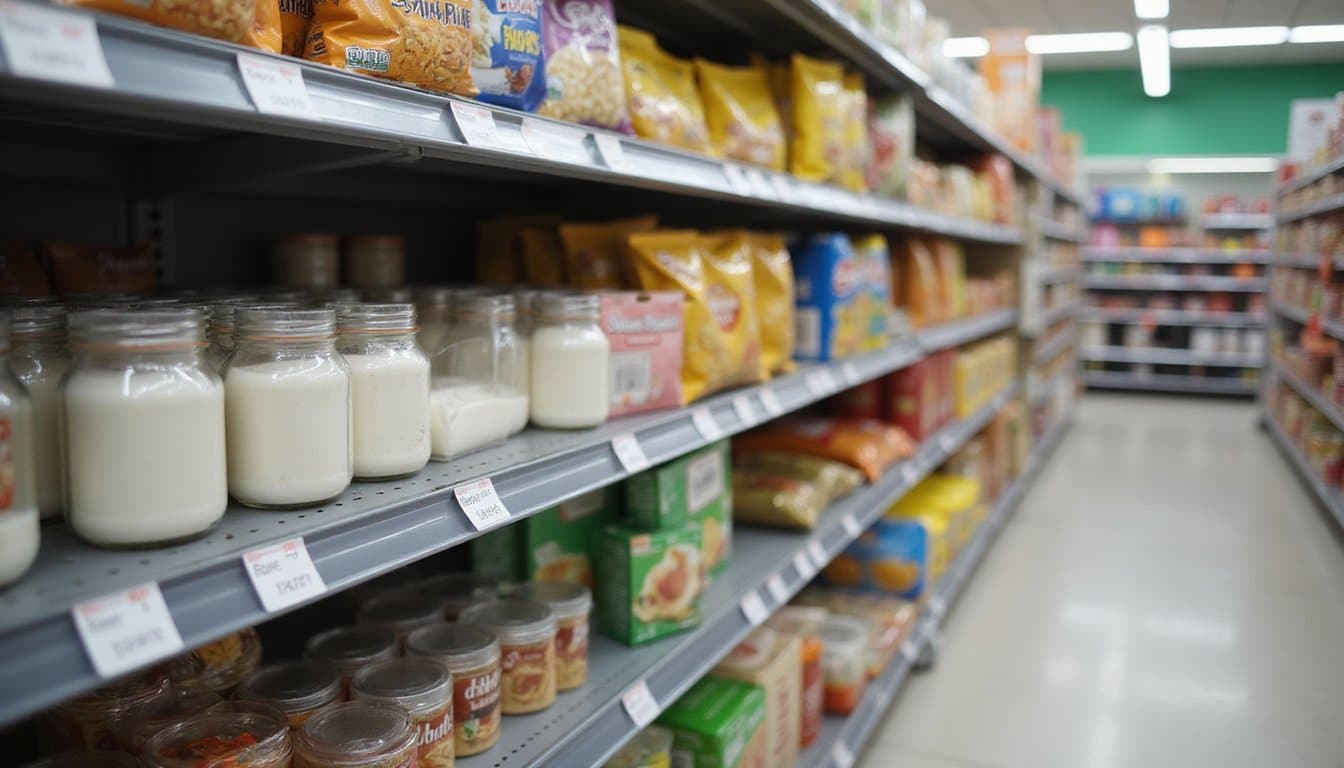
Among the most widely purchased gas station drugs are products sold under names like Tianaa, Zaza, Neptune’s Fix, Pegasus, and TD Red. These convenience store drugs are typically marketed as dietary supplements, energy shots, or cognitive enhancers despite containing potent psychoactive compounds. You’ll find them in brightly colored packaging designed to appear harmless on retail shelves. The presence of hidden narcotics in gas stations raises significant concerns for public health and safety. Many unsuspecting consumers might be unaware that the appealing packaging can conceal dangerous substances that lead to addiction and severe health issues. As awareness increases, authorities are urged to crack down on these illicit products slipping through regulatory cracks.
This retail drug trend in the United States has expanded through gas stations, vape shops, smoke shops, and online retailers that ship nationwide. These over the counter psychoactive substances reach consumers who might never engage with illicit markets. Neptune’s Fix, sold as a flavored elixir, has been linked to reported illnesses, while products like TD Red come in multiple formulas. Each product exploits regulatory gaps that allow distribution without FDA approval.
Kratom and Tianeptine Sales
Convenience has reshaped how Americans encounter potent psychoactive substances, and two compounds now dominate gas station drug sales: kratom and tianeptine. You’ll find both sold under brand names like Zaza, Tianaa, and Neptune’s Fix, marketed as dietary supplements or mood enhancers despite lacking FDA approval. Tianeptine produces opioid-like euphoria at high doses, while kratom products frequently contain 7-OH, a derivative up to 13 times more potent than morphine.
The gas station drug trend thrives because these convenience store substance products bypass traditional pharmaceutical oversight. You’re encountering substances that have driven poison control calls from 27 to 883 over six years for tianeptine alone, while kratom and 7-OH generated 4,233 EMS encounters between January 2023 and April 2025. Testing reveals 93% of kratom products contained undisclosed synthetic opioids.
Why Can Gas Stations Sell Unregulated Drugs?
How do psychoactive substances end up on the same shelves as energy drinks and snack foods? The rise of gas station drugs stems largely from regulatory loopholes in the Dietary Supplement Health and Education Act (DSHEA), which requires no premarket FDA approval for supplements. Gas station supplements exploit this gap, bypassing pharmaceutical oversight entirely. The availability of overthecounter drugs further complicates the issue, as many consumers may not realize these products can contain substances that impact mental health and cognitive function. This blurred line between conventional medicines and less regulated supplements creates potential risks for unsuspecting buyers. As a result, education on the safe use of these substances becomes crucial in preventing misuse and adverse effects.
| Regulatory Factor | Current Status | Impact |
|---|---|---|
| FDA premarket approval | Not required for supplements | Untested products reach shelves |
| Purity/potency standards | No federal guarantee | Consumer safety risks |
| Local enforcement | Primary regulatory authority | Inconsistent oversight |
| Federal scheduling | Lags behind emerging substances | Gray-area legal status |
| Product registries | Largely absent | Tracking sales nearly impossible |
You’re encountering these products because manufacturers bear initial safety responsibility, not regulators.
How Did Tianeptine Become “Gas Station Heroin”?
Tianeptine started out as a legitimate prescription antidepressant, discovered in the 1960s by the French Society of Medical Research and approved across several European countries during the 1980s for treating major depressive disorder. It never received FDA approval in the United States, yet it entered the American market rebranded as a dietary supplement and nootropic.
At high recreational doses, tianeptine stimulates mu-opioid receptors, producing euphoric effects that mimic heroin and morphine. You’ll find users consuming between 1,300 and 10,000 mg daily, far exceeding therapeutic levels prescribed abroad. This opioid-like response earned it the nickname “gas station heroin.” Retail products sold under names like Zaza, Tianaa, and Neptune’s Fix exploited regulatory gaps, making a potent psychoactive compound as accessible as a bottle of water.
Is 7-OH the Most Dangerous Gas Station Drug?
Among the psychoactive products lining gas station shelves, 7-hydroxymitragynine, commonly called 7-OH, stands out as a novel potent opioid that the FDA hasn’t approved for any use. Unlike tianeptine retail products or phenibut supplements, 7-OH has been directly linked to fatal overdoses in otherwise healthy individuals aged 18, 40. Within the emerging retail drug market, it’s sold as tablets, gummies, and liquid shots with inconsistent dosing.
| Factor | 7-OH | Other Smoke Shop Drugs |
|---|---|---|
| Fatal Overdoses Documented | Yes, multiple confirmed deaths | Fewer confirmed fatalities |
| Opioid Classification | Novel potent opioid | Varies by substance |
| FDA Warning Letters Issued | Yes, since July 2025 | Limited enforcement |
Compared to kratom convenience store sales, synthetically concentrated 7-OH carries noticeably higher overdose risk, particularly when combined with alcohol.
What Do Gas Station Drugs Do to Your Body?
Gas station drugs can tear through multiple organ systems in ways most consumers don’t anticipate. Tianeptine, for example, binds to your brain’s opioid receptors, mimicking heroin’s effects at high doses. You might experience euphoria initially, but rapid tolerance buildup drives consumption from a clinical 25, 50mg dose to over 3,000mg daily.
Your cardiovascular system faces tachycardia, hypertension, and prolonged QT intervals. Respiratory depression can slow or stop your breathing entirely, one-third of toxicity cases require intensive care. You’ll also encounter acute symptoms like seizures, agitation, and confusion.
If you develop dependence, withdrawal mirrors severe opioid detox: muscle pain, vomiting, diarrhea, and protracted flu-like distress. These substances don’t appear on routine drug screenings, complicating diagnosis and delaying critical treatment.
Who’s Using Gas Station Drugs and Why?
You might assume gas station drugs attract a narrow demographic, but usage patterns cut across age, income, and geography. Data shows that young adults ages 18, 25 have the highest rates of drug use at 39%, while rural and lower-income populations gravitate toward easily accessible, low-cost substances like tianeptine and inhalants sold at convenience stores. Understanding who’s using these products, and what drives that use, requires examining both the demographic profiles and the specific motivations, from perceived safety to impulse accessibility, that fuel demand.
Demographics and User Profiles
Nearly anyone can walk into a gas station or smoke shop and purchase a psychoactive product without a prescription, age verification, or medical consultation, and the data show that a broad range of people do exactly that.
The demographic patterns reveal distinct trends:
- Young adults (21, 40) account for 57% of gas station heroin, related poison control calls from 2000, 2017.
- Adolescents are increasingly affected, with 11% of U.S. 12th graders reporting delta-8 THC use in 2023.
- Southern U.S. residents show the highest tianeptine exposure rates, reflecting regional availability patterns.
- Eastern states represent 46.6% of kratom/7-OH EMS encounters from 2023, 2025, nearly double western states.
You’ll notice these aren’t fringe populations. They’re everyday consumers encountering potent psychoactive substances in routine retail environments, often without understanding the risks involved.
Motivations Behind Use
Most people who reach for a gas station psychoactive product aren’t doing so randomly, they’re driven by specific, identifiable motivations that range from managing untreated pain to chasing euphoria to simply avoiding the withdrawal symptoms that prior use has already locked in.
You might start using tianeptine after losing a hydrocodone prescription, escalating from small doses to grams daily. The short-lived euphoria reinforces continued intake, while severe withdrawal, often described as worse than opioid withdrawal, makes stopping feel impossible. Anxiety, muscle pain, sweating, and gastrointestinal distress keep you locked in a cycle of repeated dosing.
Mental health needs also drive use. If you’re battling untreated depression, these products’ marketing as safe supplements or nootropics can seem like a reasonable solution. Legal availability at convenience stores reinforces the dangerous perception that they’re harmless.
Which States Have Banned Gas Station Drugs?
As public health concerns over gas station drugs have intensified, a growing number of states have moved to restrict or ban specific substances sold in retail settings. Tianeptine, often called “gas station heroin,” has faced the most widespread legislative action. You’ll find bans already enacted in Alabama, Florida, Georgia, Indiana, Kentucky, Michigan, Mississippi, Ohio, and Tennessee. Six states have banned kratom outright.
Several jurisdictions are pursuing additional restrictions:
- South Dakota’s House Bill 1162 adds tianeptine to Schedule I.
- Washington’s Senate Bill 6287 bans synthesized kratom and restricts the plant form to adults 21 and older.
- New Jersey’s bill classifies 7-OH as Schedule I, with up to 10 years’ imprisonment for repeat sales.
- Arizona’s legislation pushes felony charges for sales to minors involving kratom and 7-OH.
How to Protect Yourself and Others From Gas Station Drugs
While state-level bans and FDA enforcement actions have begun to curb the availability of certain gas station drugs, individual awareness remains a critical line of defense. You should verify FDA approval seals on any product packaging before purchase and recognize that items marketed as dietary or brain supplements may contain unapproved psychoactive compounds.
Healthcare providers can help you identify evidence-based alternatives for managing depression, anxiety, or pain rather than relying on unregulated products. If you’re taking medications, consult your provider about potential adverse interactions.
You should also familiarize yourself with overdose reversal options, including over-the-counter naloxone nasal spray. Community education programs targeting schools and local organizations can further reduce risk by teaching others to recognize deceptive marketing tactics and understand the addiction potential these products carry.
Support Is Just One Call Away
Gas station drugs can be just as addictive and dangerous as illegal substances. At Miami Outpatient Detox, we connect individuals with licensed detox centers offering a full range of Detox Programs to help you take the first step toward recovery. Call (786) 228-8884 today and let us guide you toward the right care.
Frequently Asked Questions
Can Gas Station Drugs Cause a Positive Result on Workplace Drug Tests?
Yes, gas station drugs can cause a positive result on your workplace drug test. Tianeptine, often called “gas station heroin,” shares structural similarities with opioids and may trigger false positives on standard immunoassay screens. However, you shouldn’t panic, GC/MS confirmation testing can distinguish tianeptine from prescribed opioids, resolving most false positives. If you’ve used these products, you’ll want to disclose them before testing so your results aren’t misinterpreted.
Are Gas Station Drug Ingredients Listed Accurately on Product Labels?
No, gas station drug ingredients often aren’t listed accurately on product labels. You’ll find proprietary blends that disclose only total blend weight, hiding individual ingredient amounts under DSHEA regulations. About 40% of popular energy drinks don’t provide quantitative caffeine information, and natural caffeine sources like guarana frequently go unaccounted for. Multi-serving containers can also mislead you about actual dosages. Without FDA pre-approval requirements, you can’t reliably verify what you’re consuming.
Should You Go to the ER After Taking a Gas Station Drug?
You should go to the ER if you experience difficulty breathing, confusion, seizures, or loss of consciousness after taking a gas station drug. Research shows that 34.62% of tianeptine exposure cases resulted in overdose, and about one-third of patients required ICU monitoring. Naloxone reversed symptoms in 17.31% of treated cases, highlighting the importance of emergency intervention. Don’t wait, early treatment drastically improves recovery outcomes.
Can Gas Station Drugs Interact Dangerously With Prescription Medications?
Yes, gas station drugs can interact dangerously with prescription medications. Tianeptine products risk cardiovascular collapse when combined with monoamine oxidase inhibitors and respiratory depression when mixed with opioids. Undeclared sildenafil or tadalafil in gas station ED pills can cause severe hypotension if you’re taking nitrates or alpha-blockers. Phenibut interacts harmfully with anxiolytics, sedatives, and anticonvulsants. Because these products contain unlabeled ingredients with inconsistent potency, you can’t reliably predict how they’ll interact with your prescriptions.
Are Online-Purchased Gas Station Drugs Safer Than In-Store Versions?
No, online-purchased gas station drugs aren’t safer than in-store versions, they’re often riskier. You’re facing additional dangers like counterfeit products, inaccurate ingredient concentrations, and substituted substances. Research shows approximately 95% of websites selling such products operate illegally, and 25% of drugs from questionable online sources fail quality testing. You also can’t verify storage conditions, purity levels, or authentic labeling. Without regulatory oversight, you’re fundamentally trusting unverified sellers with your health.