
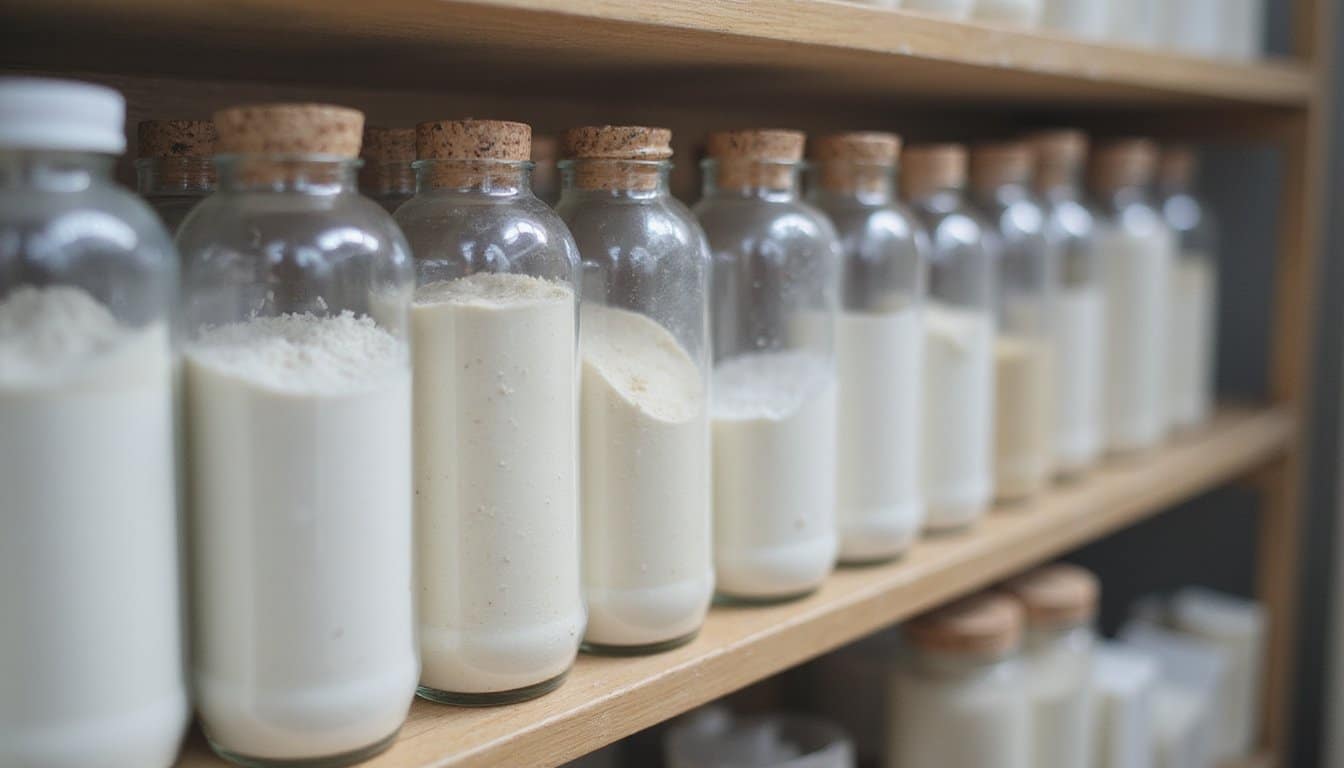
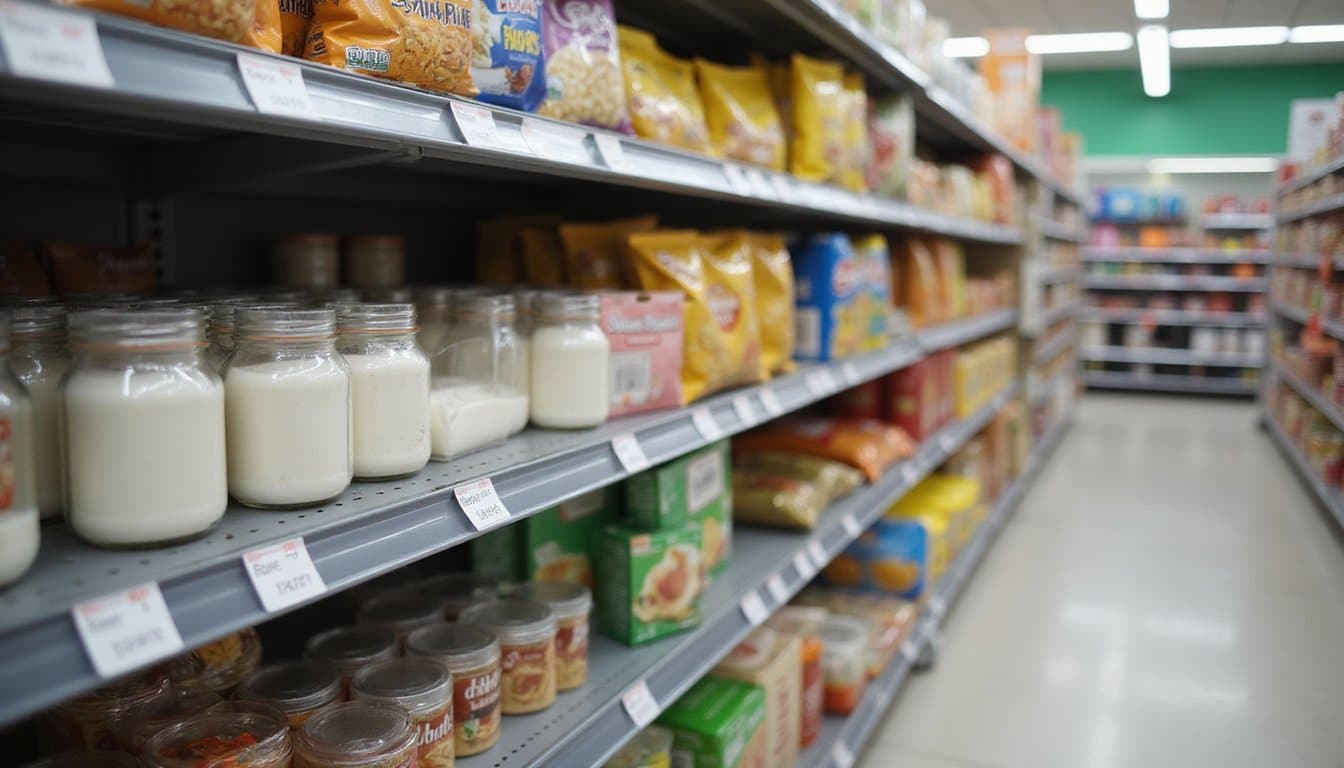
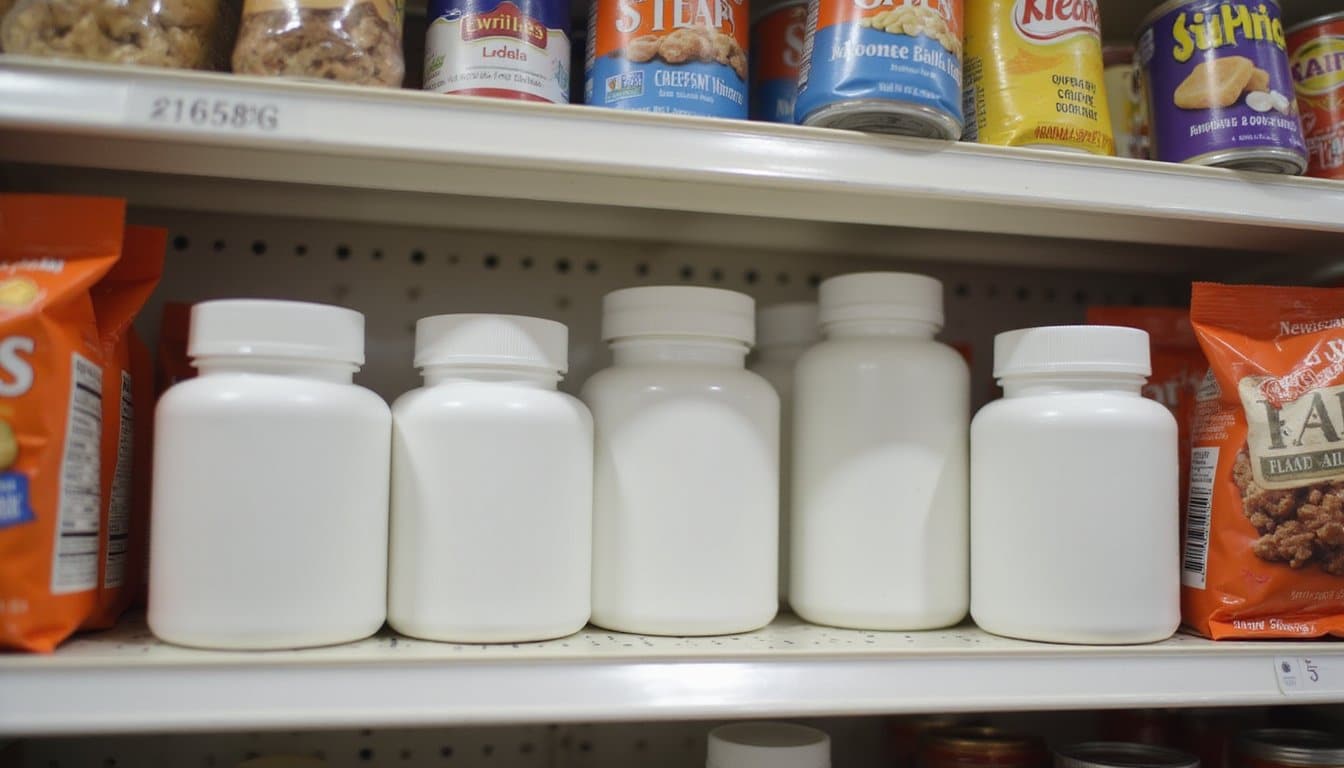

Gas station drugs reach retail shelves because DSHEA doesn’t require FDA pre-market approval for products labeled as dietary supplements. Manufacturers exploit this regulatory gap by marketing psychoactive compounds, like tianeptine, kratom, and delta-8 THC, as “mood enhancers” or “wellness aids,” bypassing pharmacy distribution entirely. You’ll find them packaged alongside candy and energy drinks, targeting younger consumers who assume they’re safe. Understanding how each substance works and which states have responded can help you recognize the real risks involved. The presence of hidden substances at gas stations raises further concerns about consumer safety. As these products gain popularity, it’s crucial to educate the public on the potential side effects and legal ambiguities surrounding their sale. Vigilance is necessary, not only from regulatory bodies but also from consumers who may unknowingly ingest these unregulated substances.
What Are Gas Station Drugs, and What’s in Them?
Gas station drugs are unregulated psychoactive substances sold at gas stations, convenience stores, smoke shops, and vape shops, typically marketed as dietary supplements, mood enhancers, or wellness aids without FDA approval. These products include synthetic and naturally derived compounds that mimic the pharmacological effects of controlled substances. You’ll find them packaged attractively alongside candy, energy drinks, and lottery tickets. These products are often targeted at teenagers and young adults who perceive them as safe simply because they are sold in familiar retail settings.
Common examples include kratom, which binds opioid receptors via 7-hydroxymitragynine; delta-8 THC, a synthetically concentrated cannabinoid sold as gummies, vapes, and tinctures; and phenibut, a GABAergic compound with benzodiazepine-like activity. Another notable example is tianeptine, a nootropic substance sometimes referred to as gas station heroin due to its opioid-like effects and growing misuse potential. You should understand that despite their legal availability, these substances carry documented risks of addiction, overdose, and withdrawal. Their unregulated status doesn’t reflect safety, it reflects regulatory gaps that manufacturers exploit through supplement-style branding and novel ingredient formulations. Many of these products may also contain undisclosed ingredients and make misleading claims about their benefits, further compounding the danger to unsuspecting consumers.
Why Tianeptine Became “Gas Station Heroin”
Tianeptine activates μ-opioid receptors with potency comparable to traditional opioids, producing euphoria, dopamine release, and physical dependence, yet you can purchase it at a gas station because it’s marketed as a dietary supplement rather than a controlled substance. This regulatory gap exists because tianeptine lacks FDA approval for any medical use in the U.S., while also remaining unscheduled at the federal level, allowing manufacturers to bypass both pharmacy distribution networks and pre-market approval requirements. Products like Zaza, Tianaa, and Neptune’s Fix exploit this loophole by branding a potent opioid agonist as a cognitive enhancer or wellness supplement, obscuring the fact that recreational doses can reach 3,000, 10,000 mg daily, up to 250 times the therapeutic dose prescribed abroad.
Opioid Effects Without Prescription
Unlike most antidepressants, which block serotonin or norepinephrine reuptake, tianeptine acts as a full mu-opioid receptor agonist and a weak delta-opioid receptor agonist, a pharmacological profile that directly explains its street name, “gas station heroin.” At therapeutic doses of 25, 50 mg per day, its opioid activity remains modest enough to treat depression without producing significant euphoria.
However, recreational doses escalate to 3,000 mg per day, activating mu-opioid and dopaminergic reward pathways. Among psychoactive products in gas stations, tianeptine stands out because it produces:
- Euphoria through mu-opioid-triggered dopamine release, mimicking classical opioid highs
- Dependence evidenced in 16 of 18 case reports showing dose escalation and tolerance
- Withdrawal syndromes including anxiety, muscle pain, and chills, observed in 42.31% of documented cases
Legal Loophole Exploitation
Third, brand proliferation through names like Zaza and Neptune’s Fix obscures product tracking. These unregulated retail substances operate in enforcement blind spots where FDA advisories lack removal authority and retailers claim supplement-category protection to justify sales without pharmaceutical licensing.
Misleading Supplement Marketing
Because the FDA has explicitly stated that tianeptine doesn’t meet the statutory definition of a dietary ingredient, companies marketing it as a supplement are operating in direct contradiction to federal guidance. You’ll find these gas station pill products branded as nootropics, mood enhancers, or cognitive boosters, labels designed to circumvent pharmaceutical classification requirements.
This deceptive positioning exploits three specific mechanisms:
- Supplement-style labeling bypasses FDA pre-market approval, allowing tianeptine into retail channels without efficacy or safety review.
- “Not for human consumption” disclaimers create legal insulation while products remain accessible to general consumers.
- Branding under names like Za Za Red, Tianaa, and Neptune’s Fix obscures the active ingredient’s opioid-mimicking pharmacology.
You’re encountering a substance linked to seizures, rapid tolerance escalation, and death, marketed alongside energy drinks.
Gas Station Drug Health Risks You Need to Know
Although products like ZaZa Red, Tianaa, and Neptune’s Fix carry supplement-style branding, they deliver tianeptine, a tricyclic compound that activates mu-opioid receptors at high doses, triggering acute toxicity profiles that mirror traditional opioid overdose. Poison control exposures surged 525% between 2018 and 2023, with 40% of recent cases requiring medical intervention and over half reaching critical severity.
Understanding why gas stations sell drugs clarifies the exposure pathway: regulatory gaps permit tianeptine’s retail distribution despite FDA warnings. Clinically, acute ingestion produces respiratory depression, tachycardia, prolonged QT intervals, seizures, coma, and death. Recreational dosing exceeds 3,000mg daily, sixty times the therapeutic range, accelerating tolerance and opioid-pattern dependence. Abrupt cessation precipitates withdrawal requiring intensive care in one-third of documented Virginia Poison Center cases.
How Gas Station Drugs Exploit a Supplement Loophole
When Congress passed the Dietary Supplement Health and Education Act (DSHEA) in 1994, it carved supplements out of the Food, Drug, and Cosmetic Act’s pre-market approval framework, creating the regulatory gap that gas station drug manufacturers now exploit.
Under DSHEA, you’ll find three structural vulnerabilities enabling legal supplement sales retail distribution:
- No pre-market FDA approval, manufacturers self-certify safety and introduce new dietary ingredients without FDA data review, requiring only a 75-day notification.
- Post-market enforcement barriers, FDA must prove significant injury risk before removing products, and voluntary recall requests carry no mandatory compliance mechanism.
- Small-scale distribution evasion, gas station sales bypass federal radar since local departments, not FDA, regulate these retail outlets.
This framework lets psychoactive substances like tianeptine reach consumers disguised as supplements.
Which States Have Banned Gas Station Drugs?
If you’re tracking which states have moved to ban gas station drugs, the landscape is shifting rapidly, six states impose full kratom bans, seven prohibit 7-hydroxymitragynine (7-OH) products, and 18 additional states enforce some form of regulatory restriction on these substances. You’ll find that states like Indiana, Alabama, and Wisconsin have enacted outright prohibitions, while others like New Jersey and Washington are advancing legislation that reclassifies 7-OH as a Schedule I substance or restricts synthesized kratom sales to adults 21 and older. Where these bans have taken effect, poison control data indicates measurable reductions in exposure calls, demonstrating that restricting retail access through legislative mechanisms directly disrupts the supply chain driving gas station drug availability. As lawmakers continue to navigate the legal consequences of gas station sales, it becomes essential to consider how these restrictions affect consumer behavior and public health. Simultaneously, advocates argue that a more nuanced approach may be necessary to balance access and safety, particularly in communities disproportionately impacted by substance misuse. The rise of streetlevel narcotics has further complicated this landscape, as new substances enter the market and often evade existing regulations. Lawmakers are now faced with the challenge of addressing not only the proliferation of these drugs but also the underlying social issues that contribute to their use. This shift underscores the importance of developing comprehensive strategies that incorporate education, prevention, and treatment to effectively combat the growing crisis.
State-by-State Ban Tracker
Because gas station drug regulations vary dramatically across jurisdictions, tracking which states have enacted bans, and what those bans actually cover, requires parsing a patchwork of legislative actions, attorney general directives, and local ordinances. Understanding why drugs are sold in gas stations starts with recognizing these regulatory gaps.
- Outright state bans: Six states banned kratom entirely before 2026. New Jersey’s December 4 bill classifies 7-OH as a Schedule I substance, with first-offense sale convictions carrying up to 18 months imprisonment.
- Attorney general directives: Arizona and Georgia AGs issued consumer alerts targeting 7-OH, kratom, and synthetic opioids. Arizona’s seeking felony upgrades for sales involving minors.
- Local ordinances: Kansas City’s Ordinance 251028 proposes banning tianeptine, kratom, 7-OH, Delta-8, Delta-9 THC, and nitrous oxide, though it’s stalled in committee since February 4, 2026.
Bans Reducing Poison Calls
Although 7-OH remains unscheduled under the federal Controlled Substances Act, at least seven states and Washington D.C. have enacted outright bans, and the public health data suggests these legislative actions directly correlate with measurable reductions in poison control center call volumes. When you examine why smoke shops sell drug-like products, you’ll find regulatory gaps that allow psychoactive substances to reach consumers through supplement-style branding. States implementing complete bans effectively eliminate this retail pathway, removing the commercial incentive driving distribution. The CDC’s documentation of over 2,000 kratom-related deaths across five years underscores the urgency. You can track a consistent pattern: jurisdictions that close scheduling loopholes report fewer emergency exposures. These outcomes demonstrate that targeted legislative mechanisms produce quantifiable public health improvements when enforcement accompanies prohibition.
How to Spot Gas Station Drugs and Get Help
How can you distinguish a legitimate supplement from an unregulated psychoactive drug sitting on a gas station shelf? Convenience store mood pills often share identifiable characteristics that signal risk.
- Branding mimics supplements: Products like Tianaa, Zaza, and Neptune’s Fix use brightly colored bottles marketed as energy shots or cognitive enhancers, despite containing unapproved opioid-receptor agonists with no FDA oversight.
- Variable and undisclosed contents: Liquid formulations contain concentrations 1.3 to 250 times higher than labeled foreign doses, sometimes including synthetic cannabinoids alongside advertised ingredients.
- Escalating potency profiles: Product strength increases over time, compounding overdose risk, 34.62% of reported cases involved overdose events.
If you’ve experienced adverse effects, contact your regional poison control center immediately. Treatment-supported recovery occurs in 82.69% of documented cases.
Support Is Just One Call Away
Gas station drugs can be just as addictive and dangerous as illegal substances. At Miami Outpatient Detox, we connect individuals with licensed detox centers offering a full range of Detox Programs to help you take the first step toward recovery. Call (786) 228-8884 today and let us guide you toward the right care.
Frequently Asked Questions
Can Gas Station Drug Purchases Be Traced Back to the Buyer?
No, your gas station drug purchases generally can’t be traced back to you. These transactions require no prescription, ID, or buyer registration. Cash payments dominate, eliminating digital payment trails. Products sit openly on shelves without purchaser documentation. Even FDA’s MedWatch adverse event reporting focuses on product origin, lot numbers, labels, store addresses, rather than individual buyer identification. Law enforcement encounters these substances without routine buyer linkage, making purchase anonymity a built-in feature of this distribution channel.
Do Gas Station Owners Face Legal Liability for Selling These Products?
Yes, you can face significant legal liability. If you sell products the FDA classifies as misbranded or adulterated drugs under the FD&C Act, you’re exposed to criminal charges, fines, and asset forfeiture. Prosecutors have secured prison sentences up to two years and forfeitures exceeding $1.8 million in tianeptine cases. Even in states with explicit bans, enforcement gaps persist, but you shouldn’t confuse delayed enforcement with legal protection, as postmarket actions can still target sellers retroactively.
Why Don’t Credit Card Companies Flag Transactions for Known Gas Station Drugs?
Credit card companies don’t flag these transactions because the products are sold as legal supplements, not controlled substances. Your purchase registers identically to an energy drink or snack in point-of-sale systems. With over 1,100 daily visitors per store across 152,396 U.S. convenience stores, transaction volume overwhelms pattern detection. There’s no federal mandate requiring payment processors to monitor unregulated supplement sales, and rapid rebranding further obscures product-specific tracking.
Are Gas Station Drugs More Potent Than Their Prescription Counterparts Abroad?
Yes, they’re vastly more potent. When you consume gas station tianeptine, you’re ingesting doses up to 250 times the foreign therapeutic standard of 37.5 mg daily. At these concentrations, tianeptine’s pharmacology shifts, it activates mu-opioid receptors, producing euphoria absent at prescribed levels. Unregulated manufacturers deliberately concentrate formulations to maximize opioid-receptor binding, transforming a mood-stabilizing antidepressant into a recreational opioid mimic without pharmaceutical-grade quality control or standardized potency verification.
How Do Gas Station Drug Manufacturers Avoid FDA Enforcement Actions so Effectively?
You’ll find manufacturers exploit DSHEA’s framework, which shifts the burden to the FDA to prove harm after market entry rather than requiring pre-approval. They classify products as dietary supplements, reformulate ingredients rapidly to sidestep emerging bans, and source internationally to complicate traceability. The FDA can’t effectively monitor over 150,000 convenience stores, so reactive enforcement, triggered only by documented adverse events, lets small-batch producers operate largely undetected between enforcement cycles.