

Gas station drugs are unregulated synthetic or plant-derived substances you’ll find at convenience stores, smoke shops, and online retailers, sold without FDA approval under appealing brand names. They’ve surged alongside consumer demand for legal highs and pain relief alternatives, occupying a legal gray area that makes them feel safe. Between January 2023 and April 2025, EMS teams responded to over 4,200 kratom and 7-OH encounters nationwide. Understanding how these products drive addiction and why regulation lags can help you assess the real risks involved. The presence of overthecounter substances at gas stations has made access to these products even easier for consumers. This accessibility often leads to misuse and an increase in health risks, as users may underestimate their potency. Moreover, the lack of regulation means that many of these substances can contain harmful contaminants that pose serious dangers to unsuspecting buyers.
What Are Gas Station Drugs and Why Are They Everywhere?
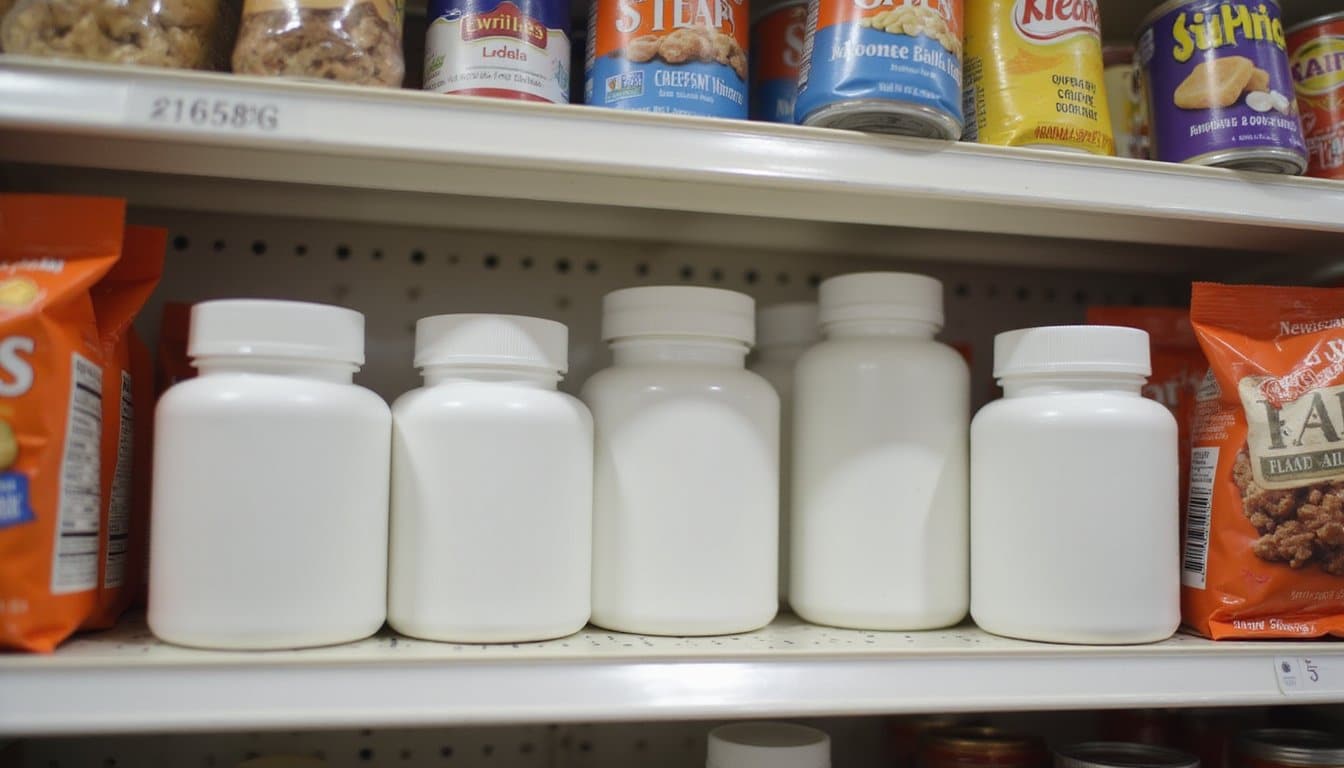
Gas station drugs are unregulated synthetic or plant-derived substances sold at convenience stores, gas stations, smoke shops, vape shops, and online retailers without FDA approval. You’ll find them marketed under appealing brand names like ZaZa, Neptune’s Fix, Pegasus, and Tianaa, packaged to resemble dietary supplements or nootropics. Many of these products may contain undisclosed ingredients and make misleading claims about their benefits and safety.
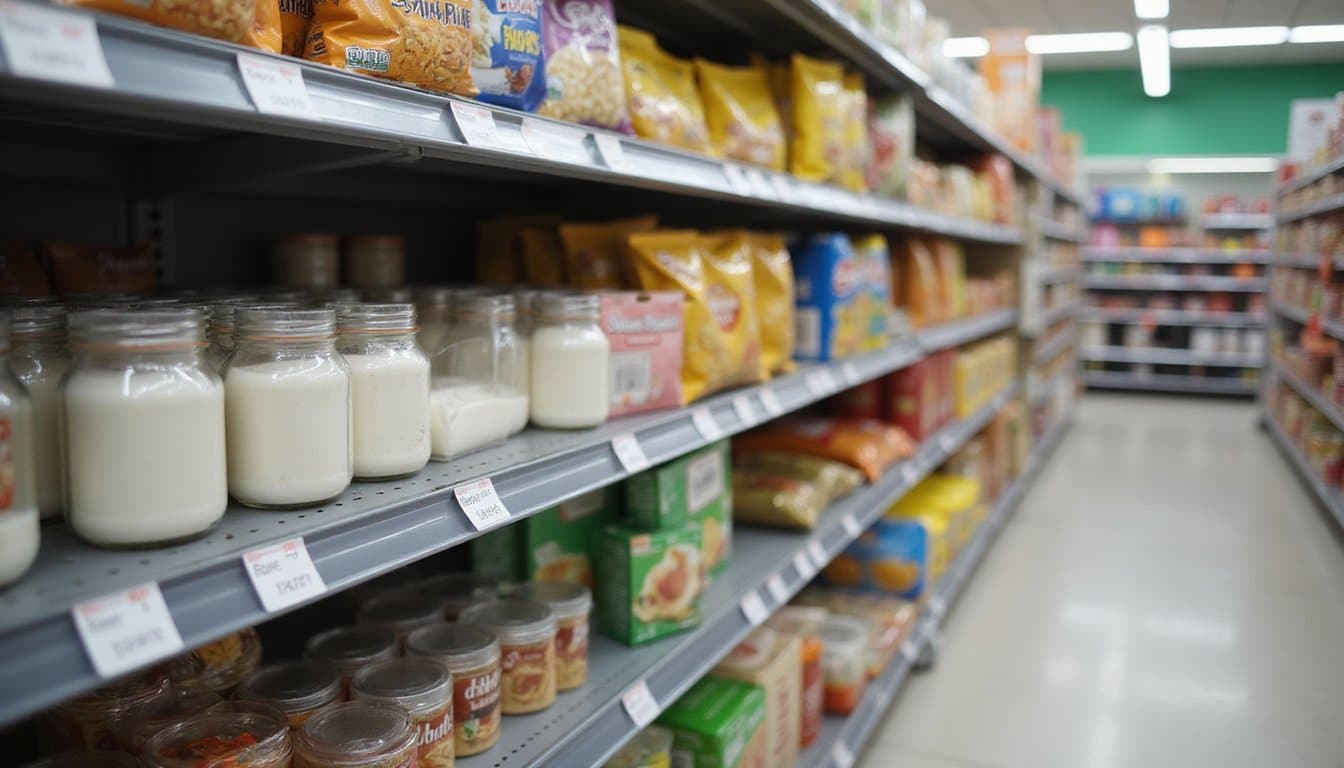
The gas station drug trend has accelerated alongside growing consumer interest in legal highs, mood enhancement, and pain relief alternatives. These products occupy a legal gray area, often not federally controlled but increasingly banned at the state level. The convenience store substance trend thrives because familiar retail settings create perceived safety and social acceptability. You’re encountering substances with documented addiction potential and serious health risks sold alongside everyday items, which masks their true danger. These products are frequently advertised on the windows of mini marts and smoke shops, specifically targeting teenage and young adult consumers who perceive them as safe due to their retail availability. Tianeptine, commonly known as “gas station heroin,” is one such product that has drawn increasing alarm as exposures reported to the National Poison Data System rose significantly between 2000 and 2017. As concerns over gas station heroin controversies explained continue to grow, public health officials are urging stricter regulations on the sale of these substances. Many are advocating for educational campaigns aimed at young consumers to raise awareness about the risks associated with these drugs. The ambiguity surrounding their legality contributes to a false sense of security that ultimately endangers public health.
How Gas Station Opioids Like 7-OH Cause Addiction
Because 7-hydroxymitragynine (7-OH) binds to mu-opioid receptors with potency exceeding morphine, it triggers the same neurochemical cascade that drives addiction to prescription opioids and heroin. At low doses, you experience euphoria and sedation that mirror strong opioids, reinforcing repeated use. The gas station heroin trend accelerates dependence because product potency varies widely, forcing unpredictable receptor activation and faster tolerance buildup.
As tolerance develops, you need escalating doses to recreate initial effects, deepening physical dependence. Abrupt cessation produces opioid-like withdrawal, restlessness, vomiting, insomnia, and seizures, often requiring ICU-level intervention. The accessibility of gas station drugs in America compounds these risks. You can purchase concentrated 7-OH in energy shots, gummies, and vapes without dosing guidance, making unintentional overdose and respiratory depression persistent dangers. The opioid crisis impact in the United States has exacerbated these challenges, as more individuals turn to easily accessible substances to cope with addiction. This situation is further complicated by the lack of comprehensive education surrounding the dangers of mixing such substances with opioids, leading to a heightened risk of overdose. As policymakers grapple with these ongoing issues, the urgent need for effective interventions and support systems becomes increasingly clear.
Who’s Buying Gas Station Drugs and What It Costs Them?
While these products line the shelves of everyday retail outlets, the people reaching for them follow a distinct demographic pattern. You’ll find primary users aged 21 to 40, though the FDA has flagged significant risks to youth. This retail supplement trend puts potent substances within arm’s reach of vulnerable populations.
The costs extend far beyond the price tag. In 2024, one-third of Virginia Poison Center patients required ICU admission for toxicity or withdrawal. Nationwide, EMS teams responded to 4,233 kratom and 7-OH encounters between January 2023 and April 2025, with eastern states accounting for 46.6% of cases. The growing trend of gas station drugs drives hospitalizations, poison center calls spiking since 2016, and emergency interventions that strain healthcare systems you ultimately help fund.
Why Banning Gas Station Opioids Takes So Long
Several overlapping regulatory failures explain why tianeptine products like Zaza, Tianaa, and Pegasus remain on shelves despite documented overdoses, poison center surges, and at least one confirmed death. The FDA doesn’t preapprove supplement ingredients, allowing manufacturers to exploit the emerging psychoactive product market by labeling tianeptine as cognitive enhancement. Federal legislation faces gridlock, while state bans create patchwork enforcement that doesn’t stop interstate online sales.
| Regulatory Approach | Key Limitation |
|---|---|
| FDA advisories | No enforcement mechanism |
| Federal scheduling bills | Congressional delays |
| State-level bans | Inconsistent jurisdiction coverage |
| Bipartisan legislation (2024) | Requires House-Senate coordination |
This supplement misuse trend persists because manufacturers relocate operations to unregulated states, outpacing legislative responses.
How to Recognize Gas Station Drugs and Get Help
Recognizing gas station drug use early can prevent a crisis, yet many people overlook the warning signs because these products sit on retail shelves beside ordinary supplements. The legal high trend united states has normalized purchasing psychoactive substances at convenience stores, making detection harder.
Watch for these key indicators:
- Frequent, unexplained trips to gas stations or smoke shops
- Constricted pupils, drowsiness, or slowed breathing
- Severe mood swings, anxiety, or depression between doses
- Inability to function without taking capsules or powder every few hours
The smoke shop drug trend means withdrawal can mirror opioid dependence, requiring medical detox. If you observe blue lips, unresponsiveness, or stopped breathing, call 911 immediately. Administer naloxone if available. Contact poison control at 1-800-222-1222 for guidance.
Support Is Just One Call Away
Gas station drugs can be just as addictive and dangerous as illegal substances. At Miami Outpatient Detox, we connect individuals with licensed detox centers offering a full range of Detox Programs to help you take the first step toward recovery. Call (786) 228-8884 today and let us guide you toward the right care.
Frequently Asked Questions
Can Gas Station Drugs Show up on a Standard Workplace Drug Test?
Yes, some gas station drugs can trigger positive results on a standard workplace drug test. If you’re using tianeptine, it may cross-react with opioid panels due to its similar pharmacological effects. Synthetic products sold at gas stations can also contain amphetamine-like compounds that standard screens detect. However, many of these substances aren’t explicitly targeted by DOT-mandated panels, so detection depends on the specific product’s composition and the test’s sensitivity.
Are Gas Station Drug Products Legal to Order Online in Every State?
No, you can’t legally order gas station drug products online in every state. At least 11 states have banned tianeptine, and seven states classify kratom as a Schedule I substance. While federal law doesn’t uniformly prohibit online sales, state-level bans apply to purchases within those jurisdictions. You’ll need to check your state’s specific regulations, as legality differs considerably depending on the substance and where you live.
Do Gas Station Drugs Interact Dangerously With Alcohol or Prescription Medications?
Yes, gas station drugs can interact dangerously with both alcohol and prescription medications. Tianeptine’s opioid-like effects heighten overdose risk when you combine it with alcohol, while kratom’s sedative properties amplify respiratory depression. Delta-8 THC greatly intensifies alcohol-related impairment. You’re facing unpredictable synergistic harms because these products lack standardized dosing. Given that alcohol contributes to over 22% of prescription opioid overdoses, adding unregulated substances compounds your risk tremendously.
Can Emergency Rooms Effectively Treat a Gas Station Drug Overdose?
Yes, emergency rooms can treat gas station drug overdoses, but they face significant challenges. You should know that substances like tianeptine often aren’t detected on standard drug screens, complicating diagnosis. About one-third of tianeptine patients require ICU-level monitoring for toxicity or withdrawal. ERs treated over 967,615 nonfatal overdoses in 2017 alone, and they’re increasingly initiating medication-assisted treatment. However, you’ll get better outcomes if you disclose exactly what you’ve taken.
Are Gas Station Drug Manufacturers Held Legally Liable for Consumer Harm?
You’ll find that manufacturers of gas station drugs rarely face meaningful legal liability for consumer harm. Because many products are marketed as supplements or “not for human consumption,” they exploit regulatory gaps that shield them from standard pharmaceutical accountability. You can pursue product liability claims, but proving negligence or defective manufacturing remains difficult without clear regulatory standards. Enforcement typically falls to the FDA or state agencies, which often lack resources to act proactively.