






Concerta and Ritalin both contain methylphenidate, but their release mechanisms determine your coverage window. Concerta‘s OROS system releases 22% immediately, then delivers the remaining 78% over 10-12 hours through osmotic pressure. Ritalin LA uses dual-bead technology, 50% releases within an hour, with another 50% activating four hours later for 8-10 hour coverage. Ritalin IR only lasts 2-4 hours, requiring multiple daily doses. Understanding these pharmacokinetic differences helps you match symptom control to your schedule.
Concerta and Ritalin: Same Ingredient, Different Delivery
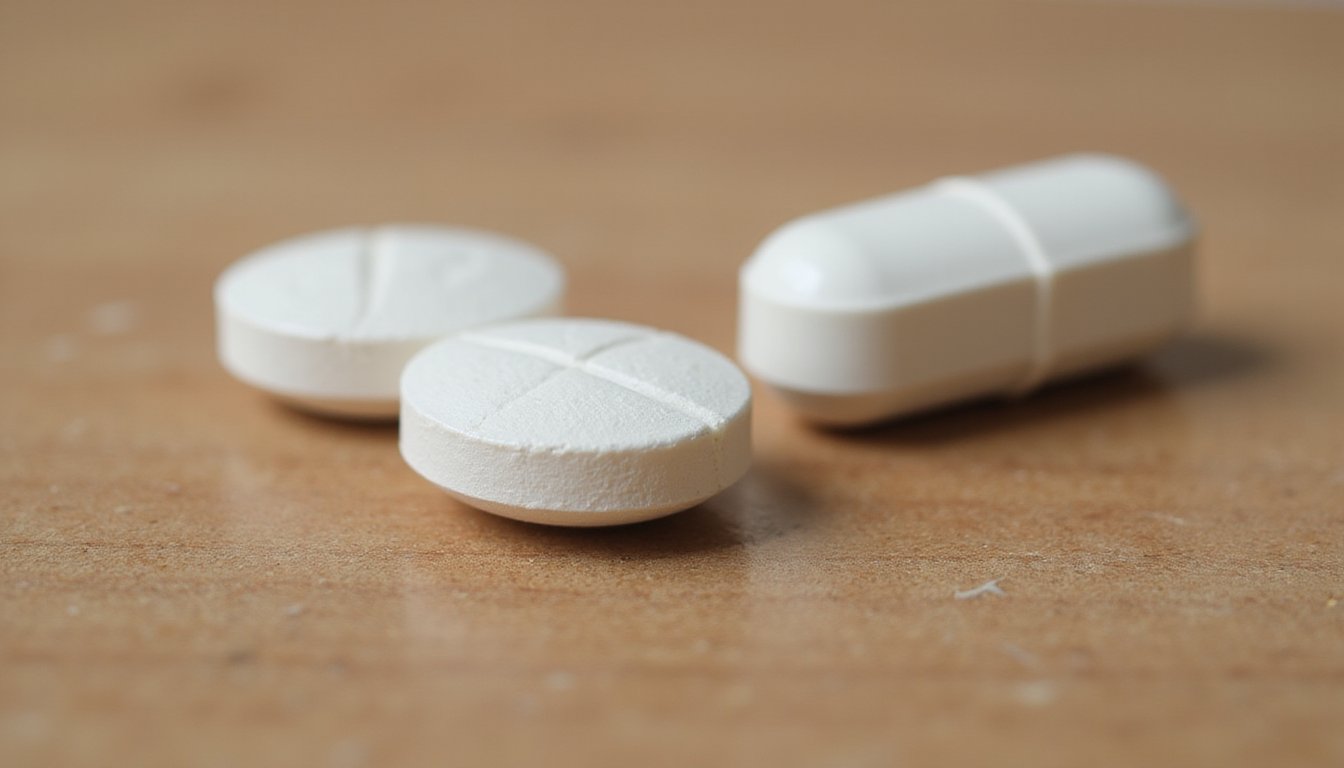
Concerta and Ritalin both contain methylphenidate hydrochloride, a Schedule II controlled substance that blocks dopamine and norepinephrine reuptake in the brain. This shared active ingredient means you’re receiving identical pharmacological effects regardless of which extended release stimulants you choose.
The critical distinction lies in controlled drug release technology. When comparing methylphenidate osm vs er formulations, Concerta extended release uses OROS osmotic delivery for steady medication flow. Ritalin XR vs Concerta comparisons reveal different release patterns despite equivalent compounds. This difference in delivery mechanism allows Concerta to release methylphenidate gradually over 10-12 hours, while immediate-release Ritalin lasts only 3-4 hours. Ritalin LA offers an intermediate option, providing up to 8-10 hours of symptom control from a single morning dose.
Understanding concerta release time helps optimize your dosing schedule. Methylphenidate er vs Concerta decisions depend on whether you need flexible dosing or all-day coverage. Neither medication is inherently stronger, both enhance attention through the same neurotransmitter mechanisms targeting dopamine and norepinephrine systems. However, Concerta is not appropriate for children under 6 or adults over 65, which may influence your treatment options.
How to Choose Between Concerta and Ritalin Forms
Selecting the right methylphenidate formulation requires matching drug release profiles to your daily symptom coverage needs. When comparing immediate vs extended release options, you’ll find significant differences in dosing frequency and duration of action.
| Formulation | Duration | Dosing Frequency |
|---|---|---|
| Concerta | 12 hours | Once daily |
| Ritalin LA | 8-10 hours | Once daily |
| Ritalin SR | 4-6 hours | Twice daily |
| Ritalin IR | 2-4 hours | 2-3 times daily |
Choose Concerta if you need consistent all-day coverage without midday dosing. Opt for Ritalin LA when you require stronger early-day attention control, clinical data shows superior attention scores (AUC 0-4: -2.48 vs -1.36, p=0.015) compared to equivalent Concerta doses. Consider shorter-acting Ritalin forms when you need flexible, targeted symptom management or experience late-day sleep disruption. Side effects from methylphenidate often disappear within a few weeks of starting the medication. Your doctor will determine the appropriate dosage based on your specific symptoms and how you respond to the medication.
How Concerta Releases Medication Over 12 Hours
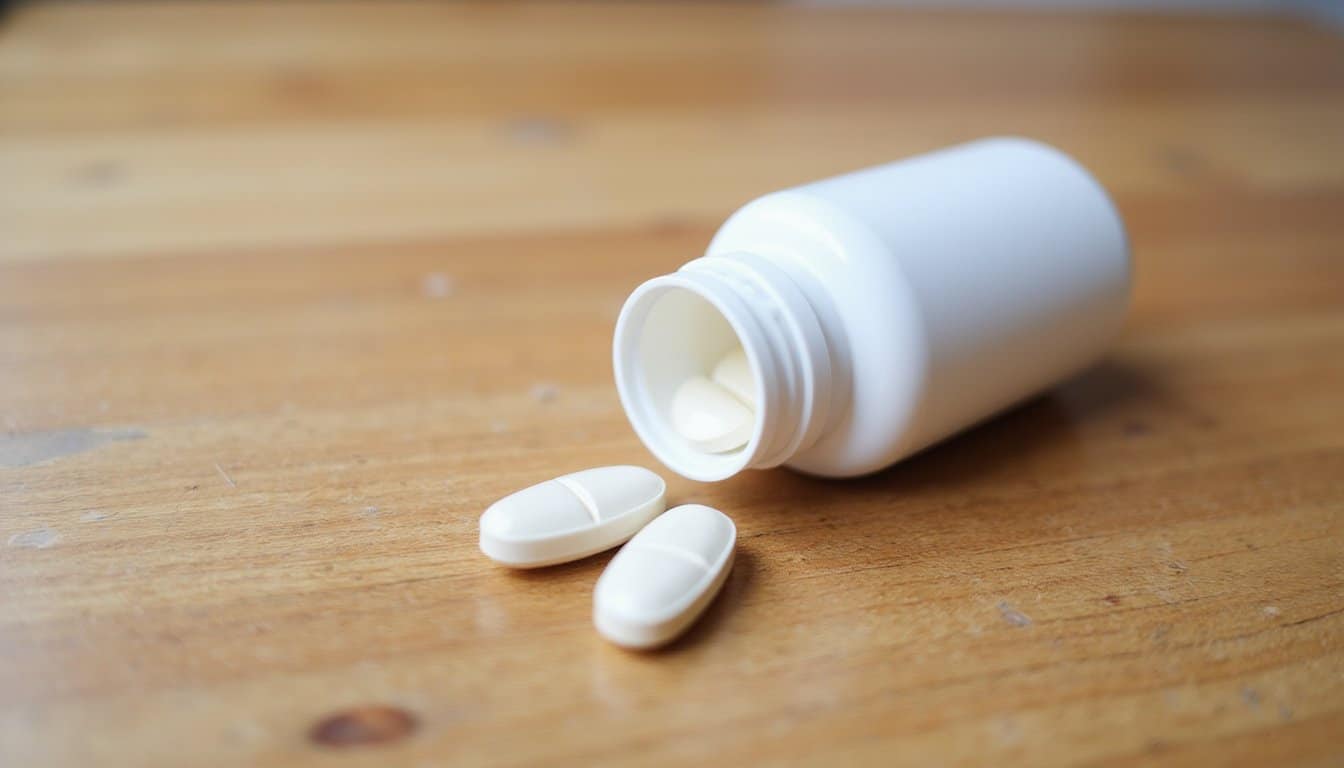
Unlike traditional extended-release tablets that rely on coating erosion, the OROS (Osmotic Controlled-Release Oral Delivery) system in Concerta uses osmotic pressure to push methylphenidate through a laser-drilled orifice at a precisely controlled rate.
When you take Concerta, 22% of the dose releases immediately from the outer coating, producing initial plasma concentrations within one hour. The Concerta OROS technology then activates as water permeates the semipermeable membrane, causing internal polymers to expand. This expansion forces the remaining 78% of methylphenidate through the tablet’s orifice over 6-7 hours.
The result is an ascending plasma concentration profile that peaks between 6-10 hours post-dose. You’ll experience consistent symptom control for 10-12 hours without the peaks and crashes associated with multiple immediate-release doses. This extended duration often means a second booster dose isn’t needed in the afternoon. This steady delivery system is designed to mimic the brain’s natural regulation of neurotransmitters rather than flooding the system all at once. By blocking dopamine and norepinephrine reuptake, Concerta allows more of these essential brain chemicals to remain available for improved signaling between cells involved in executive function. Don’t crush or chew the tablet, this destroys the delivery mechanism.
Ritalin LA vs Ritalin IR: Duration, Dosing, and Coverage
Because Ritalin IR releases methylphenidate immediately upon ingestion, its effects peak within 1-2 hours and last only 2-4 hours, requiring multiple daily doses to maintain therapeutic coverage.
Ritalin LA eliminates midday dosing through its dual-bead technology, 50% immediate-release beads activate within 30-60 minutes while 50% delayed-release beads deliver a second pulse approximately 4 hours later. This mechanism extends coverage to 6-10 hours with once-daily morning administration. This biphasic absorption pattern produces two distinct peak plasma concentrations that mimic the pharmacokinetics of taking immediate-release methylphenidate twice daily.
| Feature | Ritalin IR | Ritalin LA |
|---|---|---|
| Onset | 20-60 minutes | 30-60 minutes |
| Duration | 2-4 hours | 6-10 hours |
| Dosing | Multiple daily | Once daily |
When switching between formulations, Ritalin IR 10 mg twice daily generally converts to Ritalin LA 20 mg once daily, though individual dose adjustments remain necessary based on clinical response. If the medication is not providing adequate symptom control or side effects such as trouble sleeping and headaches become problematic, patients should contact their doctor to discuss potential adjustments. For patients requiring even longer coverage, Concerta provides an 8-10 hour half-life that may better accommodate careers demanding all-day focus.
Concerta vs Ritalin LA: Hour-by-Hour Breakdown
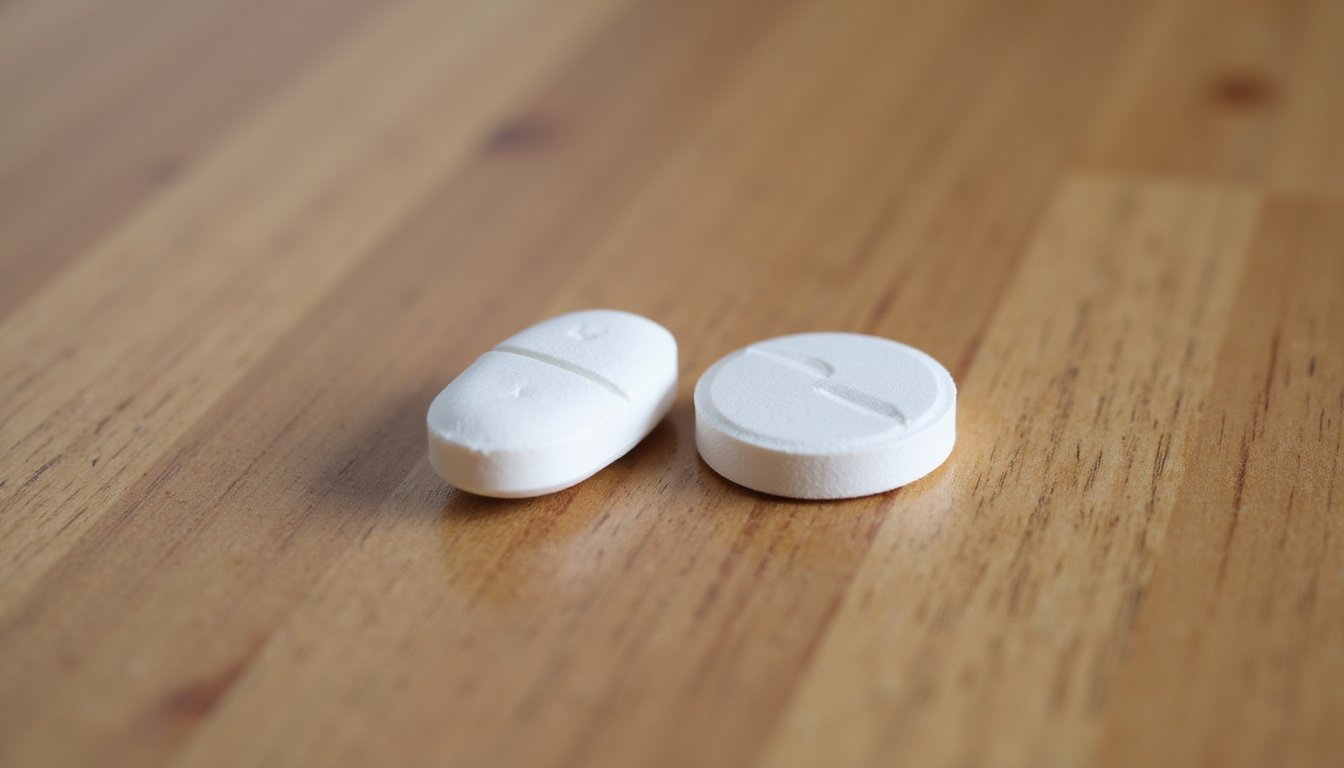
When you’re comparing Concerta to Ritalin LA, you’ll notice distinct differences in how quickly each medication takes effect and how long it maintains coverage. Ritalin LA’s biphasic release delivers a stronger early morning effect within the first 4 hours, while Concerta’s osmotic system builds gradually but sustains therapeutic levels for 10-12 hours. Concerta offers the longest duration at 12 hours, making it ideal for those needing all-day symptom management. Both medications work by increasing dopamine and norepinephrine levels in the brain to improve focus and attention. Understanding these hour-by-hour differences helps you match your medication’s peak activity with your most demanding daily tasks.
Early Morning Effect Comparison
For patients who need rapid symptom control in the morning hours, Ritalin LA demonstrates a measurable advantage over Concerta during the first four hours post-dose. When comparing Ritalin LA vs Concerta, SKAMP-Attention scores show Ritalin LA 20mg achieves an AUC(0-4) of -2.48 versus -1.36 for Concerta 18mg (p=0.015) and -1.55 for Concerta 36mg (p=0.043).
Deportment metrics reveal even stronger differences among these long-acting stimulants. Ritalin LA produces an AUC(0-4) of -1.67 compared to Concerta 18mg at -0.28 (p<0.001). Combined SKAMP scores confirm Ritalin LA’s early morning superiority at -2.05 versus Concerta 18mg at -0.78 (p<0.001). Both medications work by blocking dopamine and norepinephrine reuptake in brain regions critical for attention and impulse control.
In the Concerta vs Ritalin ER comparison, you’ll find Ritalin LA’s immediate-release component delivers onset within 30-60 minutes, while Concerta’s osmotic system delays peak therapeutic effects.
Duration and Release Patterns
While Ritalin LA demonstrates stronger early morning efficacy, Concerta’s osmotic pump technology delivers superior duration through its distinctive biphasic release pattern. You’ll experience an initial 22% dose release within the first hour, followed by 78% gradual delivery over nine hours. This design maintains therapeutic blood levels for 10-12 hours.
| Parameter | Concerta | Ritalin LA |
|---|---|---|
| Duration | 10-12 hours | 8-10 hours |
| Peak concentration | 5-8 hours | 4-6 hours |
| Release pattern | Biphasic osmotic | Capsule-based ER |
| Blood level fluctuation | Minimal | Moderate peaks/troughs |
| Midday dosing needed | Rarely | Sometimes |
When comparing methylphenidate formulations, Concerta’s steady-state design produces consistent dopamine elevation, reducing breakthrough symptoms. Ritalin LA’s earlier peak may require afternoon supplementation depending on your symptom coverage needs. Studies show that Concerta (18 mg) had similar overall MPH exposure (AUC) to Ritalin LA (20 mg), despite their different release mechanisms. When comparing methylphenidate formulations in the Concerta vs Ritalin ER discussion, Concerta’s steady-state design produces consistent dopamine elevation, reducing breakthrough symptoms. Ritalin LA’s earlier peak may require afternoon supplementation depending on your symptom coverage needs. Studies show that Concerta (18 mg) had similar overall MPH exposure (AUC) to Ritalin LA (20 mg), despite their different release mechanisms.
Which Works Better for Morning Focus?
Your morning focus depends heavily on how quickly your medication reaches effective blood levels after you take it. Ritalin IR delivers the fastest onset at 20-30 minutes, making it ideal when you need immediate symptom control upon waking, while Concerta‘s 60-120 minute onset means you’ll need to dose earlier to achieve focus by the time your day begins. Ritalin LA falls between these options with a 60-minute onset, offering a once-daily alternative that still provides reasonably prompt morning coverage. Both medications contain the same active ingredient, methylphenidate, but their different release mechanisms create distinct morning performance profiles.
Early Morning Attention Effects
Because Concerta’s osmotic delivery system releases only 22% of its methylphenidate as an initial bolus, you’ll experience a slower morning onset compared to Ritalin LA’s 30% immediate-release component.
This difference directly impacts early morning attention. Ritalin LA delivers a quicker dopamine boost, providing immediate focus when you need it most. Research shows a strong correlation (r ≈ 0.9) between the immediate-release bolus size and morning effect magnitude.
If you’re struggling with Concerta’s morning lag, consider switching to Ritalin LA or Metadate CD. Unlike ritalin sr formulations, these options offer stronger early-day responses. Ritalin xr variants can also provide improved morning coverage.
Alternatively, you can add a small immediate-release dose to your Concerta regimen if you prefer maintaining its extended afternoon coverage while addressing morning attention deficits.
Initial Release Speed Compared
If you need symptom control within the first hour of your day, the initial release mechanism becomes a critical factor in medication selection.
Ritalin IR delivers methylphenidate within 20-30 minutes, providing rapid symptom relief when you can’t wait for extended formulations to activate. Ritalin LA releases 22% of its dose immediately, offering a middle ground with onset within 60 minutes.
Concerta’s OROS technology requires 60-120 minutes before therapeutic effects begin. This slower onset means you’ll need to plan your morning dose accordingly. However, understanding how long does Concerta last, typically 10-12 hours, reveals its advantage: steady plasma levels without the peaks and valleys that trigger rebound symptoms.
For morning focus, Ritalin IR suits immediate demands, while Concerta’s controlled profile supports sustained attention throughout your day.
First-Dose Peak Timing
The timing of peak plasma concentration differs substantially between Concerta and Ritalin LA, which directly affects when you’ll experience maximum symptom control.
| Formulation | Peak Timing | Best For |
|---|---|---|
| Concerta | 6-10 hours | Sustained afternoon coverage |
| Ritalin LA | 1.5 & 4.5 hours | Immediate morning focus |
| Ritalin SR | 4-6 hours | Mid-morning activation |
These stimulant delivery systems produce distinct therapeutic windows. If you require rapid focus activation before 9 a.m., Ritalin LA’s dual-peak design delivers stronger effects within the first 2-5 hours post-dose. Clinical studies confirm Ritalin LA (40 mg) outperformed Concerta (36 mg) during initial 4-hour windows.
Concerta’s delayed peak supports users who prioritize consistent afternoon performance over immediate symptom relief. Your metabolic rate may shift these timelines by 1-2 hours.
Concerta and Ritalin Doses: Why They Don’t Convert 1:1
Although Concerta and Ritalin both contain methylphenidate, you can’t simply swap equivalent milligram amounts between them. Concerta’s OROS osmotic pump delivers medication over 12 hours, while Ritalin immediate-release peaks within 1-2 hours and lasts only 3-4 hours. These distinct release profiles mean bioavailability differs considerably. Although Concerta and Ritalin both contain methylphenidate, you can’t simply swap equivalent milligram amounts between them. If you’re asking is Concerta the same as methylphenidate er, the answer is functionally yes in terms of the active ingredient, but the delivery systems are not identical. Concerta’s OROS osmotic pump delivers medication over 12 hours, while Ritalin immediate-release peaks within 1, 2 hours and lasts only 3, 4 hours. These distinct release profiles mean bioavailability differs considerably.
When converting, you’ll typically multiply your total daily Ritalin dose by approximately 1.2. For example, Ritalin 10 mg taken twice daily (20 mg total) converts to Concerta 18 mg once daily, not 20 mg. Similarly, Ritalin 15 mg taken two or three times daily may require Concerta 36 mg or 54 mg.
Your prescriber should start Concerta at 18 mg or 36 mg based on your current Ritalin intake, then titrate according to your response. Maximum doses are 54 mg for children and 72 mg for adolescents and adults.
Age Limits for Concerta and Ritalin: and How to Switch
Both Concerta and Ritalin carry FDA approval for patients 6 years and older, but their age-specific dosing limits differ markedly. Concerta caps at 54 mg/day for children 6-12, while adolescents and adults can receive up to 72 mg/day. Ritalin LA maxes at 60 mg/day for extended-release forms.
| Age Group | Concerta Max | Ritalin LA Max |
|---|---|---|
| Children 6-12 | 54 mg/day | 60 mg/day |
| Adolescents 13-17 | 72 mg/day | 60 mg/day |
When switching between medications, you’ll need to evaluate developmental stage and daily scheduling needs. Adolescents often prefer Concerta’s once-daily dosing to avoid taking medication at school. Neither medication is approved for children under 6, though Ritalin sometimes sees off-label use in younger patients. Monitor efficacy and side effects closely post-switch. is concerta less addictive than ritalin is a common question among parents and healthcare providers. Understanding the differences in addiction potential can help guide treatment decisions for adolescents. It’s crucial to have open discussions about medication options and their implications to ensure the best outcome for the patient.
When prescription drug addiction leaves you feeling lost and cut off from the world, know that you never have to face it alone. At Miami Outpatient Detox, we connect you with trusted treatment providers to help you find the care you deserve. Call (786) 228-8884 today and let us help you reclaim the life you deserve.
Frequently Asked Questions
Can Concerta or Ritalin Be Taken With Blood Pressure Medications Safely?
You shouldn’t take Concerta or Ritalin with blood pressure medications without your doctor’s supervision. Both stimulants raise blood pressure and heart rate, which can intensify or counteract your hypertension drugs. If you’re on MAOIs, you must wait 14 days before starting Concerta to avoid hypertensive crisis. Your doctor will monitor your blood pressure closely and may adjust dosages or discontinue one medication if dangerous elevations occur.
What Mild Side Effects Are Common Across Both Concerta and Ritalin Formulations?
You’ll likely experience similar mild side effects with both Concerta and Ritalin formulations since they contain the same active compound. Common effects include decreased appetite, headaches, trouble sleeping, nausea, and stomach discomfort. You may notice appetite suppression lasts longer with Concerta’s extended-release system. These effects typically diminish within the first few weeks as your body adjusts to the medication. Report persistent symptoms to your prescriber for dosing adjustments.
How Long Should I Wait After Stopping MAOIS Before Starting Methylphenidate?
You should wait at least 14 days after stopping an MAOI before starting methylphenidate. This washout period applies to all methylphenidate formulations, including Concerta and Ritalin variants. The combination risks hypertensive crisis, which can cause stroke, cerebral hemorrhage, or death. Methylphenidate amplifies MAOI effects by blocking norepinephrine and dopamine reuptake. Don’t shorten this interval without direct supervision from your prescriber, as the interaction can be life-threatening.
Is Generic Methylphenidate ER the Same as Brand-Name Concerta?
No, generic methylphenidate ER isn’t always the same as brand-name Concerta. Concerta uses a unique OROS delivery system that controls how the medication releases throughout the day. Many generics don’t replicate this technology, leading to different absorption patterns. The FDA has questioned bioequivalence of several non-OROS generics. If you’re switching from Concerta to generic, you should monitor for changes in symptom control and discuss any concerns with your prescriber.
Can Adults Over 65 Years Old Take Concerta or Ritalin?
You can take Ritalin if you’re over 65, though it’s prescribed off-label since FDA approval doesn’t specifically cover this age group. Concerta isn’t recommended for adults over 65, it hasn’t been studied in this population, and prescribing guidelines consider it inappropriate.
If your doctor prescribes methylphenidate, expect low doses (10-20 mg/day) and close cardiovascular monitoring, especially during the first 30 days when heart risks peak.