




Focus on amino acid-rich proteins like wild-caught fish and eggs to repair damaged tissues and support neurotransmitter balance. Include tyrosine-rich foods such as bananas and lean meats to boost dopamine production, while omega-3 sources like salmon and walnuts reduce inflammation. Stay hydrated with water, herbal teas, and electrolyte drinks to flush toxins. Fresh fruits and vegetables provide essential nutrients for cellular repair. Understanding the power of strategic nutrition can transform your recovery journey. Incorporating nutritious foods for liver recovery, such as leafy greens and cruciferous vegetables, can further enhance detoxification processes and improve overall liver function. Fermented foods like yogurt and sauerkraut also support gut health, which is closely linked to liver health.
Essential Nutrients That Aid Recovery and Healing
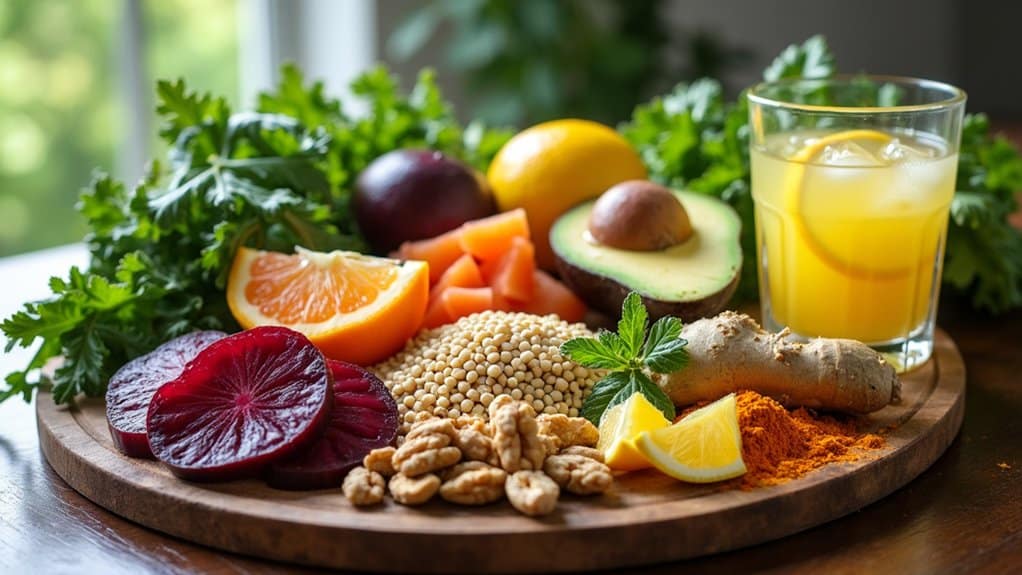
Recovery from addiction requires specific nutrients that support healing and restore ideal body function. Your body needs amino acids from lean proteins to repair damaged tissues and rebuild neurotransmitters, essential for mood stability and mental clarity. Nutrient timing plays a significant role, as regular intake of complex carbohydrates helps maintain steady energy levels and reduces cravings. Fresh whole foods provide superior nutrition compared to processed alternatives for supporting recovery goals. Meal planning helps ensure consistent access to essential nutrients throughout recovery.
The supplement synergy between B vitamins, magnesium, and zinc enhances your recovery by supporting brain function, reducing stress, and boosting immune health. You’ll need healthy fats, particularly omega-3s, to regulate mood and restore cell membranes. Important minerals work together to improve nerve function and tissue repair. When combined with proper hydration and consistent meal patterns, these nutrients create an ideal environment for your body’s natural healing processes during recovery. Antioxidant-rich foods play a crucial role in repairing cellular damage caused by substance abuse.
Power-Packed Foods for Restoring Brain Chemistry
When your brain chemistry has been disrupted by addiction, specific nutrient-dense foods can help restore proper neurotransmitter function and promote healing. By strategically incorporating key nutrients, you’ll support your brain’s natural recovery process and help rebalance essential neurotransmitters. B-complex vitamins play a vital role in neurotransmitter synthesis and maintaining healthy nerve function throughout recovery. Establishing proper nutrition early helps prevent substituting one addiction with unhealthy food choices. Security measures help protect sensitive health information while accessing recovery resources online.
Strategic nutrition choices can reset disrupted brain chemistry, helping restore proper neurotransmitter function and support natural healing during addiction recovery.
- Consume amino acid-rich proteins like wild-caught fish, eggs, and quinoa to provide the building blocks your brain needs for neurotransmitter balance and repair
- Include tyrosine-rich foods such as bananas, lean meats, and sunflower seeds to boost dopamine production and improve mood stability
- Add omega-3 sources like salmon, sardines, and walnuts to support brain cell integrity and reduce inflammation
- Choose GABA-supporting foods including fermented products, fava beans, and leafy greens to promote relaxation and reduce anxiety
These evidence-based nutrition choices directly support your brain’s healing mechanisms during recovery.
Hydration Heroes: Beverages and Foods That Cleanse

During addiction recovery, proper hydration plays an essential role in detoxification and healing. Your body needs adequate fluids to flush out toxins and support cellular repair. Setting phone alarms throughout the day can help establish consistent hydration habits. Water isn’t your only option for achieving peak hydration benefits; numerous detox beverages and water-rich foods can enhance your recovery journey. Staying hydrated helps reduce withdrawal symptoms like headaches and nausea. Regular water consumption supports organ function and maintains healthy body processes throughout recovery.
| Hydration Source | Benefits |
|---|---|
| Water | Facilitates toxin removal, curbs cravings |
| Fresh fruits/vegetables | Provides nutrients, aids cellular function |
| Herbal teas | Supports relaxation, promotes cleansing |
| Electrolyte drinks | Maintains nervous system stability |
You’ll know you’re properly hydrated when your urine maintains a pale yellow color. Consider setting regular water intake reminders and keeping hydrating options readily available. For personalized hydration targets, consult your healthcare provider, as individual needs vary based on your specific recovery circumstances and medical history.
Strategic Meal Planning for Managing Withdrawal Symptoms
Planning nutritious meals strategically can considerably reduce the intensity of withdrawal symptoms while supporting your body’s healing process. When you establish consistent meal timing, you’ll help stabilize blood sugar levels and minimize emotional eating triggers that often surface during recovery. You’ll need to prioritize nutrient-dense foods that specifically target withdrawal symptoms while maintaining a balanced approach to portion control. Preparing meals in batches ahead can help ensure you have healthy options readily available during challenging moments. Vitamin B6 supplementation through food sources is essential for proper neurotransmitter function during recovery. For additional security and reliability, consider using secure websites when researching meal planning resources and nutritional information.
Strategic meal planning and proper nutrition play a vital role in easing withdrawal symptoms and supporting the body’s natural recovery process.
- Structure your meals around protein-rich foods to support neurotransmitter production and regulate appetite
- Include complex carbohydrates like whole grains and legumes to maintain steady energy levels
- Focus on magnesium- and calcium-rich foods to reduce muscle cramps and restlessness
- Incorporate omega-3 fatty acids to support brain health and combat depressive symptoms
Track your body’s responses in a food journal and adjust your meal plan according to your progress.
Building Blocks for Long-Term Recovery Success

Success in long-term addiction recovery requires a thorough foundation built on four essential pillars: optimized nutrition, mental health support, strong social networks, and practical life skills.
Your journey to sustained recovery strengthens when you combine mindful eating practices with evidence-based therapeutic approaches. By consuming nutrient-dense foods rich in omega-3s, antioxidants, and lean proteins, you’ll support your brain’s healing process and boost emotional resilience. Regular mental health screenings and ongoing therapy sessions help identify and address co-occurring disorders early. You’ll find additional stability through peer support groups and healthy relationships, while developing vital life management skills. Proactive approaches to recovery significantly enhance treatment outcomes. Studies show that individuals who engage in structured relapse prevention planning are 30% more likely to maintain sobriety. Remember, early intervention combined with continuous treatment notably improves your chances of long-term success. Self-efficacy and confidence grow stronger as you consistently achieve small, realistic goals in your recovery journey. Evidence-based therapies like CBT and EMDR provide deeper emotional healing during treatment.
Breaking free from addiction takes courage, but you don’t have to navigate this journey alone. If you or someone you love is ready for change, know that compassionate help is closer than you think. Miami Substance Abuse Treatment connects you with trusted treatment providers throughout Miami who understand the challenges of addiction and are committed to supporting your recovery. From specialized addiction programs to residential care, outpatient services, and long-term recovery support, we’ll help you find the right path forward. Take that courageous first step call (786) 228-8884 today and let us guide you toward the care you deserve.
Frequently Asked Questions
How Long Should I Follow a Specific Recovery Diet Plan?
You’ll need to follow a structured recovery diet duration of 8-12 weeks initially, but plan to maintain healthy eating habits for at least one year with professional support. Studies show that long-term adherence to meal planning strategies can sustain benefits for up to 6 years, with 71.8% of people maintaining significant weight loss. You’ll work with nutrition professionals to adjust your plan based on your progress, health conditions, and individual needs.
Can Dietary Changes Alone Prevent Addiction Relapse?
No, dietary changes alone cannot prevent addiction relapse. While proper nutrition has a positive dietary impact on your recovery by stabilizing mood and reducing cravings, it’s most effective as part of a holistic approach. You’ll need to combine healthy eating with therapy, stress management, social support, and possibly medication. Research shows that successful relapse prevention requires addressing multiple factors, including behavioral coping strategies, trigger management, and psychological support alongside nutritional improvements.
Should I Take Supplements Alongside These Recommended Foods?
You shouldn’t take supplements without professional guidance, even alongside a healthy diet. While certain supplement types like B-complex vitamins, magnesium, and thiamine can support recovery, dosage recommendations must be tailored to your specific needs and substance use history. A healthcare provider needs to evaluate potential drug interactions, assess your nutritional deficiencies, and monitor your progress. Remember, supplements complement, but don’t replace proper nutrition during recovery.
Are There Foods That Might Trigger Cravings During Recovery?
Yes, certain foods can act as significant craving triggers during recovery. You’ll want to avoid highly processed foods, sugary snacks, and refined carbohydrates as they can stimulate the same reward pathways as addictive substances. Be especially mindful of emotional eating patterns with foods like cookies, chips, and pastries. These items can cause rapid blood sugar fluctuations and trigger cross-sensitivity between food and drug reward systems, potentially increasing your relapse risk.
What if I Have Food Allergies to Recommended Detox Foods?
You can still support your body’s detox process with allergy-friendly alternatives. If you’re allergic to certain detox foods, work with a dietitian to create alternative detox options that are safe for you. Try substituting quinoa for wheat, fish or lentils for common protein allergens, and berries for citrus fruits. You’ll find many allergy-friendly recipes that incorporate safe ingredients like olive oil, avocados, and chia seeds while maintaining essential nutritional support during recovery.