





During addiction recovery, your liver needs specific nutrients to heal and regenerate. Focus on antioxidant-rich berries, which combat inflammation and reduce oxidative stress. Include lean proteins from fish and plant sources to support tissue repair, along with healthy fats from olive oil and avocados. Hydrate with water-rich foods like cucumber and watermelon, and consider adding green tea for enhanced detoxification. Understanding the right combination of these healing foods can transform your recovery journey. Incorporating a variety of colorful vegetables can further bolster your nutrient intake and provide essential vitamins and minerals. Exploring spices like turmeric and ginger can also offer anti-inflammatory benefits, making them effective foods for detox support.
Understanding the Liver’s Role in Recovery and Healing
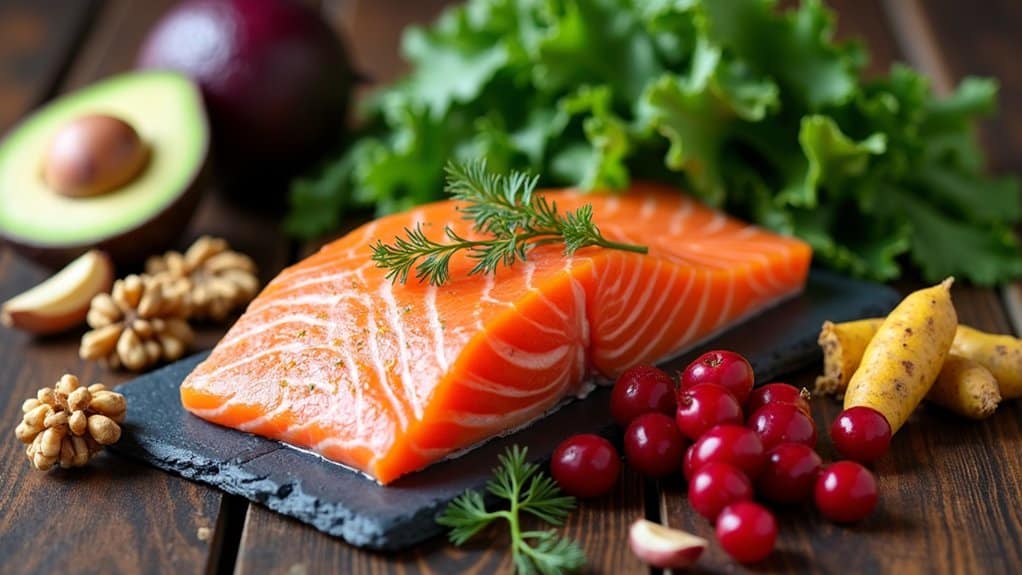
While the liver stands as one of the body’s most resilient organs, its remarkable ability to recover from damage depends heavily on proper nutrition and care. Your liver’s primary functions include metabolizing nutrients, producing essential enzymes, and eliminating toxins from your bloodstream, all significant processes during addiction recovery. The liver demonstrates its incredible regenerative nature by being able to heal with just 25% of liver mass remaining intact. Incorporating nutrient rich options for liver health into your diet is crucial for supporting its recovery process. Foods such as leafy greens, beets, and fatty fish provide essential vitamins and minerals that promote liver function and bolster its regenerative capabilities.
When you begin treatment, your liver initiates its natural healing mechanisms, working to repair tissue damage and restore normal detoxification processes. This regenerative capacity allows your liver to rebuild damaged cells, but it requires proper nutritional support. Mild to moderate damage typically shows improvement with appropriate nutritional and lifestyle interventions. During recovery, your liver must process carbohydrates, proteins, and fats efficiently while maintaining bile production for proper digestion. Understanding these essential liver functions helps you recognize why specific nutrients become crucial for supporting your organ’s healing journey and maintaining its detoxification capabilities. A balanced diet with small, frequent meals is often more beneficial than consuming large portions at once.
Essential Antioxidant-Rich Foods for Liver Detoxification
Berries like blueberries and cranberries offer potent anthocyanins that combat liver inflammation and protect against hepatic steatosis, making them essential for your recovery process. Green tea’s catechins, particularly EGCG, work synergistically with these berry compounds to enhance your liver’s natural detoxification pathways. You’ll maximize these benefits by incorporating both fresh berries and green tea into your daily diet, as their combined antioxidant properties provide thorough support for liver cell regeneration and protection. Four or more cups of green tea daily provides optimal liver-protective benefits based on current research findings. Additionally, adding beets to your diet provides betaine and pectin that actively assist your body in clearing accumulated toxins. Incorporating leafy greens like spinach and kale into your meals provides essential chlorophyll compounds that support the liver’s natural detoxification processes.
Berries Fight Liver Inflammation
When it comes to fighting liver inflammation, antioxidant-rich berries stand out as powerful allies in your recovery journey. The berry benefits come from polyphenols like anthocyanins and proanthocyanidins, which directly combat oxidative stress in your liver cells while reducing inflammation through multiple pathways. Studies from 9% to 30% globally of people experience fatty liver conditions that can benefit from berry consumption. Recent analysis of berry plant extracts shows strong potential for treating nonalcoholic fatty liver disease through natural interventions. Research suggests that combining berries with green tea consumption may further enhance liver enzyme levels and overall liver function.
Key research demonstrates that regular berry consumption helps your liver by:
- Decreasing pro-inflammatory cytokines TNF-α and IL-6, leading to significant inflammation reduction
- Supporting healthy fat metabolism through enhanced β-oxidation and suppressed lipogenic genes
- Boosting essential antioxidant enzymes like glutathione peroxidase and superoxide dismutase
You’ll find these protective compounds in blueberries, cranberries, and raspberries. Studies show that just 15g/kg of berry juice daily can help maintain normal liver structure and function while reducing cellular damage during recovery.
Green Tea’s Healing Properties
Three powerful compounds in green tea make it a cornerstone of liver healing and detoxification support. Most importantly, EGCG and other catechins neutralize harmful free radicals while supporting your liver’s natural repair processes. These antioxidants greatly reduce oxidative stress on liver cells during detoxification. The presence of anti-inflammatory properties helps reduce liver inflammation and promotes a healthier liver environment. Regular consumption of green tea can help maintain healthy enzyme levels in your liver. A comprehensive meta-analysis shows that green tea drinkers have a 32% lower risk of overall liver disease.
You’ll benefit from green tea’s ability to enhance both Phase I and Phase II liver detoxification pathways, helping your body break down and eliminate toxins more efficiently. Research shows that drinking 1-3 cups daily can lower liver enzyme levels and reduce your risk of liver disease by up to 32%. Green tea particularly helps prevent fatty liver disease, hepatitis, and liver cancer.
For ideal liver health benefits, stick to brewing natural tea rather than taking concentrated supplements, which may overwhelm your liver’s detoxification capacity.
Protein Sources That Aid Liver Regeneration
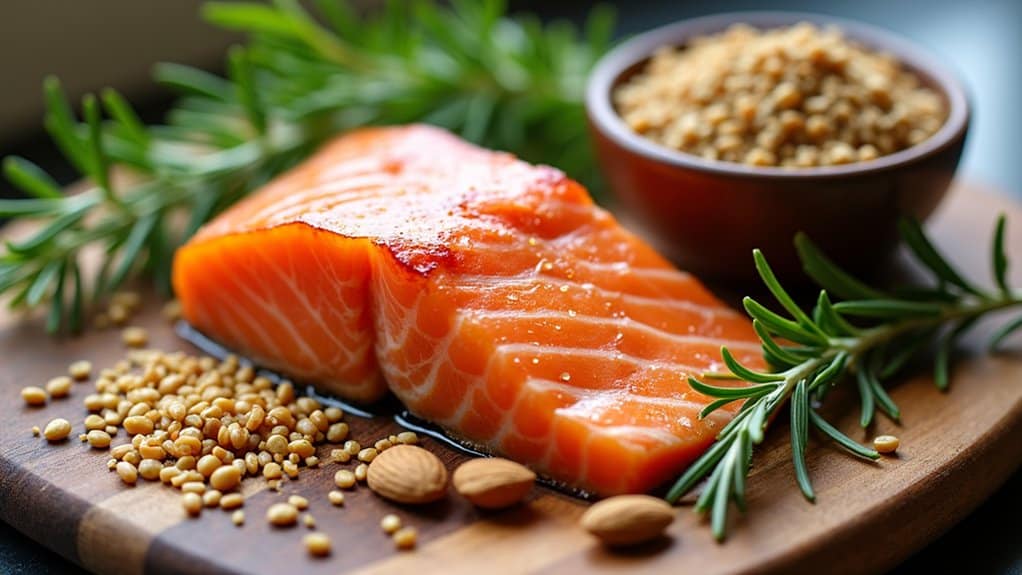
When rebuilding your liver health, you’ll need to prioritize both animal and plant-based protein sources that provide essential amino acids for tissue regeneration. Your ideal choices include lean meats like chicken and turkey, omega-3-rich fish such as salmon, and plant proteins like quinoa and legumes, which all deliver complete amino acid profiles necessary for hepatic repair. These protein sources work synergistically to supply your body with L-glutamine and other crucial amino acids that support liver cell synthesis while minimizing digestive stress on the organ. Incorporating soy proteins from tofu into your diet can be particularly beneficial, as these compounds have been shown to prevent fat accumulation in liver tissue. Addressing these nutritional needs is crucial since substance abuse impairs the liver’s ability to process and absorb essential nutrients effectively. For optimal recovery outcomes, experts recommend consuming protein-rich foods at every meal and snack to support sustained healing throughout the day.
Essential Amino Acid Sources
Understanding which protein sources supply essential amino acids is important for supporting liver regeneration and recovery. The amino acids you consume directly impact your liver’s ability to repair and detoxify. Specific amino acids like BCAAs, arginine, and methionine play significant roles in cellular repair and protection. High intake of certain amino acids can potentially cause metabolic disorders, so moderation and proper guidance are essential.
- Choose lean meats, fish, and eggs to obtain BCAAs and methionine, which support liver detoxification and protein synthesis
- Include legumes, nuts, and seeds for arginine and glycine, helping reduce inflammation and oxidative stress
- Consume dairy products and whole grains to obtain threonine, serine, and alanine, which aid in ammonia detoxification and cellular regeneration
These protein sources provide the building blocks your liver needs to maintain its fundamental functions while supporting tissue repair during recovery.
Animal Vs Plant Proteins
Both animal and plant proteins play distinct yet complementary roles in supporting liver regeneration, each offering unique benefits for hepatic recovery.
Animal protein sources like lean poultry, fish, and eggs stimulate hepatocyte growth factor production, accelerating liver tissue repair. You’ll find these proteins have higher biological value, making them particularly effective for cellular regeneration. Fatty fish adds the bonus of anti-inflammatory omega-3s that help reduce liver inflammation.
Plant protein sources, including legumes, nuts, and quinoa, deliver essential nutrients while providing protective phytochemicals and fiber. You’ll benefit from their ability to regulate lipid metabolism and reduce oxidative stress. These proteins typically contain lower levels of methionine and cysteine, which can help minimize fibrosis risk during recovery.
For ideal liver regeneration, you should incorporate both protein types into your diet.
Beneficial Fats and Oils for Liver Health
Since proper fat consumption plays an essential role in liver recovery, choosing the right types of dietary fats can greatly impact your liver’s health. Focus on beneficial oils and healthy fats from Mediterranean diet sources while avoiding saturated and trans fats that can worsen liver damage.
Selecting the right dietary fats is crucial for liver health. Choose Mediterranean-style healthy fats while steering clear of harmful saturated and trans fats.
- Embrace monounsaturated fats from olive oil, avocados, and nuts; they’ve been shown to reduce liver fat accumulation and improve insulin resistance
- Include omega-3-rich foods like salmon, sardines, and flaxseeds to decrease liver inflammation and support healing
- Add functional oils like nigella sativa and garlic oil, which help modulate oxidative stress and reduce inflammatory markers
You’ll want to strictly limit saturated fats from full-fat dairy and red meat, while completely avoiding trans fats found in processed and fried foods.
Hydrating Foods and Beverages That Support Recovery
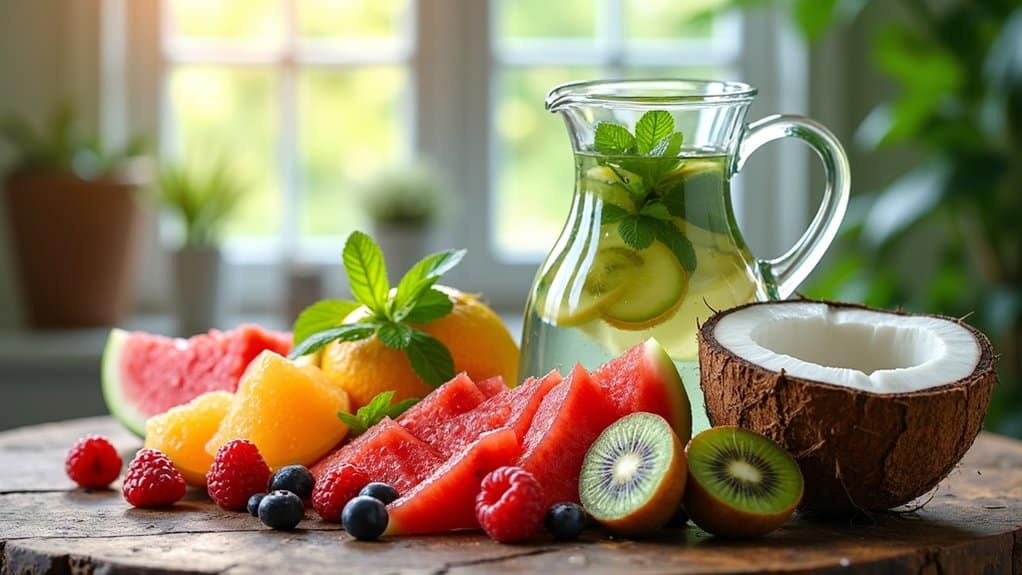
Maintaining ideal hydration through water-rich foods and beverages plays a vital role in liver recovery and detoxification. Your hydration strategies should include fruits like watermelon and oranges, which contain over 90% water while providing essential vitamins and antioxidants. Vegetables such as cucumber, celery, and spinach offer significant water content alongside important minerals for electrolyte balance.
You’ll benefit from incorporating electrolyte-replenishing beverages like coconut water and natural fruit juices to restore depleted minerals. Consider enhancing your fluid intake with infused waters, such as lemon or cucumber, which support liver detoxification enzymes. Light vegetable broths and herbal teas provide gentle hydration while delivering anti-inflammatory benefits. These hydrating choices help combat withdrawal symptoms, support organ function, and accelerate toxin elimination during your recovery process. Integrating nutrient-dense foods that help eliminate THC, such as leafy greens and high-fiber fruits, can further bolster your body’s detoxification efforts. Including these foods in your diet not only promotes overall health but also aids in flushing out stored toxins more effectively.
Key Supplements and Nutrients for Enhanced Liver Function
While proper hydration forms a foundation for liver health, targeted supplementation can greatly enhance your liver’s recovery and function. Research shows that specific nutrients play vital roles in liver detoxification and repair processes, particularly during addiction recovery.
Essential supplements that support ideal nutrient absorption and liver function include:
- Milk thistle (silymarin) at 140-150mg three times daily, which provides antioxidant protection and helps reduce inflammation
- B-complex vitamins, especially thiamine, which support liver metabolism and prevent neurological complications
- N-acetylcysteine (NAC) and vitamin C, which boost glutathione production for enhanced liver detoxification
Additionally, minerals like zinc, magnesium, and selenium work together to support tissue repair and protect liver cells from oxidative damage. When combined with proper nutrition, these supplements can greatly improve your liver’s healing capacity.
Breaking free from addiction takes courage, but you don’t have to face this journey alone. If you or someone you love is ready for change, know that compassionate help is closer than you think.Miami Substance Abuse Treatment connects you with trusted treatment providers throughout Miami who understand the challenges of substance dependence and are dedicated to supporting your recovery. From specialized detox programs to residential care, outpatient services, and long-term recovery support, we’ll help you discover the right path forward. Take that important first step call (786) 228-8884 today and let us guide you toward the care you deserve.
Frequently Asked Questions
How Long Does It Take for the Liver to Recover Through Diet?
Your liver healing timeline primarily depends on the severity of damage, but diet can support natural recovery. You’ll see initial improvements within 24-72 hours through detoxification pathways. With proper nutrition, mild damage can improve in 2-4 weeks, while moderate damage takes 6-12 months. While dietary impact is significant, it’s most effective when combined with complete alcohol abstinence. Remember, severe cases like cirrhosis may have permanent changes despite dietary interventions.
Can Certain Foods Worsen Liver Damage During Addiction Recovery?
Yes, certain foods can greatly worsen liver damage during recovery. You’ll want to avoid processed sugars, including sodas and sweetened beverages, as they accelerate fatty liver development and inflammation. Even small amounts of alcohol consumption, including hidden sources in foods like vanilla extract or cooking wine, can impair healing and increase relapse risk. Ultra-processed foods high in saturated fats burden your liver’s detoxification processes and can promote scarring. These harmful choices compound existing liver stress from addiction.
Should Meals Be Timed Differently During Liver Recovery Treatment?
Yes, proper meal timing is essential during liver recovery phases. You’ll need to eat at consistent, scheduled intervals to support metabolic stability and nutrient absorption. It’s best to have three main meals spaced evenly throughout the day, with potential planned snacks based on your medical team’s recommendations. Early-day meals should be prioritized, while you’ll want to avoid late-night eating to reduce liver strain and support your body’s natural healing rhythm.
Are Organic Foods Necessary for Effective Liver Detoxification?
You don’t need organic foods for effective liver detoxification, as the evidence shows that nutrient content matters more than organic certification. While organic foods may have lower pesticide residues, there’s no clinical proof that they enhance liver detox compared to conventional foods. Your focus should be on consuming diverse, nutrient-rich whole foods like cruciferous vegetables, berries, and herbs, whether organic or conventional, to support ideal liver health and recovery.
What Food Allergies Might Interfere With Liver-Supporting Nutrition Plans?
Common food sensitivities that can impact your liver recovery include dairy, eggs, fish, nuts, and wheat allergies. These allergic reactions might limit your access to crucial nutrients like omega-3s from fish, protein from eggs and dairy, or fiber from whole grains. You’ll need to work with a dietitian to find safe alternatives, like using legumes instead of eggs, or quinoa instead of wheat, to guarantee you’re getting essential nutrients while avoiding trigger foods.