

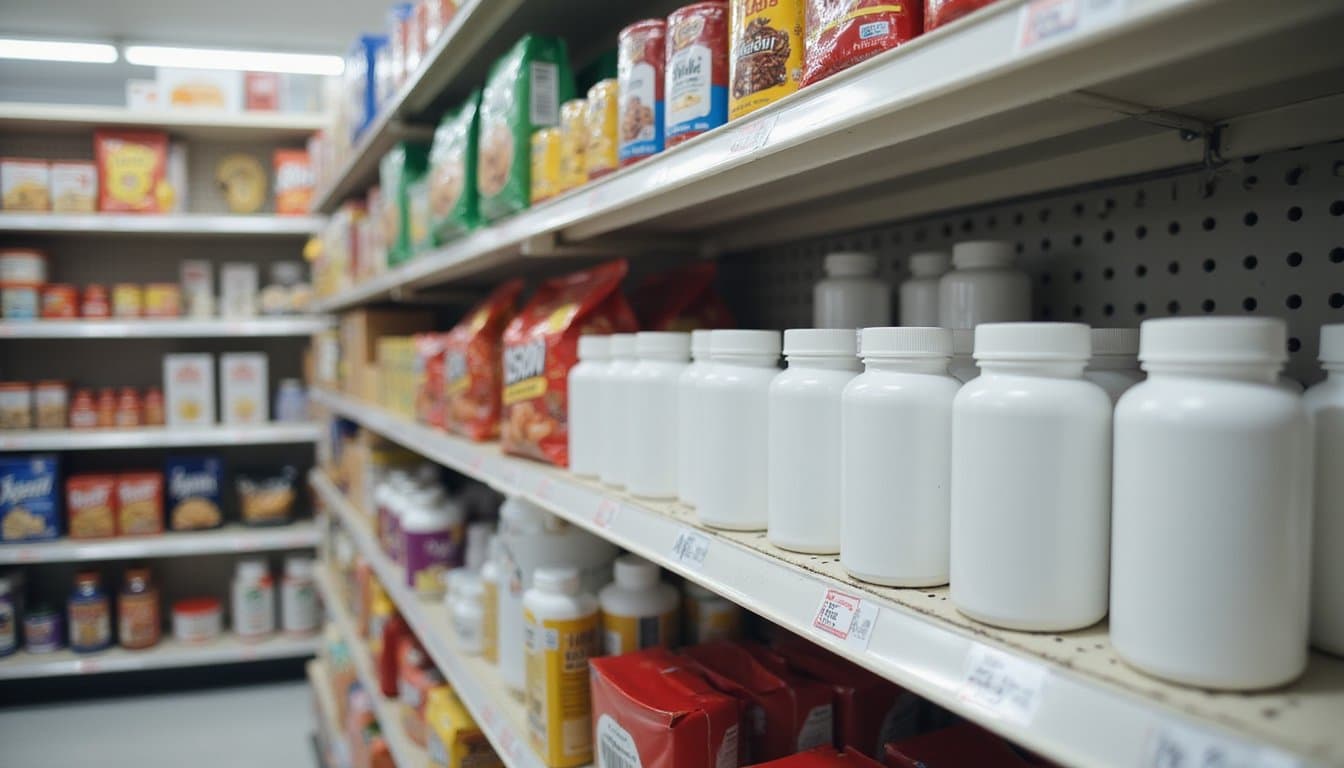
Gas station drugs like tianeptine (sold as Zaza and Tianaa) and Delta-8 THC exploit a key loophole: dietary supplements don’t require FDA approval before sale, meaning over 95,000 products have reached consumers without prior evaluation. You’re buying potent psychoactive substances that sit on shelves with zero premarket safety review. Six states have banned kratom outright, yet manufacturers reformulate products to dodge new classifications. Understanding the legal loopholes that allow gas station drugs to be sold, which states have acted, and which bills could close these gaps reveals how deep the problem runs.
Tianeptine, Delta-8, and the Gas Station Drug Loophole
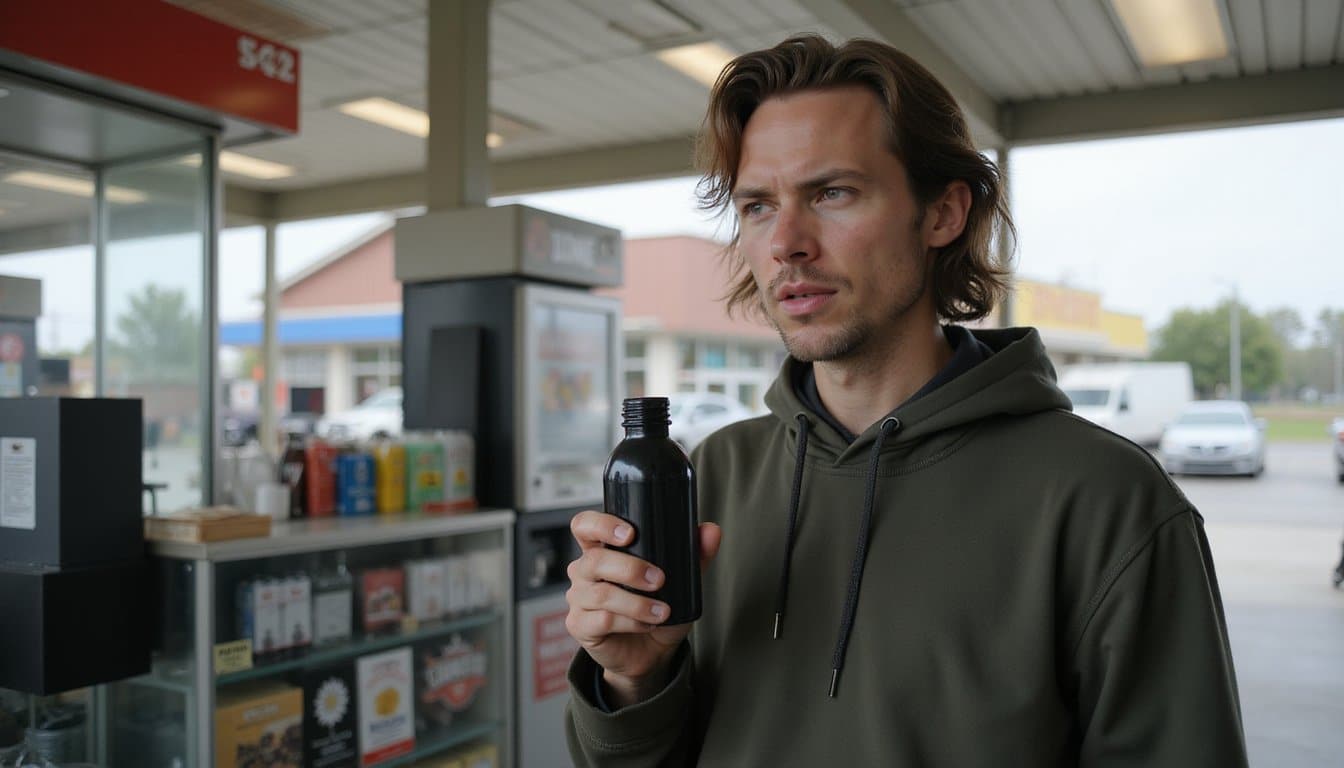
When you pick up a brightly packaged energy shot or cognitive supplement at a gas station counter, you may not realize it contains tianeptine, an unapproved drug that binds to mu opioid receptors and produces effects similar to oxycodone. Brands like Zaza, Tianaa, and Neptune’s Fix exploit the tianeptine supplement loophole because the substance isn’t listed in the federal Controlled Substances Act. The FDA doesn’t preapprove supplement ingredients, and its enforcement relies on warning letters and import alerts, tools that haven’t stopped widespread sales. Delta-8 THC products sit alongside tianeptine on these same shelves, leveraging similar legal loopholes supplements fall under. Alabama’s 1,400% spike in poison control calls between 2018 and 2021 illustrates what happens when regulatory gaps persist unchecked. In response, South Dakota’s House Health and Human Services Committee has approved House Bill 1162, which would add tianeptine to the state’s Schedule I controlled substances list, joining states like Alabama, Florida, Georgia, and others that have already taken action. Researchers in New Jersey discovered that Neptune’s Fix contained not only tianeptine but also synthetic cannabis and other drugs, making the actual contents of these products dangerously unpredictable. New Jersey Governor Phil Murphy signed legislation that establishes tianeptine as a schedule II controlled dangerous substance, further closing the regulatory gaps that allowed these products to proliferate on retail shelves.
How a Supplement Label Sidesteps the FDA
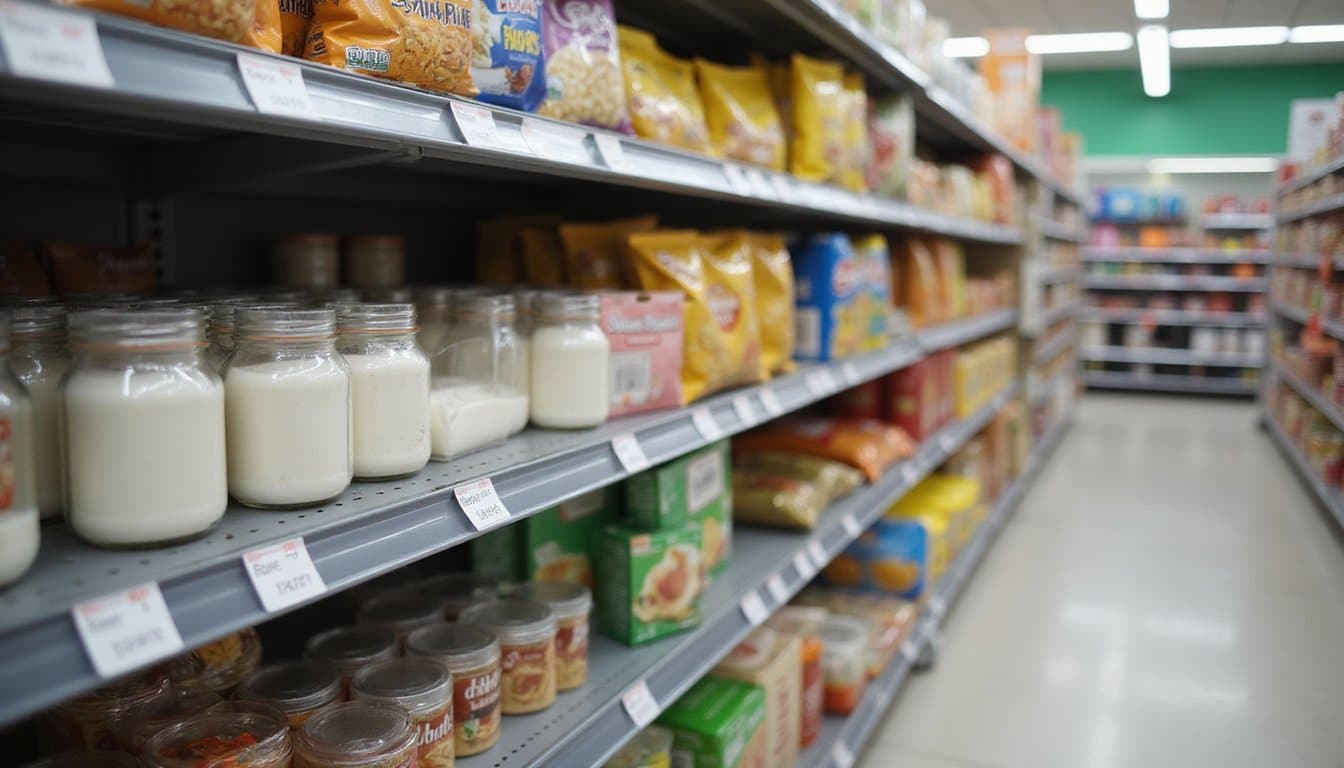
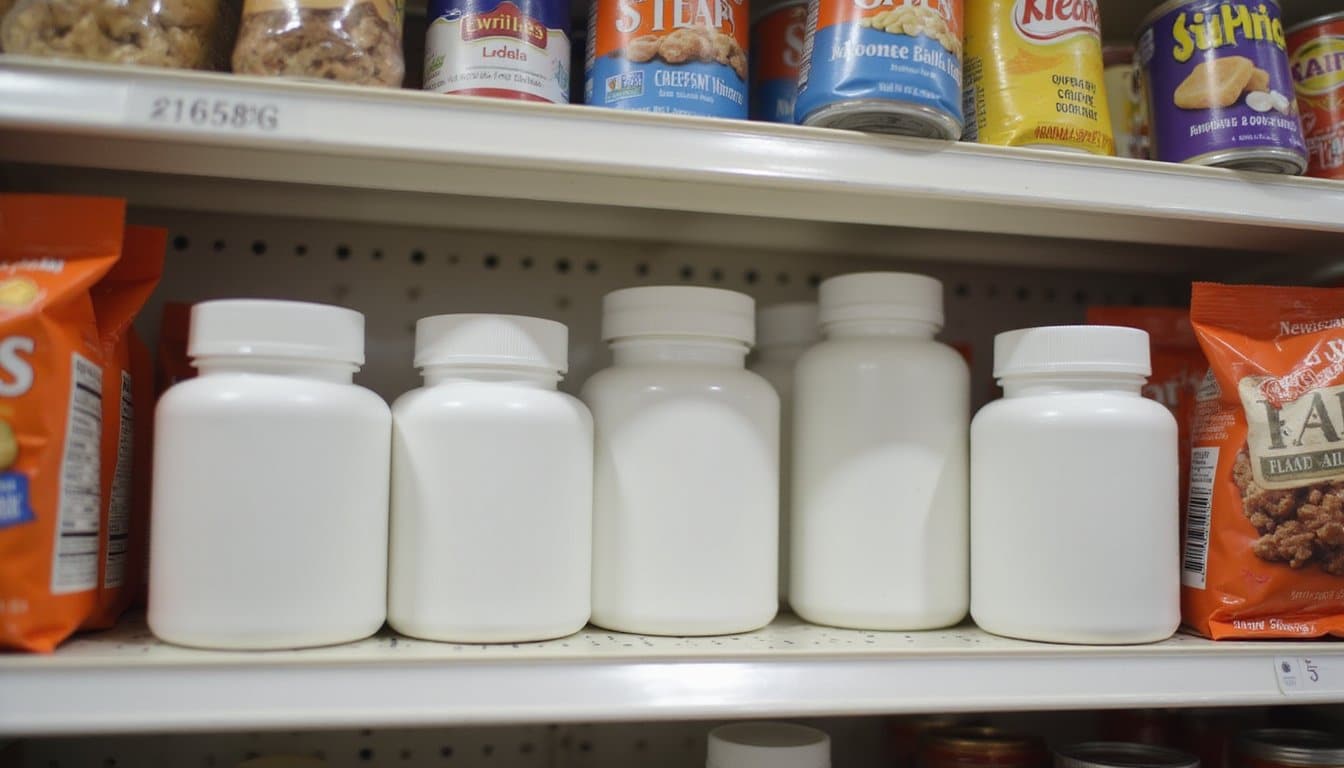
When you pick up a supplement at a gas station, you’re buying a product that never required FDA approval before it hit the shelf, FDA has no premarket approval process for dietary supplements or their labeling before public sale, shifting the entire burden of proving a product unsafe to the agency after consumers have already been exposed. This post-sale enforcement model means the FDA can only act reactively, pulling products from shelves once harm has already occurred rather than preventing it. As a result, manufacturers can introduce new psychoactive formulations into retail environments with virtually no regulatory gatekeeping, exploiting what DSHEA negotiator Scott Bass acknowledged was a framework never intended to cover the kinds of substances now flooding convenience store counters.
No Pre-Market Approval
Unlike prescription drugs and Class III medical devices, which must survive rigorous pre-market approval (PMA) processes involving clinical trials, panel reviews, and statistical analyses, dietary supplements enter the U.S. market with virtually no FDA gatekeeping. Under DSHEA (1994), supplements are classified as foods, meaning manufacturers self-affirm safety without mandatory FDA submission. This legal gray area supplements exploit creates measurable risks:
- Over 95,000 supplement products reached consumers without prior FDA evaluation as of 2023.
- New Dietary Ingredient Notifications remain voluntary, not an approval mechanism.
- Approximately 25% of gas station “legal highs” were mislabeled as supplements per 2022 FDA sampling.
- Over 1,200 supplement adverse events were reported in 2022, many traced to gas station products.
You’re consuming products that bypassed every safety checkpoint prescription drugs must clear.
Post-Sale FDA Action
The absence of pre-market approval doesn’t mean the FDA steps in swiftly after a product hits shelves, it means enforcement begins only after consumers are already exposed. You’re fundamentally the test subject. The FDA’s primary post-sale tool is the warning letter, which addresses unlawful claims or GMP violations but rarely escalates to product seizure or sales halts. Companies simply propose compliance plans and continue operating. This reactive framework represents one of the critical legal loopholes gas station drugs exploit. The FDA reviews marketing materials and labels post-sale, evaluating whether structure/function claims cross into disease claims. Meanwhile, the FTC handles deceptive advertising separately, with potential profit disgorgement. You’re traversing what regulators themselves describe as a “Wild West”, where enforcement lags behind exposure and accountability follows harm.
Why Gas Stations Are the Ideal Gray Market Venue
These venues function as gray market hubs because they offer:
Gray market products thrive in spaces built for speed and convenience, not safety or regulatory oversight.
- 24/7 access with minimal purchase barriers
- High impulse-buy potential from frequent, brief customer stops
- No premarket review enforced at the point of sale
- Inventory blending that disguises psychoactive substances as everyday goods
You’re encountering unregulated products in spaces designed for convenience, not pharmaceutical scrutiny. This raises significant health concerns, especially when considering the variety of drugs available in gas stations. Many consumers may purchase these items without fully understanding their potential risks or side effects. It becomes crucial for individuals to approach such products with caution and informed awareness.
Which States Have Banned Gas Station Drugs?
If you’re wondering whether your state has taken action, six states, Alabama, Arkansas, Indiana, Rhode Island, Vermont, and Wisconsin, banned kratom outright before 2026, yet enforcement gaps persist as reformulated products and novel compounds like 7-hydroxymitragynine (7-OH) continue appearing on shelves. You should know that even in states with active bans, manufacturers exploit classification loopholes by slightly altering chemical structures or marketing psychoactive substances under supplement labels, making consistent enforcement nearly impossible. New legislative efforts in Washington State (Senate Bill 6287), New Jersey (Schedule I classification of 7-OH), and Kansas City (Ordinance 251028 targeting kratom, tianeptine, and hemp cannabinoids) signal that regulators are scrambling to close these gaps, but as of early 2026, many proposals remain stalled in committee.
States With Active Bans
Across the country, state and local governments are cracking down on gas station drugs through targeted bans and reclassification efforts. Each new psychoactive supplement law reflects growing urgency around youth access and opioid-like risks.
Key legislative actions you should know about include:
- Washington State, Senate Bill 6287 proposes banning synthesized kratom and restricting plant-form sales to adults 21+.
- Kansas City, Missouri, Ordinance 251028 targets tianeptine, kratom, 7-OH, Delta-8/9 THC, nitrous oxide, and psychoactive analogues.
- New Jersey, A December 2024 bill classifies 7-OH as a Schedule I substance, with penalties up to 10 years for repeat offenders.
- Arizona, Officials push to reclassify kratom sales to minors from misdemeanors to felonies, citing insufficient enforcement resources under current law.
Enforcement Gaps Remain
Even where states have enacted bans, significant enforcement gaps undermine their effectiveness. You’ll find that products containing 7-OH can still be purchased more easily than cigarettes in states without restrictions, and in states with bans, inconsistent enforcement allows retailers to continue selling these substances. The FDA hasn’t approved 7-OH as a food additive, yet enforcement against its sale remains sporadic at best.
Retail drug regulation loopholes persist because federal agencies lack coordinated oversight. While the DEA hasn’t scheduled 7-OH under the Controlled Substances Act, federal authorities have initiated civil forfeiture cases, including Kansas City raids in December that seized tens of thousands of products. However, these actions remain reactive rather than preventive. You’re left traversing a patchwork system where no real oversight exists regarding what these products actually contain.
Why the FDA Can’t Police Gas Station Drug Sales
Although the FDA holds authority over dietary supplements and unapproved drugs, it can’t effectively police gas station drug sales due to critical gaps in federal scheduling, deceptive product marketing, and limited enforcement resources.
The FDA has the authority but lacks the tools, scheduling power, and resources to stop gas station drug sales.
You’re facing a system where convenience store drug legality persists because of these compounding failures: Understanding the gas station withdrawal symptoms timeline can provide crucial insight into the effects of substance dependence. Individuals often experience a variety of physical and psychological challenges as they navigate this process, making it vital to address these issues with appropriate support.
- No federal scheduling, Tianeptine and 7-OH remain unscheduled under the Controlled Substances Act, limiting FDA intervention.
- Deceptive labeling, Products disguised as gummies, drink mixes, or nootropics bypass drug approval requirements.
- Sporadic enforcement, FDA issues warning letters, but sales continue uninterrupted at retail locations.
- Detection barriers, Cash-based operations and imported lab-made precursors from China and India evade border monitoring and traceability systems.
New Bills That Could End Gas Station Drug Loopholes
Because federal scheduling hasn’t kept pace with the rapid spread of gas station drugs, state legislatures are now driving the push to close regulatory gaps through targeted legislation.
| State/Locality | Key Action |
|---|---|
| Delaware (HB 21) | Classifies tianeptine as Schedule I; passed House March 2025 |
| South Dakota (HB 1162) | Adds tianeptine to Schedule I; approved by committee |
| Washington (SB 6287) | Bans synthesized kratom; restricts plant kratom to 21+ |
| Kansas City | Proposes banning tianeptine, kratom, 7-OH, Delta-8/9 THC, nitrous oxide |
| FDA Initiative | Warns 7-OH could worsen opioid crisis; banned in seven states |
You’ll notice these bills target substances exploiting the dietary supplement loophole. If you’re in an unregulated state, you’re still exposed to products linked to addiction, respiratory depression, and death.
Help Is Available
Taking the first step toward recovery can feel overwhelming, but you do not have to figure it out on your own. At Miami Outpatient Detox, we connect individuals with licensed detox centers that offer a full range of Detox Programs and evidence-based solutions for anyone ready to move toward a healthier life. Call (786) 228-8884 to explore available treatment options.
Frequently Asked Questions
Can Gas Station Drugs Cause Withdrawal Symptoms Similar to Prescription Opioids?
Yes, certain gas station drugs can cause withdrawal symptoms that mirror, or even exceed, opioid withdrawal in intensity. You’ll experience severe muscle aches, nausea, vomiting, tremors, and rapid heart rate. Psychologically, you’re at risk for intense cravings, panic attacks, and suicidal thoughts. Dependence can develop within days, and one-third of poison control cases require ICU monitoring. You shouldn’t quit cold turkey, medical supervision is critical to manage detox safely.
Are Gas Station Drug Manufacturers Legally Liable if Consumers Are Harmed?
Gas station drug manufacturers can face liability under strict liability and product liability theories, but you’ll find it’s difficult to establish. Courts have reversed verdicts, like the $37 million DZE synthetic cannabinoid case, ruling consumer behavior shifted responsibility away from manufacturers. Unknown ingredient formulations make proving direct causation challenging, and products operating in regulatory gray areas face less scrutiny than regulated pharmaceuticals. You’re at significant legal and health risk when manufacturers exploit these gaps. One alarming consequence of this issue is the rising rates of drug abuse linked to the use of these products, prompting a growing movement for gas station drug abuse awareness. Communities are urging local authorities to implement stricter regulations to protect consumers from harmful substances that slip through the cracks. As more people become informed about the dangers, the demand for accountability in both manufacturing and sale is likely to increase.
How Do Gas Station Drugs Interact With Common Prescription Medications?
Gas station drugs like tianeptine can dangerously interact with your prescription medications. If you’re taking MAOIs, combining them with tianeptine risks cardiovascular collapse, convulsions, and death. Mixing tianeptine with opioids or sedatives amplifies respiratory depression and coma risk. Contaminated products worsen these dangers, ”Neptune’s Fix” contained undisclosed synthetic cannabinoids that triggered seizures and prolonged QT intervals. Because these products lack standardized dosing and ingredient transparency, your healthcare provider can’t reliably predict interaction risks.
Can Employers Test for Gas Station Drugs in Workplace Drug Screenings?
Yes, you can be tested, but standard panels likely won’t catch them. Tennessee’s Drug-Free Workplace Program limits required testing to DOT-listed substances, marijuana metabolites, cocaine, amphetamines, opioids, PCP, and alcohol. MDMA’s already been removed from the required list. However, employers may conduct additional lawful testing beyond these minimums. Since many gas station drugs contain novel or modified psychoactive compounds, they’ll often evade detection entirely, creating a significant gap in workplace safety enforcement.
Do Gas Station Drugs Carry Accurate Ingredient Labels and Dosage Information?
Gas station drugs frequently don’t carry accurate ingredient labels or dosage information. While 21 CFR 101.36 requires supplement labels to declare ingredient amounts and serving sizes, many products use proprietary blends that hide individual dosages. You can’t verify what you’re consuming since there’s no FDA preapproval of labels. Independent testing often reveals undeclared ingredients or inaccurate potency, putting you at risk for overdose, dangerous interactions, or unexpected psychoactive effects.