



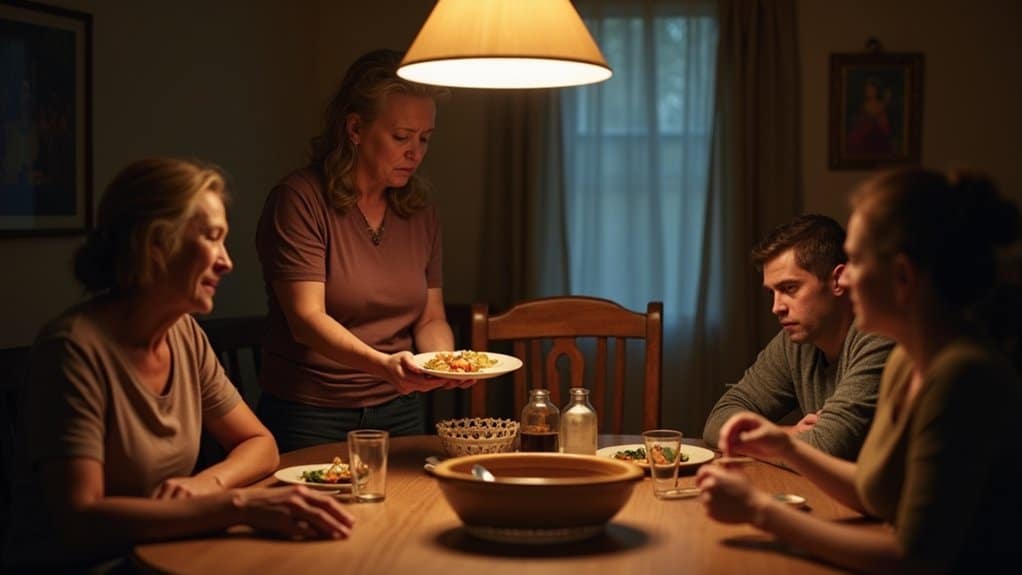
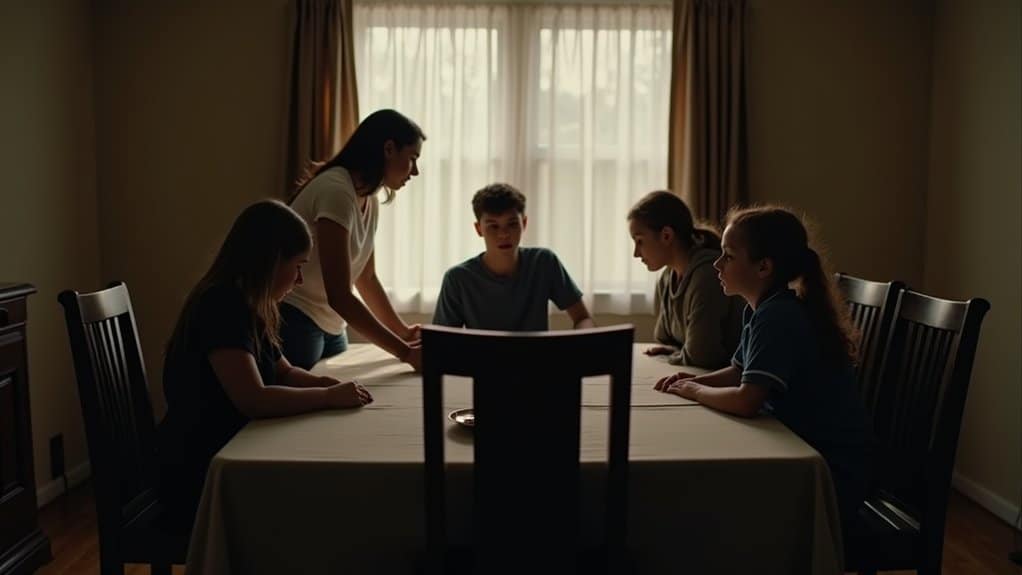

Your child’s performance anxiety isn’t just nervousness, it’s a real condition affecting nearly one in five teenagers and increasingly younger children. When academic pressures, social comparisons, and excessive screen time combine with high parental expectations, kids develop overwhelming fears about tests, presentations, and competitions. You’ll notice sweaty palms, avoidance behaviors, and persistent worry that affects their confidence and achievement. Since 70% of preteens cite school stress as their primary anxiety trigger, understanding the warning signs and evidence-based intervention strategies becomes essential for restoring your child’s self-assurance. It’s important to recognize that performance anxiety is one of several types of anxiety disorders that can manifest in children and teenagers.
How Common Is Performance Anxiety Among Today’s Youth?
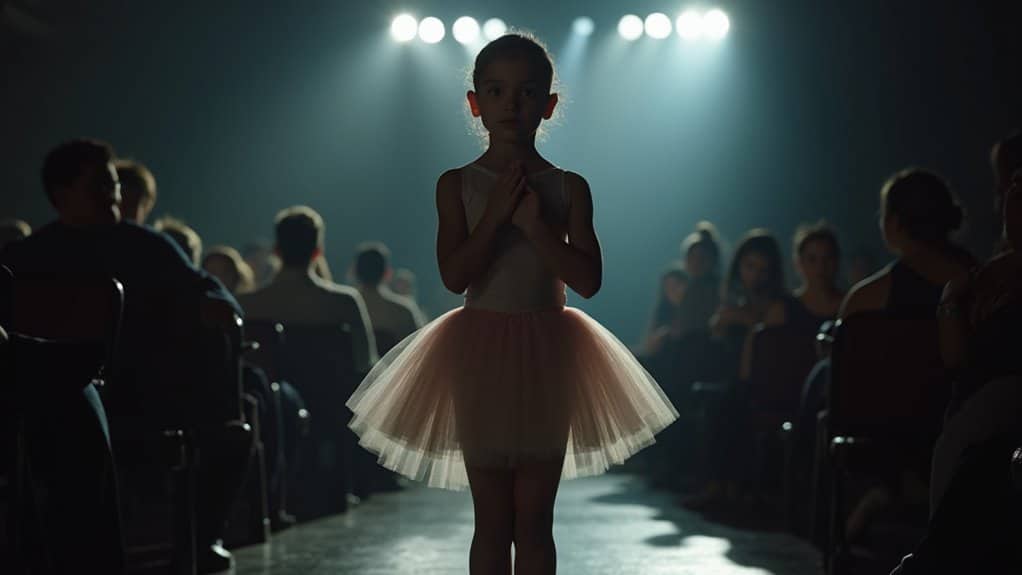
Performance anxiety has become alarmingly widespread among today’s youth, with recent data revealing that nearly 1 in 5 teenagers 12, 17 now report symptoms of anxiety or depression. You’ll find that diagnosed anxiety among U.S. adolescents surged 61% between 2016 and 2023, reaching unprecedented levels. Performance pressure kids face isn’t limited to older children, early-onset symptoms are rising sharply among ages 5, 12. This distressing trend may be attributed to various factors, including increased academic expectations and social media exposure. Parents and educators must be vigilant in recognizing generalized anxiety disorder signs in children to provide early interventions.
Your child isn’t alone in these struggles. Academic demands correlate strongly with increased anxiety diagnosis rates across multiple countries. Girls experience higher rates, with 12% diagnosed versus 9% of boys. What’s particularly concerning is that anxiety rates nearly doubled during the pandemic. Over 40% of US high school students reported persistent sadness or hopelessness in 2023, reflecting the intensity of emotional distress young people face today. Unfortunately, only 38% of affected children receive treatment, meaning many navigate these challenges without proper support. Globally, one in seven 10-19-year-olds experiences a mental disorder, underscoring the widespread nature of this crisis. Among preteens specifically, 70% rank school stress as their primary anxiety trigger, with academic pressure serving as a dominant factor. Early identification remains pivotal for preventing long-term impacts.
What Triggers Performance Anxiety in Children?
Your child’s performance anxiety doesn’t emerge from nowhere, it stems from specific, identifiable triggers in their daily environment. Academic pressures like tests and presentations combine with social expectations from peers, while the constant comparison culture of social media adds another layer of stress. Understanding these triggers, from classroom evaluations to family expectations, helps you recognize what’s actually fueling your child’s fears and where to intervene effectively. Research shows that anxiety levels increase significantly as children progress through school, with rates rising from just 2.3% in elementary school to 15.9% by high school, indicating that older students face mounting pressures. When anxiety takes hold, children often develop an ‘estimation problem’ where they overestimate the threat of a situation while underestimating their own ability to handle it. Some children may also experience physical symptoms including increased heart rate, elevated blood pressure, or fast and shallow breathing when facing performance situations.
Academic and Social Pressures
| Pressure Source | Impact on Your Child |
|---|---|
| Grade expectations | Fear of failure, avoidance behaviors |
| Parental demands | Parent-child conflict, reduced self-control |
| Peer and social competition | Feelings of inferiority, social anxiety |
| Social comparison | Perceived inadequacy, excessive worry |
| Achievement hierarchies | Exclusion, stigmatization of strugglers |
High-achievers often mask internal stress behind outward success, making their anxiety easy to overlook. Research shows that symptoms of depression and anxiety can significantly impact a child’s ability to concentrate and learn, affecting both their social relationships and academic performance in overlapping ways. Studies have found that academic pressure creates a chain-mediated effect through diminished self-control, increased family conflict, and reduced well-being, ultimately contributing to behavioral problems in adolescents. The combination of heavy workloads and lack of sleep from academic demands can further compromise children’s mental health and their ability to cope with performance expectations.
Digital Age Stressors
Beyond the classroom and social hierarchies, today’s children face a newer source of pressure that didn’t exist a generation ago. Excessive screen time, averaging over 21 hours weekly, significantly amplifies performance anxiety in children through constant social comparison and validation-seeking. When your child scrolls through curated highlight reels before a school presentation, anxiety child intensifies. Social media escalates stage fright children experience, as peer scrutiny extends beyond physical spaces. Competition anxiety kids feel multiplies when online rankings and public metrics define worth. Research shows children using screens over three hours daily face 30% higher anxiety rates. This digital exposure disrupts sleep and emotional regulation, worsening sports anxiety children and public speaking anxiety kids encounter. Compulsive social media use activates the same reward pathways in developing brains as substance use disorders, making it increasingly difficult for children to disconnect from performance pressures. Studies indicate that 61.9% had poor sleep quality among those with excessive digital screen time, further compromising their ability to manage stress and perform confidently. Fear of failure children develop becomes entrenched through algorithm-driven content reinforcing performance nervousness children already struggle with offline. Studies reveal that screen time negatively correlates with academic achievement, creating additional stress as children witness declining grades alongside increased digital consumption.
Family and Environmental Expectations
While teachers and peers influence your child’s stress levels, the most powerful source of performance anxiety often begins at home. When your expectations exceed your child’s abilities, research shows they’re more likely to experience anxiety during performances, depression, and academic burnout. This pressure to succeed children face doesn’t motivate, it paralyzes.
Your anxiety about their achievements can inadvertently trigger:
- Excessive involvement that reduces free play and increases extracurricular performance stress
- Frequent criticism focused on outcomes rather than effort, especially before events like talent show anxiety situations
- Overprotective behaviors that prevent them from building resilience through manageable challenges
Balanced expectations aligned with your child’s developmental stage predict better outcomes. Educational expectations function as a driving force for children’s actions, shaping how they approach challenges and view their own capabilities. Research indicates that parental negative beliefs may serve as a mechanism for how anxiety is passed from one generation to the next. When you focus on growth over perfection, you create space for genuine confidence to develop. Your negative emotions are directly related to a decrease in positive parenting behaviors and an increase in negative parenting behaviors that can further intensify your child’s anxiety.
The Hidden Impact on Academic Achievement
When your child’s performance anxiety extends into the classroom, it doesn’t just affect test day, it quietly undermines their everyday learning in ways you might not immediately recognize. Research shows heightened anxiety symptoms correlate with decreased academic scores, with roughly 11% of children at risk of clinical anxiety displaying significant performance struggles. These struggles can lead to a lack of participation in class discussions and reduced motivation to engage with assignments, further exacerbating the cycle of anxiety. Understanding the specific test anxiety causes in children is crucial for parents and educators alike, as it enables them to provide the support needed to alleviate these pressures.
The mechanism is clear: anxiety impairs working memory and focus during academic tasks. Your child’s cognitive resources become consumed by worry and intrusive thoughts, leaving less capacity for reasoning and problem-solving. This creates a troubling cycle, higher anxiety leads to poorer achievement, which then fuels more anxiety over time. Interestingly, moderate levels of anxiety can actually enhance academic performance, suggesting a more nuanced relationship between stress and achievement.
Students experiencing performance anxiety often engage in avoidance behaviors, miss assignments, and show reduced task completion, directly impacting their academic trajectory and self-concept.
Social and Emotional Consequences of Childhood Performance Anxiety

Performance anxiety doesn’t confine itself to test scores and report cards, it reshapes how your child experiences their social world and understands themselves. When fear of judgment takes hold, friendships suffer. Your child may withdraw from peer activities, struggle to read social cues, and avoid group settings entirely, limiting vital opportunities for connection and belonging.
Emotionally, the consequences run deeper:
- Emotional regulation falters: Your child may experience increased mood swings and difficulty managing feelings appropriately.
- Empathy becomes compromised: Recognizing and responding to others’ emotions grows challenging under chronic stress.
- Self-worth becomes conditional: Identity hinges on external validation rather than intrinsic value.
Left unaddressed, childhood performance anxiety markedly increases risk for depression, social anxiety disorders, and persistent internalizing problems extending into adulthood.
Warning Signs Parents and Teachers Should Never Ignore
You’ll notice performance anxiety initial through your child’s body, frequent stomachaches before presentations, trembling hands during recitals, or sudden complaints that send them to the nurse’s office. These physical symptoms aren’t exaggerations or attempts to get attention; they’re genuine stress responses that signal your child is overwhelmed. At the same time, you may observe behavioral shifts at school: reluctance to participate in class discussions, procrastination on assignments they fear won’t be perfect, or complete withdrawal from activities they once enjoyed.
Physical Symptoms of Anxiety
While your child’s anxiety may feel invisible initially, their body often sends clear distress signals that deserve your immediate attention. Performance anxiety manifests physically through multiple symptoms that can drastically impact your child’s daily functioning and well-being.
Watch for these common physical manifestations:
- Headaches and stomachaches that intensify before tests, presentations, or performances, often without clear medical causes
- Cardiovascular symptoms including rapid heartbeat, shallow breathing, chest tightness, and excessive sweating during stressful situations
- Sleep disruptions such as difficulty falling asleep, frequent nighttime awakenings, and persistent fatigue despite adequate rest
Additionally, your child may experience muscle tension, trembling, changes in appetite, frequent urination, or dizziness. These symptoms often worsen during shifts or major performance events, potentially leading to chronic patterns if left unaddressed.
Behavioral Changes at School
When anxiety takes hold, the classroom often becomes the initial place where troubling behavioral changes emerge with striking clarity. You’ll notice patterns that don’t match your child’s typical behavior.
| Academic Domain | Behavioral Indicators |
|---|---|
| Performance | Declining grades, incomplete assignments, missed deadlines |
| Participation | Reduced engagement, selective absences on test days |
| Attention | Difficulty concentrating, blanking out during lessons |
| Organization | Lost materials, disorganized workspace, overwhelming clutter |
| Social Interaction | Withdrawal from peers, isolation during school hours |
Teachers often report heightened irritability, defensiveness regarding feedback, and perfectionism that sabotages progress. Your child might display restlessness or oppositional behavior, signs frequently misinterpreted as disciplinary issues rather than anxiety manifestations. These changes directly impact working memory, emotional regulation, and relationship quality.
Why Some Children Are More Vulnerable Than Others
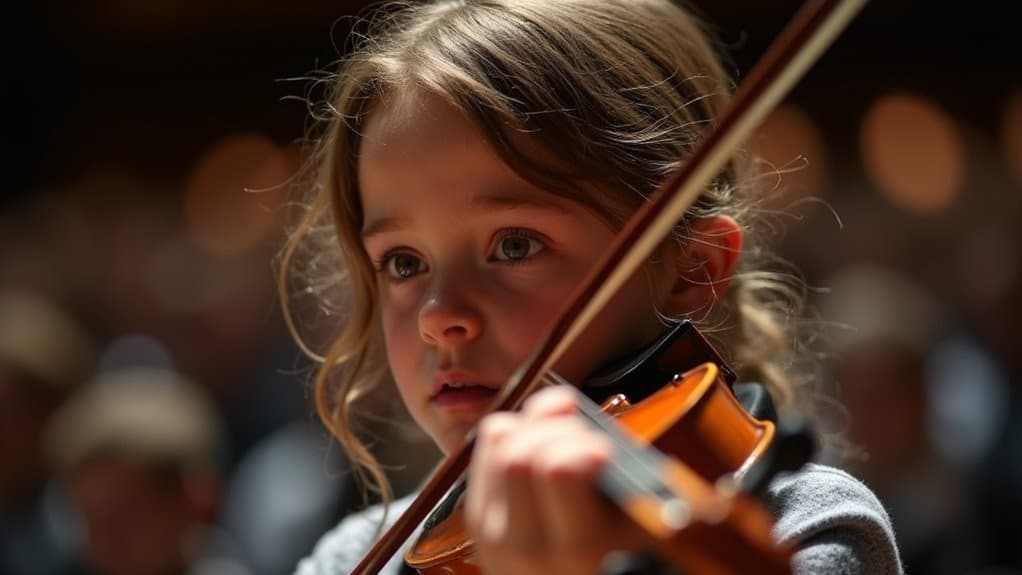
Not all children face the same risk in relation to performance anxiety. Your child’s vulnerability depends on multiple intersecting factors that shape how they respond to pressure and evaluation.
Research identifies several key risk areas:
- Genetic and temperamental traits: Family history of anxiety, innate shyness, and neurobiological differences in stress response systems greatly increase susceptibility
- Personality patterns: Perfectionism, self-critical thinking, and excessive need for social recognition intensify fear of judgment and mistakes
- Environmental stressors: Academic difficulties, learning disorders, family conflict, parental absence, and traumatic experiences heighten anxiety risk
Children with learning challenges face particularly amplified vulnerability due to repeated failure experiences, poor inhibitory control, and intensified feelings of shame. Understanding your child’s specific risk factors helps you provide targeted support and intervention.
The Pandemic’s Lasting Effect on Youth Anxiety Levels
The COVID-19 pandemic fundamentally reshaped childhood experiences worldwide, and the mental health consequences for young people have been profound and enduring. Global youth anxiety and depression increased by 25% in the initial pandemic year, with rates exceeding 40% in some regions. Your child may be among the millions affected by social isolation, disrupted routines, and missed developmental milestones that amplified these struggles.
The effects haven’t simply disappeared. Clinically meaningful anxiety symptoms persist in about one in ten pandemic-affected youth, even after restrictions lifted. Girls, LGBTQ youth, and children from under-resourced communities face disproportionately higher risks. Sleep disturbances, perfectionism, and fear of evaluation have become more prevalent, directly fueling performance anxiety. Early detection and prompt intervention remain critical for helping your child recover.
How Performance Anxiety Differs From Everyday Nervousness
As you observe your child’s stress responses in the wake of pandemic-related disruptions, you’ll need to distinguish between normal pre-performance jitters and a more serious problem. Everyday nervousness is temporary and resolves quickly, while performance anxiety involves intense, persistent fear lasting six months or more.
Performance anxiety lingers for six months or longer, while normal nervousness fades quickly after the stressful moment passes.
Watch for these warning signs that suggest performance anxiety rather than typical nervousness:
- Physical symptoms persist: ongoing headaches, stomachaches, sleep disturbances, and frequent nurse visits
- Avoidance behaviors intensify: refusal to participate, excessive procrastination, or perfectionism blocking task completion
- Daily functioning suffers: school refusal, social withdrawal, declining academic performance despite effort
Performance anxiety produces overwhelming feelings that disrupt multiple life areas, while everyday nervousness remains situation-specific without considerably interfering with your child’s academics, friendships, or extracurricular participation.
Supporting Your Child Without Increasing the Pressure
When your child faces performance situations, your response shapes whether they develop resilience or increased anxiety. Focus on effort and improvement rather than outcomes, celebrating hard work over achievements. Set smaller, achievable goals that build confidence without overwhelming them.
Create an environment where self-worth isn’t tied to performance. Normalize mistakes as essential for learning, and maintain open communication about their fears. Model calm stress management by sharing how you handle pressure and discussing your own mistakes openly.
Teach practical coping skills like deep breathing, visualization, and positive self-talk. Encourage pre-performance routines that increase their sense of control. Balance their schedule with adequate sleep, nutrition, and unstructured play. If anxiety greatly interferes with daily functioning, seek professional support.
Building Resilience and Restoring Confidence in Anxious Children
Beyond reducing pressure in the moment, you’ll need to actively strengthen your child’s capacity to bounce back from setbacks and rebuild their self-assurance. Resilience grows through gradual exposure to manageable challenges in safe settings, where your child builds a track record of successful coping experiences.
Resilience develops through gradual exposure to manageable challenges, building a track record of successful coping experiences in safe, supportive environments.
Help your child develop practical skills:
- Teach active coping techniques like calm breathing, meditation, and healthy distraction to manage anxiety symptoms
- Create problem-solving opportunities that foster independence and allow direct engagement with challenges
- Celebrate effort over outcomes to reinforce the “I can do hard things” mentality
Each small success adds to their “evidence bank” of capability. School-based interventions and social-emotional learning programs substantially boost resilience, improving self-management and academic performance. Your consistent support and encouragement create the foundation for lasting confidence restoration.
Frequently Asked Questions
Can Performance Anxiety in Children Lead to Physical Health Problems?
Yes, performance anxiety can affect your child’s physical health. You’ll notice immediate symptoms like headaches, stomachaches, rapid heartbeat, and sweating before performances. If anxiety persists, it may lead to chronic complaints, sleep problems, and fatigue. Long-term, it can increase risks for anxiety disorders and impact comprehensive well-being. However, you can help by encouraging physical activity and building resilience early. These strategies effectively reduce both anxiety and its physical effects, protecting your child’s health.
Should I Consider Medication for My Child’s Performance Anxiety?
Medication should be considered if your child’s performance anxiety severely impacts daily life, prevents school or activity participation, or makes therapy difficult. SSRIs are effective initial options, especially combined with cognitive behavioral therapy, showing 81% improvement rates. However, medication isn’t typically the initial step for mild anxiety. Consult a pediatric mental health specialist to evaluate severity, discuss risks like side effects and monitoring requirements, and determine whether medication alongside therapy would benefit your child’s specific situation.
How Long Does It Typically Take to Treat Performance Anxiety?
Treatment for performance anxiety typically takes 12, 20 weeks of therapy, with many children showing improvement within 8, 12 weeks. The exact timeline depends on your child’s symptom severity and intervention type. CBT is most effective, and combining it with family involvement often accelerates progress. Some children need supplementary sessions over several months to maintain gains. While 60, 80% show significant improvement, building lasting confidence takes time, you’ll likely see gradual changes rather than overnight success.
Can Performance Anxiety Return After Successful Treatment?
Yes, performance anxiety can return even after successful treatment. Research shows that nearly half of children who initially improve may experience symptoms again within a few years, especially during stressful shifts like starting middle school. You’ll want to maintain regular check-ins with your child’s therapist and watch for warning signs during high-pressure periods. If anxiety resurfaces, don’t be discouraged, early intervention and resuming coping strategies can help your child regain confidence quickly.
Are There Apps or Online Tools to Help Manage Performance Anxiety?
Yes, several evidence-based apps can help your child manage performance anxiety. MindShift uses CBT techniques for test and performance pressure, while Headspace offers developmentally-appropriate mindfulness exercises. SmartCAT and Mayo Clinic Anxiety Coach provide structured anxiety support. For younger children, Breathe, Think, Do with Sesame teaches coping skills through play. While these apps show promising results, reducing anxiety symptoms by 20-80% in studies, they work best alongside professional support, not as replacements for therapy when anxiety’s severe.