






Generalized anxiety disorder affects nearly 1 in 5 children post-pandemic, causing excessive worry that interferes with school, friendships, and daily activities. You’ll notice signs like difficulty concentrating, physical complaints (headaches, stomachaches), sleep problems, perfectionism, and frequent reassurance-seeking. GAD stems from genetic factors, environmental stressors, and brain chemistry differences. Early detection using validated screening tools is essential, as untreated anxiety often persists into adulthood. Evidence-based treatments, including cognitive-behavioral therapy, medication when appropriate, and family-based interventions, can greatly improve your child’s well-being and help them develop effective coping strategies for long-term success.
Understanding Generalized Anxiety Disorder in Children: Prevalence and Impact
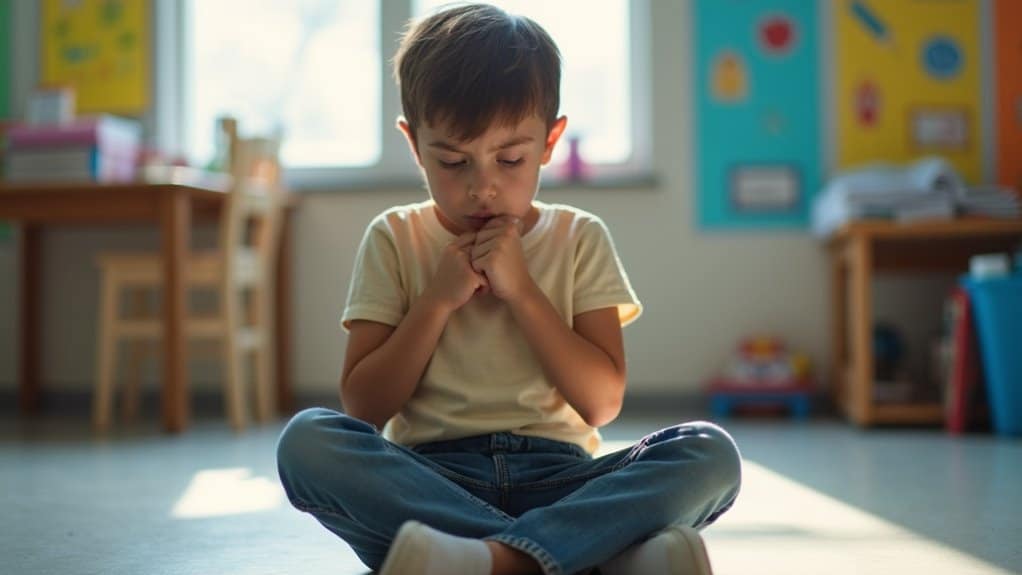
How common is generalized anxiety disorder among children, and why does it matter? Around 7.6% of children experience generalized anxiety disorder in children, with girls affected more often than boys. Recent data shows anxiety diagnoses have escalated, reaching 20.5% post-pandemic. This matters because childhood GAD interferes with social, emotional, and academic development. You’ll notice affected children struggling with school attendance, lower grades, and persistent physical complaints like stomachaches. The disorder creates anxiety across situations kids face daily, from classroom participation to friendships. Without treatment, GAD often persists into adulthood, increasing risks for depression and substance use. Currently, 11% of children ages 3-17 have a diagnosed anxiety disorder. Anxiety disorders typically emerge early, with a median age of onset of 11 years, making them among the earliest psychiatric conditions to appear. Early recognition is essential, most symptoms begin before the early 20s, making childhood a critical window for intervention and support.
Recognizing the Signs and Symptoms of Childhood GAD
When children experience generalized anxiety disorder, their worry doesn’t look like adult anxiety, it weaves through every part of their day in ways you might initially mistake for personality traits or typical childhood concerns. Persistent anxiety in children manifests through physical complaints like frequent stomachaches, emotional patterns including catastrophizing and excessive reassurance-seeking, and behavioral changes such as school refusal or social withdrawal.
Childhood anxiety doesn’t announce itself clearly, it disguises itself as personality quirks while quietly disrupting every corner of a child’s world.
Watch for these key indicators of chronic worry child experiences:
- Cognitive disruption: difficulty concentrating, mind going blank, and indecisiveness stemming from fear of making mistakes
- Physical manifestations: muscle tension, sleep disturbances, fatigue, and nonspecific complaints without medical explanation
- Behavioral avoidance: refusing previously enjoyed activities, clinging to trusted adults, and perfectionist tendencies that mask underlying fear
These symptoms persist beyond typical developmental worries, interfering with daily functioning. Children with GAD may also become distressed over submitting work that isn’t flawless, demonstrating how perfectionism and anxiety intertwine in school settings. You might also notice frequent outbursts of anger or irritability that seem disproportionate to the situation at hand. Some children experience a physical sensation of having a lump in throat, which can be particularly distressing even though no medical cause exists.
What Causes Anxiety Disorders in Children: Risk Factors Explained
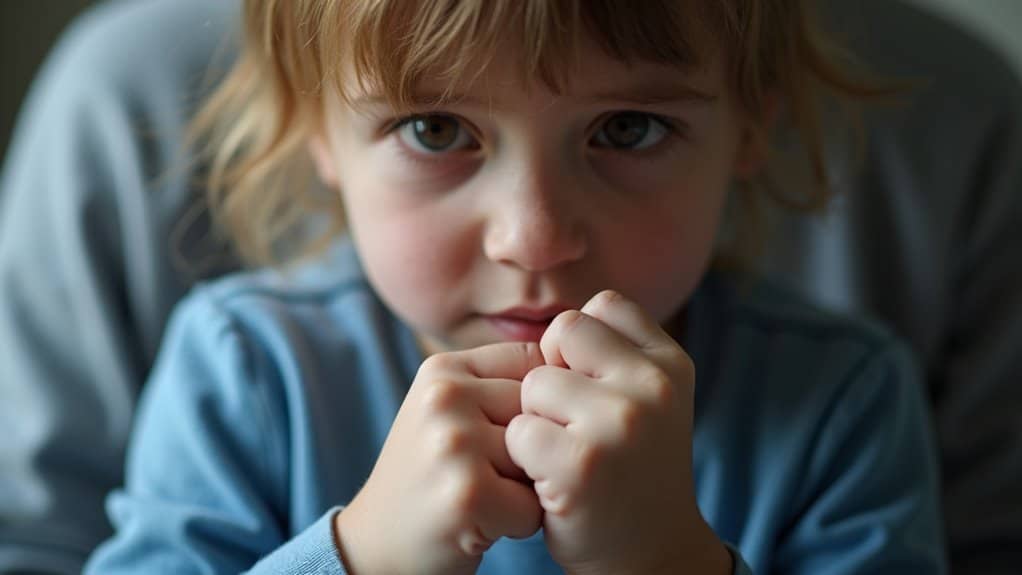
No single factor causes generalized anxiety disorder in children; instead, multiple influences intertwine across biological, environmental, and psychological domains to create vulnerability. Genetic factors play a significant role, accounting for roughly one-third of GAD risk, especially when there’s family history of anxiety disorders. Children with naturally inhibited temperaments face elevated risk.
Environmental influences matter profoundly. When parents model anxious behavior or use overprotective parenting styles, children may develop learned anxiety responses. Chronic family stressors, such as conflict, divorce, or illness, increase susceptibility, as do adverse childhood experiences like neglect or trauma. Research indicates that parental separation specifically associates with development of generalized anxiety disorder in children. Additionally, early exposure to high-stress environments can predispose children to various types of anxiety disorders in children, affecting their emotional and social development. Moreover, the pressure to succeed academically or participate in competitive activities can lead to performance anxiety in kids. This added stress may further amplify existing anxiety responses, making it difficult for them to cope effectively.
Psychological factors include threat bias, where your child perceives harmless situations as dangerous, and insecure attachment patterns. Prior mental health conditions, low self-esteem, and major life changes further compound risk. Children with chronic medical illnesses also face increased vulnerability to developing generalized anxiety disorder. Brain chemistry plays a role, as imbalances in neurotransmitters can contribute to the development of anxiety disorders in susceptible children. Understanding these interconnected factors helps you recognize why anxiety develops differently in each child. Additionally, anxiety in children with autism can present unique challenges, as they may struggle with changes in routine and heightened sensory sensitivities. Social interactions can also be a significant source of anxiety for these children, influencing their overall emotional well-being.
How GAD Affects Daily Life: Academic, Social, and Physical Consequences
Generalized anxiety disorder doesn’t stay confined to your child’s mind, it spills into every corner of their daily existence, creating measurable consequences across academic, social, and physical domains.
Academic, Social, and Physical Impact:
- Academic struggles: GAD in children correlates with lower grades, impaired memory and attention, and missed assignments. Constant worry in kids drives perfectionism and procrastination, disrupting test performance and sometimes triggering school refusal. Research shows that anxiety levels negatively correlate with overall school performance, with children experiencing clinically significant anxiety demonstrating measurably poorer academic outcomes. Anxiety shares symptoms of inattention with ADHD and depression, making it important to identify the underlying cause of concentration difficulties.
- Social difficulties: Your child may avoid group activities, presentations, or social events due to excessive self-consciousness. Peers might perceive them as withdrawn, increasing isolation and bullying risk while limiting supportive friendships.
- Physical symptoms: Chronic headaches, stomachaches, fatigue, and sleep disturbances frequently accompany GAD, leading to school absences and nurse visits that further disrupt learning and peer connections. Anxious children may experience racing heart and sweaty palms along with tense muscles and breathing difficulties that can be mistaken for other medical conditions.
Diagnosing Generalized Anxiety Disorder: Assessment Methods and Early Detection

Recognizing GAD in your child requires more than noticing worry, it demands systematic evaluation by trained professionals who can distinguish pathological anxiety from developmentally typical fears. Diagnosis follows DSM-5-TR criteria: excessive, difficult-to-control worry present most days for six months, causing significant distress or functional impairment. Clinicians conduct thorough interviews with you, your child, and teachers to assess generalized anxiety kids symptoms like restlessness, fatigue, concentration problems, and sleep disturbances.
Validated screening tools help identify ongoing anxiety in children. The SCARED and Spence Children’s Anxiety Scale provide reliable assessment for children six and older, while the Preschool Anxiety Scale targets younger ages. These instruments, combined with clinical observation and medical history review, create a complete diagnostic picture that rules out other conditions and identifies co-occurring disorders requiring treatment. Doctors must carefully rule out other health issues like thyroid problems or other medical conditions that can mimic anxiety symptoms before confirming a GAD diagnosis. Understanding the timeline of GAD development helps contextualize diagnosis, as the median age of diagnosis is 20 years, though symptoms often begin much earlier in childhood. Early recognition and intervention can help prevent a cascade of psychopathology that may develop if anxiety remains untreated.
Evidence-Based Treatment Options: Therapy, Medication, and Support Strategies
Once your child receives a GAD diagnosis, effective treatment becomes the immediate priority, and the good news is that several evidence-based approaches work remarkably well.
Core Treatment Options:
- Cognitive Behavioral Therapy (CBT) restructures irrational thoughts and teaches coping mechanisms, with 55-60% of children recovering after 10-16 sessions. It’s particularly effective for excessive anxiety children who overthink everyday situations.
- Medication (SSRIs/SNRIs) helps moderate-to-severe cases, especially when combined with therapy, yielding up to 81% response rates. Common options include sertraline and fluoxetine. Studies show remission rates ranging from 34% with placebo to 50% with duloxetine in children aged 7-17 years.
- Family-based interventions extensively improve outcomes by helping parents avoid reinforcing anxious behaviors and promoting independence in high-functioning anxiety kids.
School collaboration and environmental accommodations further support your child’s progress, creating all-encompassing care that addresses anxiety across all life domains.
Recovery begins with a single decision, and you don’t have to make it alone. If you or a loved one is ready to overcome addiction, know that genuine support is just a phone call away. Miami Substance Abuse Treatment partners with experienced treatment specialists across Miami who truly understand what you’re going through and are ready to help. From medically supervised detox to residential programs, flexible outpatient services, and aftercare planning, we’ll guide you to the solution that fits your needs. Don’t wait reach out at (786) 228-8884 today and let us help you start your journey toward healing.
Frequently Asked Questions
Can Dietary Changes or Supplements Help Reduce Anxiety Symptoms in Children?
Yes, dietary changes can help reduce your child’s anxiety symptoms. Focus on magnesium-rich foods (bananas, spinach), omega-3s (salmon, walnuts), and probiotic foods (yogurt, fermented items). Balanced meals with protein and complex carbohydrates stabilize blood sugar and mood. Consider supplements like omega-3s (500-1,000mg daily), magnesium glycinate, or probiotics (5-10 billion CFU), but consult your pediatrician first. While promising, supplements work best alongside other anxiety treatments, not as standalone solutions.
How Do I Talk to My Child About Their Anxiety Diagnosis?
Start by using simple, stage-appropriate language to explain that anxiety is a normal feeling everyone experiences. Validate your child’s emotions without judgment, and help them identify physical symptoms like stomachaches or racing hearts. Frame anxiety as manageable, even highlighting positives like empathy and attention to detail. Ask open-ended questions about their worries, listen actively, and share relatable stories. Emphasize their past triumphs and teach coping strategies together. You’re building trust while empowering them to manage their feelings confidently.
Will My Child Outgrow GAD Without Treatment?
Unfortunately, most children don’t outgrow GAD without treatment. Research shows untreated anxiety typically worsens over time rather than improving, increasing your child’s risk for depression and other difficulties in adolescence and adulthood. While rare cases may improve with mild symptoms, waiting isn’t recommended. The good news? Evidence-based treatment like Cognitive Behavioral Therapy is highly effective, with 64, 79% symptom reduction rates. Early professional intervention gives your child the best chance for lasting recovery.
How Can Siblings Support a Brother or Sister With Anxiety?
Siblings can support their brother or sister by learning about anxiety and showing patience instead of judgment. You’ll help by listening without teasing, participating in calming activities together, and respecting their feelings even when worries seem confusing. Create predictable routines, celebrate small victories, and include them in fun activities. It’s just as crucial that you express your own feelings and maintain your interests, you can’t pour from an empty cup, and taking care of yourself strengthens your ability to help.
What Should I Do During My Child’s Panic Attack or Anxiety Episode?
Stay calm and use simple, reassuring language. Guide your child through slow, deep breathing, about one breath every five seconds. Help them focus on their surroundings by naming objects they can see or touch. Stay present and validate their feelings without being dismissive. Avoid punishment or excessive attention to symptoms. Once the episode passes, gently return to normal activities. Teaching regular breathing exercises and considering cognitive behavioral therapy can reduce future episodes.