






Social anxiety disorder affects approximately 9% of children worldwide, with symptoms typically emerging around adulthood. You’ll recognize it through persistent social withdrawal, avoiding peer interactions, physical symptoms like trembling or rapid heartbeat, and extreme distress in social situations, not just typical shyness. Both genetic factors (accounting for 12% of social fears) and environmental stressors like increased screen time contribute to its development. Girls experience higher rates than boys at 11.2% versus 7%. Evidence-based treatments including therapy can effectively address these fears when identified early, and understanding the specific warning signs will help you support your child’s progression toward confident social engagement. Additionally, parents can incorporate separation anxiety coping strategies to help children navigate their feelings of distress in social situations. Encouraging gradual exposure to social interactions can foster resilience and confidence over time.
Understanding the Scope: How Common Is Social Anxiety Disorder in Young People?
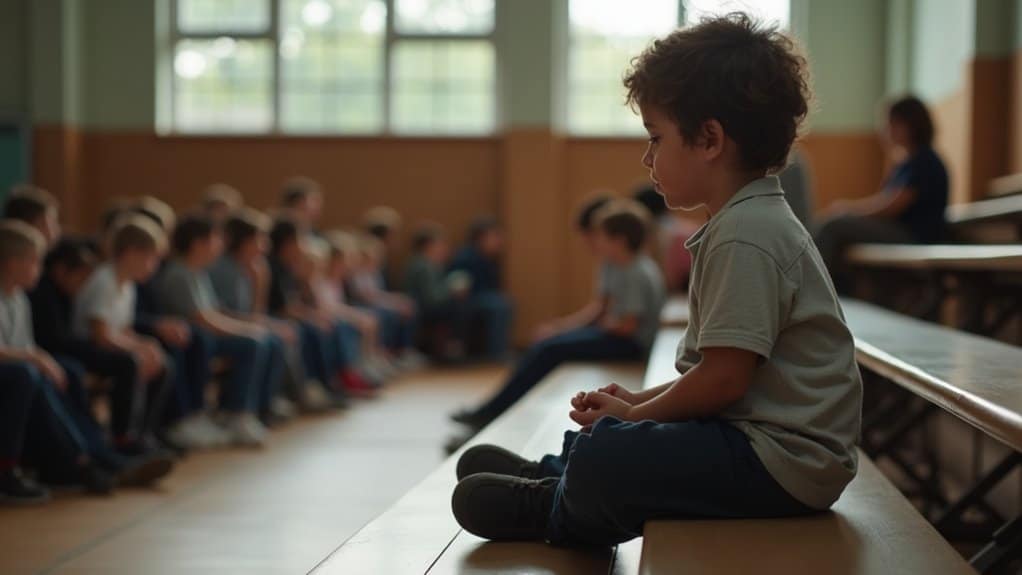
Social anxiety disorder affects a significant portion of young people, with approximately 9% of children and adolescents worldwide experiencing this condition. If you’re concerned about your child, you should know that social anxiety disorder in children is more common than many parents realize. In the U.S., lifetime prevalence among adolescents aged 13-18 reaches 9.1%, with girls experiencing higher rates (11.2%) compared to boys (7%).
Symptoms typically begin around stage 13, and over 75% of those with social anxiety disorder develop it during childhood or teenage years. Unfortunately, many children remain undiagnosed, with 36% experiencing symptoms for a decade before seeking help. Recent trends show youth anxiety nearly doubled during the pandemic, reaching 20.5%, highlighting the growing need for early recognition and intervention. Anxiety disorders overall are the most common psychiatric conditions affecting children and adolescents. In pediatric primary care settings, rates of childhood social anxiety disorder ranged from 3% to 6.8%, underscoring how frequently healthcare providers encounter this condition among their young patients.
The condition is characterized by persistent fear of social or performance situations where children worry about being exposed to unfamiliar people or possible scrutiny by others.
Warning Signs: What Does Social Anxiety Look Like in Children?
When your child starts avoiding birthday parties, refuses to raise their hand in class, or suddenly complains of stomachaches before school, you might be witnessing the early signs of social anxiety disorder. Social withdrawal child behaviors often include clinging to you in unfamiliar settings, avoiding eye contact, or refusing to speak with peers. You’ll notice peer interaction anxiety through reluctance to join group activities or hesitation to participate in classroom discussions. Social avoidance children may prefer solitary play over team sports and resist speaking on the phone. Physical symptoms accompany anxiety in social situations kids face like trembling, blushing, rapid heartbeat, or persistent headaches. Your child might excessively worry about embarrassment, fear negative judgment, or analyze interactions for mistakes, impacting their confidence and social development. These symptoms may manifest as tantrums, crying, or freezing when your child encounters social situations they find overwhelming. While social anxiety typically affects older children, it’s important to recognize that younger children can also experience these challenges. Children with social anxiety disorder may worry about upcoming social situations for weeks, experiencing persistent dread that interferes with their ability to function in everyday activities.
Why Some Children Are More Vulnerable: Risk Factors and Contributing Elements
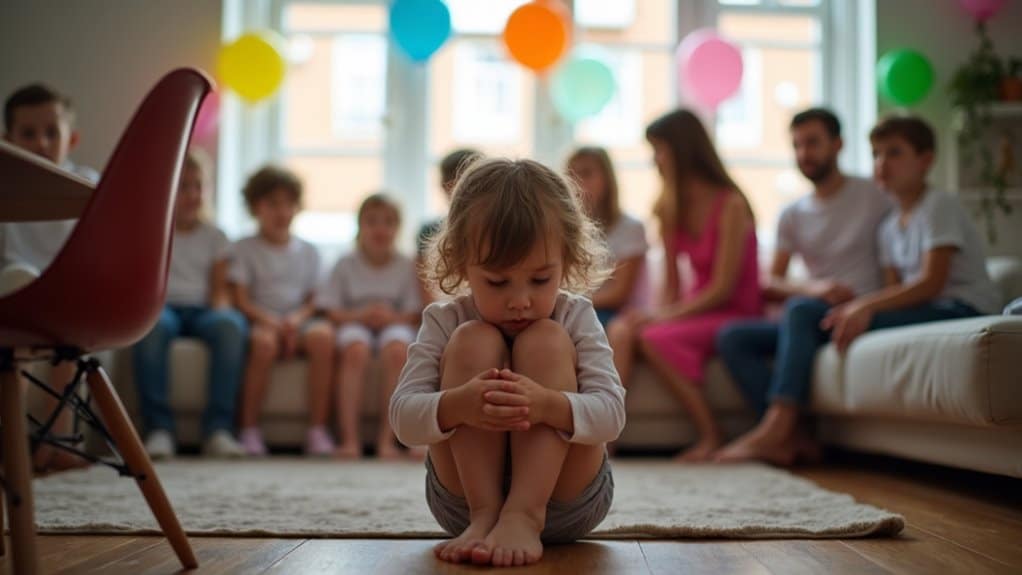
Understanding why your child struggles with social anxiety can help you respond with greater compassion and effectiveness. Research shows that genetics and family history play a significant role, if you or close relatives experience anxiety disorders, your child’s risk increases substantially due to inherited temperament traits like behavioral inhibition. Parental anxiety, rejection, and overcontrol are particularly important factors, with studies finding strong relationships between these parenting behaviors and elevated social anxiety symptoms in children. Childhood trauma or difficult early experiences can also contribute to the development of social anxiety disorder in vulnerable children. Today’s children also face unique environmental pressures, from academic competition and overscheduled lives to social media’s constant performance demands, which can amplify underlying vulnerabilities and trigger or worsen social fears.
Family History and Genetics
Research shows that if social anxiety runs in your family, your child faces a measurably higher risk of developing similar fears. Studies reveal that about 12% of social fear in kids stems from genetic factors, with multiple genes contributing rather than one single cause. Your child’s genetic makeup influences personality traits like extraversion and neuroticism, which directly affect social anxiety vulnerability.
Beyond inherited DNA, epigenetic changes, which are modifications in how genes function, also play pivotal roles. Early stressful experiences can alter these patterns, especially during critical developmental periods. Research examining DNA methylation differences has identified specific molecular changes associated with both social anxiety disorder and childhood adversity. Significantly, children who inherit extraverted traits may actually have protective factors against developing social anxiety. Research indicates that social anxiety shows a strong negative genetic correlation with extraversion, meaning genes associated with outgoing personality traits tend to protect against social fears. Several specific genes have been identified as contributors, including the SLC6A4 gene which affects serotonin transport and has been linked to social anxiety disorder development. Understanding this genetic component doesn’t mean destiny; it helps you recognize vulnerability early and seek appropriate support when needed.
Modern Stressors and Environment
Today’s children navigate a social milieu dramatically different from previous generations, facing pressures that can amplify vulnerability to social anxiety. Increased screen time children experience correlates with higher anxiety rates, while the digital environment children inhabit introduces unique stressors. Social media use children engage in creates constant opportunities for social comparison children struggle with, intensifying feelings of inadequacy and fear of judgment. Cyberbullying children encounter extends peer victimization beyond school hours into their homes. The pressure to maintain an online presence while managing fear of negative evaluation can be overwhelming. Furthermore, decreased face-to-face interaction may hinder natural social skill development, making real-world encounters more anxiety-provoking. Girls are disproportionately affected, being more likely to receive a social anxiety diagnosis than boys in community populations. Anxiety disorders tend to run in families, suggesting that inherited traits may contribute to a child’s vulnerability to developing social fears. Environmental factors such as urbanization and civil unrest have been identified as contributors that predispose children to psychological distress and related conditions. These modern environmental factors interact with individual temperament and other vulnerabilities, creating a complex tapestry that heightens risk.
The Importance of Early Detection: Screening Tools and Diagnostic Approaches
When a child begins withdrawing from birthday parties, refusing to raise their hand in class, or complaining of mysterious stomachaches before school, parents and teachers face a critical choice: wait and see if they’ll “grow out of it,” or take action. Early identification of school social anxiety dramatically increases the chances for effective intervention and better long-term outcomes, yet detection rates remain disappointingly low.
Validated screening tools like SCARED and SCAS can identify at-risk children in just 5, 10 minutes, making them practical for schools and pediatric offices. While these instruments show good sensitivity (0.67, 0.93), they’re not perfect, false positives occur, and you’ll need follow-up clinical interviews for definitive diagnosis. Research demonstrates that universal screening reduces missed opportunities to identify mental health conditions that might otherwise go undetected through clinical assessment alone. The SCAS-Child includes 44 items measuring six distinct anxiety dimensions, providing clinicians with a comprehensive understanding of a child’s specific anxiety profile. Multi-informant approaches, combining child, parent, and teacher reports, provide the most accurate picture of your child’s struggles.
Evidence-Based Treatment Options: From Therapy to Medication
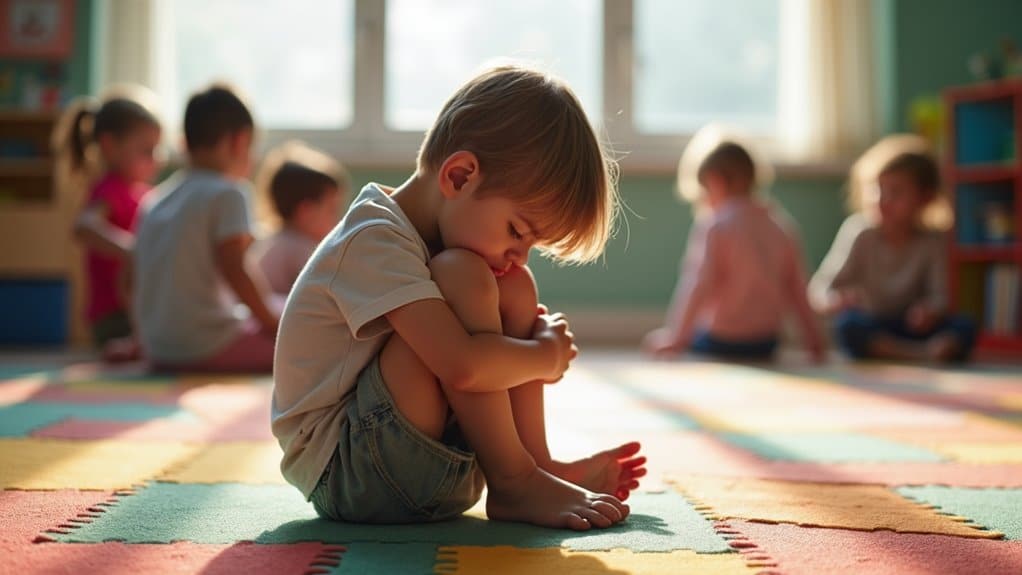
When your child struggles with social anxiety, you’ll find that evidence-based treatments offer real hope for recovery. Cognitive-Behavioral Therapy (CBT) stands as the initial treatment, helping children challenge anxious thoughts and gradually face feared social situations with proven success rates around 50-67%. For more severe cases or when therapy alone isn’t enough, medication, particularly SSRIs, can be added to support your child’s progress, with combined approaches showing the strongest outcomes.
Cognitive-Behavioral Therapy Benefits
Among evidence-based treatments for childhood social anxiety disorder, Cognitive-Behavioral Therapy (CBT) stands out as the most extensively researched and clinically effective intervention. Your child can learn to challenge self-conscious behavior and fear of judgment through structured techniques that directly address anxiety around people.
| CBT Component | How It Helps Your Child |
|---|---|
| Cognitive Restructuring | Challenges distorted thoughts about performance anxiety and social situations |
| Exposure Practice | Gradually faces feared interactions, reducing avoidance patterns |
| Coping Skills Training | Develops concrete strategies to manage physical symptoms and worry |
CBT demonstrates moderate to large effects in reducing symptoms, with recovery rates reaching 68% in some programs. Internet-delivered and school-based formats increase accessibility while maintaining effectiveness. Unlike typical shyness, social anxiety disorder requires this targeted intervention to prevent long-term impairment.
When Medication Is Needed
While Cognitive-Behavioral Therapy serves as the cornerstone treatment for childhood social anxiety disorder, your child may need medication if their symptoms are severe enough to interfere with daily functioning or prevent them from participating in therapy itself. SSRIs like sertraline and fluoxetine are prime choices, demonstrating significant symptom reduction in randomized controlled trials for social phobia children. These medications typically take 1, 2 weeks to show improvement and are generally well-tolerated with manageable side effects. Combined treatment, with medication paired with CBT, produces ideal outcomes when anxiety is moderate to severe. Clinical guidelines support this approach for children in the developmental stage of 6, 18, particularly when symptoms include school refusal, persistent distress, or panic attacks that prevent therapy engagement and impair your child’s emotional growth.
The Real-World Consequences of Untreated Social Anxiety in Youth
If social anxiety in children goes unrecognized or untreated, the ripple effects can extend far beyond momentary discomfort in social settings. Academically, your child may refuse to participate in class, miss school frequently, and struggle with lower grades compared to peers. Socially, they’ll find it harder to make friends, avoid extracurricular activities, and develop persistent feelings of inadequacy. Emotionally, untreated anxiety increases the risk of depression, chronic stress, and even suicidal thoughts as symptoms worsen over time. Physically, recurrent headaches, stomachaches, and sleep disturbances become common. Perhaps most concerning, adolescents may turn to alcohol or drugs to cope, dramatically raising their risk for substance use disorders. Early intervention isn’t just helpful, it’s essential for protecting your child’s long-term wellbeing.
Supporting Your Child: Practical Strategies for Parents and Caregivers
When your child freezes before entering a birthday party or begs to stay home from school yet again, you’re not witnessing defiance or laziness, you’re seeing genuine fear that deserves your compassionate response.
Your warmth and acceptance directly reduce anxiety symptoms, while rejection and excessive control intensify them. Create safety through open communication and stage-appropriate autonomy. Teach practical coping strategies: deep breathing, positive affirmations, and role-playing social scenarios at home. Build a “calm down” toolkit with sensory objects your child finds soothing.
Gradually expose your child to anxiety-triggering situations, starting small and celebrating each victory. Model confident social behavior yourself. If anxiety persists and impairs daily functioning, seek professional help. Cognitive-behavioral therapy offers the most effective evidence-based treatment, especially when you’re involved in sessions. It’s important to recognize that there are various types of anxiety disorders in children, each presenting unique challenges. Understanding these disorders can help tailor interventions that are most effective for your child’s specific needs. Additionally, it’s crucial to remember that children on the spectrum may experience anxiety differently than their neurotypical peers. Understanding anxiety in autistic kids can provide insights into their specific triggers and coping mechanisms.
Healing doesn’t happen on someone else’s timeline it starts when you’re ready. Miami Substance Abuse Treatment stands between you and the life you’re working toward, connecting you with Miami providers who lead with understanding, not judgment. From supervised detox to full residential care, flexible outpatient programs, or the steady guidance that keeps you moving forward! we’ll help you find your fit. Take the step that changes everything, call (786) 228-8884 and let’s map out what comes next.
Frequently Asked Questions
Can Social Anxiety Disorder Improve on Its Own Without Treatment?
While some children experience spontaneous improvement, social anxiety disorder rarely resolves fully on its own. Research shows that about half of children may see some symptom reduction over time, but only a minority achieve complete remission without treatment. Social anxiety tends to be more persistent than other childhood anxiety disorders, and waiting often means your child continues struggling with friendships, school participation, and confidence. Early intervention greatly improves outcomes and prevents long-term difficulties.
How Do Teachers Differentiate Shyness From Social Anxiety Disorder in Students?
You’ll notice shyness involves temporary discomfort that doesn’t disrupt daily functioning, while social anxiety disorder causes intense, persistent fear leading to complete avoidance of required activities like speaking in class. Watch for physical symptoms such as shaking, stomachaches, or crying, that occur regularly before social situations. SAD students can’t participate even when they know the material, experience anticipatory distress days beforehand, and avoid all peer interactions. If avoidance persists across settings for six months, it’s likely SAD requiring professional support.
Are There Specific Parenting Styles That Increase Social Anxiety Risk?
Yes, certain parenting styles considerably increase social anxiety risk. Overprotective and controlling approaches, especially maternal control involving criticism or guilt, correlate strongly with heightened social anxiety. Authoritarian parenting (high strictness, low warmth) and permissive parenting (minimal guidance) both amplify anxiety levels. Conversely, you’ll see protective effects with authoritative parenting that balances warmth with consistent boundaries. Emotional warmth from both parents, particularly fathers, reduces social anxiety, while lack of affection increases risk substantially.
Can Children With Social Anxiety Disorder Participate in Sports or Clubs?
Yes, children with social anxiety can participate in sports and clubs, though they’re less likely to join without support. Team sports are especially helpful, they’re linked to lower anxiety, fewer social problems, and improved emotional regulation. Start with activities matching your child’s interests, use gradual exposure, and choose supportive environments with aware coaches. Peer buddies and positive feedback build confidence. With the right approach, participation becomes a powerful tool for reducing anxiety and developing social skills.
What Should Parents Say When a Child Refuses School Due to Anxiety?
Acknowledge your child’s feelings with calm, validating language like, “I can see school feels really hard right now.” Avoid dismissing their anxiety or negotiating about staying home. Instead, express understanding: “Many kids feel nervous about school, and it’s okay to talk about it.” Gently affirm that they’ll attend when safe, and reassure them you’ll work in conjunction with teachers and counselors to address what’s making school feel overwhelming.