

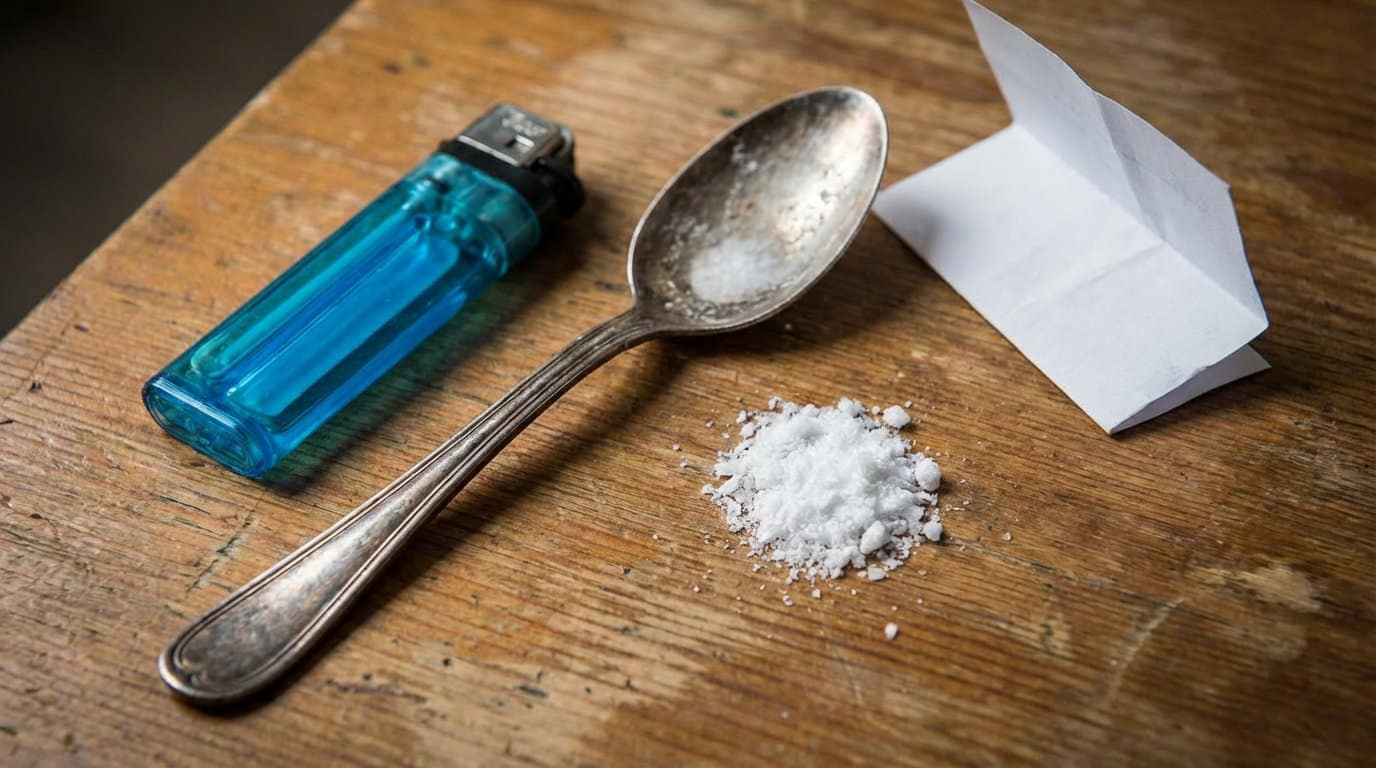




Freebase cocaine is the purified, smokable form of cocaine created by chemically removing the hydrochloride salt from powder cocaine. When you smoke freebase, it reaches your brain within 10-15 seconds, far faster than snorted powder’s 15-30 minute onset. This rapid delivery produces intense but short-lived effects lasting only 10-30 minutes, which drives compulsive redosing and accelerates addiction development. Understanding these pharmacological differences can help you recognize the unique risks involved.
What Is Freebase Cocaine?
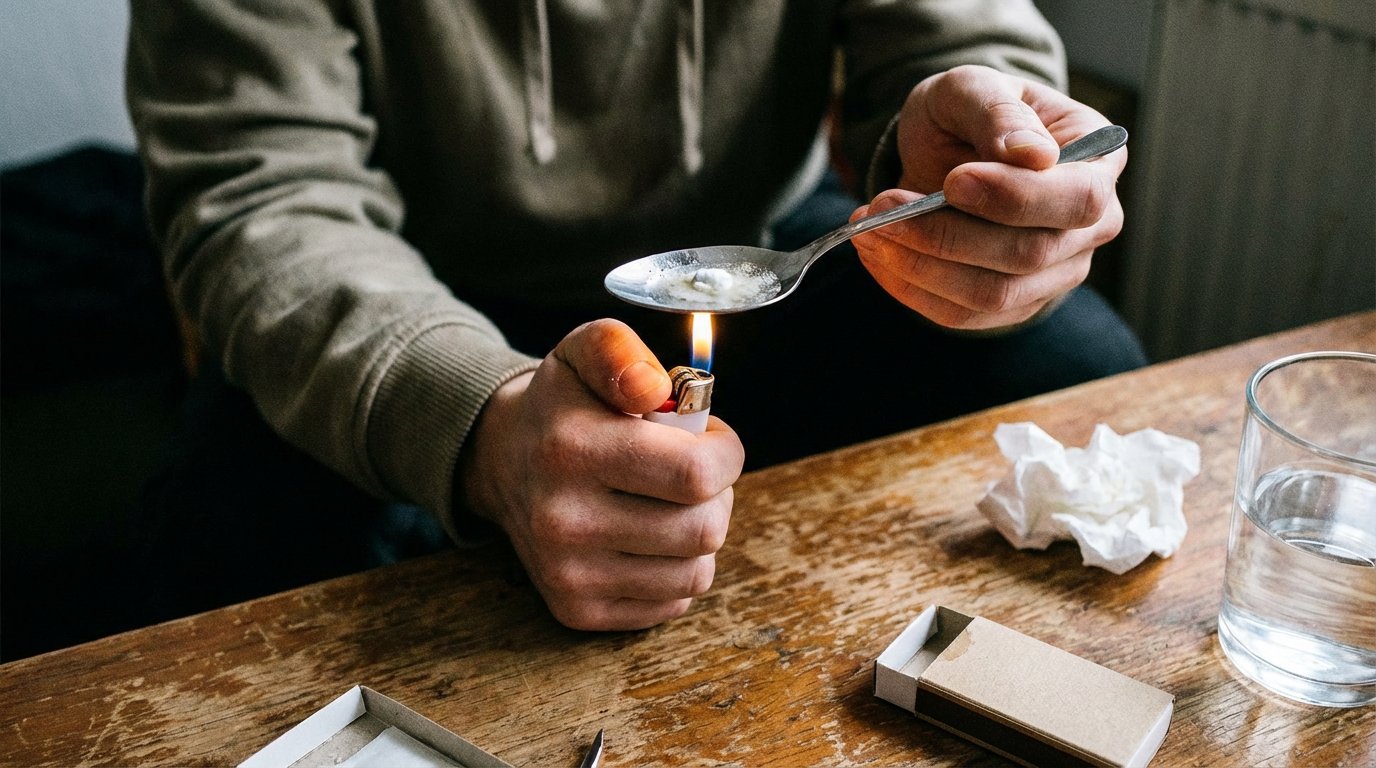
How does freebase cocaine differ from the powder form most people recognize? The distinction lies in chemical structure. Freebase cocaine is the neutral, alkaline form created by removing the hydrochloride salt from powder cocaine through a chemical conversion process.
When you understand this difference, you’ll recognize why the substance behaves differently in your body. The chemical formula changes from C17H22ClNO4 (cocaine hydrochloride) to C17H21NO4 (freebase cocaine). This conversion produces nearly pure crystalline cocaine, almost 100% pure compared to street powder cocaine.
The resulting substance has a low melting point, making it suitable for smoking. It’s insoluble in water, which prevents injection. These chemical characteristics directly influence how freebase cocaine enters your bloodstream and affects your brain. This high lipid solubility allows the drug to be rapidly absorbed through the lungs, producing an intense but short-lived high. Once inhaled, the alkaloid is rapidly transported throughout the body, reaching the brain within seconds. The peak of the rush is rapid, and the high typically lasts only five to 10 minutes afterward, which often leads users to consume more in quick succession.
Freebase vs. Powder Cocaine vs. Crack: Key Differences
Understanding the differences between freebase, powder cocaine, and crack starts with recognizing their distinct chemical forms, powder exists as a water-soluble salt, while freebase and crack are converted to base forms with low water solubility. These chemical differences directly determine how you can use each substance, as powder is typically snorted or injected, while freebase and crack are smoked. The method of administration dramatically impacts potency and onset speed, with smoked forms reaching your brain within seconds compared to the 15-30 minutes required for snorted powder. Crack cocaine effects are not only more rapid but also shorter-lived, which often leads to repeated use and contributes to strong psychological dependence.
Chemical Form Differences
Although freebase cocaine, powder cocaine, and crack cocaine all derive from the same parent compound, their chemical structures create distinct differences in how each form behaves in the body.
Cocaine free base has the molecular formula C17H21NO4, representing the neutral, uncharged molecule. Powder cocaine contains an additional chlorine atom and hydrogen (C17H22ClNO4), forming the hydrochloride salt. This ionic structure makes powder cocaine water-soluble, while free base cocaine dissolves only in non-polar solvents. The water-soluble nature of powder cocaine makes it suitable for limited medical use as a topical anaesthetic.
When you smoke freebase cocaine, its non-polar nature allows it to cross the blood-brain barrier more efficiently than the charged salt form. The freebase form is easily volatilized by high temperatures, allowing it to be vaporized and breathed directly into the lungs. At physiological pH, only about 6% of cocaine remains in its base form. This chemical reality explains why converting cocaine to its freebase form dramatically increases absorption speed and intensity when inhaled.
Methods of Administration
The chemical differences between cocaine forms directly shape how each enters your body and reaches your brain. When you understand what does freebasing cocaine mean, you’ll recognize it involves smoking purified cocaine base through a glass pipe. This method delivers approximately 32% of the dose directly to your lungs, with over 90% absorbed within the first four puffs.
Freebase cocaine meaning becomes clearer when compared to powder insufflation, which takes 3-5 minutes to reach your bloodstream and peaks at 20 minutes. Freebasing cocaine bypasses nasal mucosa limitations entirely. Crack smoking offers similar rapid delivery but uses a different preparation method, though crack locks impurities in while freebasing removes them. Intravenous injection reaches your brain within one minute but carries additional risks from additives. Injecting cocaine can also cause potentially fatal allergic reactions if left untreated. Each freebase cocaine administration route produces distinct onset times and intensity profiles. Smoking produces what users describe as an indescribably intense sensation compared to intranasal or even intravenous methods of administration.
Potency and Onset Speed
Several critical factors distinguish freebase cocaine from powder cocaine and crack, with potency and onset speed ranking among the most clinically pronounced. Understanding the freebasing cocaine meaning helps you grasp why this form creates heightened risks.
When you smoke cocaine freebase, vapors reach your brain within seconds, producing effects in 10-15 seconds. Compare this to snorted powder, which peaks in 15-30 minutes. The effects of snorted cocaine actually peak about an hour after consumption, making the contrast with freebase even more dramatic.
Key differences you should understand:
- Potency: Freebase cocaine delivers purer, more concentrated effects than powder forms
- Onset: Free base cocaine meaning relates directly to its rapid absorption, seconds versus minutes
- Duration: Freebase highs last 10-30 minutes; powder effects persist approximately one hour
- Risk: Faster onset and shorter duration increase compulsive redosing patterns
This pharmacokinetic profile makes freebase considerably more dependency-promoting than insufflated cocaine hydrochloride.
What Smoking Freebase Cocaine Does to Your Body
When you smoke freebase cocaine, the drug reaches your brain within seconds, producing an intense but short-lived high that drives repeated use. This rapid delivery method puts immediate strain on your cardiovascular system, causing dangerous spikes in heart rate and blood pressure that can trigger cardiac events. Your lungs also take direct damage from the hot vapors, leading to chronic respiratory problems that worsen with continued use. The neurological impact can cause cognitive impairments and emotional disturbances that affect your ability to process information and regulate your mood.
Rapid Brain Delivery Effects
Smoking freebase cocaine delivers the drug to your brain within 10-15 seconds, triggering an immediate flood of dopamine that creates intense euphoria. This rapid delivery method also releases serotonin and norepinephrine, dramatically increasing your alertness and energy levels. The high from freebased cocaine typically lasts approximately 30 minutes.
Your brain experiences significant stress from this delivery method:
- Immediate restlessness, irritability, and anxiety emerge as neurological responses
- Seizures can occur even with small doses, particularly in sensitive individuals
- Paranoia and hallucinations develop as acute toxicity symptoms
- Rapid blood pressure fluctuations cause neurological stress and potential permanent damage
The speed at which freebased cocaine reaches your brain makes it particularly dangerous, as life-threatening cardiac events or seizures can occur regardless of how frequently you’ve used.
Respiratory and Cardiac Damage
Nearly two-thirds of freebase cocaine users experience respiratory symptoms, including persistent cough, sputum production, and shortness of breath during physical activity. When you smoke freebase cocaine, you’re exposing your lungs to acute injury that can progress to serious pulmonary damage over time.
The heat and chemicals cause direct harm to your airways, from your mouth and throat down to your lung tissue. You may develop pulmonary hemorrhage, noncardiogenic edema, or permanent lesions. Your risk of pneumonia and other respiratory infections increases markedly.
Your cardiovascular system also takes a hit. Smoking freebase cocaine elevates your heart rate and blood pressure, triggers palpitations, and can cause irregular heartbeats. In severe cases, you face the risk of cardiac arrest or heart failure. These aren’t rare complications, they’re documented consequences of repeated use.
Why Freebase Cocaine Is So Addictive
Because freebase cocaine reaches the brain within seconds through the lungs, it creates one of the most rapidly addictive drug experiences known to medicine. When you’re freebasing cocaine, the intense euphoria lasts only 5-10 minutes before crashing, driving immediate compulsive redosing.
Your brain’s reward system becomes hijacked through several mechanisms:
- Dopamine flooding blocks normal reuptake, overstimulating pleasure receptors
- Rapid tolerance develops, requiring higher doses to achieve initial effects
- Neuroplastic changes alter decision-making and stress-response brain regions
- Behavioral sensitization increases relapse vulnerability even after abstinence
The short high-crash cycle creates psychological dependence faster than snorted or injected forms. You’ll experience intense cravings, depression, and anxiety during withdrawal, reinforcing the compulsion to use again immediately. Repeated cocaine use can alter brain structure, physically reinforcing the cycle of addiction and making recovery increasingly difficult without professional intervention. Studies have ranked cocaine as the second most dependence-forming substance in terms of physical harm potential, highlighting why professional treatment is essential for those struggling with freebase addiction.
Health Risks of Smoking Freebase Cocaine
When you smoke freebase cocaine, you’re exposing your body to severe health consequences that affect nearly every major organ system. Base cocaine delivers concentrated doses directly to your lungs, creating immediate and greatly impactful damage. The difference between freebase and crack lies primarily in their preparation and method of use. Freebase cocaine is a pure form that is often smoked, while crack is processed with baking soda and water, resulting in small, solid “rocks” that can also be heated and inhaled. Both forms have devastating effects on the body, but the intensity and immediacy of damage can vary depending on how they are consumed.
| System | Acute Risks | Long-Term Consequences |
|---|---|---|
| Respiratory | Pulmonary hemorrhage, edema | Chronic bronchitis, lung scarring |
| Cardiovascular | Heart attack, cardiac arrest | Hypertension, heart failure |
| Neurological | Seizures, paranoia | Cognitive impairment, psychosis |
| Mental Health | Panic attacks, hallucinations | Depression, mood disorders |
| Systemic | Overdose, toxicity | Kidney damage, malnutrition |
Your overdose risk increases immensely because base cocaine absorbs rapidly through lung tissue. Even first-time users face life-threatening emergencies. Mixing with alcohol compounds these dangers, potentially leading to sudden death.
Freebase Cocaine Withdrawal: What to Expect

When you stop using freebase cocaine, your body goes through a predictable withdrawal process that typically unfolds over several weeks. You’ll likely experience intense cravings, fatigue, depression, and sleep disturbances that peak during the first two weeks before gradually improving. Some people also experience vivid dreams and night terrors during the first week as withdrawal symptoms intensify. Physical symptoms such as headaches and tremors may also occur as your body adjusts to functioning without the drug. Understanding this timeline and working with medical professionals can help you manage symptoms safely and reduce your risk of relapse.
Common Withdrawal Symptoms
Although freebase cocaine withdrawal isn’t typically life-threatening, you’ll likely experience a range of uncomfortable physical and psychological symptoms as your body adjusts to functioning without the drug.
Common withdrawal symptoms include:
- Fatigue and extreme exhaustion, often lasting days to weeks
- Depressed mood that may include feelings of hopelessness or suicidal thoughts
- Anxiety, paranoia, and panic attacks
- Intense cravings that can persist for months
You may also notice headaches, increased appetite, sleep disturbances, and difficulty concentrating. Physical symptoms like tremors, sweating, and muscle aches are common during the initial crash phase.
These symptoms typically peak within the first week and gradually decrease over time. However, psychological symptoms and cravings often linger longer, making ongoing support essential for your recovery.
Withdrawal Timeline Overview
The withdrawal timeline for freebase cocaine follows a predictable pattern, though your individual experience will vary based on factors like duration of use, frequency, and overall health.
During the crash phase, which occurs within hours of your last use and lasts up to three days, you’ll likely experience extreme fatigue, intense cravings, and irritability. Days four through seven bring acute withdrawal with persistent cravings and sleep disturbances.
Symptoms typically peak during weeks one and two, when psychological effects dominate. You may notice mood swings, depression, and physical discomfort like headaches.
Managing Withdrawal Safely
Managing withdrawal safely requires understanding that freebase cocaine detox carries real risks you shouldn’t face alone. When you’re recovering from freebasing cocaine, severe depression and suicidal thoughts can emerge during the acute crash phase. Professional medical supervision provides critical monitoring during these vulnerable first days.
What does it mean to freebase cocaine concerning withdrawal? You’ll need structured support to navigate intense symptoms. Safe detox strategies include:
- Seeking professional medical detox for 24/7 supervision and symptom management
- Accessing helplines for immediate treatment referrals when you need guidance
- Working with clinicians who can prescribe medications for anxiety and sleep disturbances
- Engaging therapy to address protracted cravings and emotional instability
Understanding what freebasing cocaine withdrawal entails helps you prepare. Don’t attempt self-detox, professional care drastically reduces complications.
Signs Someone Is Using Freebase Cocaine
How can you tell if someone you care about may be using freebase cocaine? Physical signs often appear first, watch for dilated pupils, burned lips or fingers from smoking, significant weight loss, and a decreased appetite.
Behavioral changes can be equally telling. You might notice restlessness, sudden bursts of energy, overconfidence, or neglected responsibilities at home and work. Mood swings and irritability often accompany these shifts.
Paraphernalia indicators provide concrete evidence. Look for glass pipes, small baggies, or items hidden among everyday belongings. Burned foil or hollowed-out objects may also signal use.
You should also recognize withdrawal symptoms like fatigue, depressed mood, and intense cravings. If you’re observing these patterns, it’s time to seek professional guidance and support options.
How Freebase Cocaine Addiction Develops
When someone first tries freebase cocaine, addiction rarely develops overnight, it follows a predictable progression through distinct stages.
Addiction to freebase cocaine doesn’t happen instantly, it develops through recognizable stages that unfold over time.
Initially, you might experiment with freebase cocaine out of curiosity or social pressure, experiencing few immediate consequences. As tolerance builds, you’ll need higher doses to achieve the same effects, and your brain chemistry begins shifting.
The progression typically includes:
- Experimentation: Trying freebase cocaine in social settings with no intention of regular use
- Escalation: Developing tolerance and justifying increased consumption
- Dependence: Experiencing withdrawal symptoms and intense cravings when not using
- Crisis: Facing severe health complications, legal problems, and social isolation
Risk factors like childhood trauma or conduct disorders can accelerate this timeline. Recognizing which stage you’re in helps determine appropriate intervention strategies.
Getting Help for Freebase Cocaine Addiction
Because freebase cocaine creates rapid dependence and intense withdrawal symptoms, seeking professional treatment substantially improves your chances of successful recovery. Medically supervised detox manages severe cravings and depression while monitoring your heart function and mental health during the critical first week.
Treatment options include inpatient programs offering 24/7 support for severe cases or intensive outpatient programs that let you return home at night. Evidence-based therapies like cognitive behavioral therapy address harmful thought patterns, while contingency management rewards your positive behaviors.
You can access help through SAMHSA’s free, confidential 24/7 helpline or by contacting rehabilitation centers directly for insurance verification. Specialized programs exist for professionals, veterans, and those with co-occurring mental health conditions. Long-term aftercare prevents relapse and supports sustained recovery.
What to Look for in Freebase Cocaine Treatment Programs
Sorting through treatment options can feel overwhelming, but knowing what to look for helps you find a program that matches your specific needs. Medically supervised detox provides safe withdrawal management, which is essential given cocaine’s intense psychological effects. Following detox, inpatient and residential treatment offers 24/7 support during early recovery.
Finding the right treatment program starts with understanding your unique needs and seeking medically supervised care for safe recovery.
Look for programs that include:
- Stimulant-specific interventions designed for cocaine addiction
- Dual diagnosis treatment for co-occurring mental health conditions
- Evidence-based therapies like cognitive behavioral therapy
- Inclusive aftercare planning for sustained sobriety
You’ll want certified professionals who understand freebase cocaine’s unique challenges. Programs should offer individualized treatment plans rather than one-size-fits-all approaches. Family involvement options can help rebuild relationships damaged during active addiction. Don’t hesitate to verify insurance coverage and ask about their continuum of care services.
Frequently Asked Questions
Can Freebase Cocaine Be Detected on Standard Drug Tests?
Yes, standard drug tests can detect freebase cocaine. When you use freebase cocaine, your body metabolizes it into benzoylecgonine, which standard urine tests screen for at a 300 micrograms per liter cutoff. You’ll typically test positive for 2-4 days after single use, or up to 14 days with frequent use. However, confirming the specific smoking route requires specialized testing for AEME or ecgonidine markers, which standard panels don’t include.
Is Freebase Cocaine Legal Anywhere in the World?
No country fully legalizes freebase cocaine for recreational use. You’ll find it’s controlled under the United Nations 1961 Single Convention on Narcotic Drugs, which most nations enforce. Some countries like Spain, Switzerland, and Venezuela have decriminalized small amounts for personal use, meaning you’d face fines rather than imprisonment. However, decriminalization isn’t legalization, you still can’t legally purchase or possess it without potential consequences.
How Long Does Freebase Cocaine Stay in Your System?
Freebase cocaine typically stays in your system for varying lengths depending on the test type. You’ll test positive in urine for 2-4 days after single use, extending up to 14 days with chronic use. Blood tests detect it for 12-48 hours, while saliva tests show positive results for 24-48 hours. Your metabolism, hydration levels, frequency of use, and overall health all influence how quickly your body eliminates the substance.
What Is the Street Price of Freebase Cocaine?
You’ll typically find freebase cocaine priced between $60-$200 per gram on the street, with averages around $120-$160 per gram in the United States. Ounce quantities range from $700-$2,000, while kilogram prices span $13,000-$70,000 depending on wholesale or retail levels. Your location, product purity, and proximity to supply sources profoundly influence these prices. Urban areas and regions with strict enforcement often see higher costs due to increased trafficking risks.
Can Naloxone Reverse a Freebase Cocaine Overdose?
No, naloxone can’t reverse a freebase cocaine overdose. Naloxone works by blocking opioid receptors, but cocaine is a stimulant that acts through dopamine pathways, completely different mechanisms. If you’re witnessing a cocaine overdose, you’ll need to call emergency services immediately. Treatment focuses on stabilizing critical signs, managing seizures with benzodiazepines, and addressing cardiac complications. There’s no specific antidote for cocaine toxicity, making professional medical intervention indispensable.