

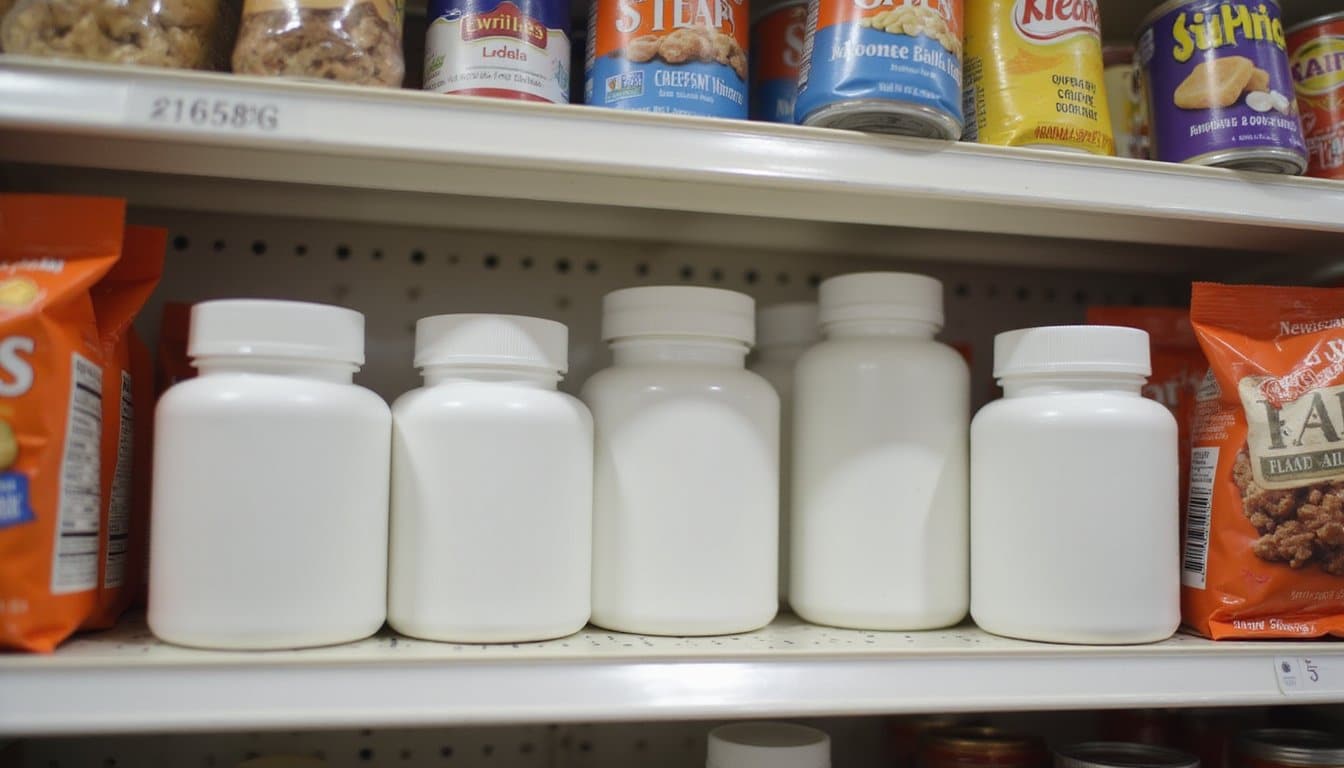

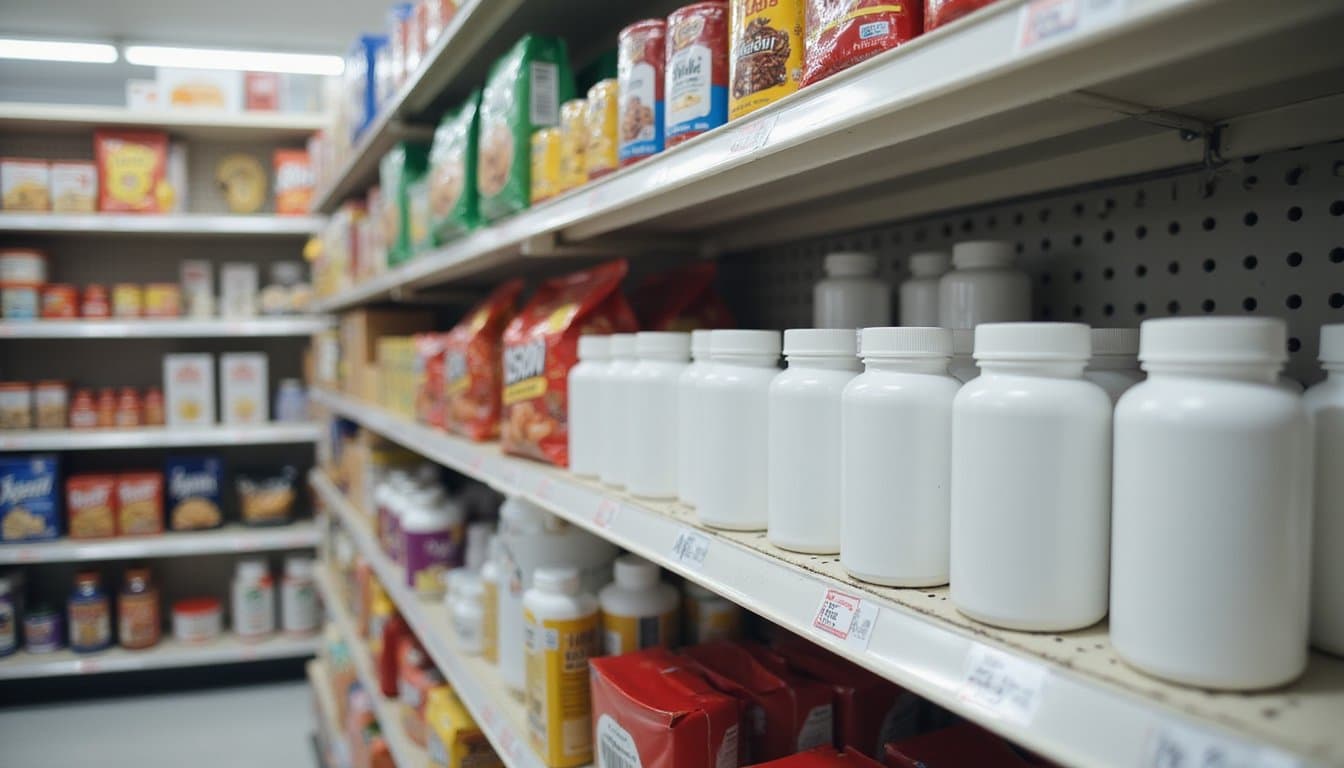
Gas station heroin is tianeptine, a synthetic antidepressant developed in France that’s never received FDA approval in the U.S. You’ll find it sold as a dietary supplement or nootropic, but at recreational doses, sometimes exceeding 10,000 mg, it activates your brain’s mu-opioid receptors, producing euphoria, sedation, and dangerous respiratory depression. It’s controversial because it’s still legal in most states, completely unregulated, and triggers withdrawal symptoms that mirror heroin. Understanding its full risks can change how you see this hidden threat. Many consumers unaware of gas station drug trends in America might assume these substances are safe due to their legality and availability. However, the lack of regulation means that products can vary significantly in potency and purity, increasing the risk of severe adverse effects. As more individuals turn to these unregulated options, public health officials are urged to raise awareness about the dangers associated with such drugs.
What Is Gas Station Heroin, Really?

Several products lining the shelves of gas stations and smoke shops go by names like Zaza Red, Tianaa, Neptune’s Fix, and Pegasus, but they’ve earned a far more alarming nickname: gas station heroin. These products contain tianeptine, a synthetic compound originally developed in France during the 1960s as a tricyclic antidepressant. While it’s prescribed abroad at low therapeutic doses for depression and anxiety, it’s never received FDA approval in the United States. They are also widely sold online, expanding their reach well beyond physical retail locations. As consumers become increasingly unaware of the hidden risks of gas station substances, they may unknowingly expose themselves to dangerous side effects. Reports indicate that these unregulated products can lead to addiction and other severe health complications. It’s crucial for individuals to remain vigilant and informed about the potential dangers that come with these seemingly innocuous items found in convenient locations.
The tianeptine controversy centers on how these products are marketed. You’ll find them labeled as dietary supplements, nootropics, or brain enhancers, classifications that help them sidestep regulatory scrutiny. At high recreational doses, tianeptine produces opioid-like effects, including euphoria, which directly explains the heroin comparison. This disconnect between marketing and pharmacological reality drives the ongoing debate. Because manufacturers are not held to strict regulatory standards, these products may vary in potency, making each dose unpredictable and potentially dangerous. Serious adverse events linked to tianeptine use include slowed or stopped breathing, coma, heart arrhythmia, and even death.
How Gas Station Heroin Mimics Opioids in Your Brain
At high doses, tianeptine binds directly to mu-opioid receptors in the brain, the same receptors activated by heroin, morphine, and oxycodone. While therapeutic doses range from 25, 50 mg daily, recreational users consume up to 10,000 mg, shifting tianeptine’s mechanism from antidepressant to full opioid agonist. This produces euphoria, sedation, and respiratory depression indistinguishable from traditional narcotics.
| Effect | Therapeutic Dose (25, 50 mg) | Misuse Dose (3,000, 10,000 mg) |
|---|---|---|
| Primary Action | Serotonin modulation | Mu-opioid receptor activation |
| Mood Effect | Antidepressant relief | Heroin-like euphoria |
| Risk Level | Low | Respiratory failure, seizures |
These opioid-mimicking properties are precisely why tianeptine supplement legality remains fiercely debated, you’re accessing unregulated opioid-like effects without medical oversight.
Why Gas Station Heroin Is So Dangerous

Every bottle of a tianeptine supplement is a gamble, manufacturers aren’t held to tight regulatory standards, so one batch may contain markedly different potency than the next from the same brand. You’re also exposed to contamination risks, including lead, heavy metals, salmonella, and mold. Some products contain undisclosed ingredients like kratom, synthetic drugs, or barbiturates.
The health consequences of gas station heroin are severe. Tianeptine commonly triggers agitation, rapid heart rate, hypertension, and confusion. At dangerous doses, you risk slowed or stopped breathing, coma, cardiac arrhythmia, and death. The substance can also induce psychosis, seizures, and kidney damage. understanding gas station heroin risks is crucial for anyone considering its use. Many users are unaware of the dangerous interactions it may have with other substances, which can exacerbate its harmful effects.
Combining tianeptine with alcohol, benzodiazepines, or other sedatives dramatically amplifies your overdose risk. Without accurate labeling, you can’t determine what you’re actually consuming or how much.
What Gas Station Heroin Withdrawal Feels Like
Beyond the immediate dangers of use, gas station heroin creates a punishing cycle of physical dependence that makes quitting extraordinarily difficult. Withdrawal symptoms begin within hours of your last dose, mirroring classic opioid withdrawal patterns. You’ll experience severe anxiety, deep depression, and intense cravings that drive repeated failed quit attempts.
Physically, gas station heroin withdrawal produces muscle aches, restless leg syndrome, tremors, chills, and tachycardia. Gastrointestinal distress, including nausea, vomiting, and diarrhea, increases your dehydration risk considerably. Insomnia disrupts recovery while mood swings destabilize your psychological state.
Perhaps most alarming, suicidal ideation can worsen during withdrawal cycles. The rapid return of these symptoms after abrupt cessation traps you in a distress loop that demands professional medical intervention rather than unsupervised attempts to quit.
Where Gas Station Heroin Is Still Legal

Only about a dozen states have explicitly banned tianeptine, which means gas station heroin remains accessible across much of the country. You can still find gas station psychoactive products containing tianeptine in states without specific prohibitions, sold under brand names like Zaza Red, Tianaa, and Pegasus.
With only a dozen state bans in place, gas station heroin remains alarmingly easy to buy across most of America.
The legal gray area persists because:
- Federal inaction: Tianeptine isn’t classified under the Controlled Substances Act, leaving regulation to individual states.
- Supplement loopholes: The FDA doesn’t preapprove dietary supplement ingredients, allowing manufacturers to exploit gaps in oversight.
- Limited enforcement: FDA actions are restricted to warning letters and import alerts, which haven’t deterred widespread sales.
You should know that several states, including South Dakota and Delaware, are actively pursuing bans, but federal classification remains stalled.
Support Is Just One Call Away
Gas station drugs can be just as addictive and dangerous as illegal substances. At Miami Outpatient Detox, we connect individuals with licensed detox centers offering a full range of Detox Programs to help you take the first step toward recovery. Call (786) 228-8884 today and let us guide you toward the right care.
Frequently Asked Questions
Can Gas Station Heroin Show up on a Standard Drug Test?
No, gas station heroin won’t show up on a standard drug test. Most routine panels screen for common substances like opioids, cannabis, and alcohol but don’t include tianeptine. This means you could test negative even while actively misusing it. Specialized single-panel strip tests and advanced lab methods like gas chromatography-mass spectrometry can detect tianeptine, but they’re not yet widely available. You shouldn’t assume a clean test means safe use.
Will Naloxone Reverse a Gas Station Heroin Overdose Effectively?
Naloxone can partially reverse a gas station heroin overdose, especially respiratory depression, since tianeptine activates mu-opioid receptors similarly to traditional opioids. However, you shouldn’t rely on it as a complete solution. Tianeptine’s tricyclic structure produces effects beyond opioid activity that naloxone won’t address, and you may need repeat doses because naloxone wears off faster. You should always call emergency services immediately, naloxone’s a critical bridge, not a standalone treatment.
Are Teenagers the Primary Demographic Purchasing Gas Station Heroin Products?
You shouldn’t assume teenagers are the primary demographic, as available data doesn’t single out one age group. Poisoning cases surged from 11 between 2000, 2013 to 155 in 2020 alone across various demographics. However, you should recognize that gas station heroin’s easy availability in convenience stores and misleading marketing as a dietary supplement for energy and focus does create significant risk for younger consumers who may perceive these products as safe and legitimate.
How Does Gas Station Heroin Interact With Alcohol or Prescription Medications?
If you mix tianeptine products with alcohol or prescription medications, you’re greatly increasing your risk of overdose. Tianeptine stimulates mu-opioid receptors, so combining it with benzodiazepines, opioids, or alcohol can dangerously slow your breathing. Unpredictable dosing in these unregulated products, ranging from 50mg to 10,000mg, amplifies these risks further. Undisclosed ingredients may also interact harmfully with antidepressants or sedatives. Reported outcomes include seizures, respiratory failure, psychosis, and death.