






Weed can be sprayed with substances ranging from harmless terpene solutions to toxic pesticides like myclobutanil, which releases hydrogen cyanide when heated. You’ll encounter terpene sprays using food-grade carriers like ethanol or propylene glycol to enhance aroma, but contaminated products may contain carcinogens like carbaryl or heavy metals including lead and cadmium. Understanding the difference between safe additives and dangerous chemicals helps you identify warning signs and source clean, lab-tested cannabis. While it may be easy to assume that all weed sprays are safe, it’s important to assess the ingredients carefully. Sprays that contain synthetic chemicals can not only affect the quality of your cannabis but may also pose health risks if inhaled or consumed. Therefore, determining whether a specific product is sprayed weed dangerous is crucial for ensuring your safety and well-being.
What Gets Sprayed on Weed: Safe and Dangerous
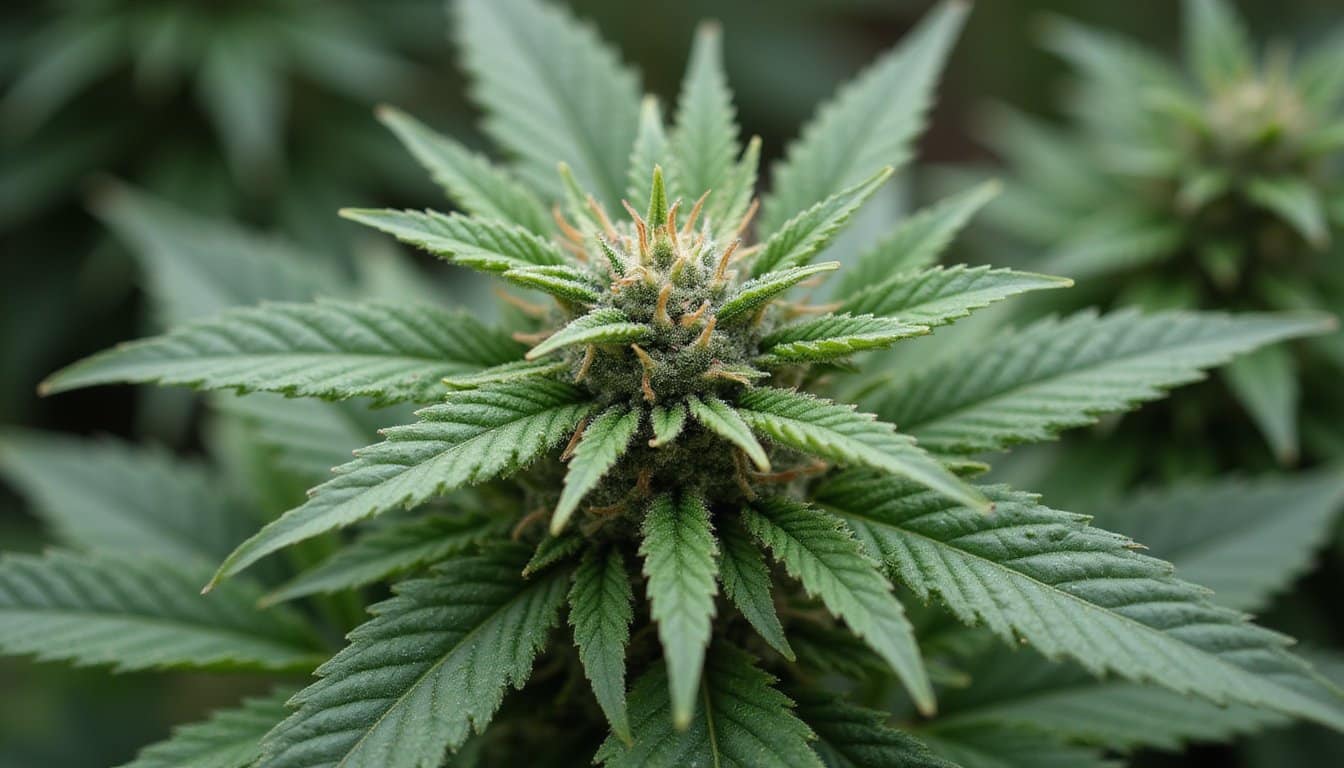
When cannabis flower lacks the aromatic intensity buyers expect, processors often turn to terp spray, a terpene-infused liquid applied via surface atomization to boost scent and flavor profiles.
Terpene spray cannabis products typically contain terpenes diluted in carrier solvents like ethanol, propylene glycol, or vegetable glycerin. These ingredients are generally food-grade and considered safe for consumption. However, the safety profile shifts dramatically in unregulated markets.
Beyond legitimate terpene applications, you may encounter flower sprayed with pesticides, synthetic cannabinoids, growth regulators, or undisclosed flavoring agents. Without lab testing, you can’t determine what compounds are present. Carrier residues from even “safe” sprays can cause throat irritation, harsh flavors, and combustion issues. Some terpene sprays are also used during cultivation to mask cannabis scent and reduce detection during the growing process. The atomization process itself accelerates terpene degradation by subjecting compounds to physical stresses during application. The distinction between safe and dangerous ultimately depends on what’s sprayed, concentration levels, and market regulation. Botanical terpenes offer a safer alternative because they are standardized with safety data sheets and laboratory-certified for human consumption.
Harmful Chemicals Found on Contaminated Cannabis
The distinction between “enhanced” and “contaminated” cannabis collapses when you examine what laboratory testing actually reveals on regulated market products. Pesticide contaminated weed isn’t limited to illicit sources, California testing found chlorfenapyr at 2,000 times EPA-permitted levels and pymetrozine at 839 times allowable limits in legal products. Many of these chemicals, including chlorfenapyr and pymetrozine, are known endocrine disruptors and developmental toxins.
Even legal cannabis fails safety standards, California products showed pesticides at thousands of times permitted levels.
Laboratory analysis consistently identifies these harmful compounds:
- Myclobutanil, decomposes into hydrogen cyanide when heated, causing respiratory distress
- Propargite, linked to brain-cell death and increased Parkinson’s incidence
- Carbaryl, classified carcinogen, highly toxic across all consumption methods
- Bifenthrin, possible human carcinogen inadequately screened by regulators
Heavy metals compound these risks. Cannabis hyperaccumulates lead, cadmium, and arsenic from contaminated soil, while PFAS enters through irrigation systems. Cadmium exposure is particularly concerning as it causes kidney damage, bone loss, and cancer. Testing revealed 79 toxic chemicals across 370+ legal products. Beyond chemical contamination, illicit sellers may spray flowers with synthetic cannabinoids or fentanyl, substances that can cause devastating side effects and addiction.
Terpenes and Other Safe Cannabis Additives
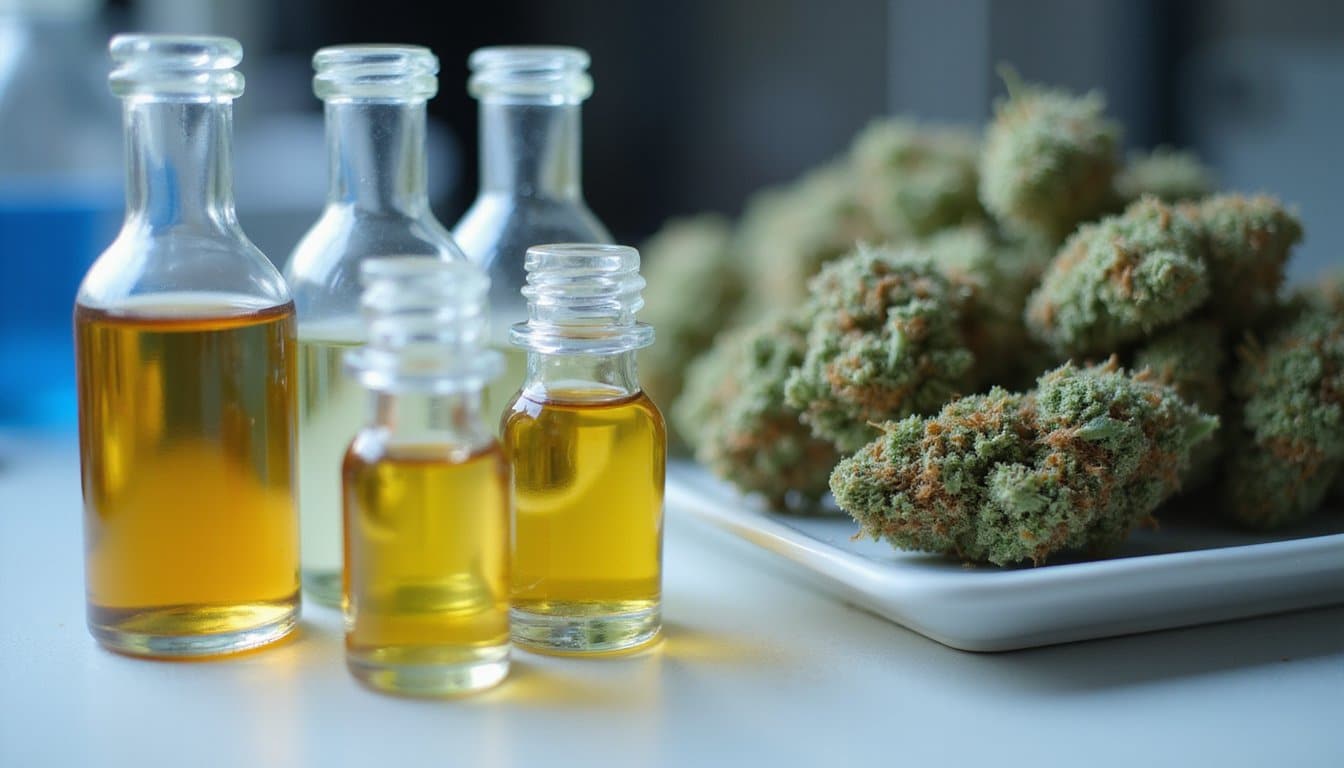
Unlike the pesticides and heavy metals that contaminate cannabis through negligent cultivation practices, terpenes represent compounds already native to the plant’s chemical architecture. Natural flower contains 1-3% total terpenes by dry weight, with 20-40 distinct compounds creating aromatic complexity. Many qualify as FDA GRAS for food applications.
When you encounter terpene sprayed weed, you’re dealing with added concentrations of these same molecules. The distinction lies in source and quantity, cannabis-derived versus synthetic formulations. Professional formulations typically target 3-8% terpene concentrations in vape products to achieve optimal flavor expression without overwhelming the cannabinoid base. Research indicates that terpenes have boiling points typically well below 400°F, meaning temperatures need not and should not exceed 400°F to sufficiently vaporize and activate these compounds safely.
| Terpene Type | Key Characteristics |
|---|---|
| Cannabis-Derived | Contains full spectrum of 20-40 compounds; preferred in consumer studies |
| Synthetic | Lacks aromatic complexity; isolated single compounds |
Specific terpenes like limonene and beta-pinene demonstrate synergistic enhancement of THC activity, while linalool produces additive effects on CB1 receptors. Research shows that all 16 cannabis terpenes studied activated CB1 receptors independently, achieving 10% to 50% of THC’s activation level.
How to Tell If Your Weed Has Been Sprayed?
Identifying whether cannabis has been altered requires systematic evaluation across multiple sensory domains, visual inspection alone won’t reveal the full picture. Products treated with synthetic marijuana spray often exhibit telltale characteristics across four assessment categories:
- Visual markers: Look for unnatural glossiness, abnormal coloration (bright reds, blues), or powdery white residues coating the surface.
- Olfactory signals: Detect chemical odors resembling plastic, solvents, or ammonia, these indicate contamination rather than natural terpene profiles. An overly sweet, candy-like aroma may also suggest the presence of LSD or other additives.
- Tactile properties: Note sticky, glue-like residues, gritty textures, or disproportionate weight relative to bud size. Some dealers use glass beads and silica to make buds appear frostier while artificially increasing weight.
- Combustion behavior: Observe ash characteristics, black, oily residue that maintains shape suggests additives, while light gray, fluffy ash indicates unaltered flower. A musty odor during combustion may indicate dangerous mold contamination that can pose serious respiratory risks.
You should discontinue use immediately if you experience disproportionate psychoactive intensity, paranoia, or physical symptoms like rapid heartbeat.
Where to Find Clean, Lab-Tested Cannabis?
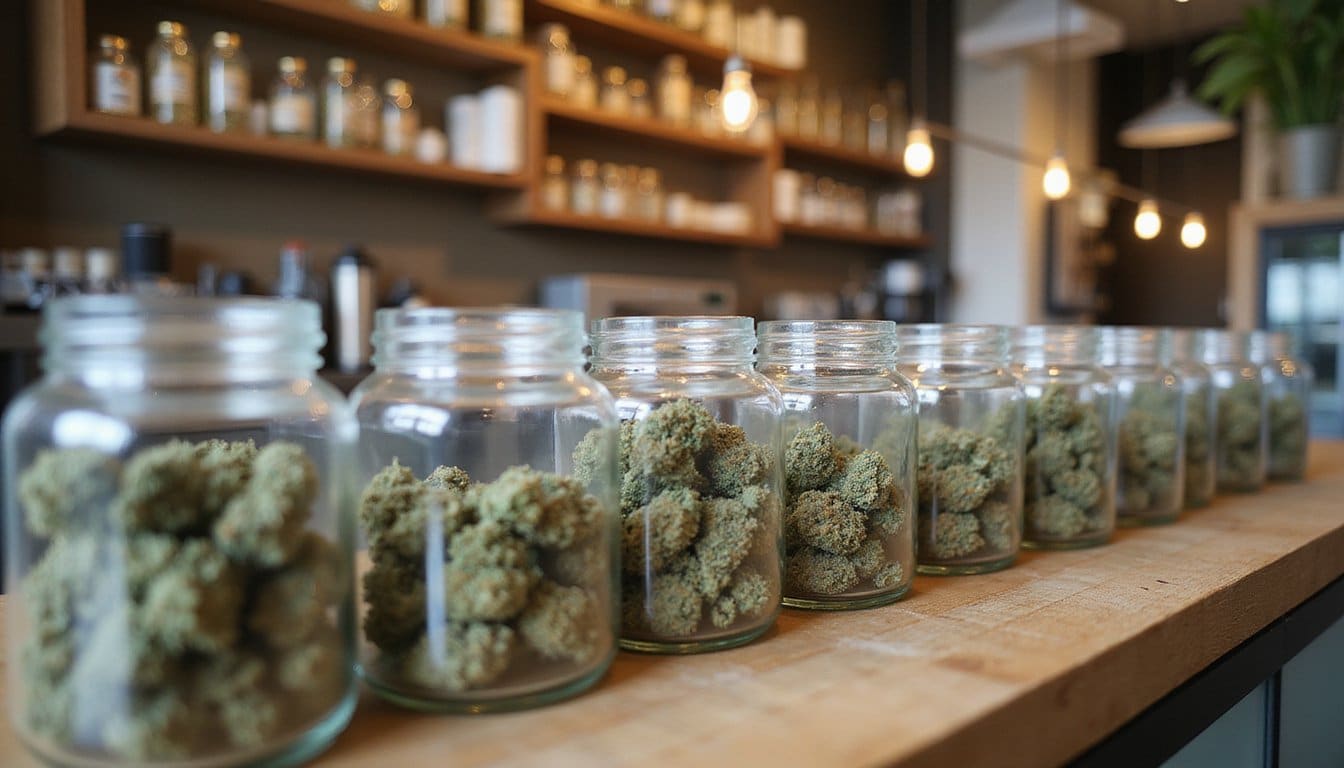
Anyone seeking uncontaminated cannabis should prioritize dispensaries operating within Mississippi’s regulated medical framework, which mandates strict testing protocols and THC limits below 30%. Licensed facilities like The Cannabis Company and Magnolia Medical Marijuana offer lab-verified products, eliminating concerns about terp sprayed weed or undisclosed additives. The Cannabis Company is particularly known for its knowledgeable staff and excellent customer service, ensuring patients receive proper guidance on clean, tested products.
You’ll find dispensaries through platforms like Leafly and Weedmaps, which filter for licensed medical operations with verified menus. Top-rated options include Cultivated Wellness Dispensary, featuring premium flower from brands like Yellow Dog Farms and Noble Labs that undergo mandatory state testing.
Third-party verification remains your strongest defense against contaminated products. Chronic Guru conducts rigorous lab testing on all in-house edibles, while Rootdown Mississippi supplies naturally cultivated cannabis across multiple locations. These dispensaries provide transparent access to certificates of analysis, confirming compound profiles and absence of harmful sprays.
Your Help Toward Cannabis Recovery Is Here
Overcoming cannabis addiction is a deeply personal journey, and knowing where to turn for help can change everything. Miami Outpatient Detox connects you with trusted cannabis detox programs so that you or your loved one can receive the care that is truly deserved. Pick up the phone and call (786) 228-8884 today, and let us be the first step toward reclaiming the life you were meant to live.
Frequently Asked Questions
Can Sprayed Terpenes Affect Drug Test Results Differently Than Natural Terpenes?
Sprayed terpenes can affect drug test results differently depending on their source. If you’re using cannabis-derived terpene sprays, you’re risking trace THC contamination that accumulates with repeated exposure and triggers positives. Non-cannabis-sourced or synthetic terpenes won’t cause this issue since they contain no cannabinoids. Natural terpenes in flower don’t independently affect tests, but sprayed versions introduce variables, particularly when manufacturers don’t disclose whether they’ve used cannabis-derived compounds in their formulations.
Do Cannabis-Derived Terpenes and Botanical Terpenes Have Different Safety Profiles When Sprayed?
Both cannabis-derived and botanical terpenes share identical chemical structures, so their inherent safety profiles match when sprayed at proper concentrations. However, you’ll encounter different contamination risks with each source. Cannabis-derived terpenes may contain undefined molecular compositions and batch variability, while botanical terpenes require COA documentation for purity verification. You should note that extraction processes for either type can introduce residual solvents or pesticides if manufacturers don’t follow rigorous production standards.
How Long Do Sprayed Substances Remain Detectable on Cannabis Flower?
You won’t find consistent detection windows because sprayed substances vary widely, terpenes, pesticides, synthetic cannabinoids, and flavoring agents each degrade at different rates. Volatile terpenes evaporate within days to weeks, while pesticide residues can persist for months depending on chemical stability and storage conditions. Synthetic cannabinoids present unique detection challenges since they’re designed to mimic THC but metabolize differently. Without lab testing, you can’t reliably determine what remains on altered flower.
Are Terpene Sprays Regulated Differently Than Other Cannabis Additives?
Yes, terpene sprays face different regulatory treatment than most cannabis additives. You’ll find they’re legal federally since they contain no cannabinoids, while other additives like synthetic cannabinoids remain controlled. State-level rules vary considerably, some jurisdictions restrict you to cannabis-derived terpenes only, while others permit botanical or synthetic sources. Nevada caps added terpenes at 10% in vape products. You must verify GRAS status and source from licensed facilities to guarantee compliance.
Can Washing or Curing Cannabis Remove Sprayed Contaminants Effectively?
You can remove some surface contaminants through washing, but effectiveness depends on the compound’s properties. Water-based methods like hydrogen peroxide or baking soda solutions target water-soluble residues, mold spores, and dust effectively. However, oil-soluble substances, including many synthetic additives and pesticide formulations, bind to cannabis resin and won’t wash away cleanly. Curing doesn’t eliminate sprayed chemicals; it only affects moisture and chlorophyll. Without lab testing, you can’t confirm complete contaminant removal.