






Sprayed weed is dangerous because you’re inhaling synthetic cannabinoids like JWH-018 and HU-210 that bind to your brain’s receptors with unpredictable intensity. You’ll face immediate cardiovascular risks including tachycardia and atrial fibrillation, while respiratory damage from tocopherol and pesticide residues can cause permanent lung scarring. The uneven chemical distribution means you can’t control your dose, dramatically increasing overdose potential. Understanding how to identify contaminated cannabis can help you protect yourself.
What’s Really in Sprayed Weed?
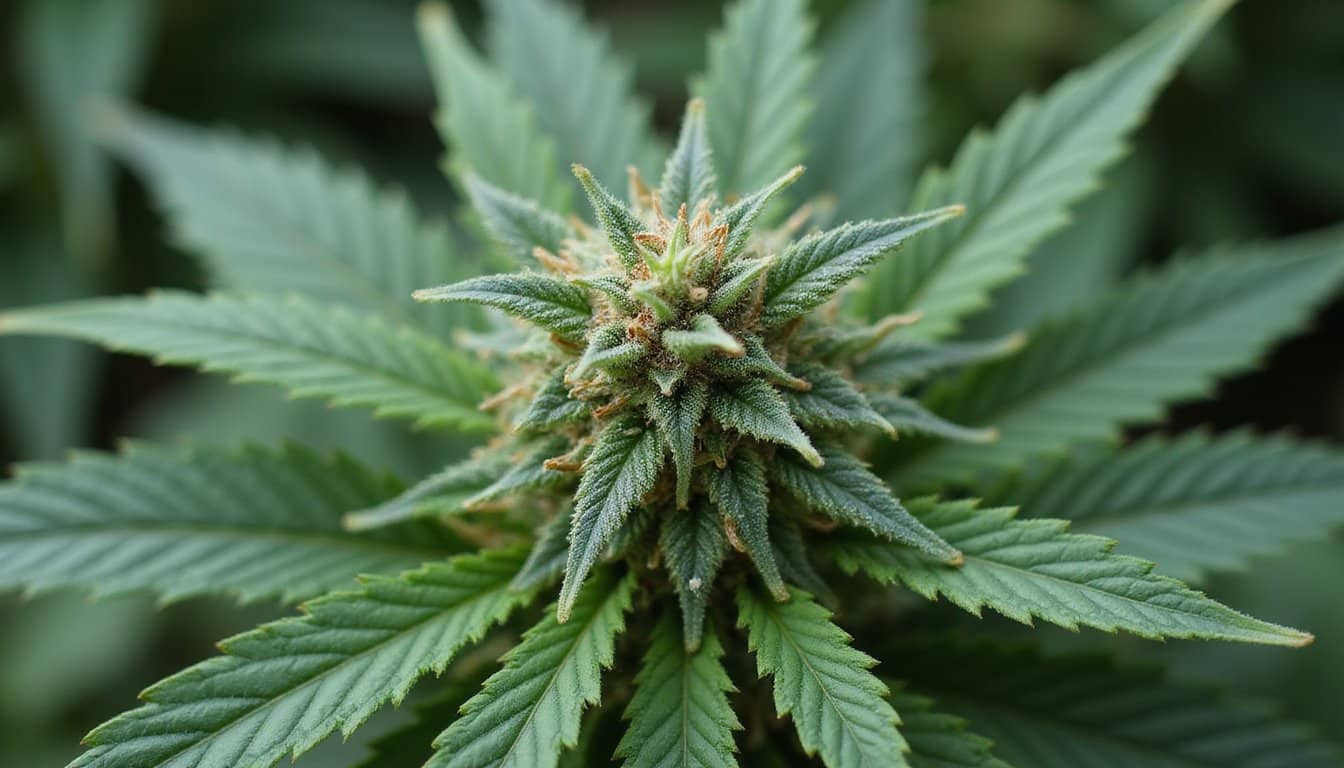
When cannabis flower is sprayed with synthetic cannabinoids, you’re no longer dealing with plant-based THC, you’re inhaling laboratory-designed compounds that act as full agonists on cannabinoid receptors. Common substances include JWH-018, HU-210, and CP 47,497, chemicals dissolved in acetone or ethanol, then sprayed onto dried plant material. When cannabis flower is adulterated with synthetic cannabinoids, the pharmacology shifts from plant-derived partial agonists like THC to laboratory-engineered full CB1 receptor agonists, which carry significantly higher potency and risk profiles. Compounds such as JWH-018, HU-210, and CP 47,497 are typically dissolved in volatile solvents like acetone or ethanol before being sprayed onto dried plant material, sometimes misleadingly marketed under terms like ethanol terpene spray despite containing far more potent synthetic agents than naturally occurring cannabinoids.
These compounds contain 22 to 26 carbon atoms and volatilize readily when smoked. The preparation process creates uneven distribution, meaning one hit might deliver minimal exposure while another delivers a dangerous concentration. Sprayed marijuana side effects stem partly from this inconsistency. Some synthetic compounds like HU-210 bind more strongly to CB1 receptors than THC, resulting in heightened overdose potential.
Manufacturers often add tocopherol (Vitamin E) to mask detection, compounding respiratory risks. Some products have been found contaminated with brodifacoum, a rat poison that has caused coagulopathy in over 300 people. You’re fundamentally consuming substances designed in laboratories, sold under names like Spice or K2, with no quality control or dosing standards.
Immediate Health Risks After Smoking Contaminated Weed
Synthetic cannabinoids create immediate physiological stress that natural cannabis doesn’t produce. When you smoke sprayed weed, your cardiovascular system responds with tachycardia, premature ventricular contractions, and potential atrial fibrillation. These reactions pose serious dangers if you have underlying heart conditions. The differences between sprayed weed vs natural weed extend beyond immediate physiological effects. Long-term use of synthetic options may lead to dependency and withdrawal symptoms that are rarely associated with their natural counterparts. Understanding these distinctions is crucial for making informed choices about cannabis use.
Your respiratory tract sustains direct injury from combusted contaminants, causing bronchial inflammation and compromised immune function. Smoking contaminated marijuana can cause chronic bronchitis and damage to lung cells, compounding the harmful effects of any adulterants present.
| Symptom Category | Immediate Effects |
|---|---|
| Cardiovascular | Rapid heart rate, arrhythmias |
| Respiratory | Cough, wheeze, breathing difficulty |
| Neurological | Headaches, disorientation |
| Gastrointestinal | Nausea, vomiting |
| Immune | Suppressed macrophage function |
Understanding is sprayed weed dangerous requires recognizing these acute responses. Heavy metal inhalation compounds toxicity, elevating cancer and organ damage risks even from single exposures. Research has found that cannabis vapors contain higher concentrations of metals like chromium, lead, tin, and nickel compared to tobacco smoke. The neurological effects can include impaired motor coordination, euphoria, anxiety, and a distorted sensation of slowed time that intensifies unpredictably with contaminated products.
Long-Term Damage From Sprayed Weed Exposure
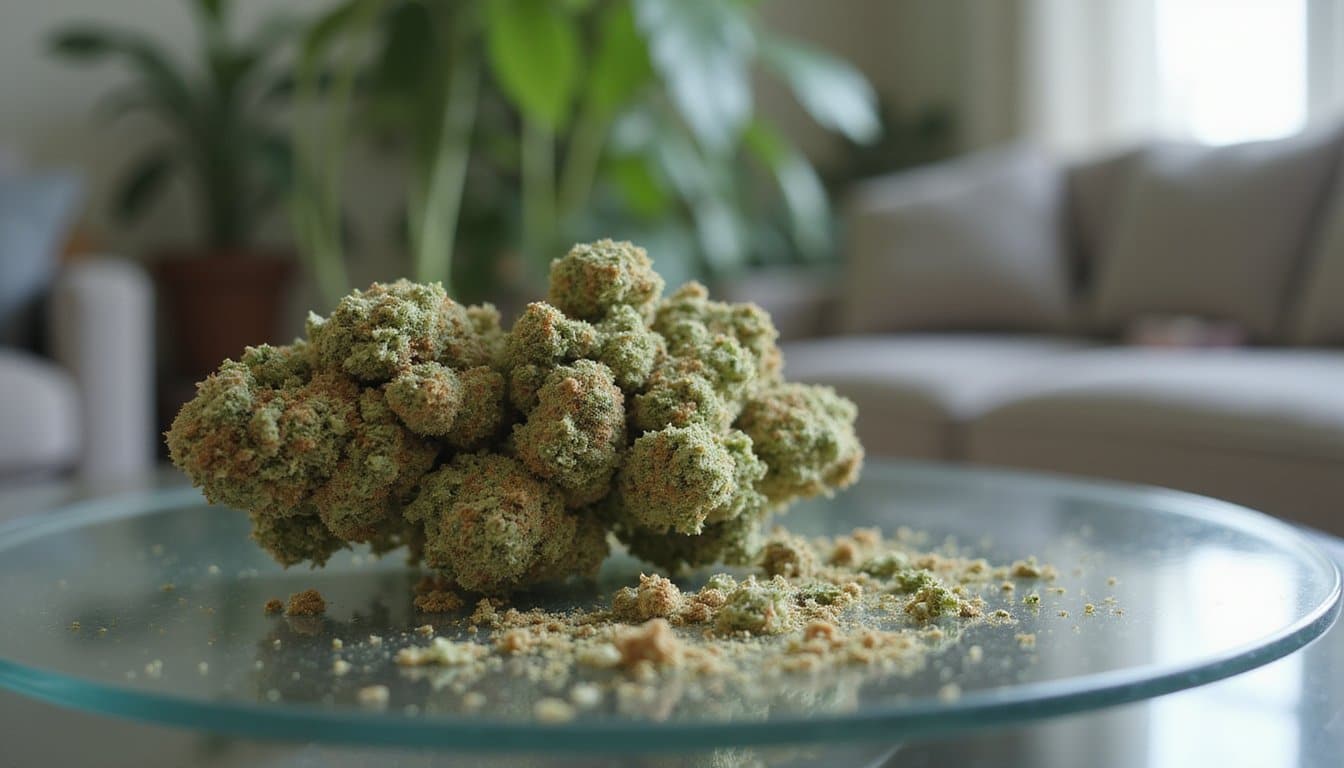
Repeated exposure to contaminated cannabis creates cumulative organ damage that compounds with each use. Chronic exposure to pesticide residues leads to devastating health consequences, including cancer, neurological disorders, and reproductive harm. When you smoke myclobutanil-treated cannabis, it degrades into hydrogen cyanide, causing permanent lung damage over time.
Your liver and kidneys bear significant burden from processing these toxins repeatedly. Powdered glass additives cause micro-abrasions that result in long-term respiratory irritation and scarring. Research shows 84.6% of legalized Washington State cannabis samples contained carcinogens and endocrine disruptors. Sugar water and adhesive contaminants can cause lung damage and trigger violent coughing fits that worsen with continued use. During the drying and processing stages, pesticides become more concentrated, further heightening the toxic load consumers are exposed to with each use.
If you’re using synthetic cannabinoid-laced products, you face increased risks of heart disease, kidney damage, and persistent mental health conditions. Medical users with compromised immune systems experience heightened susceptibility to these cumulative toxic effects. When burned, chemical additives produce toxic byproducts like formaldehyde and acetaldehyde that cause additional cellular damage with prolonged exposure.
How Common Is Contaminated Weed?
Contaminated cannabis appears more frequently in regulated markets than most consumers realize. California compliance testing from 2020-2021 revealed a 2.3% failure rate for cured flower and 9.2% for extracts, with insecticides and fungicides as the most prevalent contaminants.
| Contaminant Type | Primary Chemicals Detected |
|---|---|
| Pesticides | Boscalid, chlorpyrifos |
| Fungal | Aspergillus species |
Colorado’s Marijuana Enforcement Division issued 17 health advisories last year, the highest in seven years, driven largely by Aspergillus fungus detection. This dangerous fungus can cause Aspergillosis, a serious lung infection that has been linked to fatalities in cannabis consumers. When you’re evaluating whether is sprayed weed dangerous, consider that 36 states regulate 679 different contaminants with action levels varying by four orders of magnitude. This regulatory inconsistency means contamination thresholds acceptable in one state may pose semantic health risks elsewhere. The lack of comprehensive federal regulations further limits the ability to ensure product safety and protect public health across state lines. The risks are particularly concerning for vulnerable populations, as cannabis-related poison control calls have seen a 162% increase from 2016 to 2024, highlighting the growing public health impact of cannabis exposure incidents.
How to Spot Sprayed Weed and Protect Yourself
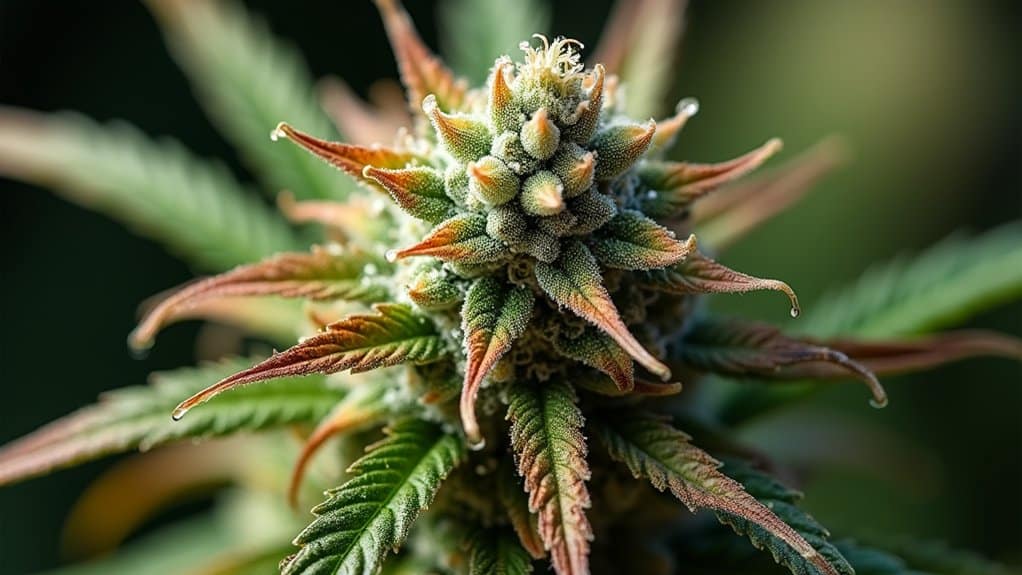
When you’re evaluating cannabis for potential contamination, visual inspection serves as your first line of defense. Examining buds under magnification reveals whether trichomes appear naturally mushroom-shaped or suspiciously clumped and melted together.
Understanding is sprayed weed dangerous requires recognizing these warning signs:
- Plastic-like sheen indicating hairspray or sugar-water coating
- Chalky residue suggesting talc or bulking agents
- Chemical odors replacing natural terpene complexity
- Greasy film left on fingertips after handling
- Hard, black ash that maintains shape when burned
You should also perform tactile assessments, rub the bud between your fingers and check for grit, powder, or oily residue on white parchment paper. Clean cannabis produces light gray ash and burns evenly, while contaminated product exhibits irregular combustion patterns and darker residue. Inhaling powdered glass or grit can create tiny cuts in respiratory organs, significantly increasing your chances of developing infections. Since contaminated cannabis is quite common when purchased on the street, these inspection techniques become essential for anyone sourcing outside licensed dispensaries. Additionally, sprayed cannabis may give off sparks and extinguish frequently during smoking, which differs markedly from the steady ember produced by natural, uncontaminated buds.
Walk Toward Recovery With Trusted Cannabis Detox Programs
The road to freedom from cannabis addiction can feel overwhelming, but you never have to walk it alone. Miami Outpatient Detox connects you with trusted cannabis detox programs to make sure you get the care and support you truly deserve. Call (786) 228-8884 today and let us be part of the journey back to the life you deserve.
Frequently Asked Questions
Can Sprayed Weed Cause Permanent Damage After Just One Use?
Yes, permanent damage is possible from a single exposure, depending on the substance. If you inhale sprayed weed containing synthetic cannabinoids, you risk triggering lasting psychotic symptoms or severe anxiety disorders. Powdered glass can cause irreversible lung micro-abrasions, while chemicals like embalming fluid may inflict neurological damage. Your brain chemistry can shift after just one use, potentially establishing patterns that persist long-term. The unpredictability of unknown adulterants makes any exposure a genuine health gamble.
Is Legal Dispensary Weed Always Free From Harmful Contaminants?
No, legal dispensary weed isn’t always free from harmful contaminants. California studies found over half of smoking products contain hidden chemicals beyond required screening, and 5.1% of tested samples failed contaminant standards. Researchers detected 79 toxic chemicals across 370+ legal products, including chlorfenapyr at 2,000 times EPA limits. You’re facing inconsistent state regulations, with testing requirements varying dramatically. Even licensed products can contain pesticides, heavy metals, and solvents below, or exceeding, action levels. No, legal dispensary cannabis is not automatically free from contaminants, as state-level studies have identified hidden chemicals in a significant portion of tested products, with some samples exceeding established action limits for pesticides or other residues. Variability in regulatory frameworks and testing panels across states contributes to inconsistent oversight, meaning licensed products may still contain pesticides, heavy metals, or residual solvents within or occasionally above permitted thresholds. This regulatory complexity also fuels consumer questions like is dispensary weed sprayed with terpenes, highlighting the need for transparent labeling, standardized testing protocols, and comprehensive contaminant screening to ensure product safety.
Should I Seek Medical Attention if I Accidentally Smoked Sprayed Weed?
You should seek medical attention if you experience chest pain, severe breathing difficulties, persistent vomiting, confusion, seizures, or vision changes after smoking suspected sprayed weed. Don’t wait if symptoms involve your heart or neurological function. Even milder symptoms like prolonged nausea, dizziness, or respiratory irritation warrant professional evaluation, especially if you have pre-existing conditions. Contact poison control or visit an emergency room when you’re uncertain about what you’ve inhaled.
Are Edibles Safer Than Smoking When Cannabis Contamination Is Suspected?
You face risks with both methods when contamination is suspected, but edibles eliminate respiratory exposure to combustion byproducts and airborne contaminants. Smoking delivers harmful smoke plus any sprayed substances directly into your lungs, increasing pulmonary irritation. However, edibles still transfer contaminated THC through digestion, potentially causing nausea and dizziness. Neither method is truly safe with suspected contamination, you’re simply choosing between lung-based or digestive exposure to unknown chemicals.
Can Water Filtration or Bongs Reduce Exposure to Sprayed Chemicals?
Water filtration doesn’t effectively remove sprayed chemicals from cannabis smoke. Studies using gas chromatography show pesticide compounds like bifenthrin and permethrin pass through water pipes regardless of filtration. More concerning, you’re exposed to dangerous byproducts when pesticides combust, myclobutanil transforms into cyanide gas, while other chemicals produce formaldehyde. Water filtration reduces particulates and temperature but can’t neutralize toxic gases that form before smoke reaches the water.