





You’ll notice sprayed weed emits a one-dimensional, perfume-like scent that’s stronger on the surface than inside, while natural cannabis delivers complex, layered aromas blending herbs, earth, and fruit. Potency differences are dramatic, synthetic cannabinoids bind to receptors with 10-100 times higher affinity than natural THC. Quality indicators include sprayed flower’s unnatural shine and clumped trichomes versus natural bud’s matte, frosty finish with distinct mushroom-shaped trichome heads. Understanding these distinctions helps you identify potential health risks below.
Sprayed Weed vs. Natural Cannabis: The Key Differences
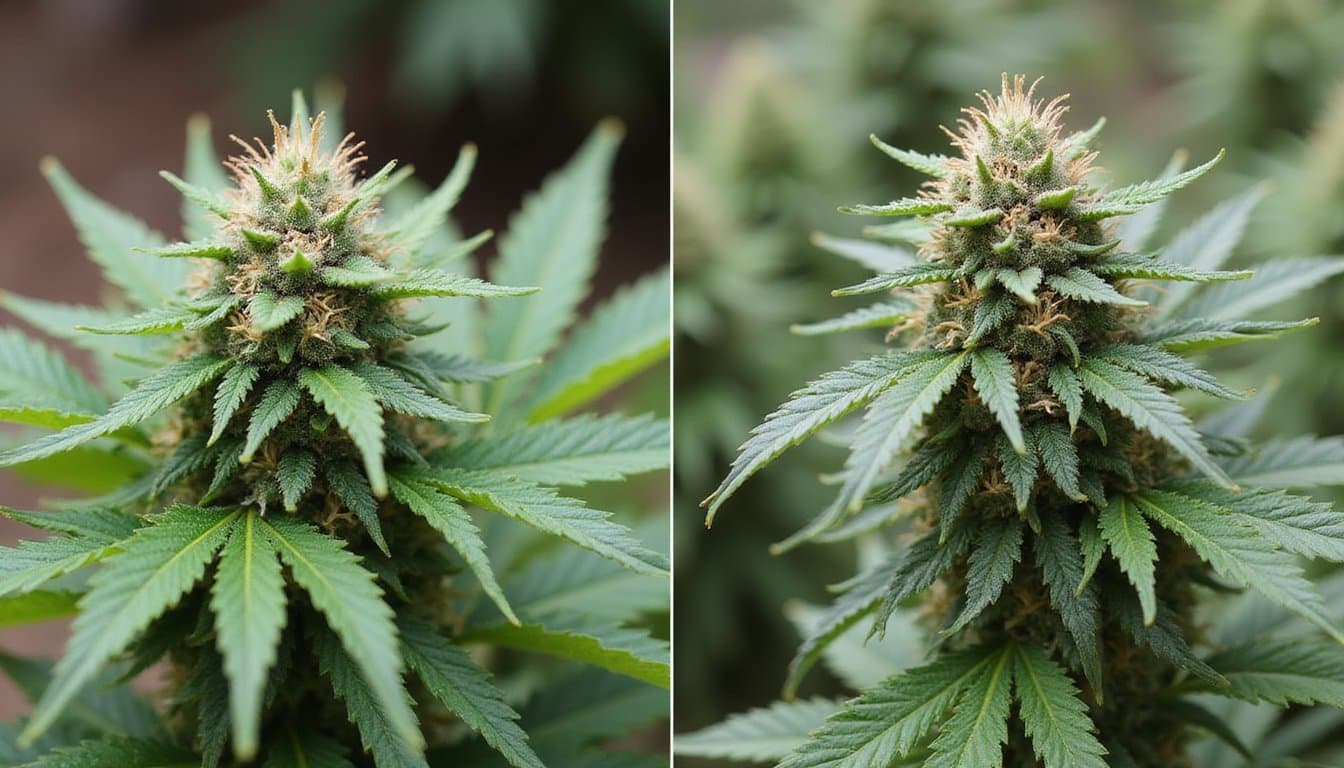
Several key differences separate natural cannabis from sprayed weed, and you’ll notice them across appearance, aroma, taste, and burn quality. Natural cannabis quality shows through a matte, frosty finish with evenly distributed trichomes featuring distinct mushroom-shaped heads. Sprayed flower appears overly shiny with clumped, irregular trichome formations.
Cannabis smell differences become apparent when comparing fragrance profiles. Natural terpenes produce complex aromas blending herbs, earth, and fruit, while terpene enhanced weed emits one-dimensional, perfume-like scents due to isolated synthetic compounds. The surface of sprayed cannabis often smells stronger than the interior, revealing inconsistent terpene application.
When smoked, natural flower burns evenly, producing whitish-grey ash without irritation. Sprayed cannabis sputters during combustion, leaves chemical aftertastes, and causes throat burn. The rub test reveals oily residue on paper from sprayed products, confirming additive presence. Synthetic cannabinoids sprayed onto plant material are more likely to cause hallucinations compared to natural cannabis, making identification crucial for user safety. These synthetic compounds can be up to 100 times more potent than natural THC, significantly increasing the risk of adverse health effects.
Why Sprayed Weed Hits Up to 100 Times Harder
When you consume sprayed weed laced with synthetic cannabinoids, you’re exposing your receptors to full agonist compounds that bind with up to 100 times the affinity of natural THC. Unlike THC’s partial agonism, these synthetic chemicals activate CB1 and CB2 receptors completely, amplifying every binding event into a substantially more intense physiological response. The absence of regulatory oversight means you can’t predict the concentration or distribution of these compounds, creating dangerous variability in each dose you take. Products labeled as “herbal incense” or marked “not for human consumption” are deliberately packaged this way to evade regulation despite being intended for smoking. These synthetic compounds also interact with voltage-gated ion channels, inhibiting potassium, sodium, and calcium channels in ways that natural cannabis does not. This extreme potency can quickly alter brain chemistry, leading to cravings, dependency, and addiction far more rapidly than natural cannabis ever could.
Full Receptor Binding Power
The dramatic potency difference between sprayed weed and natural cannabis stems from a fundamental distinction in how synthetic cannabinoids interact with your brain’s CB1 receptors. When comparing sprayed weed vs real weed, you’ll find that synthetic compounds act as full agonists, while THC functions only as a partial agonist.
This bud quality comparison reveals striking pharmacological differences. Synthetic cannabinoids bind with 10, 100 times higher affinity to CB1 and CB2 receptors than natural cannabinoids. They engage Gi protein and recruit β-arrestin with greater efficacy than reference compounds. When examining sprayed weed vs natural weed, you’re seeing full receptor activation versus partial stimulation.
These full agonists decrease cAMP levels and inhibit voltage-gated ion channels more robustly, enabling psychotropic activity at doses below 1 mg, explaining their severe acute reactions. The CDC documented that deaths tripled between 2014 and 2015 from synthetic cannabinoid use, underscoring the dangerous consequences of this enhanced receptor binding power. Withdrawal from these potent synthetic compounds can be severe enough to require treatment with quetiapine and lorazepam for tonic-clonic seizures.
Unregulated Potency Levels
Potency chaos defines the unregulated cannabis market, where sprayed weed can deliver cannabinoid concentrations far exceeding what natural cultivation achieves. Illegal samples show total THC ranging from under 100 mg/g to over 275 mg/g, a variability that’s impossible through genetics alone. When you encounter flower testing at 35% THC, you’re seeing potency inflation beyond the 99th percentile of natural production.
Spraying hemp with THC or Delta-8 distillate creates artificial potency spikes without corresponding full-spectrum cannabinoids. You’re inhaling compounds with 10-35% systemic bioavailability, meaning sprayed contaminants reach your respiratory membrane within 3-10 minutes. DEA data confirms average seized sample potency rose from 4.6% in 2000 to 16.14% in 2022, yet sprayed products bypass these benchmarks entirely. This represents a more than fourfold increase in THC potency over approximately 27 years of monitoring by the Potency Monitoring Program. Without labels or testing, you can’t predict whether you’re consuming moderately potent flower or chemically enhanced material. The spraying process can also introduce residual solvents or additives that compromise the purity you’d expect from naturally cultivated cannabis. While licensed producers undergo Health Canada testing where roughly 95% of samples test negative for pesticides, unregulated sprayed products face no such scrutiny before reaching consumers.
What Toxic Chemicals Hide in Sprayed Weed?
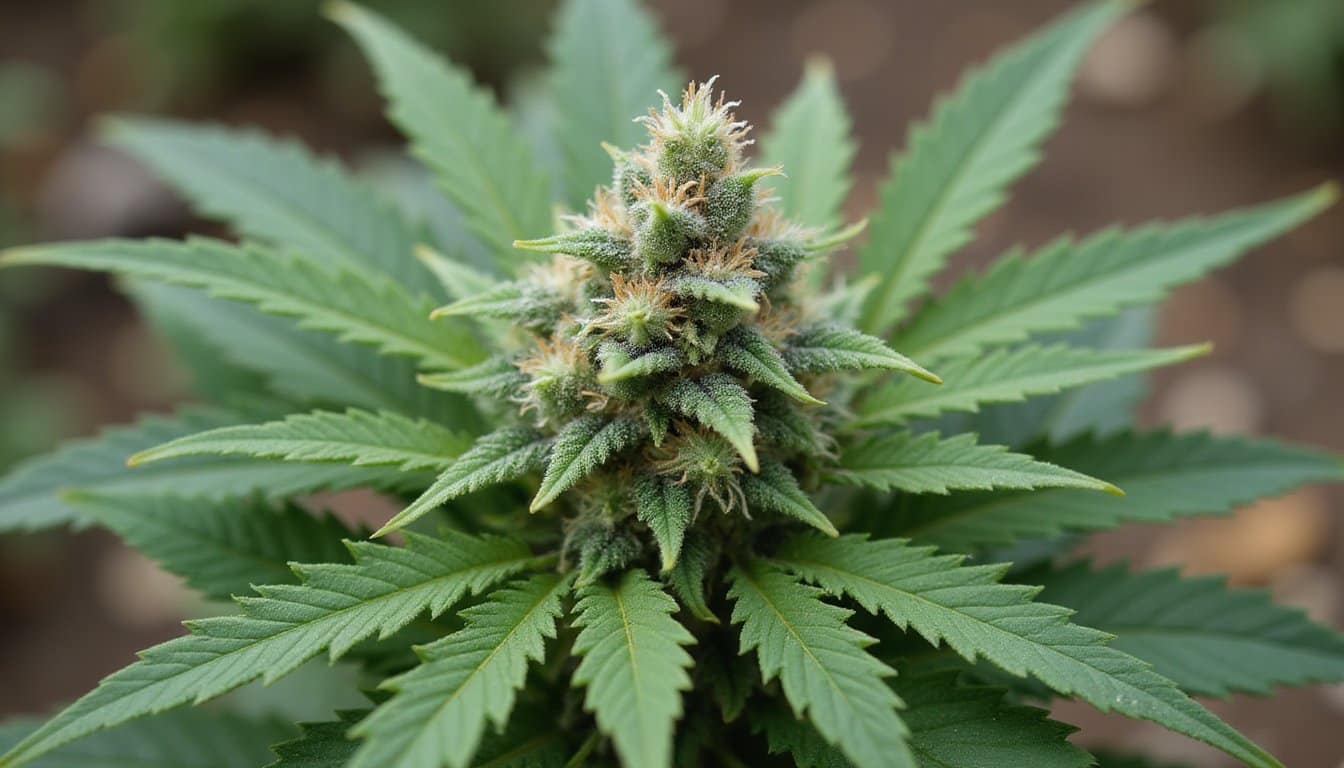
When you consume sprayed cannabis, you’re potentially exposing yourself to a cocktail of dangerous substances including solvent residues from extraction processes, synthetic cannabinoid agonists that can be up to 100 times more potent than natural THC, and unregulated production contaminants that bypass all safety testing. Laboratory analyses have detected pesticides like chlorfenapyr at 2,000 times the EPA’s permitted residue levels, while compounds such as myclobutanil convert to hydrogen cyanide when heated during smoking. Research has identified 79 toxic chemicals in tested cannabis products, with 45 of those being substances already prohibited for use on cannabis crops. Illegal growers frequently apply banned or highly toxic chemicals without any oversight to maximize yield, significantly increasing the risk of harmful chemical residues reaching consumers. The danger is compounded by the fact that lacing is not visible to the naked eye and often undetectable by smell, making contaminated products nearly impossible for consumers to identify before use. Understanding these specific chemical threats helps you identify contaminated products and protect yourself from both immediate toxicity and long-term health consequences including cancer, neurological damage, and reproductive harm.
Common Solvent Residues
Many consumers assume that cannabis purchased from licensed dispensaries is free from harmful contaminants, but testing data reveals a different reality. California’s Department of Cannabis Control tested over 3,250 samples in 2023, with 13% failing due to pesticide residues exceeding legal limits. You’re potentially exposed to substances like myclobutanil, which converts to hydrogen cyanide when heated, causing respiratory distress and lung damage.
Solvent residues compound these risks considerably. When you smoke or vaporize contaminated cannabis, up to 69.5% of pesticide residues transfer into the mainstream smoke. Chlorfenapyr has been detected at concentrations 2,000 times above permitted levels, while pymetrozine appeared at 762 times reference levels. Some products contained two dozen different chemicals simultaneously. These residues concentrate further during drying and processing, amplifying your exposure with each use. The problem is worsened by the fact that ten of the 29 chemicals found exceeding permitted limits are not even included on California’s list of required testing. This inconsistency reflects a broader national concern, as the number and action levels of regulated pesticides in cannabis differ vastly across 33 states and Washington, D.C., leaving consumers without uniform protection standards.
Synthetic Agonist Dangers
Synthetic cannabinoids operate through fundamentally different mechanisms than natural THC, binding to CB1 and CB2 receptors as full agonists rather than partial agonists. This distinction creates potency levels ranging from 2 to 800 times stronger than plant-derived THC, producing sustained receptor activation that lasts multiple hours.
You face substantially heightened risks with these compounds. Emergency department visits occur at rates up to 30 times higher compared to natural cannabis use. Documented presentations include severe tachycardia, seizures, hallucinations, and loss of consciousness.
The contamination risk extends beyond synthetic cannabinoids themselves. Products have tested positive for brodifacoum, a rat poison that disrupts vitamin K-dependent coagulation. This contamination has caused bleeding emergencies and confirmed fatalities. Symptoms include blood in urine, gum bleeding, and hemorrhaging from previously healed wounds.
Unregulated Production Contaminants
Unregulated cannabis production exposes you to a chemical landscape far more hazardous than most consumers realize. Testing reveals 45 toxic chemicals across contaminated products, including chlorfenapyr at 2,000 times permissible limits and pymetrozine at 762 times reference levels. You’re potentially inhaling pesticides, heavy metals like lead and cadmium, and fungicides that decompose into hydrogen cyanide when heated.
The delivery mechanism intensifies your risk. Up to 82% of pesticides in cannabis transfer directly into smoke, reaching your lungs, bloodstream, and brain with each inhalation. Vape products concentrate these dangers further, one tested oil contained 60 times the pesticide levels permitted in cigarettes. Myclobutanil, trifloxystrobin, and paclobutrazol present reproductive toxicity, organ damage, and carcinogenic potential. Without standardized testing protocols, sprayed weed delivers unpredictable chemical payloads alongside cannabinoids. The delivery mechanism significantly amplifies exposure risk, as research indicates a substantial percentage of pesticide residues can transfer into inhaled smoke, allowing contaminants to enter the lungs and systemic circulation with each breath. Concentrated vape products may further intensify exposure, and compounds such as myclobutanil, trifloxystrobin, and paclobutrazol have been associated with toxicological concerns including organ damage and carcinogenic potential. These findings often prompt questions like is spraying weed killer bad for you, underscoring that without standardized testing and strict regulatory oversight, contaminated cannabis products can deliver unpredictable chemical mixtures alongside cannabinoids.
How to Spot Sprayed Weed by Smell
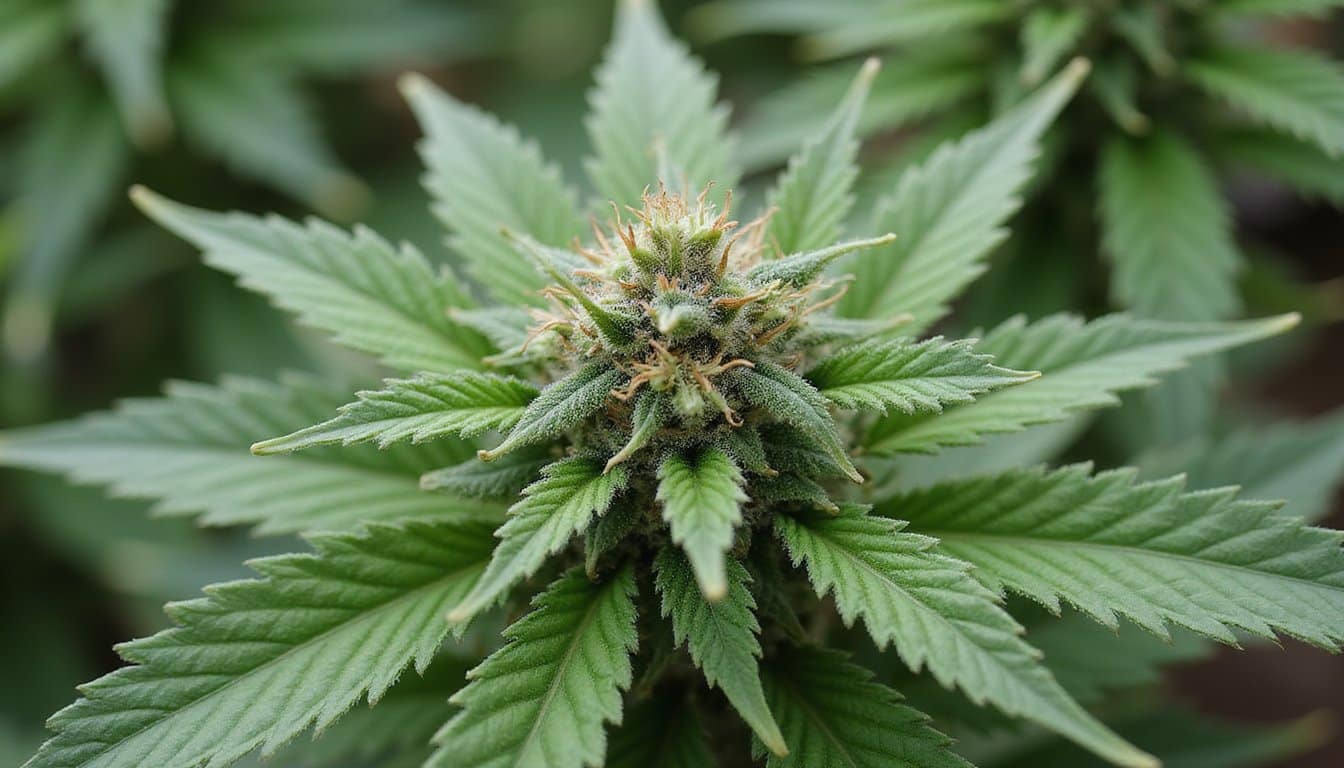
How can you tell if cannabis has been sprayed with artificial compounds? Your nose serves as the primary detection tool. Natural cannabis produces complex, layered scents, earthy pine, sharp citrus, sweet berries, or spicy undertones, that reflect genuine terpene profiles. Sprayed weed typically emits perfume-like, plastic, or chemical odors resembling air fresheners or cleaning products. Identifying artificially treated cannabis often begins with olfactory assessment: authentic flower carries layered terpene signatures, earthy pine, citrus zest, berry sweetness, or peppery spice, reflecting its natural phytochemical profile. In contrast, adulterated material may emit sharp, perfume-like, plastic, or solvent-type odors reminiscent of air fresheners or cleaning agents, prompting questions such as what is weed sprayed with terps, since some products are coated with synthetic flavoring agents or other compounds to mimic or exaggerate natural aromas.
Watch for these red flags: harsh scents similar to Windex or nail polish remover, unusual artificial sweetness, or gasoline-like notes indicating solvent contamination. PGR-treated cannabis often presents muted aromas lacking natural depth.
Compare suspect flower against verified quality samples. Authentic strain-specific aromas, skunky, piney, citrusy, should emerge without chemical undertones. If you detect an embalming fluid smell or acrid medicinal notes, this suggests synthetic cannabinoid presence. Trust instinctive reactions to off-putting or unidentifiable scents.
How Sprayed Weed Looks and Feels Different
While smell provides the first warning sign, visual and tactile inspection reveals equally telling evidence of artificial treatment. You’ll notice sprayed buds display an unnatural glossiness or plastic-like sheen that differs markedly from cannabis’s typical matte finish. Under magnification, trichomes appear melted, fused, or obscured by crystalline additives showing sharp, angular grains rather than organic bulbous heads.
When you handle suspected sprayed cannabis, pay attention to these key indicators:
- Excessive stickiness leaving greasy or oily film on your fingers beyond normal resin levels
- Abnormally dense, heavy buds disproportionate to their size from bulking agents
- Hard, compact texture with glue-like adhesion suggesting hairspray or similar coatings
You can confirm contamination by rubbing buds on white paper, sprayed cannabis leaves visible oily residue, while natural flower doesn’t.
What Sprayed Weed Does to Your Body
The physical effects of sprayed cannabis diverge sharply from natural flower, producing a cascade of acute symptoms that signal chemical contamination.
When you consume sprayed weed, you’ll likely experience nausea, vomiting, and respiratory distress including breathlessness and chest pain. Your cardiovascular system responds with tachycardia and heightened blood pressure, creating immediate physiological stress.
Sprayed cannabis triggers immediate warning signs, nausea, breathing difficulties, and cardiovascular stress that natural flower simply doesn’t produce.
Neurologically, you’re exposing yourself to compounds that impair learning, attention, and memory through dose-dependent mechanisms. Psychiatric effects manifest rapidly, paranoia, agitation, and psychotic episodes termed “spiceophrenia” can emerge during intoxication.
Long-term exposure compounds these risks substantially. You face increased cancer probability from inhaling toxic compounds, potential lung diseases like silicosis from glass or silica additives, and cumulative neurological damage. Synthetic cannabinoid users demonstrate thirty times higher emergency room visit rates than traditional cannabis consumers.
Overdose, Organ Damage, and Other Sprayed Weed Risks
Because synthetic cannabinoids can bind to brain receptors with potency levels up to 100 times greater than natural THC, sprayed weed creates overdose scenarios that traditional cannabis simply cannot produce. When fentanyl contaminates flower, even microscopic quantities trigger respiratory depression, coma, and death. Regional outbreaks have documented clusters of fatalities from single contaminated batches.
Beyond acute overdose, sprayed weed inflicts cumulative organ damage:
- Neurological deterioration, Synthetic cannabinoids alter brain chemistry, causing memory loss, cognitive deficits, and paralysis
- Cardiovascular stress, Tachycardia, hypertension, and hyperthermia strain your heart and vascular system
- Renal failure, Kidney damage appears in documented synthetic cannabinoid poisoning cases
You’re fundamentally gambling with unknown substances at unknown concentrations. The risks compound with repeated exposure, creating irreversible damage pathways that natural cannabis doesn’t initiate.
Why Regulated Cannabis Is Safer Than Street Products
Purchasing cannabis from licensed dispensaries rather than street sources fundamentally changes your risk profile. Regulated products undergo rigorous third-party testing for pesticides, heavy metals, mold, and bacterial contaminants. Street cannabis lacks this oversight entirely, often containing harmful adulterants that evade detection.
Licensed dispensaries test for contaminants, street cannabis doesn’t. Your safety depends on knowing exactly what you’re consuming.
You’ll find dispensary products display accurate THC percentages and cannabinoid profiles, enabling predictable dosing. Street cannabis presents unpredictable potency levels, increasing overdose risks and adverse psychological effects like paranoia.
Licensed facilities follow state-mandated quality assurance protocols, including contamination mitigation and concentration limits. Your purchases remain legally documented, protecting you from misdemeanor charges or felony prosecution associated with illicit transactions.
Regulated markets demonstrate measurably lower cannabis-related health harms compared to unregulated states. By choosing dispensary products, you’re eliminating exposure to carcinogens, pathogens, and toxins commonly present in sprayed street weed.
How to Find Safe, Lab-Tested Cannabis
When you’re searching for safe cannabis products, understanding laboratory accreditation standards gives you the foundation to evaluate quality claims. Look for products tested by ISO/IEC 17025:2017 accredited laboratories, which undergo independent third-party assessments covering cannabinoid content, terpene profiles, pesticides, residual solvents, heavy metals, and microbiological contaminants.
Review Certificates of Analysis (COAs) to verify:
- Cannabinoid profiles including THC, THCa, and CBD concentrations measured via validated chromatography methods
- Contaminant screening results for pesticides, mold, bacteria, and heavy metals
- Testing laboratory credentials confirming accreditation status
You’ll find regulated products feature standardized testing protocols, contamination limits, and traceable quality control processes. NIST’s CannaQAP program improves measurement comparability across laboratories through reference materials and analytical methods like GC-MS and LC-MS/MS. Always verify the source company operates within regional regulatory frameworks.
Finding the Right Cannabis Detox Support for You
Whether you or a loved one is ready to overcome cannabis addiction, the right help is within reach. Miami Outpatient Detox connects you with trusted cannabis detox programs to get you the care you deserve. Call (786) 228-8884 today and let us be part of your recovery journey.
Frequently Asked Questions
Can Sprayed Weed Be Detected Through Standard Home Drug Testing Kits?
You can’t reliably detect sprayed weed using standard home drug testing kits. These tests target THC metabolites at a 50 ng/ml cutoff and won’t identify synthetic cannabinoids like AB-PINACA, UR-144, or JWH-018. You’ll need specialized detection tools, such as the Miraculix Spice kit, which uses antibody technology to screen for synthetics in five minutes. For definitive results, you should pursue laboratory testing rather than relying on conventional THC panels.
Does Sprayed Weed Affect Tolerance Differently Than Natural Cannabis Over Time?
Yes, sprayed weed affects your tolerance differently than natural cannabis. Synthetic cannabinoids fully activate your CB1 receptors, causing more pronounced receptor downregulation and persistent tolerance that takes 7-12 days to reverse. You’ll experience faster dependence development with unpredictable potency variations. Natural THC partially activates receptors, producing milder, predictable tolerance patterns. Your body adapts more manageably to natural cannabis, while synthetics create irregular adaptation rates due to inconsistent chemical formulations.
Are Certain Demographics More Vulnerable to Sprayed Weed’s Dangerous Effects?
Yes, you’re more vulnerable if you have pre-existing respiratory conditions, anxiety disorders, or low cannabis tolerance. Novice users face heightened risks because synthetics bind 100 times stronger to receptors than natural THC, and you lack the experience to identify contaminated products. You’re also at greater risk if you purchase from unregulated sources, as low-income communities and regions with lax oversight encounter higher sprayed weed prevalence.
How Long Do Synthetic Cannabinoids Remain Detectable in Your System?
Synthetic cannabinoids remain detectable for varying periods depending on the specimen tested. You’ll find urine detection extends up to 30 days, while blood testing captures use within 3-7 days. Saliva offers a 24-72 hour window, and hair follicle analysis provides the longest detection, 90 days to 12 months. Labs use liquid chromatography tandem mass spectrometry (LC-MS/MS) for confirmation, as standard immunoassays can’t identify these compounds.
Can Pets Be Harmed by Secondhand Exposure to Sprayed Weed Smoke?
Yes, your pets face significant harm from secondhand exposure to sprayed weed smoke. You’re exposing them to both standard cannabis toxicity and unknown synthetic additives. Dogs possess more cannabinoid receptors, amplifying THC’s toxic effects, while cats’ smaller lungs concentrate inhaled particles. You’ll observe respiratory distress, neurological symptoms, and potential organ damage. Birds prove especially vulnerable, risking sudden death. The unidentified chemicals in sprayed products create unpredictable toxicological interactions you can’t anticipate or treat effectively.