




Tianeptine’s called “gas station heroin” because it activates the same mu-opioid receptors as heroin, yet you can buy it without a prescription at convenience stores, smoke shops, and gas stations. At recreational doses reaching 3,000mg, it produces euphoria and pain relief that mimic actual opioids. This unregulated access bypasses any medical oversight, creating serious risks of dependence, withdrawal, and overdose. Understanding how tianeptine works and where it’s sold can help you recognize the full scope of the danger. The gas station withdrawal timeline overview reveals the often-overlooked consequences of dependency on tianeptine. Users may experience varying timelines for withdrawal symptoms, making it crucial to seek help early on. As these symptoms can escalate quickly, understanding the timeline can be a vital step in addressing the addiction. Many individuals unknowingly expose themselves to hidden substances at gas stations, where products like tianeptine are readily available. With the lack of regulation, consumers may not be aware of the potential dangers lurking in these seemingly innocuous locations. This situation highlights the urgent need for increased awareness and education regarding the risks associated with easily accessible psychoactive substances.
What Is Tianeptine?

Tianeptine is an atypical tricyclic antidepressant developed decades ago and sold under brand names like Stablon, Tatinol, and Coaxil. While it’s approved in Europe, Asia, and Latin America for treating depression and anxiety, it has no FDA approval in the United States. It was originally discovered and patented by the French Society of Medical Research in the 1960s.
What sets tianeptine apart is its unique pharmacology. Unlike standard tricyclics, it enhances serotonin uptake and acts as a full agonist at mu-opioid receptors. This tianeptine opioid receptor activity is precisely why it’s earned the gas station heroin nickname. At high doses, you can experience opioid-like effects including drowsiness, respiratory depression, and euphoria. Because it’s sold as convenience store opioid-like drugs in unregulated retail settings, you face serious risks of misuse, dependence, and life-threatening withdrawal. Tianeptine is quickly absorbed orally and has a short half-life of 2.5 hours, which can drive frequent redosing and accelerate the cycle of dependence. In the U.S., tianeptine has been widely distributed online and at small retail locations under brand names like Zaza and Tianna Red, making it dangerously easy to obtain without a prescription.
Why People Call Tianeptine Gas Station Heroin
The nickname “gas station heroin” didn’t emerge randomly, it captures two defining features of tianeptine’s presence in the U.S. market. Understanding why is tianeptine called gas station heroin requires examining both its retail availability and its pharmacological profile. This term highlights the alarming accessibility of a substance that is often misused for its euphoric effects. The dangers of gas station heroin extend beyond just its immediate physical risks; they also encompass the social implications of easy access to a potent drug in environments typically associated with routine transactions. As awareness grows, communities are grappling with the necessity of regulation and potential health education to combat this escalating issue.
| Feature | Gas Station Connection | Heroin Connection |
|---|---|---|
| Access | Sold at convenience stores without prescription | Bypasses traditional drug supply chains |
| Effects | Marketed as a supplement or mood booster | Activates mu-opioid receptors at high doses |
| Risk | Available to anyone who walks in | Produces euphoria, dependence, and withdrawal |
At recreational doses reaching 3,000mg, tianeptine binds to your brain’s opioid receptors, producing euphoria and pain relief that mimic heroin. You’re purchasing a heroin-like substance from everyday retail locations, that’s what drives this nickname.
Tianeptine Hits the Same Brain Receptors as Heroin

When you take tianeptine in high doses, it binds to the same mu-opioid receptors that heroin’s active metabolite, morphine, targets, acting as a full agonist with signaling properties that match those of classic opioid compounds in laboratory assays. This shared receptor activity means tianeptine can trigger the same reward pathways, producing euphoria through dopamine release in a manner that’s functionally indistinguishable from traditional opioids. Research confirms that these effects disappear entirely in mice lacking the mu-opioid receptor and can be reversed by naloxone, underscoring just how closely tianeptine’s mechanism mirrors heroin’s at the molecular level.
Mu-Opioid Receptor Binding
At the molecular level, tianeptine functions as a full agonist at the mu-opioid receptor (MOR), the same receptor that morphine, fentanyl, and heroin target to produce pain relief, euphoria, and dependence. When you consume tianeptine, it binds to MOR and triggers G-protein coupled receptor activation, initiating the same signaling cascade these powerful opioids use.
Studies confirm tianeptine’s signaling profile mirrors DAMGO, a classic MOR agonist, with an EC50 of 4.7 μM and maximum G-protein activation reaching 250%. Research in MOR knockout mice demonstrates that without functional mu-opioid receptors, tianeptine produces no measurable behavioral effects, no analgesia, no reward, no locomotor changes. This receptor dependency confirms you’re dealing with a compound that operates through the same molecular mechanism driving opioid addiction.
Mimicking Heroin’s Effects
Beyond its receptor binding, tianeptine sets off a chain of downstream effects that closely mirror heroin’s impact on the brain. When you consume tianeptine at high doses, its mu-opioid receptor activation triggers dopamine release in reward pathways, producing euphoria that matches heroin’s hedonic profile. You’ll also experience measurable analgesia in a manner consistent with classic MOR agonists like DAMGO.
With repeated use, you’ll develop tolerance to both analgesic and locomotor effects, mirroring the same neuroadaptive patterns seen with heroin. Tianeptine also induces conditioned place preference and hyperlocomotor activity, both dependent on MOR expression and absent in knockout models. These overlapping pharmacological and behavioral signatures confirm that tianeptine doesn’t just resemble heroin superficially; it replicates core opioid mechanisms that drive addiction.
Tianeptine Brand Names: ZaZa, Tianaa, and More
Though tianeptine isn’t approved by the FDA for any medical use in the United States, it’s widely sold under several brand names in gas stations, smoke shops, and convenience stores across the country. You’ll find products like ZaZa Red, Tianaa, Tianna, Neptune’s Fix, and Pegasus marketed as nootropics, dietary supplements, or mood enhancers.
These products interact with your brain’s opioid receptors, producing euphoria and pain relief similar to opioid drugs. ZaZa, for example, sells for around $25 per bottle of 15 pills and requires no prescription. Tianaa comes in multiple color variants, White, Green, and Red, each claiming unverified benefits for anxiety or energy.
You should understand that none of these products have undergone FDA safety review, and their unregulated dosing poses serious health risks.
How Recreational Doses Dwarf the Prescription Amount

The gap between tianeptine’s therapeutic dose and what recreational users actually consume is staggering. Prescribed doses range from 12.5, 50 mg daily, while recreational users routinely ingest 100, 3,000+ mg. Case reports document consumption reaching 10,000 mg daily, 250 times the labeled dose.
| Dose Category | Daily Amount | Risk Level |
|---|---|---|
| Therapeutic | 12.5, 50 mg | Low when supervised |
| Early Recreational | 100, 500 mg | Escalating danger |
| Chronic Abuse | 2,500, 10,000+ mg | Life-threatening |
This escalation isn’t gradual, tolerance builds rapidly, pushing you toward increasingly dangerous amounts. At mega-doses, tianeptine activates mu-opioid receptors aggressively, producing euphoria comparable to heroin. You’ll face respiratory depression, psychotic episodes, and withdrawal symptoms severe enough to include suicidal ideation. The margin between a therapeutic dose and a fatal one narrows quickly.
What Tianeptine Withdrawal and Overdose Look Like
If you’ve been using tianeptine at high doses, withdrawal can begin within 6 to 24 hours of your last dose and may include anxiety, muscle aches, sweating, nausea, and intense cravings that escalate into severe chills, vomiting, and rapid heart rate as symptoms peak between 24 and 72 hours. These withdrawal effects mirror opioid withdrawal because tianeptine activates the same receptors, and they can persist in a milder form, including depression, sleep disturbances, and intermittent cravings, for weeks or even months. Overdose presents differently, with signs like tachycardia, hypertension, agitation, confusion, and in severe cases, coma, making it critical that you recognize the distinction and seek emergency help immediately.
Withdrawal Symptoms Explained
Because tianeptine’s half-life is remarkably short, withdrawal symptoms can begin as early as 6 to 24 hours after the last dose, far faster than many people expect. You’ll likely experience anxiety, muscle aches, sweating, and intense cravings within the first day.
The acute phase peaks between 24 and 72 hours, producing symptoms that mirror opioid withdrawal:
- Severe chills and body aches that intensify through days one to four
- Vomiting and diarrhea accompanied by rapid heart rate and hypertension
- Crushing anxiety and depression that greatly elevate relapse risk
- Agitation and tremors reported in one-third of Poison Control cases
Post-acute symptoms, brain fog, insomnia, and intermittent cravings, can persist for weeks. If you’ve used high doses, expect a protracted withdrawal phase lasting up to six months.
Overdose Warning Signs
Recognizing an overdose in time can mean the difference between life and death, and tianeptine’s symptoms don’t always look like a textbook opioid emergency. You may see agitation (21.9%) alongside respiratory depression, a combination that can confuse even experienced clinicians.
| System | Common Signs | Severe Signs |
|---|---|---|
| Neurologic | Lethargy, confusion | Coma, seizures |
| Cardiovascular | Tachycardia (25.4%), hypertension | Conduction delays |
| Respiratory | Bronchospasm | Respiratory depression, flaccid paralysis |
You should watch for tachycardia paired with altered mental status, this pattern distinguishes tianeptine toxicity from classical opioid overdose. Nausea, vomiting, and mydriasis can also present. Importantly, 55% of intoxication cases required ICU admission. If you suspect tianeptine overdose, don’t wait for textbook opioid symptoms. Seek emergency care immediately.
Why Opioid Users Turn to Tianeptine
Why do so many people struggling with opioid use disorder gravitate toward tianeptine? Research shows 63-89% of individuals misusing tianeptine already had substance use disorder histories. They’re drawn to it because it activates the same mu-opioid receptors as heroin and prescription painkillers, without requiring a prescription.
Here’s what makes tianeptine attractive to opioid users:
- It’s sold over the counter in gas stations and convenience stores, bypassing pharmaceutical oversight entirely.
- It mimics opioid euphoria at high doses through dopaminergic transmission in the brain’s reward pathways.
- It manages withdrawal symptoms, offering temporary relief from opioid dependence.
- It’s procured anonymously through internet sources and peer networks.
You should understand this isn’t a safe alternative, it’s a dangerous substitution that creates layered dependency patterns.
Where Is Tianeptine Legal Right Now?
Although tianeptine remains unscheduled at the federal level under the Controlled Substances Act, a growing patchwork of state laws has created a fragmented legal landscape across the United States. You should know that 20 states now regulate tianeptine as a controlled substance, while it’s still sold freely in the remaining states.
| Classification | Number of States | Examples |
|---|---|---|
| Schedule I | 14 | Alabama, Florida, Ohio |
| Schedule II | 5 | Michigan, Tennessee, Oklahoma |
| Schedule III | 1 | Mississippi |
If you’re in a state without restrictions, you can still purchase tianeptine at gas stations and online retailers under brand names like “Zaza” and “Neptune’s Fix.” Don’t mistake legal availability for safety, the FDA hasn’t approved tianeptine for any medical use.
How to Spot Tianeptine Products in Stores
Knowing where tianeptine is legal doesn’t help much if you can’t identify the products themselves. You’ll find them in gas stations, smoke shops, and online retailers, often disguised as dietary supplements or nootropics. Watch for these common indicators:
- Brand names like ZaZa Red, Neptune’s Fix, Pegasus, or Tianaa displayed in bright, supplement-style packaging
- Labels claiming cognitive enhancement, mood elevation, or anxiety relief without FDA approval notices
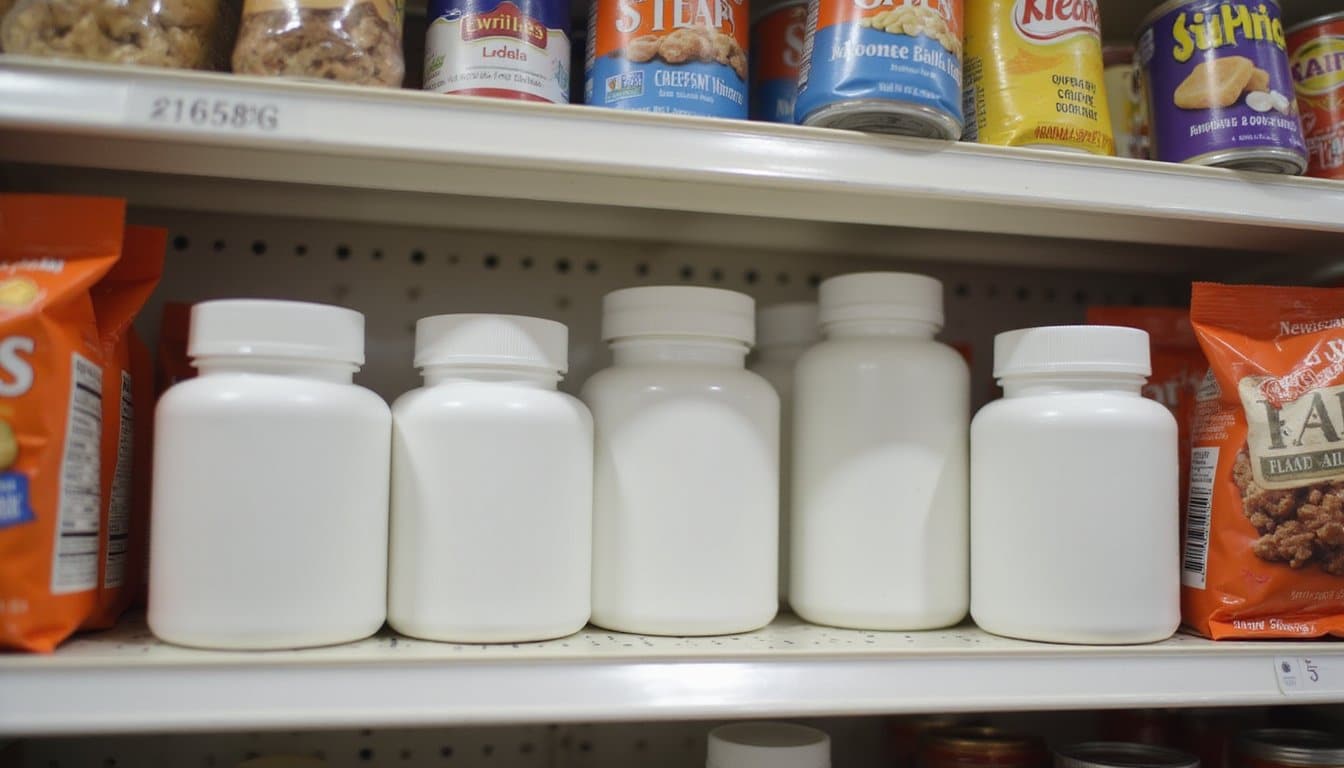
- Capsule or powder formulations housed in generic supplement bottles with minimal warning labels
- No standardized dosing information or quality control markers on the packaging
These products intentionally mimic legitimate supplements. They lack opioid-related safety warnings, contain inconsistent potency levels, and may include undisclosed additives. If you encounter these characteristics, treat the product with caution.
Support Is Just One Call Away
Gas station drugs can be just as addictive and dangerous as illegal substances. At Miami Outpatient Detox, we connect individuals with licensed detox centers offering a full range of Detox Programs to help you take the first step toward recovery. Call (786) 228-8884 today and let us guide you toward the right care.
Frequently Asked Questions
Can Tianeptine Show up on a Standard Drug Test?
No, tianeptine won’t show up on a standard five- or ten-panel drug test. These routine screens target common substances like opioids, amphetamines, benzodiazepines, cocaine, and marijuana, and tianeptine doesn’t fall into those categories. If you’re concerned about detection, you should know that specialized test strips exist with over 99% accuracy, detecting tianeptine in urine within 24, 48 hours. However, you’d need to specifically request these tests, as they aren’t included in standard panels.
Is Tianeptine Safe to Take With Prescription Antidepressants?
No, you shouldn’t take tianeptine with prescription antidepressants. Combining it with MAOIs like phenelzine or tranylcypromine can trigger serious, life-threatening reactions. If you’re taking CNS depressants or sedating antidepressants, you’re risking respiratory depression, excessive drowsiness, and potentially coma or death. The FDA hasn’t approved tianeptine in the U.S. and warns against its use. You should consult your healthcare provider before combining it with any medications.
How Long Does a Single Dose of Tianeptine Last?
A single dose of tianeptine typically lasts 2 to 4 hours, with onset occurring within 30 minutes to 1 hour after you take it. Its half-life measures roughly 2.5 hours, meaning your body eliminates most of it within 12 hours. Because the effects are so short-lived, you’d need frequent redosing to maintain them, a pattern that substantially/considerably/dramatically increases your risk of dependence, tolerance escalation, and withdrawal.
Are There Any Fda-Approved Alternatives That Work Like Tianeptine?
There aren’t any FDA-approved alternatives that replicate tianeptine’s unique dual action on both serotonin and opioid receptors. However, if you’re seeking treatment for depression, you’ll find FDA-approved antidepressants like SSRIs, SNRIs, and bupropion that address mood disorders without opioid-like risks. If you’ve developed tianeptine dependence, your doctor can prescribe buprenorphine-naloxone, which effectively targets the opioid receptor activity driving cravings and withdrawal. You should consult a healthcare provider for personalized guidance.
What Should You Do if Someone Overdoses on Tianeptine?
If someone overdoses on tianeptine, you should administer naloxone immediately, as it’s shown to reverse opioid-like effects, particularly respiratory depression. In one documented case, naloxone improved a patient’s Glasgow coma score from 6 to 13. Call 911 right after administering naloxone. Watch for signs like slowed breathing, lethargy, and agitation. Don’t delay seeking emergency care, 55% of tianeptine-only intoxication cases required ICU admission for supportive treatment.