






Your child’s anxiety may be intensified by what’s on their plate. Ultra-processed foods high in added sugars disrupt gut microbiota and neural pathways, increasing depression risk by 21% and mental distress in young people. Caffeine from energy drinks floods developing nervous systems with anxiety-like responses, while food allergies create both physical and emotional distress in 37, 57% of anxious children. Sensory sensitivities to certain textures or tastes predict anxiety symptoms, and nutritional deficiencies in magnesium, omega-3s, and zinc worsen stress regulation. Understanding these connections empowers you to make informed dietary choices.
Highly Processed and Sugary Foods: Hidden Culprits Behind Childhood Anxiety
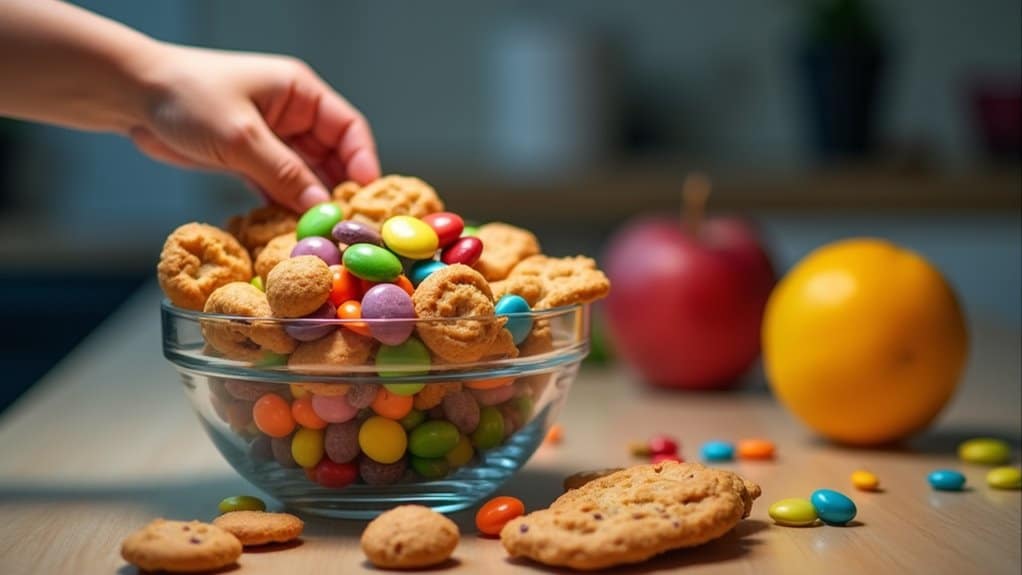
The brightly colored cereal your child reaches for at breakfast, the convenient granola bar tucked into their lunchbox, and the after-school cookies they love, these everyday foods share a troubling commonality. High levels of added sugars and ultra-processed ingredients can disrupt your child’s mental well-being, increasing anxiety risk by triggering neuroinflammation and altering gut-brain communication.
Research shows children consuming excessive added sugars experience heightened mental distress and disrupted sleep patterns, both compounding anxiety symptoms. Ultra-processed foods alter gut microbiota, affecting immune and neural pathways critical for emotional regulation. Your child’s developing brain is particularly vulnerable; these foods provide quick dopamine rewards but risk long-term dysregulation of emotional circuits. The developing brain’s energy demands are even more significant than adults’, with brain energy requirements accounting for more than 20% of total body energy needs, making quality nutrition especially critical during childhood. A comprehensive analysis of multiple studies revealed that sugar intake increased depression risk by 21%, demonstrating a clear connection between dietary choices and mental health outcomes. Children and adolescents show the highest UPF intake compared to other age groups, putting them at particular risk for mental health challenges. Longitudinal studies link junk food consumption to a 16% increased risk of developing mental health problems, making dietary choices essential for your child’s emotional development.
Caffeine and Energy Drinks: Stimulants That Amplify Anxious Feelings
When your teenager grabs that energy drink before soccer practice or sips cola throughout the school day, caffeine floods their developing nervous system and triggers physiological responses nearly identical to anxiety itself. Research confirms that total caffeine intake correlates with higher anxiety levels in secondary school children, with consumption exceeding 1000 mg weekly posing significant risk for both anxiety and depression.
Caffeine stimulates the central nervous system, causing rapid heartbeat, insomnia, and restlessness, symptoms indistinguishable from clinical anxiety. Chronic use during adolescence can dysregulate the HPA axis, your child’s stress hormone system, creating lasting vulnerability to anxiety disorders. Boys display stronger associations between caffeine and anxiety at lower thresholds than girls. Energy drinks prove particularly problematic, combining high caffeine doses with additional stimulants like taurine that amplify anxious responses beyond caffeine alone. Studies reveal that energy drink consumption shows a positive relationship with perceived stress in undergraduate students, suggesting these beverages may worsen rather than relieve academic pressure. Meta-analysis of controlled studies demonstrates that caffeine consumption significantly increases anxiety in healthy individuals without pre-existing psychiatric conditions, with particularly pronounced effects at doses above 400mg. Critically, research demonstrates that adolescent caffeine exposure produces lasting anxiety-related effects even after caffeine is removed, while the same consumption patterns in adults cause no such persistent changes.
Food Allergies: When Physical Reactions Create Emotional Distress

Beyond stimulants that mimic anxiety symptoms, certain foods pose a different threat, one rooted in your child’s immune system rather than their nervous system. Food allergies affect 37, 57% of children with clinically significant anxiety, primarily driven by fear of life-threatening anaphylaxis.
| Anxiety Type | Prevalence in Food-Allergic Children |
|---|---|
| Separation Anxiety | 45% |
| Generalized Anxiety | 34% |
| Social Anxiety | 32% |
| Panic Disorder | 27% |
This psychological distress stems from unpredictable exposure risks at school and social events. Children with multiple allergens experience heightened anxiety, particularly Black children, females, and adolescents around progression. The burden extends beyond physical reactions, 34% miss school regularly, and 10% shift to home-schooling due to pervasive worry about accidental allergen contact. The perception of risk of adverse food allergy outcomes, rather than the child’s actual medical history, appears most strongly linked to their anxiety levels. A study of 80 pediatric patients aged 4-12 years found that 57% of children with food allergies reported symptoms of anxiety compared to 48% of those without allergies. Clinical data reveals that food related anxiety affects 69% of pediatric patients referred for psychology services related to their allergies.
Sensory Sensitivities and the Anxiety-Picky Eating Connection
Your child’s extreme reaction to clothing tags or sudden noises isn’t just a quirk, it’s a red flag for future anxiety. Research shows that 20.5% of preschoolers display sensory over-responsivity, and 43% of these children develop impairing anxiety disorders. This sensory sensitivity at stage 2-5 specifically predicts anxiety symptoms by stage six.
When your child’s heightened sensitivity extends to food textures, tastes, or smells, picky eating becomes a coping mechanism. This creates a vicious cycle: sensory-triggered food avoidance increases mealtime stress, which reinforces both anxiety and selective eating. Children with these sensory-food aversions show higher rates of mood concerns than typical eaters.
The connection operates through intolerance of uncertainty, sensory-sensitive children struggle most when facing unpredictable experiences, especially during meals and social situations. Understanding this link is crucial, as difficulties with emotion regulation can develop from early sensory processing impairments and ultimately increase vulnerability to anxiety disorders in adulthood. For children with autism, who experience double the anxiety rate compared to their neurotypical peers, this sensory-anxiety relationship becomes even more pronounced and can intensify core autism symptoms like social difficulties and repetitive behaviors. Among young children, sensory over-responsivity and anxiety are associated with sleep problems, adding another layer of difficulty to daily functioning.
Unhealthy Eating Patterns and Their Impact on Emotional Well-Being

When your child regularly consumes processed foods, sugary snacks, and fast food, their brain receives fewer essential nutrients needed to regulate mood and manage stress. Research shows that 22% of children and adolescents display unhealthy eating behaviors linked to increased anxiety and depression rates. These nutrient-poor diets create a cycle where deficiencies in folate, zinc, magnesium, and omega-3 fatty acids directly compromise your child’s emotional stability and amplify anxious feelings. Reducing sugar intake from sources like candy, soda, and white bread can significantly improve anxiety and depression symptoms in children. Studies have found that adolescents with unhealthy eating patterns also experience lower daily intake of essential energy, nutrients, and vitamins compared to their peers with healthier diets. Global data from over 222,000 school-attending adolescents reveals that 50% consumed soft drinks daily while 57.4% ate fast food weekly, highlighting the widespread nature of these concerning dietary patterns.
Processed Foods Increase Anxiety
Ultra-processed foods now account for up to 67% of calories in American children’s diets, and this shift coincides with rising anxiety rates among young people. Research shows that high consumption of these foods increases your child’s risk of developing anxiety symptoms, with studies confirming a 1.5 times higher prevalence among frequent consumers.
| Ultra-Processed Food Component | Mechanism of Action | Anxiety Impact |
|---|---|---|
| Artificial sweeteners (aspartame) | Alters neurotransmitter function | Anxiety-like behaviors below FDA limits |
| Refined carbohydrates | Blood sugar fluctuations | Mood instability and anxiousness |
| Artificial additives/preservatives | Disrupts gut microbiota | Impaired emotional regulation |
| Food chemicals | Triggers chronic inflammation | Psychological distress |
These foods disrupt your child’s developing brain, causing long-term emotional vulnerabilities. Experts at Harvard T.H. Chan School of Public Health have noted that chronic inflammation from ultra-processed foods serves as a key mediator in mental health issues across all age groups.
Nutrient-Poor Diets Affect Mood
Everything your child eats shapes their emotional terrain, and nutrient-poor diets consistently correlate with poorer mental health outcomes in children and adolescents. Research reveals a dose-response relationship: worse diet quality, worse anxiety symptoms. Children consuming diets high in processed meats, refined grains, and unhealthy fats report markedly more mood disorders.
This pattern stems from critical nutrient deficiencies. Inadequate magnesium disrupts stress hormone regulation, while insufficient omega-3 fatty acids heighten anxiety and depressive symptoms. Low zinc and iron levels worsen attention and internalizing disorders. Vitamin D deficiency increases cognitive disturbances, and inadequate folate raises depression risk.
When your child’s diet lacks nutrient-dense foods, their brain doesn’t receive essential building blocks for neurotransmitter function. Early establishment of poor eating habits increases risk for persistent psychological distress throughout development.
Restrictive Eating Worsens Symptoms
While inadequate nutrition undermines your child’s mental health, restrictive eating patterns create a comparable damaging cycle that intensifies anxiety symptoms. When your child avoids certain foods due to fears about choking, swallowing, or textures, they’ll experience physiological anxiety responses during mealtimes, rapid heartbeat, stomach discomfort, and shakiness. This feedback loop strengthens food-related fears.
| Anxiety-Based Eating Pattern | Emotional Impact |
|---|---|
| Fear of swallowing/choking | Persistent mealtime distress |
| Extreme texture selectivity | Social isolation from peers |
| Avoidant Restrictive Food Intake Disorder (ARFID) | Nutritional deficiency with heightened anxiety |
Research shows sensory sensitivity fully mediates the relationship between anxiety and picky eating, with stronger effects in younger children. Early intervention targeting these sensory concerns proves vital, as restrictive patterns typically persist and worsen emotional well-being over time.
Social Challenges: How Food-Related Restrictions Affect Mental Health
When your child faces food-related restrictions, they’re traversing more than just dietary adjustments, they’re managing complex social dynamics that can considerably impact their mental health. Research shows that children with unique dietary needs often experience exclusion from peer activities centered around food, face teasing or bullying about their differences, and develop heightened anxiety during school mealtimes. These social challenges don’t occur in isolation; they compound existing food sensitivities and can trigger or worsen anxiety symptoms in developmentally vulnerable children. Addressing these issues requires not only awareness from parents and educators but also a supportive environment that fosters inclusion. By understanding the causes of social anxiety in children, we can implement strategies to promote acceptance and empathy among peers.
Social Isolation and Exclusion
| Exclusion Source | Mental Health Impact |
|---|---|
| School cafeterias without safe options | Social participation anxiety, isolation |
| Birthday parties and celebrations | Shame, stigma, self-esteem reduction |
| Cultural/religious food differences | Compounded barriers, withdrawal behaviors |
Food insecurity particularly increases isolation risk, families can’t afford participation in group meals, creating intergenerational mental health consequences.
Bullying Due to Differences
Children who bring different lunches to school often stand out in ways that make them vulnerable to peer cruelty. National data show up to 35% of children with food allergies experience bullying related to their dietary needs. This teasing, whether direct taunts or subtle exclusion from group snacks, occurs in front of peers, amplifying shame and worry.
Research confirms that food-related teasing correlates extensively with generalized anxiety (r = 0.40) and obsessive-compulsive symptoms (r = 0.36). Your child may face verbal harassment, rumors about “weird” foods, or social marginalization during mealtimes. These experiences can trigger persistent insecurity, school avoidance, and even panic attacks.
Long-term consequences include heightened risk for eating disorders and depressive symptoms into adolescence. Supportive adults and anti-bullying programs that normalize dietary diversity effectively reduce these harmful effects.
Mealtime Anxiety at School
School cafeterias present a minefield of social pressures that can transform routine lunch periods into anxiety-provoking ordeals. Your child may struggle with crowded environments, uncertainty about where to sit, or discomfort eating in front of peers, leading some students to skip meals entirely unless accompanied by friends.
When your child has food restrictions, these challenges intensify. They might avoid bringing culturally specific foods due to embarrassment or feel isolated when dietary needs aren’t accommodated during special events. Research shows restriction-based isolation such as eating separately with a teacher, correlates with higher social anxiety levels. This isolation can lead to feelings of rejection, making children reluctant to participate in social gatherings. As they navigate these challenging moments, they may experience stages of separation anxiety, making it even harder to connect with peers.
Food insecurity compounds these struggles, with affected students showing seven times more involvement in physical altercations. However, routine access to school meals demonstrably reduces anxiety and hyperactivity while improving attendance.
You’ve tried everything and yet your child still struggles. What if part of the answer has been sitting on their plate this whole time. It sounds simple but what children eat can have a deeper impact on how they feel emotionally than most parents realize. The connection between food and anxiety is real and it is worth paying attention to. Miami Substance Abuse Treatment helps Miami families look at every possible factor affecting their child’s wellbeing so nothing gets overlooked. Call (786) 228-8884 today. Sometimes healing starts in the most unexpected places.
Frequently Asked Questions
Can Specific Food Dyes or Artificial Colors Increase Anxiety Symptoms in Children?
Yes, artificial food dyes can worsen anxiety symptoms in your child. Research shows synthetic colors like Red 40, Yellow 5, and Yellow 6 disrupt neurotransmitters essential for mood regulation and trigger inflammation that affects mental health. Children with existing anxiety, ADHD, or depression are especially vulnerable, but behavioral changes can occur in any child. These dyes appear in approximately 90% of kid-targeted snacks and drinks, making daily exposure common and potentially intensifying anxiety-related behaviors.
How Long Does It Take for Dietary Changes to Improve Childhood Anxiety?
You’ll typically notice initial improvements in your child’s anxiety within 24-48 hours as their gut microbiome begins shifting, though meaningful emotional changes usually emerge over several days to weeks. Consistent dietary modifications, like eliminating caffeine, reducing processed foods, and adding omega-3-rich fish, work best as ongoing supportive measures rather than quick fixes. Younger children (ages 6-12) often respond more readily than adolescents, with stabilized blood sugar and increased serotonin levels contributing to gradual mood improvements.
Are There Blood Tests to Identify Food Sensitivities Linked to Anxiety?
No validated blood test can identify food sensitivities linked to your child’s anxiety. While IgE blood tests accurately detect true food allergies, they don’t predict anxiety symptoms. IgG “sensitivity” panels lack scientific support and often produce misleading results. Instead, work with your child’s doctor to conduct a supervised elimination diet, which remains the gold standard for identifying potential food triggers. Avoid at-home test kits, they’re unreliable and may lead to unnecessary dietary restrictions.
What Foods Should I Add to My Child’s Diet to Reduce Anxiety?
Focus on adding omega-3-rich fatty fish like salmon, magnesium-packed leafy greens, nuts, and whole grains to your child’s plate. Include antioxidant-rich berries, colorful vegetables, and lean proteins from poultry, beans, and eggs. Fermented foods like yogurt with active cultures support gut health, which directly influences anxiety levels. Don’t forget zinc sources such as cashews and beef. These nutrient-dense foods provide the building blocks for neurotransmitter production and help stabilize your child’s mood naturally.
Can Probiotics or Gut Health Supplements Help Decrease Anxiety in Kids?
Evidence on probiotics for childhood anxiety is mixed and limited. While some studies show high-dose probiotics may reduce worry symptoms, about 50% find no significant benefit. Research suggests gut health supplements might help more with secondary issues like hyperactivity than anxiety specifically. The effectiveness depends on specific strains, doses, and your child’s individual needs. Since results are inconsistent and adverse effects have been reported, consult your pediatrician before starting any probiotic regimen for anxiety management.