

During alcohol detox, focus on nutrient-dense foods that support your body’s healing process. Start with proper hydration through water, broths, and electrolyte-rich beverages. Include lean proteins like chicken and fish for tissue repair, complex carbohydrates from whole grains for blood sugar stability, and fresh produce for essential vitamins and minerals. Don’t forget healthy fats from sources like avocados and salmon. Understanding the specific roles of each food group will enhance your recovery success. Incorporating liver healing foods for recovery is also key, as they can aid in restoring liver function and flushing out toxins. Foods such as leafy greens, garlic, and beets are excellent choices that promote liver health. By prioritizing these nutrient-rich options, you can facilitate a smoother detox process and improve your overall well-being.
Understanding Your Body’s Nutritional Needs During Detox
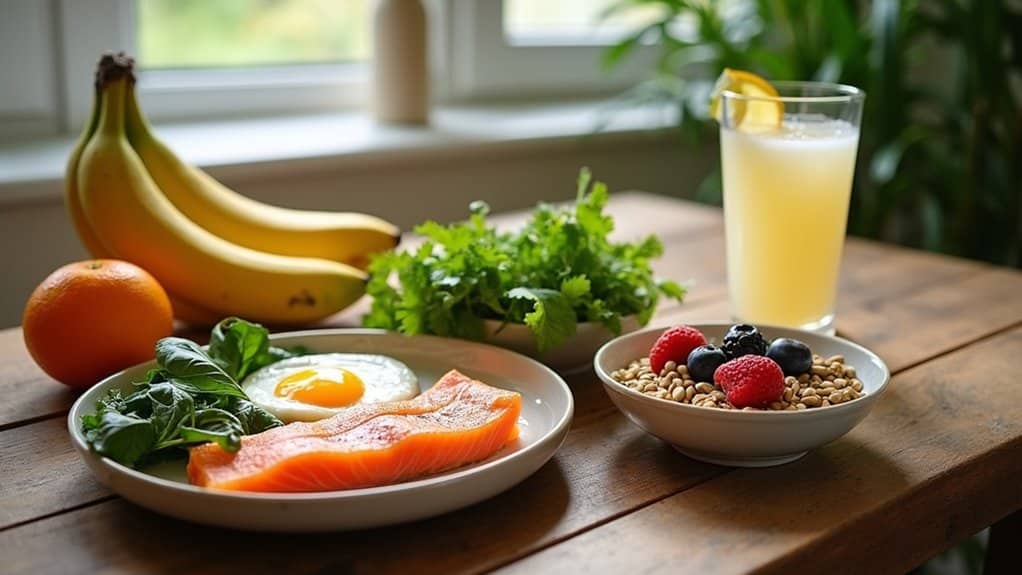
When your body undergoes alcohol detox, it faces significant nutritional challenges that require targeted dietary support. Your system needs replenishment of essential vitamins A, B, C, D, and minerals like iron, zinc, calcium, and potassium, which alcohol use has depleted. These deficiencies can intensify withdrawal symptoms, including headaches, confusion, and digestive issues. Withdrawal symptoms arise within hours after reducing alcohol intake. Starting with hydration first is crucial before introducing solid foods during detox.
Your body’s nutrient absorption has been compromised by alcohol’s effects on your digestive system, making metabolic support vital during recovery. You’ll need to focus on foods that deliver extensive nutritional benefits while being gentle on your system. B1 (thiamine) deficiency, particularly common during detox, requires special attention through consumption of whole grains and lean proteins. Complex carbohydrates help maintain stable blood sugar and reduce cravings during the recovery process. Addressing these nutritional gaps supports your organ repair, gut function, and mental well-being during the recovery process.
Essential Hydration and Electrolyte Sources
During alcohol detox, maintaining proper hydration and electrolyte balance becomes crucial for your body’s recovery process. You’ll need to consume 3-4 liters of fluids daily through both foods and beverages. Focus your hydration strategies on water-rich foods like watermelon, cucumbers, and citrus fruits, which provide natural hydration alongside essential nutrients. Since whole foods promote hydration effectively after physical stress, incorporating them consistently into your diet is essential. Lean proteins aid recovery during the detoxification process through tissue repair. Berries aid recovery by providing essential vitamins and antioxidants that combat cravings.
For ideal electrolyte balance, incorporate coconut water, bananas, and leafy greens into your diet. These foods help replenish essential minerals like potassium, magnesium, and sodium. Choose broths and low-sugar electrolyte solutions over caffeinated beverages, which can worsen dehydration. You can also prepare smoothies using fruits and vegetables when nausea makes eating difficult. Remember to dilute fruit juices to avoid blood sugar spikes while staying hydrated.
Protein-Rich Foods for Recovery and Healing
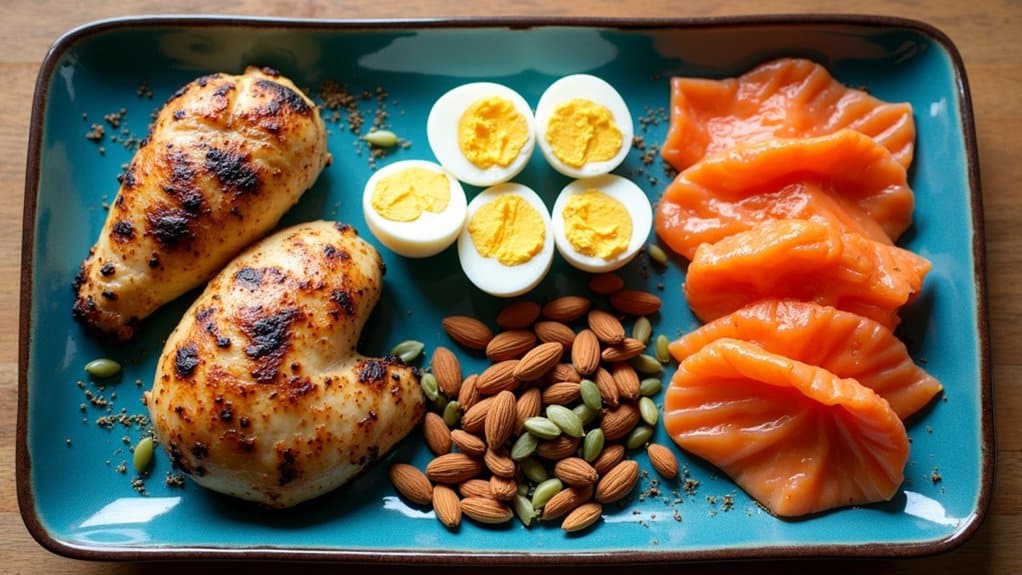
During alcohol detox, your body requires high-quality protein sources to repair damaged tissues and restore crucial organ functions. You’ll find complete proteins in lean meats, fish, and eggs, which provide essential amino acids for liver regeneration and neurotransmitter synthesis. Incorporating plant-based proteins like legumes, nuts, and seeds complements your recovery by delivering additional nutrients such as fiber, healthy fats, and minerals that support extensive healing. These foods can also provide B vitamins that are often depleted during chronic alcohol use. Regular consumption of protein-rich foods helps maintain stable blood sugar levels throughout the detoxification process. A well-balanced protein intake can help combat the nutritional deficiencies commonly associated with prolonged alcohol use.
Essential Protein Power Sources
Protein serves as a cornerstone of alcohol detox recovery, playing essential roles in tissue repair, neurotransmitter production, and immune system restoration. Your ideal protein sources include lean meats like chicken and turkey for complete amino acid profiles, while wild-caught fatty fish deliver essential proteins plus inflammation-reducing omega-3s. Following a proper diet during detox is vital since nutritional deficiencies are common in those recovering from alcohol dependency.
To maximize protein digestion and amino acid absorption, you’ll want to incorporate diverse protein sources throughout your day. Eggs provide complete proteins with vital choline for liver support, while dairy products offer readily available casein and whey proteins. Plant-based options like quinoa, legumes, and spirulina can effectively complement animal proteins, ensuring you receive all essential amino acids while supporting your body’s healing processes. Choose organic options when possible to minimize additional toxin exposure during recovery.
Healing Through Quality Proteins
While your body works to heal from alcohol’s effects, consuming strategic protein-rich foods becomes vital for cellular repair and organ regeneration. Your liver and tissues need high-quality proteins to counteract ethanol’s suppressive effects on protein synthesis and restore damaged cells. Focus on complete protein sources that maximize amino acid balance, such as eggs, fish, lean meats, and quinoa.
To enhance protein absorption, incorporate bone broth and fermented dairy products, which are gentler on your digestive system during detox. These sources also deliver important B vitamins, zinc, and magnesium needed for metabolic recovery. Choose anti-inflammatory proteins like salmon and sardines, which provide omega-3s to reduce recovery-related inflammation. Lean beef is particularly beneficial as it contains essential B vitamins that help replenish nutrients depleted by alcohol use. Include plant-based options such as lentils and hemp seeds to guarantee thorough nutrient support for your healing journey. In addition to these protein sources, consider adding leafy greens like kale and spinach, which are rich in antioxidants that aid in reducing oxidative stress during detox. Pairing these with most effective detox foods such as garlic and turmeric can further amplify their benefits, as they possess strong anti-inflammatory properties.
Smart Carbohydrate Choices for Stability
Making smart carbohydrate choices becomes essential for maintaining stability during alcohol detox, as complex carbohydrates play an important role in blood sugar regulation and mood stabilization. You’ll want to focus on whole grains like quinoa, brown rice, and steel-cut oats, which provide steady energy release and support serotonin production. Carb timing matters; incorporate these foods consistently throughout your day to prevent blood sugar fluctuations and reduce withdrawal symptoms. During detox, your brain experiences a significant energy metabolism deficit, making nutrient-dense carbohydrates particularly important for recovery. Monitoring your carbohydrate intake carefully is crucial since alcohol metabolism can interfere with blood sugar regulation.
A fiber focus is vital during recovery. Choose root vegetables, legumes, and fiber-rich produce to support your gut health and detox pathways. These complex carbohydrates help regulate your insulin response while providing essential B vitamins and minerals. Unlike simple sugars, they’ll give you lasting energy and help control cravings as your body heals.
Vital Vitamins and Minerals Through Fresh Produce
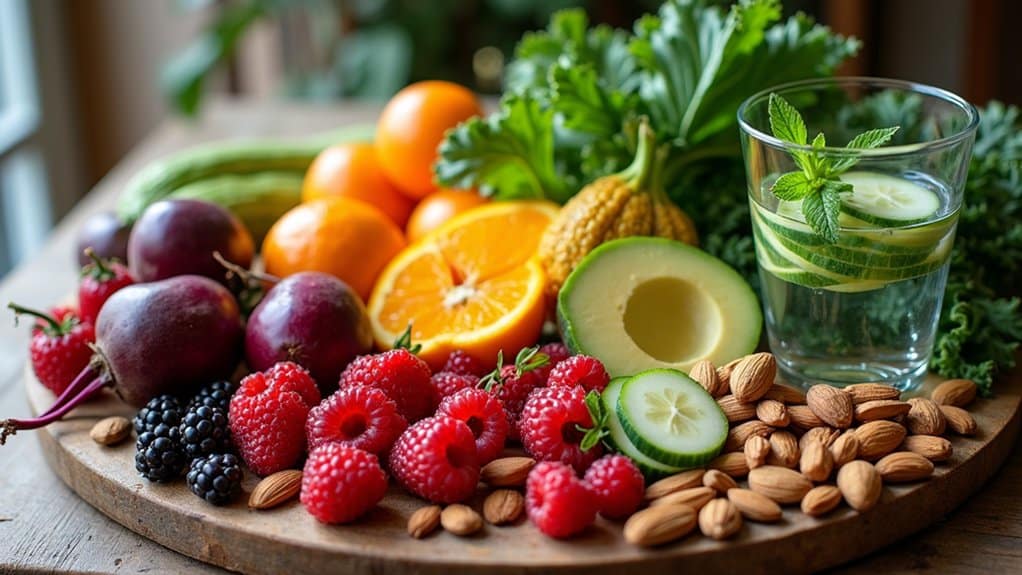
Fresh produce serves as your primary source for essential vitamins and minerals during alcohol detox, with antioxidant-rich fruits providing immune support while leafy greens deliver critical B vitamins and minerals for cellular repair. You’ll optimize nutrient absorption by combining fruits and vegetables strategically in smoothies, such as pairing vitamin C-rich berries with iron-rich spinach. Strategic produce combinations help address multiple deficiencies simultaneously, making smoothies an efficient delivery method for the vitamins and minerals your body needs to recover. Since chronic alcohol consumption significantly affects nutrient absorption and utilization, selecting whole food sources rich in vitamins becomes especially important for replenishing depleted stores. Sweet potatoes and carrots provide vitamin A support that helps maintain healthy skin function during the detoxification process. Citrus fruits and broccoli are particularly beneficial as they provide vitamin C replenishment, which is commonly depleted during alcohol abuse.
Antioxidant-Rich Fruits Matter
Since antioxidant-rich fruits play an essential role in alcohol detoxification, incorporating specific varieties into your diet can greatly support recovery. The high levels of flavonoids and vitamin C in berries combat oxidative stress, while citrus fruits enhance liver detox pathways and boost immune function.
| Fruit Type | Antioxidant Benefits | Recovery Support |
|---|---|---|
| Berries | Flavonoids, Vitamin C | Reduces oxidative stress |
| Citrus | Vitamin C, Enzymes | Enhances liver function |
| Persimmon | Phenolics, Flavones | Accelerates metabolism |
You’ll find particularly strong detox support from persimmons, which promote antioxidative enzyme systems and reduce alcohol-induced liver toxicity. Mangoes provide essential polyphenols and aspartate that help lower plasma alcohol levels, while apples deliver pectin and antioxidants vital for liver recovery and toxin removal.
Leafy Greens For Recovery
Leafy greens form a cornerstone of effective alcohol detox, delivering essential nutrients depleted by chronic alcohol use. You’ll find vital vitamins like K, A, C, and B-complex, along with minerals such as magnesium, iron, and potassium in these powerful plants. These leafy greens benefits extend beyond basic nutrition; they’re particularly effective at supporting liver function and reducing inflammation during withdrawal.
To maximize your intake, incorporate spinach, kale, chard, and collard greens into your daily meals. Try detox smoothie recipes combining these greens with antioxidant-rich fruits for the best absorption. Dark leafy vegetables are especially valuable for their folate content, which aids cognitive recovery, while their high fiber content supports toxin elimination. They’ll also help restore your body’s depleted vitamin B6 levels, essential for neurological stability during recovery. In addition to their cognitive benefits, these leafy greens are also among the best foods for clearer skin during recovery, as they promote hydration and reduce inflammation. Pairing them with healthy fats, like avocado or nuts, can enhance nutrient absorption and contribute to overall skin health.
Strategic Smoothie Combinations
Strategic smoothie combinations elevate the detoxification benefits of leafy greens through targeted nutrient synergies. You’ll maximize smoothie benefits by combining specific ingredients that support liver function, electrolyte balance, and cellular repair. Blend beets and carrots with turmeric for enhanced liver detoxification, while adding coconut water and bananas replenishes vital electrolytes.
Optimize nutrient timing by consuming antioxidant-rich mixtures of blueberries, raspberries, and dark leafy greens in the morning to combat oxidative stress. For digestive support, incorporate ginger, mint, and probiotics from yogurt. Balance your recovery smoothies with protein sources like Greek yogurt or tofu, healthy fats from avocado or nuts, and complex carbohydrates from oats. This strategic approach guarantees your body receives thorough nutritional support during the detoxification process.
Beneficial Fats for Brain and Body Support
When recovering from alcohol use, your brain and body require specific fats to support healing and cognitive function. Incorporating healthy fats strategically can enhance recovery and provide essential cognitive support. Focus on foods rich in omega-3 fatty acids and monounsaturated fats while limiting saturated and trans fats.
- Consume fatty fish like salmon, sardines, and mackerel 2-3 times weekly for EPA and DHA, which directly support brain structure and reduce inflammation
- Include olive oil, avocados, and nuts daily for monounsaturated fats that protect against cognitive decline
- Add plant-based oils such as flaxseed and sunflower to support neuron communication
- Replace saturated fat sources with brain-healthy alternatives to minimize neuroinflammation
These evidence-based fat choices align with Mediterranean and MIND dietary patterns, proven to support brain health during recovery.
Your body has been through so much. Alcohol detox is already one of the hardest things you will ever ask it to endure and what you feed it during this time can make the difference between barely surviving and actually starting to heal. The right foods can restore what alcohol has quietly stolen from you over time, your energy, your clarity, your strength. Outpatient Drug Rehab Tampa FL helps Tampa residents find a full path through alcohol detox that heals the body and the mind together. today.Your body fought hard to get here. Now give it what it needs to recover.
Frequently Asked Questions
How Soon After My Last Drink Should I Start Eating Solid Foods?
You should begin reintroducing solid foods within 24-48 hours after your last drink, as your body tolerates it. Start your detox nutrition with easily digestible items like bone broth and banana smoothies in the first two days. Progress to gentle solid foods like oatmeal and steamed vegetables on days 3-4. Don’t delay eating for too long, as proper solid food timing helps stabilize blood sugar and reduces withdrawal symptoms.
Can Certain Spices or Herbs Help Reduce Alcohol Withdrawal Symptoms?
Yes, several herbal remedies can help manage withdrawal symptoms. You’ll find relief from anxiety with kava kava and passionflower, which work by influencing your brain’s GABA receptors. For liver support, try milk thistle and burdock root. Spice benefits include kudzu root’s ability to reduce alcohol cravings, while chamomile and lemon balm can improve your sleep quality. Always consult your healthcare provider before starting any herbal supplements during detox.
Which Foods Should I Avoid During the Detox Process?
You’ll want to avoid processed sugars and fried foods, which can stress your already taxed liver and digestive system. Skip ultra-processed snacks, sodas, and packaged meals high in preservatives and sodium. Stay away from spicy and acidic foods that may trigger stomach discomfort. Limit caffeine to one cup daily or eliminate it entirely. These restrictions help reduce inflammation, support organ function, and minimize withdrawal symptoms during your detox process.
How Often Should I Eat While Detoxing From Alcohol?
You’ll need to eat 5-6 small meals throughout the day, spacing them 2-3 hours apart to maintain stable blood sugar levels. Start with breakfast within an hour of waking, followed by a mid-morning snack, lunch, an afternoon snack, and dinner. Don’t skip meals, as this can worsen withdrawal symptoms. Between meals, focus on hydration by drinking water regularly. This meal timing strategy helps prevent cravings and supports your body’s healing process.
Are There Specific Foods That Can Help With Alcohol-Related Sleep Problems?
Yes, several sleep-promoting foods can help regulate your sleep during alcohol detox. Focus on magnesium rich foods like spinach, quinoa, and pumpkin seeds to support relaxation. Include turkey, eggs, and fatty fish, which contain nutrients that boost serotonin and melatonin production. You’ll also benefit from complex carbohydrates like oats and brown rice, which help stabilize blood sugar levels overnight. Fermented foods like kefir can improve sleep quality by supporting GABA production.