

During addiction treatment, you’ll need specific nutrient-dense foods to support your skin’s recovery and detoxification. Focus on antioxidant-rich fruits like pomegranates and berries, along with leafy greens containing essential vitamins A, C, and zinc for collagen production. Include omega-3 sources like salmon and walnuts to regulate moisture levels, and amino acid-rich proteins such as eggs and lean meats for skin regeneration. Understanding the complete spectrum of skin-supporting foods can transform your recovery journey.
The Power of Nutrient-Dense Fruits and Vegetables for Skin Recovery
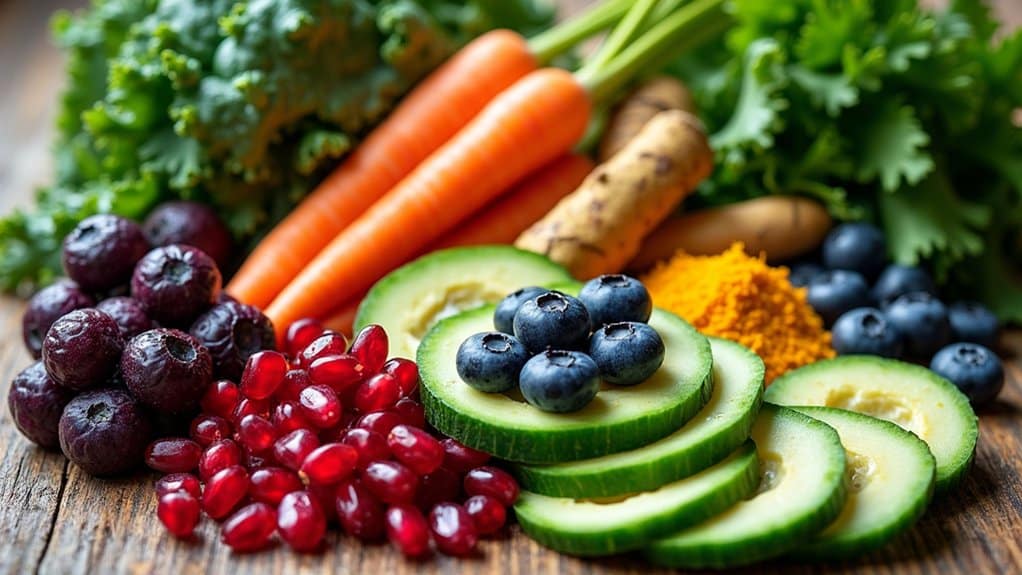
Three key categories of nutrients found in fruits and vegetables play an essential role in skin recovery during addiction treatment: antioxidants, vitamins, and polyphenols.
You’ll find powerful antioxidant benefits in pomegranates, which boost cell renewal and strengthen your skin’s upper layers. Dark-colored fruits like cherries and figs provide concentrated antioxidants that repair UV damage and improve texture. For skin rejuvenation, broccoli and leafy greens deliver essential vitamin A, C, and zinc, promoting collagen production and cellular turnover. Orange and yellow vegetables, including carrots and sweet potatoes, contain beta-carotene that supports skin repair and radiance. Additionally, the unique polyphenols in these plant-based foods strengthen your skin’s barrier function and provide photoprotection, while reducing inflammation in skin tissue and signs of aging. A well-balanced gut microbiome supports nutrient absorption and healing. Walnuts provide essential omega-3 fatty acids that act as natural moisturizers for your skin. Regular consumption of these foods helps maintain skin thickness and suppleness, especially when combined with fatty fish in your diet.
Essential Fatty Acids: Building Blocks for Healthy Skin
While fruits and vegetables deliver essential antioxidants for skin health, fundamental fatty acids (EFAs) represent another cornerstone of dermatological recovery during addiction treatment.
You’ll find both omega-3 and omega-6 fatty acids play significant roles in skin barrier maintenance, helping to regulate moisture levels and prevent dehydration. These EFAs benefits extend to controlling inflammation, which often manifests during recovery. They’ll support your skin’s natural healing processes by moderating oil production and reducing irritation. Research shows that dietary supplementation can effectively increase beneficial long-chain fatty acids in the epidermis. Since smaller fish typically contain fewer toxins, sardines are an excellent choice for safe omega-3 consumption.
To incorporate these powerful compounds, focus on consuming fatty fish like salmon and sardines for EPA and DHA omega-3s. Plant-based sources such as walnuts, flaxseeds, and chia seeds provide alpha-linolenic acid. These foods won’t just improve your skin’s structure; they’ll also help maintain collagen production, reducing signs of premature aging that can occur during recovery. The healthy scalp and hair benefits of these essential fatty acids can also help address any hair-related concerns during treatment.
Amino Acid-Rich Foods That Support Skin Healing
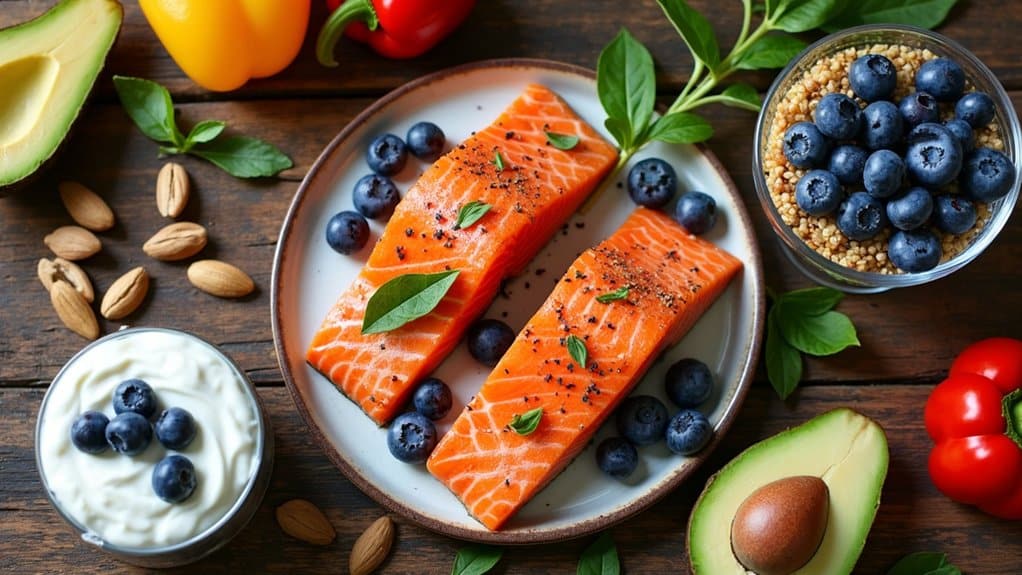
Beyond essential fatty acids, amino acids serve as fundamental building blocks for skin repair during addiction recovery. Your skin’s ability to heal and regenerate depends heavily on these protein components, which support collagen production and cellular regeneration. Regular consumption of these foods provides natural moisturizing factors that enhance skin hydration levels. You’ll find significant amino acid benefits in complete protein sources that can enhance your skin’s natural repair processes. These nutrients are crucial for maintaining a healthy skin microbiome, which is essential for optimal healing and protection. The combination of specific amino acids helps with wound healing support during the recovery journey.
- Lean meats and fish deliver arginine and leucine, vital for collagen synthesis and tissue repair
- Eggs provide all essential amino acids needed for skin healing and regeneration
- Greek yogurt and cottage cheese support skin hydration and elasticity
- Legumes offer plant-based amino acids that promote cellular turnover
- The combination of these proteins helps strengthen your skin’s moisture barrier and pH balance
These nutrient-dense foods work systematically to improve your skin’s texture, firmness, and overall health during recovery. Incorporating a variety of antioxidant-rich fruits and vegetables can further enhance your skin’s appearance, helping to reduce inflammation and promote healing. Additionally, focusing on foods to eat during alcohol detox can support your body’s natural recovery processes, allowing for improved hydration and nutrient absorption.
Antioxidant Superfoods for Skin Protection and Repair
Antioxidants serve as powerful defenders of your skin during addiction recovery, complementing the amino acid benefits in your diet. These compounds combat free radicals that accelerate aging and compromise skin elasticity. Research shows that seasonal produce choices significantly enhance skin repair outcomes. The consumption of omega-3 rich foods helps prevent severe photoaging in exposed skin areas. You’ll find significant antioxidant benefits in specific food groups that target skin repair. Medical research indicates that vitamin C supplementation can boost collagen production when paired with a healthy diet.
| Food Category | Key Antioxidants |
|---|---|
| Berries | Anthocyanins, Polyphenols |
| Citrus & Peppers | Vitamin C |
| Leafy Greens | Lutein, Beta Carotene |
| Nuts & Seeds | Vitamin E, Selenium |
| Herbs & Spices | Curcumin, Flavonoids |
Your skin’s resilience improves when you incorporate these antioxidant-rich foods into your recovery diet. Focus on combining multiple sources, like blueberries with spinach or bell peppers with Brazil nuts, to maximize protective effects. These nutrients work synergistically to enhance collagen production and support your skin’s natural repair mechanisms. Additionally, consider including foods that help eliminate THC, such as citrus fruits and leafy greens, which can aid in detoxification. Staying hydrated and consuming healthy fats, like avocados and olive oil, further supports your skin’s recovery process.
Hydration Heroes: Foods That Keep Your Skin Moisturized
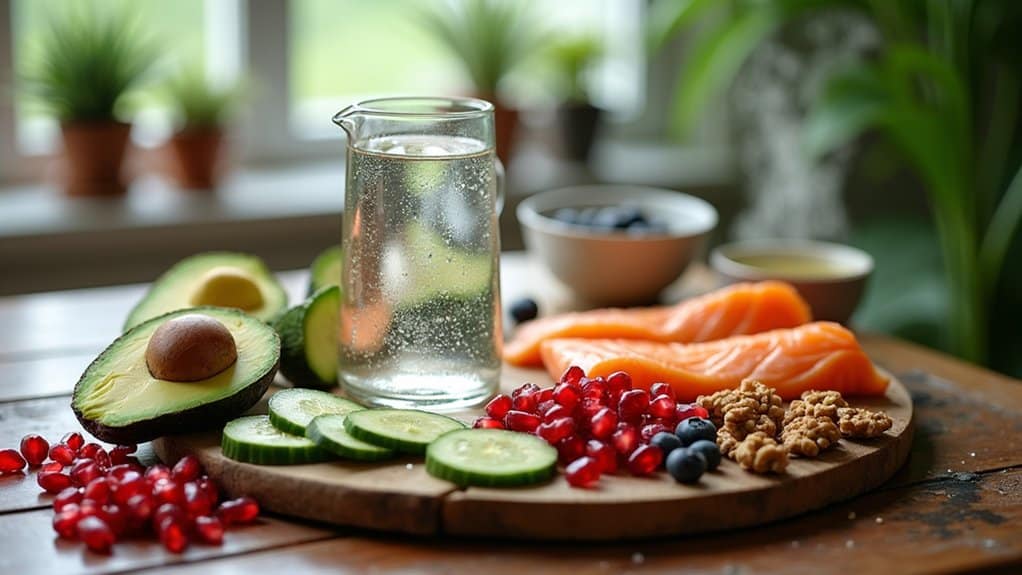
During addiction recovery, maintaining ideal skin hydration requires a strategic approach to food selection that goes beyond simply drinking water. Your body needs specific nutrients for peak moisture retention and skin barrier function. By incorporating hydration-rich foods and those with essential fatty acids, you’ll support your skin’s natural healing process. Gentle cleansers should be used when washing to avoid stripping natural oils. Consuming dairy products helps provide essential water and nutrients to maintain skin hydration levels. Dark leafy greens like spinach contain omega-4 fatty acids that actively protect and hydrate skin cells.
- Watermelon and cucumber, containing over 90% water content, deliver immediate hydration benefits
- Avocados and fatty fish provide omega-3s essential for skin moisture barrier protection
- Citrus fruits and berries offer vitamin C, enhancing collagen synthesis and moisture retention
- Sweet potatoes contain beta-carotene that reduces water loss from skin cells
- Nuts and seeds supply vitamin E and healthy fats that maintain skin hydration from within
These nutrient-dense options work synergistically to maintain your skin’s moisture balance while supporting overall recovery and healing.
Whole Foods vs. Processed Foods: Impact on Skin Health
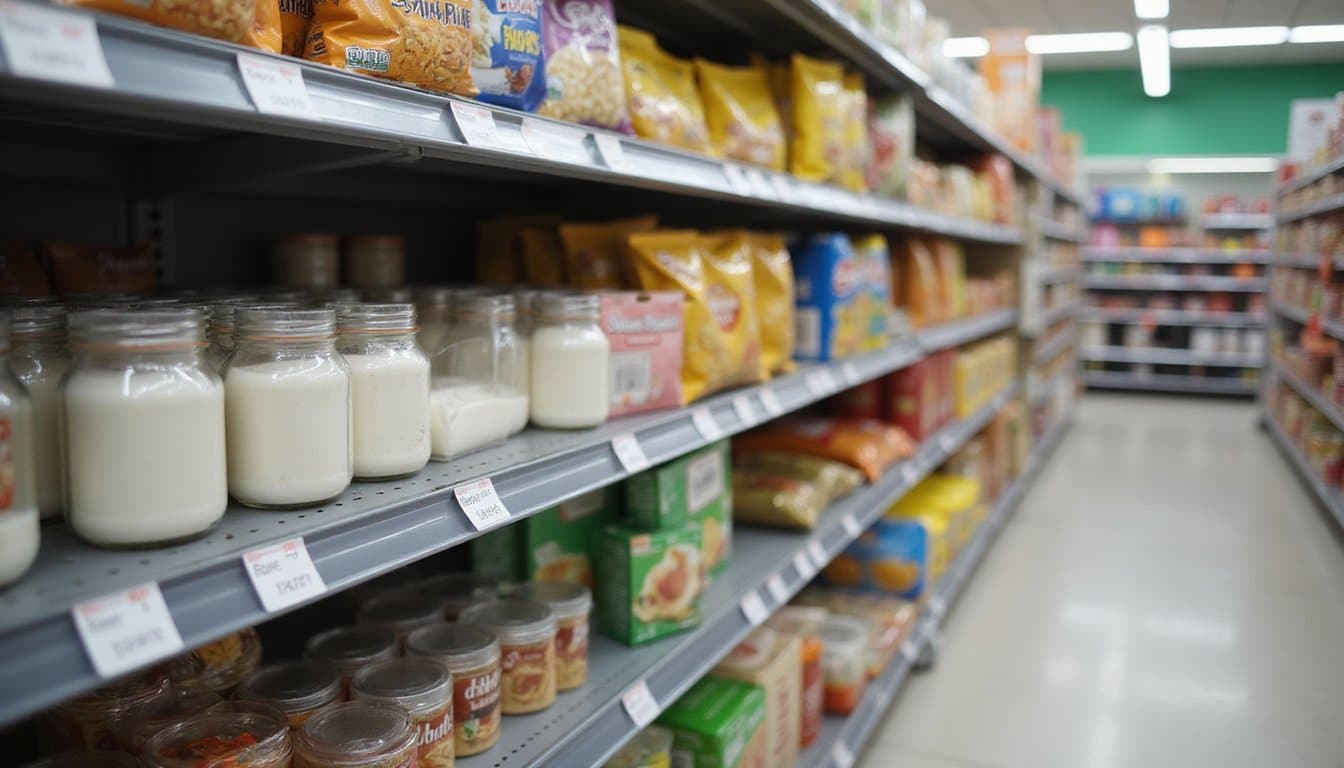
The choice between whole and processed foods directly influences skin health during addiction recovery. When you consume whole foods rich in vitamins C, E, and omega-3s, you’re supporting your skin’s repair mechanisms and reducing inflammation, which is vital during treatment. These nutrient-dense options help maintain skin hydration and elasticity while combating oxidative stress. Supermarket convenience has made processed foods readily available, making it harder to maintain a healthy diet during recovery.
In contrast, processed foods can sabotage your skin’s healing process. Their high sugar content triggers glycation, damaging collagen and elastin, while artificial additives may disrupt your gut microbiome and hormone balance. You’ll notice increased breakouts, inflammation, and premature aging when consuming processed foods regularly. Research shows that switching to a whole-food-based diet can improve skin barrier function and reduce flare-ups within weeks, making it an essential strategy for maintaining skin health during recovery.
Detoxifying Foods That Promote Clear, Radiant Skin
While traversing addiction recovery, incorporating specific detoxifying foods can greatly enhance your skin’s natural healing processes and radiance. Your liver’s detoxification pathways benefit greatly from cruciferous vegetables and antioxidant-rich fruits, which actively combat inflammation and oxidative stress. Consider integrating detox smoothies with ingredients like beets, carrots, and skin-friendly spices such as turmeric and ginger to amplify your body’s natural cleansing mechanisms.
- Combine leafy greens like kale and spinach for chlorophyll and essential nutrients
- Include citrus fruits and berries to boost collagen production
- Add prebiotic-rich foods like artichokes to support gut-skin health
- Incorporate chlorella or spirulina for enhanced heavy metal detoxification
- Mix in avocado and nuts for glutathione and vitamin E support Overcoming addiction takes strength, but you don’t have to face this path alone.
If you or a loved one is ready for change, know that compassionate support is within reach. Miami Substance Abuse Treatment connects you with experienced treatment specialists across Miami who understand the complexities of substance abuse and are dedicated to guiding your recovery journey. From comprehensive specialized detox programs to residential treatment, outpatient care, and ongoing recovery assistance, we’ll help you find the right path forward. Take that important first step call (786) 228-8884 today and allow us to connect you with the care you need.
Frequently Asked Questions
How Long Does It Take to See Improvements in Skin Through Diet?
You’ll typically notice skin improvement timeline changes within 4-6 weeks of making consistent dietary changes impact on your skin, due to natural cell turnover cycles. However, severe conditions like cystic acne may require 8-12 weeks or longer. Initial improvements are often subtle, with full results developing over 1-3 months. Your skin might experience a brief “purge” before showing positive changes, so it is crucial to maintain dietary modifications consistently.
Should I Avoid Caffeine Completely During Addiction Recovery for Better Skin?
You don’t need to eliminate caffeine completely, but it’s wise to reduce your intake considerably during recovery. Consider switching to caffeine alternatives like herbal teas or green tea, which contain less caffeine and provide antioxidant benefits. Watch for withdrawal symptoms like headaches and insomnia, as these can impact your skin’s healing process. If you’re sensitive to caffeine’s effects on sleep or notice increased skin issues, gradual reduction may be more beneficial than complete elimination.
Are There Specific Foods That Help Reduce Addiction-Related Acne Scars?
Yes, you’ll find several nutrient-rich foods particularly effective for addiction-related acne scar treatments. Focus on consuming omega-3-rich salmon and sardines to reduce inflammation, while incorporating vitamin C-packed citrus fruits to boost collagen production. Add antioxidant-rich blueberries and kale to combat skin damage, and include zinc-containing foods like pumpkin seeds to accelerate healing. Don’t forget to eat sweet potatoes and tomatoes, as their vitamins A and lycopene help fade discoloration.
Can Vitamin Supplements Replace Whole Foods for Skin Health During Recovery?
No, vitamin supplements can’t fully replace whole foods for ideal skin health during recovery. While supplements can address specific deficiencies, you’ll get superior benefits from natural vitamin sources found in fresh fruits, vegetables, and lean proteins. Whole food benefits include complex phytonutrients, balanced nutrient ratios, and fiber that work synergistically to support skin healing and detoxification. You should consider supplements as complementary to, not replacements for, a nutrient-rich diet during recovery.
Does Meal Timing Affect How Well Nutrients Support Skin Healing?
Yes, meal timing greatly impacts how your body absorbs and utilizes nutrients for skin healing. You’ll optimize nutrient absorption by eating at consistent intervals throughout the day rather than irregular or infrequent meals. Regular meal frequency helps maintain steady nutrient availability for cellular repair and collagen synthesis. When you space your meals evenly, you’re providing your body with a constant supply of healing compounds, which supports ongoing skin regeneration and immune function.