




Treatment options for synthetic drug addiction typically combines pharmacological and behavioral strategies tailored to these chemically unpredictable substances. You’ll likely start with medically supervised detox, where clinicians manage unknown toxicity and multi-organ complications. Medications like buprenorphine can reduce synthetic opioid cravings, while naltrexone blocks reward pathways linked to stimulants. Cognitive-Behavioral Therapy and Contingency Management help you build coping skills and reinforce abstinence. Below, you’ll find a detailed breakdown of each evidence-based approach.
Why Synthetic Drugs Require Specialized Treatment

Synthetic drugs throw off conventional treatment models because their chemical compositions are unpredictable, unregulated, and constantly shifting. You’re dealing with lab-engineered compounds that hijack your brain’s reward system faster than traditional substances, producing rapid tolerance, intense cravings, and severe physiological destabilization. Standard detox for synthetic drugs must account for unknown toxicity profiles, unpredictable potency, and multi-organ complications, including seizures, cardiovascular damage, and kidney failure. Manufacturers continuously alter molecule structures to evade legal restrictions, meaning the substances entering your system have never been tested for human safety. These compounds are produced in clandestine labs with no quality control or purity standards, making every dose a potentially life-threatening gamble.
Designer drug addiction therapy demands individualized clinical protocols because each synthetic compound interacts with neuroreceptors differently. You may experience prolonged psychosis, paranoia, or hallucinations that complicate stabilization. Effective treatment for synthetic drug addiction integrates pharmacological monitoring with targeted behavioral interventions like CBT and DBT, addressing co-occurring psychiatric conditions that standard approaches often overlook.
How Doctors Diagnose Synthetic Drug Addiction
Your doctor uses the Addiction Severity Index (ASI) to quantify the impact of substance use across multiple domains, including medical status, employment, drug and alcohol use, legal issues, and psychiatric functioning, producing composite scores that guide treatment intensity and planning. Alongside the ASI, urine screening methods help detect synthetic compounds, though standard immunoassay panels can’t identify many novel formulations, so providers may order advanced testing such as liquid chromatography-mass spectrometry to broaden detection capabilities. These diagnostic tools work together to establish a clinical baseline, but because synthetic drug formulas change rapidly, your treatment team relies on combining objective test results with exhaustive behavioral and medical assessments to confirm a substance use disorder diagnosis.
Addiction Severity Index Scores
Because synthetic drug addiction often involves novel compounds with poorly characterized pharmacological profiles, clinicians rely on structured diagnostic tools like the Addiction Severity Index (ASI) to evaluate the full scope of a patient’s condition. This 161-item clinical interview assesses severity across seven domains, guiding emerging drug addiction treatment decisions with empirical precision. In recent years, emerging drug trends in America have highlighted the increasing prevalence of synthetic opioids, which add complexity to treatment protocols. Clinicians must stay informed about these developments to adapt their approaches and ensure effective management of addiction. Continuous education and awareness of these patterns are essential to combat the evolving landscape of substance use disorders.
- Composite Scores (CSs): Quantify severity per domain, helping synthetic drug rehab teams prioritize interventions across medical, psychiatric, drug, alcohol, legal, employment, and family/social areas.
- Recent Status Scores (RSSs): Expand the severity continuum over a 3-month timeframe, reducing score skew and improving sensitivity to clinical change.
- Treatment Service Priority Scores: Direct clinicians toward the most urgent service needs, ensuring resources target domains with the highest validated severity indicators.
Urine Screening Methods
While the ASI quantifies addiction severity across behavioral and psychosocial domains, laboratory-based urine screening provides the objective biochemical data clinicians need to confirm substance exposure and guide synthetic drug addiction treatment. Your provider first verifies specimen integrity through temperature checks, guaranteeing samples fall within 90°F, 100°F. Specimen validity testing evaluates pH, creatinine, specific gravity, and nitrites using dipsticks like Intect7 to flag adulterants.
If you’re using synthetic cannabinoids or cathinones, standard immunoassays may miss novel analogs. Your clinician then employs GC-MS or LC-MS/MS, which separates and identifies compounds by mass-to-charge ratio with high sensitivity. Biomarker analysis detects uric acid, urobilin, and lifestyle markers like cotinine, their absence signals specimen substitution. These layered methods ascertain accurate detection, enabling your treatment team to tailor interventions precisely.
Medications That Ease Cravings and Withdrawal
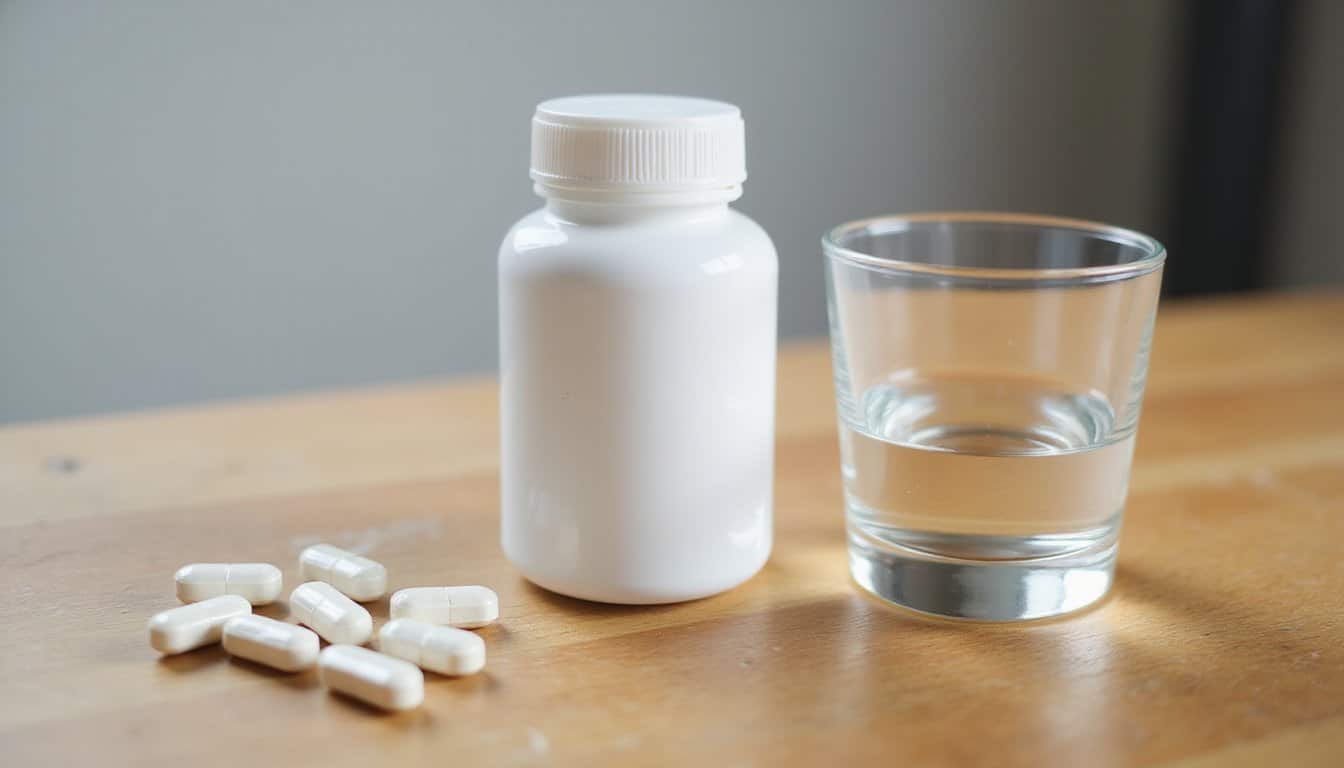
When you’re recovering from synthetic opioid addiction, FDA-approved medications like buprenorphine, methadone, naltrexone, and lofexidine can considerably reduce withdrawal severity and stabilize your neurochemistry. These medications work by targeting opioid receptors to manage the physical symptoms that often drive relapse, giving you the stability needed to engage in behavioral therapy. Your treatment provider will also incorporate craving management strategies, combining pharmacological interventions with cognitive behavioral techniques, to address both the physiological and psychological dimensions of your addiction.
FDA-Approved MAT Medications
How effectively can medication-assisted treatment (MAT) address addiction to synthetic drugs? The answer depends on the substance class. For synthetic opioids like fentanyl, you have FDA-approved options that target opioid receptors directly. Additionally, healthcare professionals are increasingly focusing on emerging drug trends in treatment methods to better tailor interventions for individuals struggling with addiction. Understanding the nuances of these trends is crucial, as they can inform both pharmacological and therapeutic strategies. This evolving landscape compels ongoing research and adaptation in clinical practices to effectively tackle the complexities of substance use disorders.
- Buprenorphine normalizes your brain chemistry, blocks euphoric effects, and relieves cravings, prescribable in physician offices for increased access.
- Methadone functions as a long-acting full opioid agonist, classified as Schedule II, administered through certified programs.
- Naltrexone is available as an extended-release injectable (Vivitrol), blocking opioid receptor activation entirely.
However, no FDA-approved MAT exists for synthetic stimulants like bath salts, synthetic cannabinoids like K2, or synthetic sedatives. For these non-opioid compounds, you’ll rely on behavioral interventions, including cognitive behavioral therapy and contingency management, as primary treatment strategies. Continued research into emerging trends in new psychoactive substances is essential to understand their impact on mental health and addiction. As these substances evolve, so too must our approaches to treatment and intervention, ensuring that healthcare providers are equipped with the latest information. Collaborating across disciplines will enhance our ability to manage the risks associated with these emerging compounds.
Reducing Withdrawal Symptoms
Beyond FDA-approved MAT medications, a broader pharmacological toolkit exists to manage the acute and prolonged withdrawal symptoms that synthetic drugs produce. Your treatment team may prescribe clonidine (0.1 mg as needed) to control general physical discomfort, while tizanidine (8 mg as needed) targets muscle cramping and tension. Over-the-counter analgesics like ibuprofen and acetaminophen address body aches and headaches during early withdrawal.
For psychiatric symptoms, escitalopram (10 mg, titrated to 20 mg at discharge) treats persistent depression and anxiety. Antipsychotic medications manage paranoia and psychosis, particularly with synthetic stimulant withdrawal. Cyproheptadine (8 mg, four times daily) restores appetite, and metoclopramide (10 mg as needed) controls nausea. Non-narcotic sleep aids address insomnia emerging within 12 to 24 hours of last use.
Craving Management Strategies
Although managing withdrawal symptoms provides critical short-term relief, sustaining recovery from synthetic drug addiction demands targeted craving suppression, a pharmacological priority that’s reshaping modern treatment protocols.
- Buprenorphine binds to opioid receptors as a partial agonist, reducing synthetic opioid cravings. Once you’ve achieved stabilization, often requiring higher doses for fentanyl users, cravings can diminish considerably.
- Naltrexone (Vivitrol) blocks opioid and dopamine-mediated reward pathways. You’ll receive monthly injections that prevent intoxication, reinforcing abstinence. Combined with bupropion, it’s shown 13.6% methamphetamine-free outcomes versus 2.5% with placebo.
- Emerging GLP-1 agonists like semaglutide attenuate drug-seeking behavior. A 2025 JAMA trial demonstrated reduced alcohol urges, while rodent models confirm decreased methamphetamine self-administration.
These pharmacological tools don’t replace behavioral therapy, they complement it, giving you neurochemical stability while you rebuild coping mechanisms.
Behavioral Therapies That Address Synthetic Drug Addiction

Because synthetic drugs interact with neuroreceptors in unpredictable and often poorly characterized ways, behavioral therapies play a critical role in treating addiction to these substances. Cognitive-behavioral therapy helps you identify high-risk situations and develop effective coping strategies, showing long-term durability post-treatment. Motivational interviewing uses non-confrontational techniques to enhance your readiness for change, while contingency management reinforces abstinence through operant conditioning principles.
| Therapy | Clinical Application |
|---|---|
| Cognitive-Behavioral Therapy | Functional analysis of drug use; skills training for high-risk situations |
| Motivational Interviewing | Enhances self-efficacy; integrates with medical care for synthetic drug recovery |
| Contingency Management | Provides motivational incentives to promote sustained abstinence |
| Motivational Enhancement Therapy | Targets synthetic cathinone addiction; screens for co-occurring mental health conditions |
Trauma-informed approaches address anxiety and dissociation commonly seen in synthetic cannabinoid users, improving outcomes when paired with motivational therapies.
Inpatient vs. Outpatient Synthetic Drug Treatment
- Inpatient programs achieve 70-80% initial sobriety rates and provide 24-hour medical supervision critical for managing withdrawal from synthetic opiates and other high-risk compounds
- Outpatient programs yield 30-40% initial success rates but allow you to integrate recovery into daily responsibilities through flexible scheduling
- Aftercare integration can elevate outpatient long-term outcomes to match or exceed inpatient results
Your addiction severity and co-occurring disorders determine the ideal setting. Inpatient programs typically span 28-90 days within controlled residential facilities, while intensive outpatient programs run 8-12 weeks. Research confirms residential treatment increases your odds of treatment completion compared to outpatient approaches.
Harm Reduction for Synthetic Drug Addiction Recovery
When traditional abstinence-based models fall short for individuals struggling with synthetic drug addiction, harm reduction offers a pragmatic, evidence-based alternative that prioritizes survival and health over immediate sobriety. You’ll find this approach meets you where you’re at, removing behavioral preconditions that often block treatment access.
Naloxone distribution and fentanyl test strips directly reduce overdose mortality by enabling informed decision-making about your drug supply. When you’re ready, medications like buprenorphine and methadone can reduce overdose death risk by up to 50%. Low-threshold medication-assisted treatment programs improve your retention rates compared to abstinence-only approaches. Syringe service programs and supervised consumption sites connect you to healthcare services while preventing fatal overdoses, creating pathways toward recovery without demanding immediate sobriety as a prerequisite.
Your Recovery Path Starts Here
Synthetic drugs are rapidly evolving, making addiction increasingly complex and difficult to manage without professional support. At Miami Outpatient Detox, we connect you with licensed detox centers that offer Detox Treatment Options and a range of evidence-based programs tailored to synthetic drug addiction and recovery. Call (786) 228-8884 today and let us help you find the right care for your needs.
Frequently Asked Questions
How Long Does Recovery From Synthetic Drug Addiction Typically Take?
Your recovery timeline depends on several factors, but here’s what the evidence shows. You’ll experience withdrawal symptoms within hours of your last dose, peaking around days 4, 7 and resolving within 30 days. You’ll likely face strong cravings and emotional challenges during the first 6 months. Cravings diminish substantially by 1, 2 years, and you can expect full cognitive and emotional restoration after 2+ years. Statistically, you’ll achieve sustained abstinence within approximately 9 years of first treatment.
Does Insurance Cover Treatment Programs for Synthetic Drug Addiction?
Yes, most insurance plans cover synthetic drug addiction treatment. Under the Mental Health Parity and Addiction Equity Act, your insurer must cover substance use disorders comparably to medical conditions, including detox, inpatient, outpatient, and aftercare services. Private insurers like Aetna and UnitedHealthcare typically cover evidence-based interventions such as CBT and counseling. If you’re Medicaid-eligible, you’ll likely qualify for covered services. You should contact your provider to verify in-network options, deductibles, and prior authorization requirements.
Can Synthetic Drug Addiction Be Treated Alongside Alcohol Use Disorder?
Yes, you can treat synthetic drug addiction alongside alcohol use disorder. Your provider can prescribe FDA-approved medications like naltrexone, acamprosate, or disulfiram for alcohol use disorder while simultaneously managing your synthetic drug dependence through medically monitored detox. Extended-release naltrexone has shown effectiveness in reducing polysubstance use. You’ll also benefit from integrated behavioral therapies, including cognitive-behavioral therapy and trauma therapy, that address both conditions concurrently.
What Happens if Someone Relapses After Completing Synthetic Drug Treatment?
If you relapse after completing synthetic drug treatment, you’re not alone, 40-60% of individuals with addiction experience relapse, with 74.1% reusing within the first week post-release. You’ll face increased overdose risk and a higher likelihood of future relapses. However, relapse doesn’t mean treatment failed. Engaging in aftercare dramatically improves outcomes, boosting abstinence rates to 50-67% compared to just 6% without it. Your provider can adjust your treatment plan accordingly.